We use cookies and similar technologies (including Google Tag Manager and analytics) to improve your experience and understand how visitors use this site. See our Privacy Policy.
When you sit with someone who genuinely lives and breathes metabolic health, the conversation doesn't feel like a lecture. It feels like a wake-up call.
That's exactly what happened when Dt. Sakshi Mhatre sat down with Dr. Ketan Pakhale, a bariatric and metabolic physician who has built his career around treating obesity and lifestyle-related diseases through a more thoughtful, personalised approach.
He specialises in endobariatrics, serves as an International Aviation Medical Examiner for both the DGCA (India) and FAA (USA), and founded Metabol, one of Mumbai's first lifestyle-focused metabolic clinics. What stands out is how comfortably he blends clinical science with real-world patient behaviour.
🩺 A Journey That Began by Asking "What Can I Do Differently?"
Dr. Pakhale says this path began right after finishing his post-graduation. He remembers sitting by a swimming pool with a childhood friend and wondering why most medical practice revolved around only fixing numbers—sugar, cholesterol, blood pressure—without addressing the person behind them.
"That was my moment," he shared. "I realised the gap. People were treated by their lab reports, not by their lifestyle, their stress, their sleep, or their habits". This led to the birth of his clinic, advanced fellowships, and a PhD dedicated to metabolic medicine.
📉 Why Obesity Isn't Just "Extra Weight"
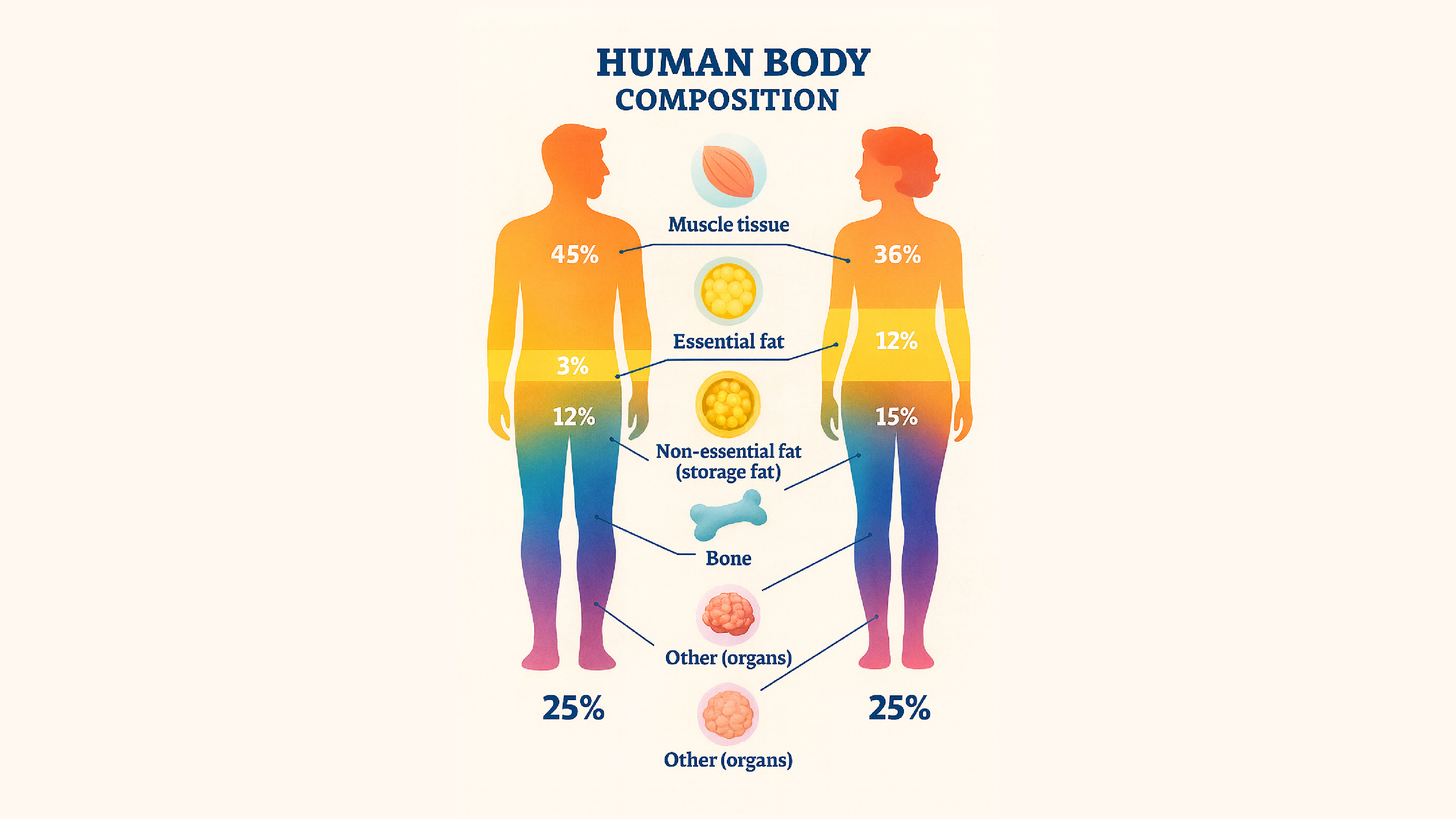
Visualizing the real picture beyond weight.
One of the biggest misconceptions he highlights is how people equate obesity with the number on the weighing scale.
According to him: "You can be thin but metabolically unhealthy. You can also be overweight but still metabolically strong".
This is where body composition analysis becomes non-negotiable. Weight alone doesn't tell the story. Body fat, visceral fat, muscle mass, and hydration levels give the real picture. He sees this every day: patients stand on the analyser and suddenly realise, "This is what my body actually looks like".
💡 Why InBody Is a Conversation Starter
For Dr. Pakhale, InBody isn't just a device; it is the first step to understanding a person's metabolic reality. He calls it his "best icebreaker". The graphs and numbers create immediate awareness, meaning patients don't need long lectures anymore.
They look at their low muscle mass or high visceral fat and instantly understand what needs to change. Follow-ups become meaningful as they track visual progress—stronger muscles, lower visceral fat, and better metabolic age.
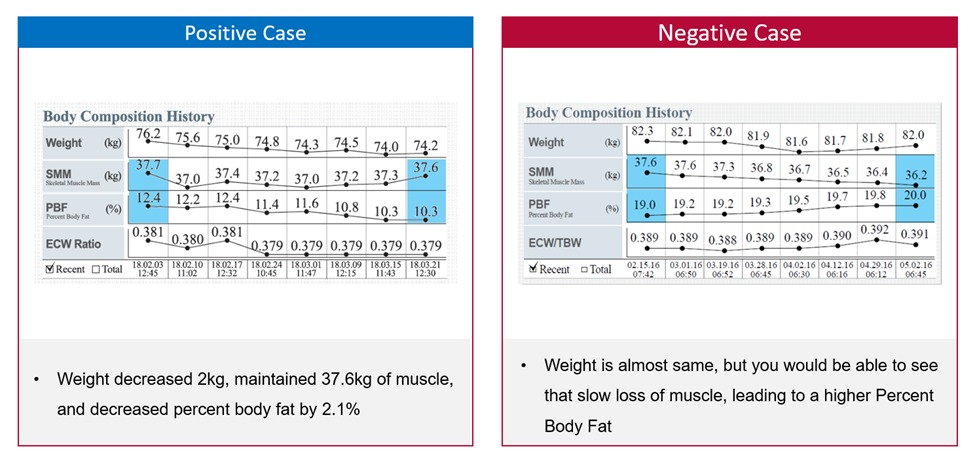
Visualizing Success: Positive vs. Negative Cases
This visual proof helps patients feel they are "winning from the inside".
✈️ Inside Aviation Health: Flying At a Different Altitude
Dr. Pakhale's second world—aviation medicine—comes with unique realities. Pilots operate with irregular sleep, high stress, dehydration, and jet lag.
Even small metabolic shifts can affect alertness, reflexes, and mood. For him, tracking body composition is as important as the aircraft's pre-flight checklist.
"If the body isn't performing well, the mind can't perform well either," he says. A healthy pilot means a safer flight for everyone on board.
🤝 When Doctors and Dietitians Work Together
Dr. Pakhale emphasises that metabolic disease can't be treated by one professional alone. A doctor, dietitian, psychologist, and exercise specialist must work as a unified team.
Food, he says, is the soul of any treatment plan. "You can take the soul out of a body, but you can't take food out of a person's life". This teamwork ensures that patients aren't just treated—they're supported.
🎵 Closing Message: Know Your Numbers, But Love Your Composition
Dr. Pakhale wrapped our conversation with a thought that stays with you long after the interview ends:
"Listen to the music of your body. It's speaking to you every day through your energy, your sleep, your fatigue, your cravings, even your screen time. When you start paying attention, you start taking back control".
Build your muscle mass. Manage your stress. Check your hydration. Track your composition, not just your weight. Small steps today shape a healthier future tomorrow.
Frequently Asked Questions
Weight is just a number on a scale, whereas metabolic health looks at how your body functions. Dr. Pakhale explains that you can be "thin but metabolically unhealthy" or "overweight but metabolically strong". The key lies in body composition—muscle mass, visceral fat, and hydration.
Instead of long lectures, the InBody sheet provides immediate visual proof of a patient's health. Seeing low muscle mass or high visceral fat on a graph helps patients instantly understand their "metabolic reality" and what needs to change.
Pilots face high stress, irregular sleep, and dehydration. Small metabolic shifts can affect alertness and reflexes. Dr. Pakhale views tracking body composition as essential as a "pre-flight checklist" because a healthy body ensures a sharper mind and safer flight.
He believes metabolic disease cannot be treated by one professional. Food is the "soul" of treatment, so a dietitian's role is crucial alongside the doctor. This unified team approach ensures patients are supported holistically, not just medically.