We use cookies and similar technologies (including Google Tag Manager and analytics) to improve your experience and understand how visitors use this site. See our Privacy Policy.
Moving beyond media narratives, we delve into the evidence-based science of GLP-1 receptor agonists and their role in precision metabolic health management.
From Hollywood red carpets to Bollywood premieres, weight transformations have become headline news. When Kathy Bates shared that she lost around 45 kg over seven years—crediting lifestyle changes and Ozempic—and celebrities from Amy Schumer to Elon Musk admitted using it for weight loss, global interest surged.
Beneath the celebrity hype lies a genuine medical breakthrough reshaping obesity and diabetes care. This isn't merely a Hollywood fad; it's a scientific revolution offering hope to millions who have struggled with traditional weight-loss methods.
Video: Elevating GLP-1 Therapy with InBody Body Composition Analysis.
The Global Health Crisis That Sparked a Medical Revolution
Figure 1: Mechanistic Overview – How GLP-1 Receptor Agonists Address the Global Metabolic Health Crisis
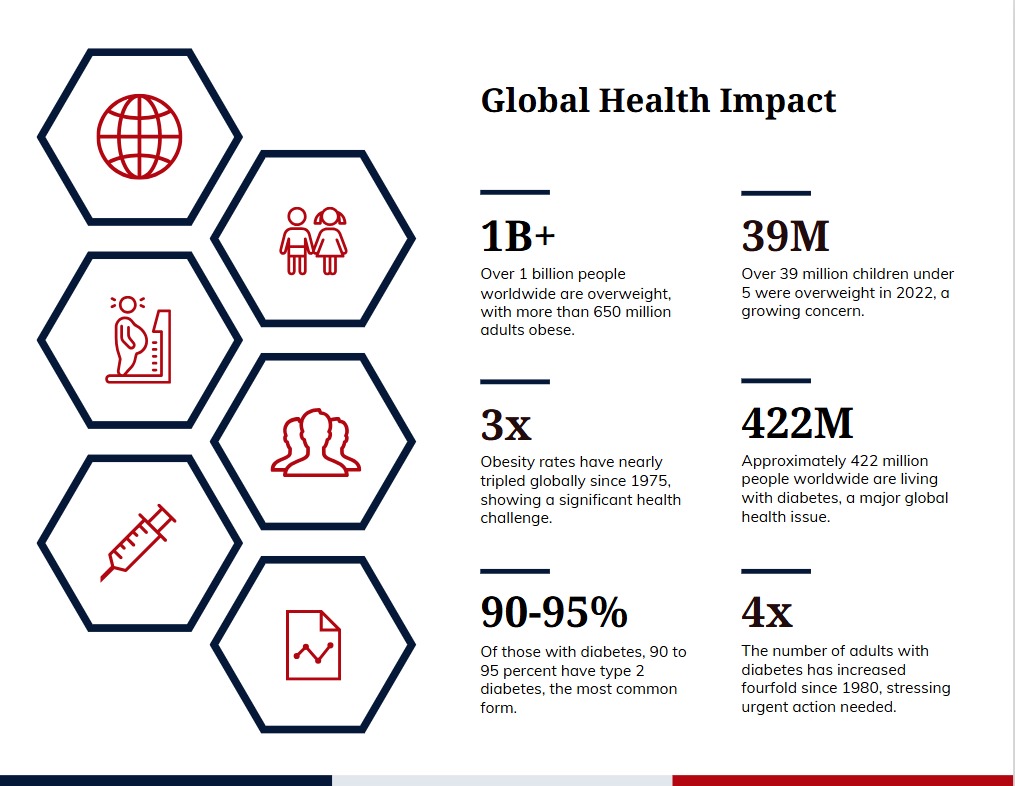
Over 650 million adults worldwide are classified as obese, while 422 million live with diabetes. These numbers represent individuals grappling daily with their health, energy, and self-esteem.
Traditionally, treatment options were limited: lifestyle modifications (effective but hard to sustain), oral medications with inconsistent results, and insulin for diabetes management. Often, patients would lose weight only to regain it, or achieve temporary glycemic control before spiraling back.
Enter GLP-1 drugs like Ozempic. Instead of merely addressing symptoms, they target the underlying hormones controlling appetite, blood sugar, and metabolism. They've become the bridge between good intentions and lasting results.
Understanding GLP-1: The Science Made Simple
Figure 2: GLP-1 Mechanism of Action – Central and Peripheral Effects Driving Therapeutic Outcomes
GLP-1 (glucagon-like peptide-1) is a hormone your body releases when you eat. Think of it as your internal manager for appetite and blood sugar. After a meal, GLP-1 tells your pancreas to secrete insulin, signals your brain that you're full, and slows stomach emptying.
Ozempic (semaglutide) is a synthetic version of GLP-1, designed to amplify those natural effects. Although developed to treat type 2 diabetes, clinicians quickly noticed patients experiencing significant weight loss—not as a side effect, but as a direct result of improved appetite regulation and glucose control.
Key benefits include: appetite control, blood sugar regulation, steady fat loss (typically 1–2 kg per month), muscle preservation, and lower risk of heart disease. Rather than battling your body's signals, Ozempic aligns with them—making sustainable weight loss achievable.
Groundbreaking Research at NutriBodyCon 2025
At NutriBodyCon 2025, India's top conference on clinical nutrition and body composition, Dr. Manoj Chawla presented his seminal research: "Beyond BMI: Advanced Body Composition Monitoring in GLP-1 Therapy."
Speaking to over 30 leading experts, he challenged the conventional reliance on scale weight and BMI, introducing a new standard of care that many progressive practitioners are now adopting.
Real Transformations: Clinical Case Studies
These clinical cases highlight the profound impact of GLP-1 therapy when combined with precision monitoring, demonstrating outcomes that transcend simple scale weight reduction.
Case Study 1: Adolescent Diabetes Management
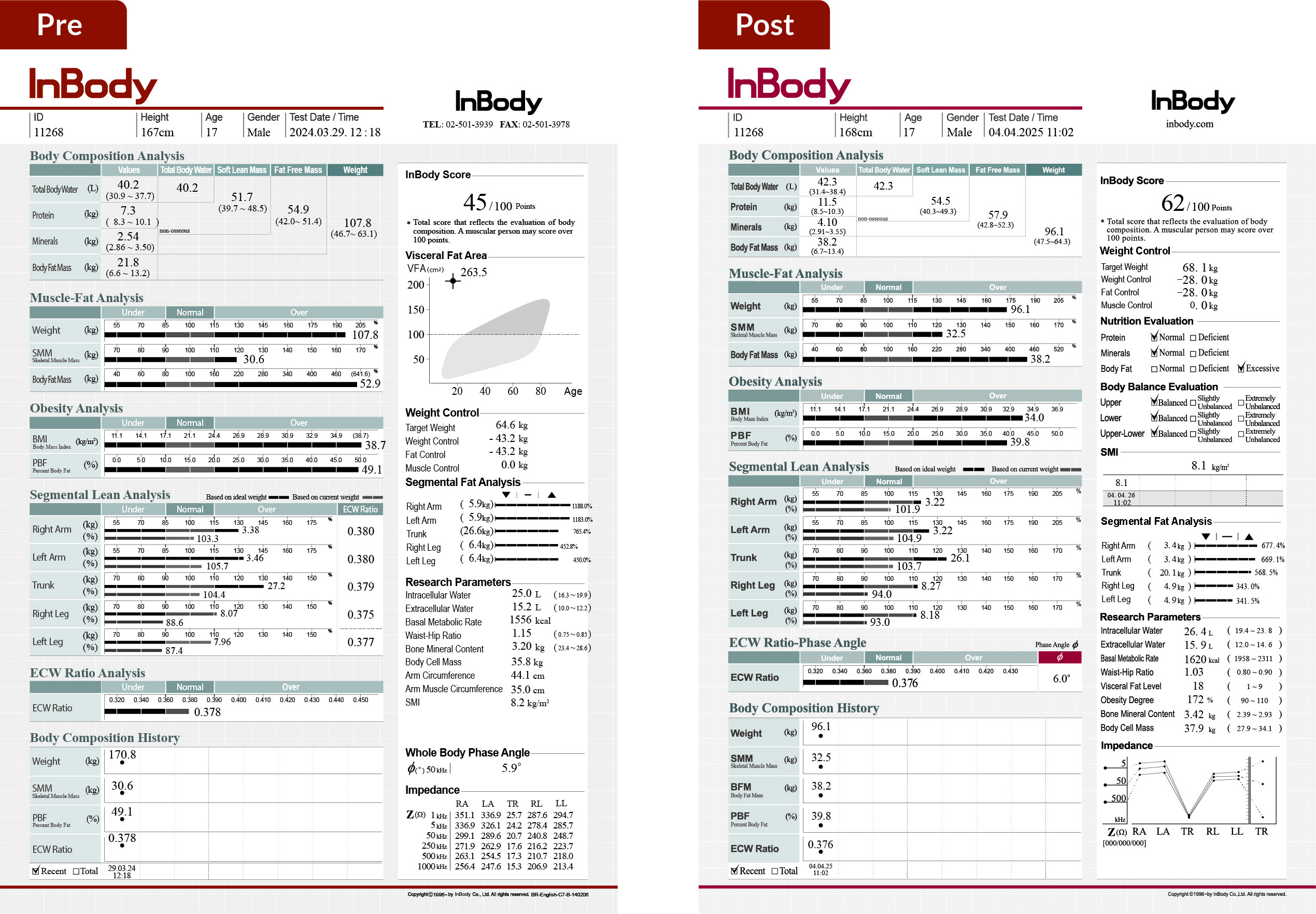
A 17-year-old male student, recently diagnosed with diabetes and struggling with weight gain due to a sedentary lifestyle, underwent GLP-1 therapy complemented by body composition analysis over 13 months.
This young man lost 14.7 kg of fat while gaining 1.9 kg of muscle. His InBody Score jump and phase-angle improvement signified markedly better cellular health—transformations that BMI alone would have missed entirely.
Case Study 2: Executive's Metabolic Breakthrough
A 46-year-old male executive (179 cm tall) struggled with diabetes and weight management despite years of conventional approaches. Over several months on GLP-1 therapy, he achieved remarkable results.
Metric
Baseline
Follow-up
Change
Weight
124.8 kg
117.9 kg
–6.9 kg
Skeletal Muscle Mass
38.6 kg
41.6 kg
+3 kg
Phase Angle
5.1
5.2
Improved
Instead of losing both fat and muscle, this patient gained muscle while shedding fat. His body became lighter yet stronger and more metabolically active.
Precision Weight Loss: The New Era of Personalized Metabolic Health
Figure 4: Maintaining Muscle While Losing Fat – The GLP-1 Advantage
GLP-1 therapies are redefining weight management by enabling sustainable fat loss of 1–2 kg per month, while preserving muscle mass, improving blood sugar control, and enhancing overall well-being.
However, they come with considerations: side effects like nausea and fatigue, rare risks such as pancreatitis, and significant cost in India (₹60,000–90,000/month).
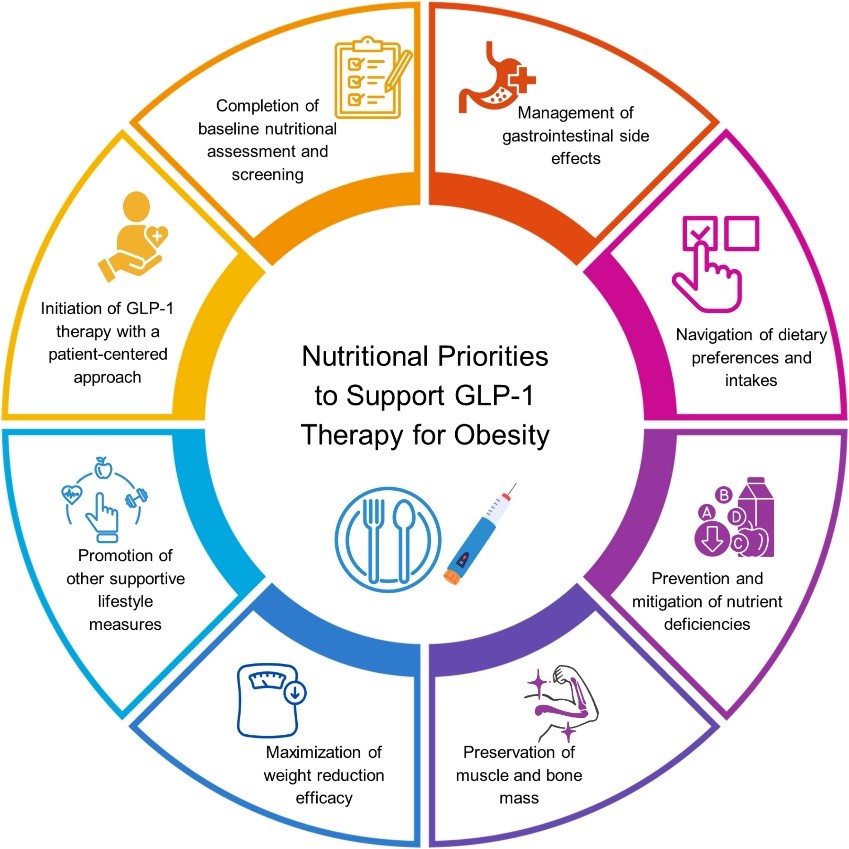
Technologies like InBody's Bioelectrical Impedance Analysis (BIA) provide deeper insights into muscle, fat distribution, water balance, and cellular health. The most effective outcomes stem from an integrated approach—combining GLP-1 medication with strength training, protein-rich nutrition, quality sleep, and professional metabolic monitoring.
Understanding Ozempic Side Effects
Figure 5: Ozempic Face – Understanding Facial Changes During Rapid Weight Loss
While GLP-1 therapies like Ozempic have shown impressive results, it's important to acknowledge that no medical intervention is without risks. Our aim is to provide a clear, factual view for those considering or currently using GLP-1 medications.
Possible thyroid C-cell tumors (under investigation)
Injection site reactions
Undesirable muscle loss without proper monitoring
These side effects vary from person to person and are typically dose-dependent. Most mild symptoms tend to improve over time, but any severe or persistent reactions warrant immediate medical review.
Beyond the Headlines: A Medical Revolution
GLP-1 drugs like Ozempic aren't magic pills—they're sophisticated medical tools best used as part of a holistic health plan. The goal isn't merely a lower number on the scale; it's to optimize body composition, enhance metabolic health, lower disease risk, and foster confidence and wellbeing.
For individuals who have felt trapped by traditional methods, GLP-1 therapy offers genuine hope. It's not about dramatic before-and-after photos; it's about steady, sustainable progress toward better health—guided by clinicians who understand both the science and the art of metabolic transformation.
We're moving beyond "willpower versus genetics" to a new era of smart medicine and personalized care. The number on the scale is just the beginning—your detailed body composition tells the real story of health transformation.
Frequently Asked Questions for Clinicians
GLP-1 receptor agonists mimic the effects of endogenous glucagon-like peptide-1, an incretin hormone. They stimulate glucose-dependent insulin secretion, suppress glucagon secretion, slow gastric emptying, and promote satiety, leading to improved glycemic control and weight loss.
Common side effects include gastrointestinal issues such as nausea, vomiting, diarrhea, and constipation. Less common but serious risks include pancreatitis and gallbladder issues. Clinicians should also monitor for potential muscle loss and facial volume changes (Ozempic face).
Body composition analysis using tools like InBody provides precise data on muscle mass, fat mass, and cellular health. This enables clinicians to ensure patients are primarily losing fat while preserving or even gaining muscle, leading to more sustainable outcomes.
Ozempic (semaglutide) is approved in India primarily for type 2 diabetes treatment. While it leads to significant weight loss, its use for obesity without diabetes may be off-label, and costs can be substantial (₹60,000–90,000/month). Clinicians should follow local guidelines.