
Diet 5 min read
Does Skipping Breakfast Actually Help You Lose Weight?
Diets Are Exhausting. Is There a Better Way?If you’ve ever tried losing weight, you know how it goes: you start strong, cutting carbs, saying no to late-night snacks,…
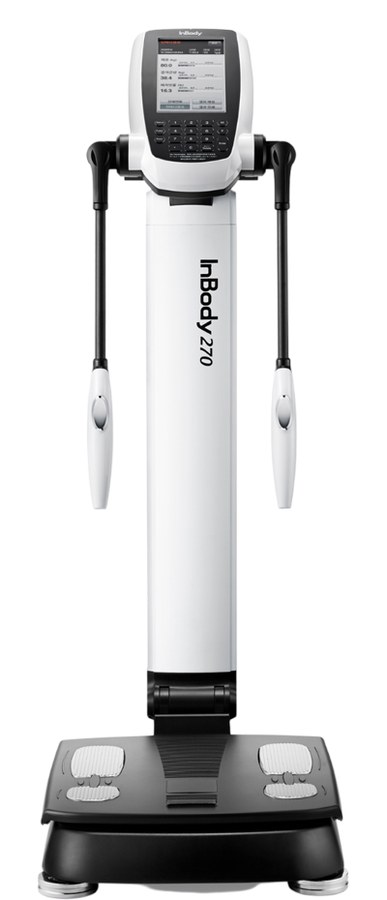
Reading about body composition? Find an InBody test centre near you →
Diets Are Exhausting. Is There a Better Way?
If you’ve ever tried losing weight, you know how it goes: you start strong, cutting carbs, saying no to late-night snacks, and maybe even hitting the gym religiously. But after a while, reality sets in. You get tired of constantly thinking about food, tracking every bite, and ignoring cravings, and before you know it, you’re right back where you started.
What if losing weight wasn’t about confining food but about changing when you eat? That’s exactly where Intermittent fasting comes in. But how does it affect BMI.
What is BMI, and Why Do We Care So Much About It?
BMI helps check if your weight is healthy for your height. But it’s not perfect, it doesn’t tell the difference between muscle and fat. So, a strong person and someone fat might have the same BMI. Still, it’s extensively used to assess health pitfalls linked to weight.
How Intermittent Fasting Helps Lower BMI
Intermittent fasting isn’t a diet; it’s an eating pattern that focuses on when you eat rather than what you eat. Some common styles include:

16:8 Method
- One should fast for 16 hours and eat during an 8-hour time slot.
- One of the most generally used fasting styles for weight loss.
5:2 Method
- Eat normally for 5 days and limit calories to 500-600 on 2 non-consecutive days per week.
- A great method for people who want flexibility while still reducing overall calorie intake.
OMAD (One Meal A Day)
- You eat one big meal per day and fast for the remaining 23 hours.
- Effective for fat loss but can be difficult to sustain long-term.
Benefits of Intermittent Fasting
1. Intermittent fasting cuts calories painlessly
Intermittent fasting reduces calorie intake naturally by shortening eating windows, leading to gradual weight loss and a healthier BMI, without strict dieting.
2. Intermittent fasting burns fat more efficiently
Fasting lowers insulin, helping your body burn fat instead of food. It reduces belly fat, improves metabolism, and supports a healthy weight without strict dieting.
3. Intermittent fasting burns fat and keeps muscle
Crash diets burn muscle too, reducing metabolism. More muscle means burning more calories, even at rest.

4. Intermittent fasting reduces careless snacking
We frequently eat out of boredom or stress, not hunger. Intermittent fasting reduces mindless snacking, helping you recognize true hunger, control calorie intake, and maintain a healthy BMI.
Limitations of Intermittent Fasting
1. It Can Be Hard to acclimate
The first few days of fasting can be tough, leading to hunger pangs, fatigue, low energy or irritability.
2. Not Ideal for Certain People
It’s also not ideal for underweight individuals who need a steady calorie intake. Diabetics and pregnant women should only try it under medical supervision.
Intermittent Fasting & BMI: How InBody Can Help You Track Real Progress
Intermittent fasting is known for lowering BMI and improving health, but how do you track progress beyond just weight loss? This is where InBody comes in.
Unlike regular scales, InBody provides a detailed body composition analysis, showing fat loss, muscle retention, and metabolic changes, key factors in a successful fasting journey.
With intermittent fasting, you’re not just losing weight, you’re reshaping your body. InBody helps you:
1. Track fat loss vs. muscle loss
2. Monitor metabolism & hydration
3. Acclimate fasting & nutrition for maximum results
Instead of guessing, InBody gives you real data to fine-tune your fasting strategy for sustainable weight loss and better health.
So, Should You Try Intermittent Fasting for a Healthier BMI?
Intermittent fasting offers a simple way to manage weight and health. It lowers BMI by reducing fat while preserving muscle, boosts metabolism, and may lower disease risk. However, for best results, pair it with nutritious eating and exercise. Intermittent fasting could be your game-changer!
Have you tried intermittent fasting? What was your experience?
Frequently Asked Questions
Q. Does skipping breakfast slow down my metabolism?
Contrary to the “starvation mode” myth, short-term fasting can. Your metabolism only begins to slow down after 48 to 72 hours of total calorie deprivation.
Q. Can I drink anything during the fasting window?
Yes, but it must be non-caloric. Black coffee, plain tea, and water are perfect. Avoid adding milk, sugar, or artificial sweeteners, as these can trigger an insulin response and break the physiological fast.
Q. Will I lose muscle if I fast?
Studies show that intermittent fasting is actually better for muscle preservation than traditional “slow and steady” calorie restriction. Because HGH levels spike during a fast, your body is primed to protect lean tissue while burning fat.
Q. Is intermittent fasting safe for everyone?
While beneficial for most, it is not recommended for pregnant women, individuals with a history of disordered eating, or those with Type 1 Diabetes without strict medical supervision. Always consult a professional before making a radical shift in eating patterns..
Q. How does an InBody scan help someone doing Intermittent Fasting?
Because weight loss on IF can be rapid, an InBody scan is crucial to ensure that the weight being lost is actually Body Fat and not Skeletal Muscle Mass. It allows you to monitor your “Body Composition Score” to prove the fast is working healthfully.
Key Takeaways
- The Insulin Reset: Intermittent fasting (IF) lowers insulin levels significantly. When insulin is low, the body can more easily access stored body fat for energy, making it a powerful tool for weight management and reversing insulin resistance.
- Autophagy (Cellular Cleanup): One of the most profound benefits of fasting is autophagy—a process where cells self-digest and remove damaged proteins and components. This “cellular spring cleaning” is linked to increased longevity and protection against neurodegenerative diseases.
- Metabolic Flexibility: By skipping breakfast or extending the fasting window, you train your body to switch between burning glucose (sugar) and ketones (fat). This “metabolic flexibility” leads to more stable energy levels and reduced “brain fog” throughout the day.
- Human Growth Hormone (HGH) Spike: Fasting can lead to a massive increase in HGH levels. This hormone is essential for fat loss, muscle preservation, and faster physical recovery, which is why IF is popular among athletes.
- Simplification of Nutrition: Beyond the biology, IF acts as a behavioural tool. By restricting the “eating window,” many people naturally reduce their caloric intake without the psychological stress of meticulous calorie counting.


Most trending articles

Diet Mistakes That Stall Muscle Growth (And How to Fix Them)
Those with modest appetites, slim bodies, or high metabolisms may find it difficult to gain weight. The secret to gaining weight is to consume more calories than your…

Weight Loss vs Fat Loss: What’s the Real Difference?
When people say they want to lose weight, what they often mean is losing fat. However, weight loss and fat loss are not the same, and understanding the…
Are Artificial Sweeteners Safe for Diabetics? An Honest Look
If you have diabetes, you’ve likely experienced that frustrating moment when you really want adrink, but you’re browsing an aisle full of “sugar-free” options, and you’re not sure what…