
Most people think hydration is only about drinking enough water to avoid thirst. But your body tells a much deeper story. Did you know your heart is one of the most water-dependent organs in your body? Since blood is nearly 90% water, even slight shifts in body hydration can directly impact how efficiently your heart pumps, how well oxygen is delivered, and even your long-term cardiovascular health.
This is where advanced InBody devices like InBody 380 comes into picture and provides meaningful insights, moving beyond “drink more water” to showing exactly how water is distributed in your body and what it means for your heart.
Understanding Body Water and the Heart
Your heart doesn’t just pump blood; it regulates pressure, circulation, and nutrient delivery. Water plays a central role in all of these processes:
- Blood Volume & Pressure: Proper hydration maintains blood volume, helping the heart pump efficiently.
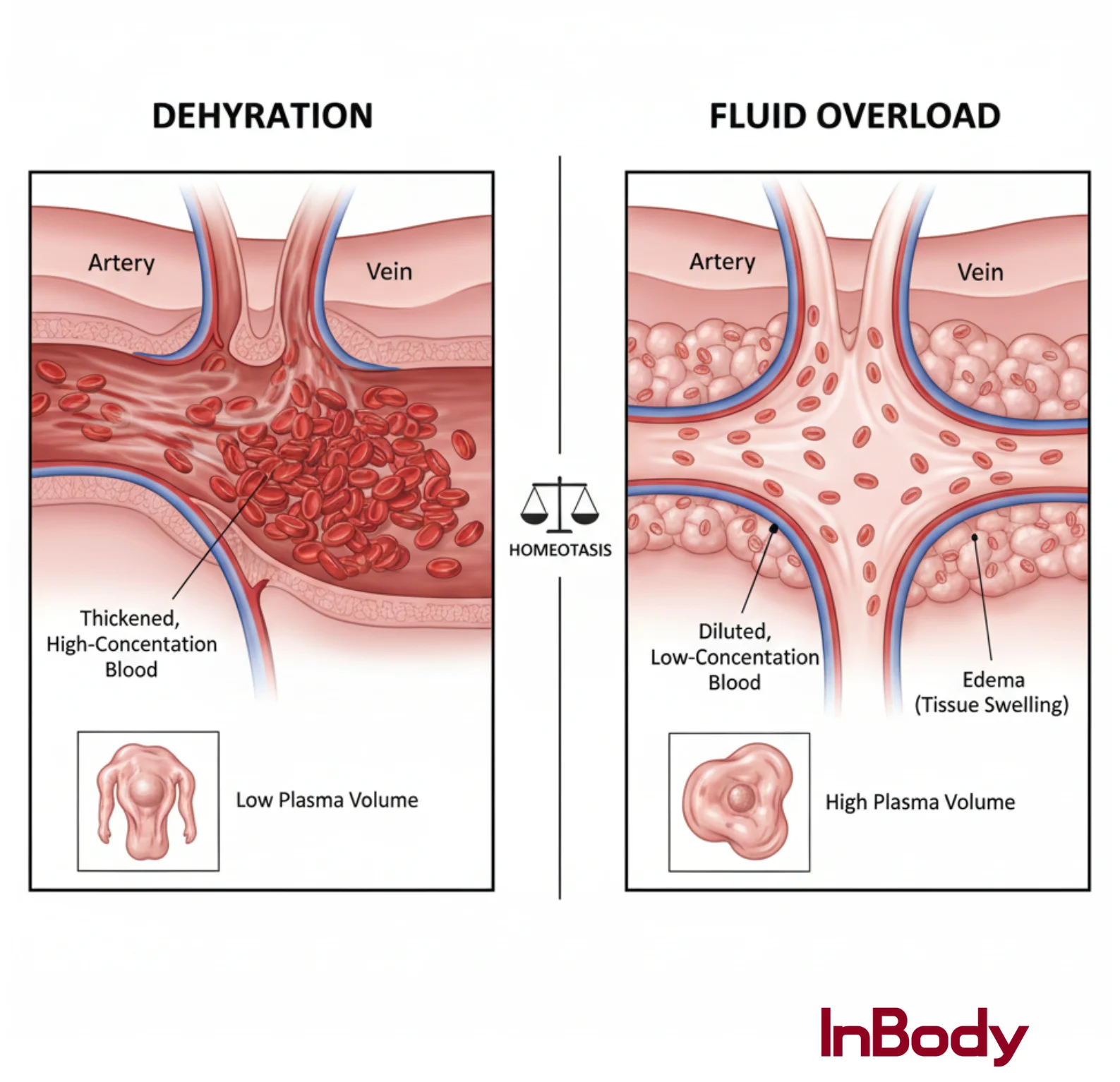
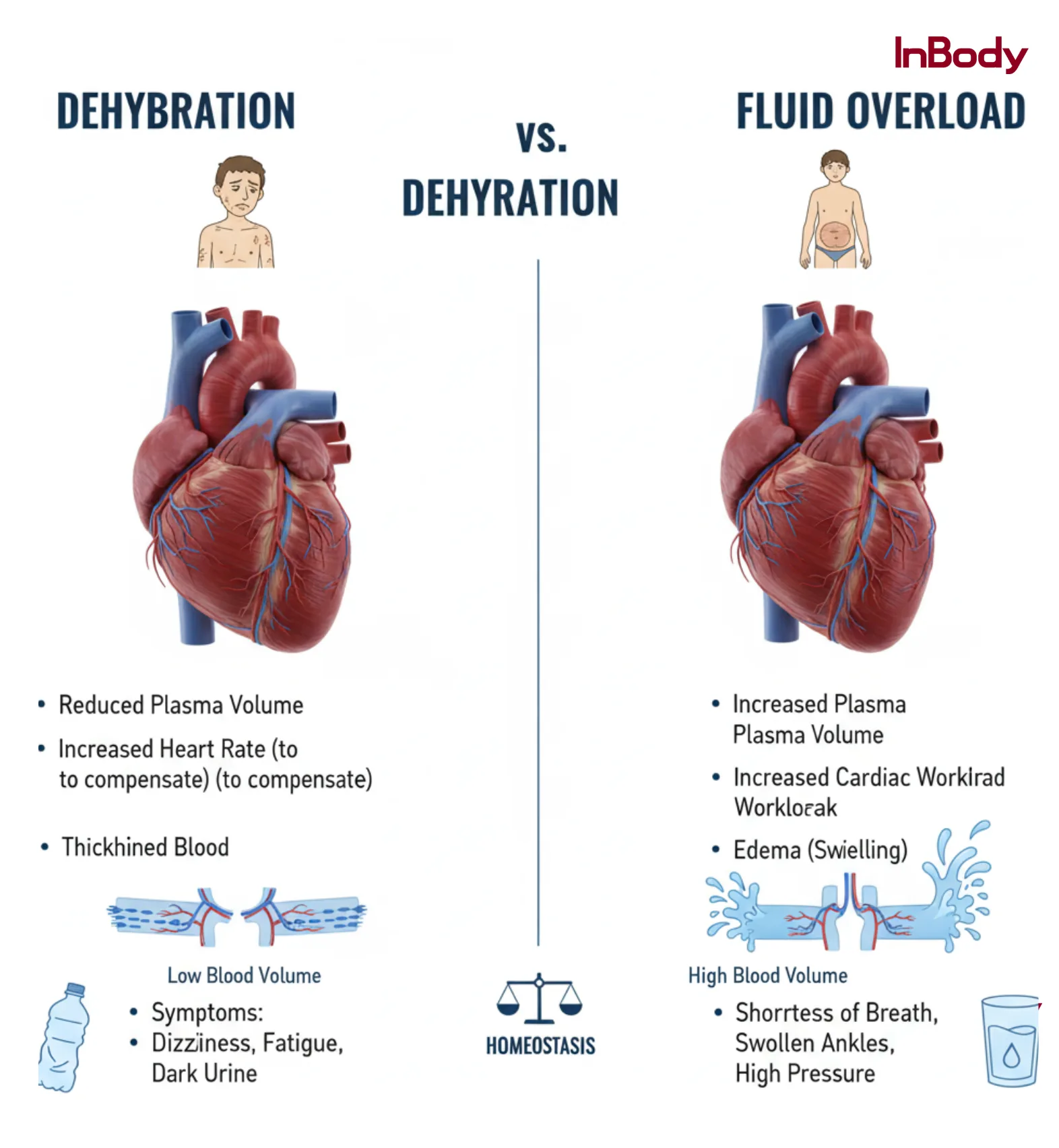
- Dehydration Risks: Low water levels decrease blood volume, forcing the heart to beat faster (tachycardia), sometimes causing dizziness or low blood pressure.
- Fluid Overload Risks: In conditions like heart failure, excess water builds up outside the cells, straining the heart and leading to edema (swelling), shortness of breath, and fatigue.
In short: Too little water makes the heart struggle, too much water burdens it. Balance is key.
What the InBody BWA Device Measures
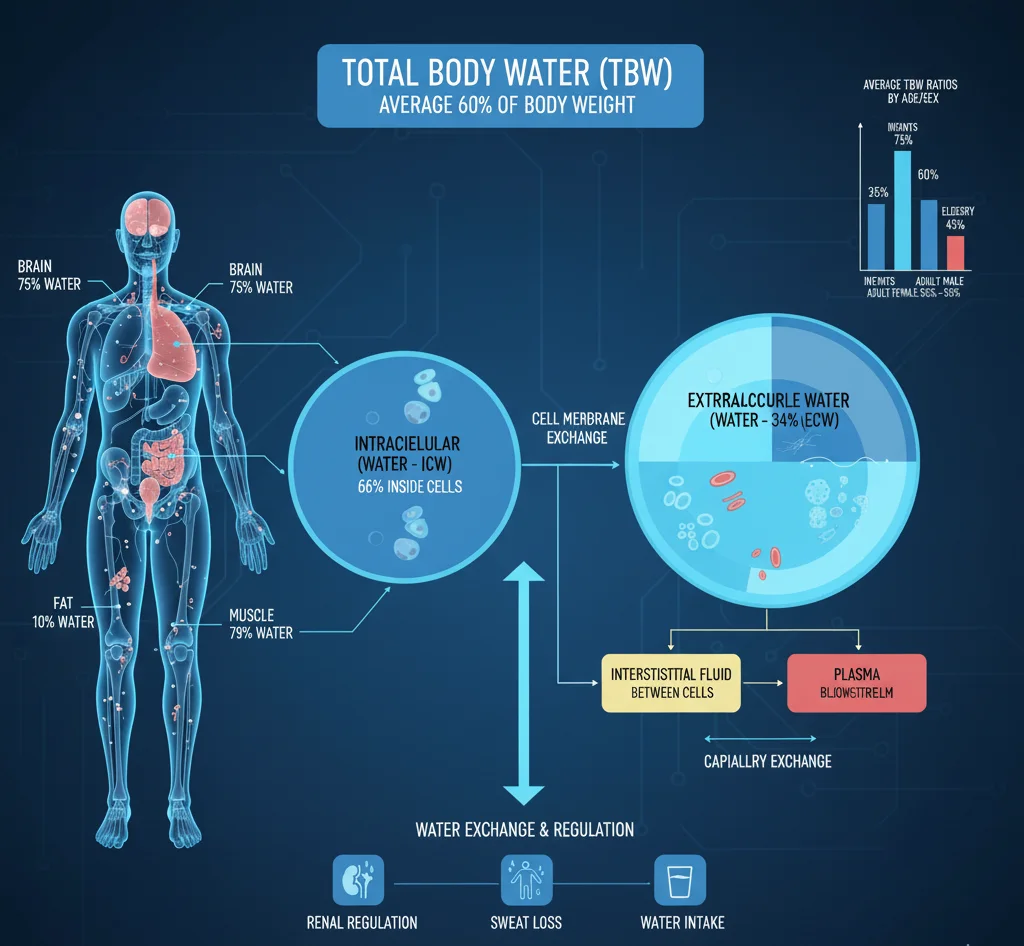
Unlike a normal weighing scale, the InBody BWA (Body Water Analyzer) breaks down your Total Body Water (TBW) into two essential compartments:

| Parameter | What It Means | Why It Matters for Heart Health |
| Intracellular Water (ICW) | Water inside the cells → reflects cell health & nutrition | Low ICW suggests poor cell function and reduced muscle quality, increasing strain on the heart |
| Extracellular Water (ECW) | Water outside cells (interstitial fluid) | High ECW may indicate fluid retention, edema, or early heart failure signs |
| ECW/TBW Ratio | Ratio of extracellular to total body water | An elevated ratio signals fluid imbalance, inflammation, or cardiovascular risk |
Key Insight: The ECW/TBW ratio is a powerful early marker of heart stress and fluid imbalance, often before symptoms are visible. In your shared report, this ratio was highlighted as a key index for hydration balance.
Why Hydration Balance Matters for Heart Health
- Prevention & Early Detection: Subtle hydration changes can point toward heart failure, kidney strain, or hypertension.
- Personalized Wellness: Athletes optimize hydration strategies, while cardiac patients can prevent fluid-related complications.
- Holistic Risk Picture: When combined with other InBody metrics such as visceral fat, skeletal muscle mass, and phase angle, hydration analysis paints a full picture of cardiovascular health.
Mechanism of Action: How Dehydration & Fluid Overload Impact the Heart
A. Dehydration
- Reduced Blood Volume: Less circulating blood lowers oxygen and nutrient delivery to tissues.
- Increased Heart Rate: The heart pumps faster to compensate, creating extra strain.
- Electrolyte Imbalance: Loss of sodium, potassium, and magnesium disrupts electrical activity, raising the risk of arrhythmias.
- Common Symptoms: Dizziness, fatigue, low blood pressure, rapid heartbeat.
B. Fluid Overload
- Excess Extracellular Water (ECW): Increases vascular pressure and fluid retention.
- Greater Cardiac Workload: The heart must pump harder against the excess fluid.
- Clinical Effects: Swelling (edema), shortness of breath, pulmonary congestion.
- Long-Term Risk: Worsening of heart failure and higher hospitalization risk.
Actionable Insights with InBody 380
This is where the InBody 380 becomes a game-changer:
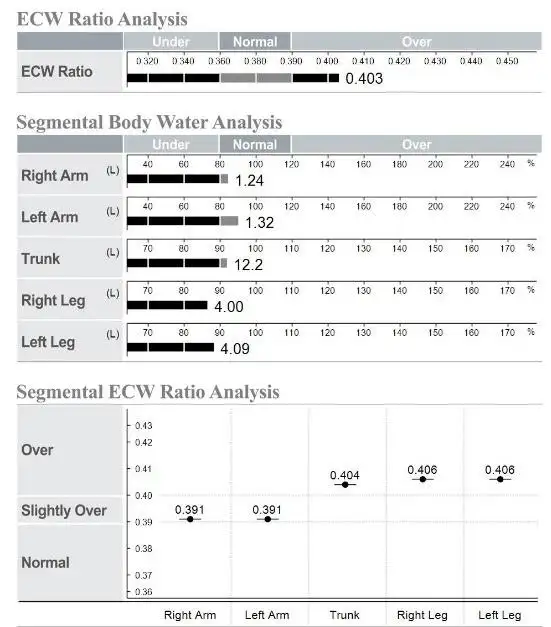
This is the body composition result sheet of a person, highlighting the ECW Ratio (Extracellular Water Ratio). In this case, the ratio is slightly on the higher side, which means there is mild fluid retention in the body. Normally, the ECW ratio should fall between 0.36–0.39. A higher value indicates an excess of extracellular water (the fluid outside cells, including plasma and interstitial fluid), while a lower value may point toward dehydration.
The ECW ratio is a key marker of hydration balance. When extracellular water increases, it reflects improper fluid distribution in the body. This imbalance not only affects cellular function but also places extra workload on the heart, as the heart must pump against increased fluid volume. Over time, this can contribute to elevated blood pressure, vascular stiffness, and reduced cardiac efficiency.
In short, even a slightly elevated ECW ratio is an early sign to monitor hydration carefully, as keeping this balance in check plays an important role in protecting long-term cardiovascular health.
- Regular 380 Scans: Track hydration levels, ICW/ECW balance, and ECW/TBW ratio over time.
- Personalised Hydration Plans: Move away from generic “drink 8 glasses of water” advice; instead, tailor hydration and sodium intake based on real body data.
- Early Warning Signals: Detect fluid imbalance before it manifests as cardiac complications.
- Integrated Health Monitoring: Combine 380 results with clinical markers like BP, cholesterol, and ECG for a complete view of cardiovascular status.
- Phase Angle: Acts as a biomarker of cellular health and resilience. A low phase angle may correlate with poor cardiac outcomes, making it another valuable parameter for risk prediction.
Impact of Hydration Status on Heart Function
| Hydration Status | Heart Function Effect | Symptoms/Signs |
| Dehydrated | ↓ Blood volume → ↑ HR, ↓ BP | Dizziness, fatigue, fast heartbeat |
| Balanced | Stable HR & BP → optimal oxygen delivery | Normal energy, good performance |
| Fluid Overload | ↑ ECW → ↑ strain on heart | Swelling, breathlessness, high BP |
Final Word
Hydration isn’t just about quenching thirst; it’s a direct window into your heart health. The InBody 380 device takes this further by turning invisible shifts in body water into actionable, measurable data. With parameters like ECW/TBW ratio, ICW/ECW balance, and phase angle, it empowers you and your doctor to spot early warning signs, optimise hydration, and protect your heart before complications arise.
Important Addition: Since hydration imbalance often coexists with conditions like hypertension, diabetes, or kidney disease, using InBody 380 as part of routine health checkups can significantly improve early diagnosis and preventive care.
Frequently Asked Questions
What is the ECW/TBW ratio and why does it matter?
The ECW/TBW ratio indicates the proportion of extracellular water in your total body water. A normal range is typically around 0.36–0.39. Higher ratios suggest fluid retention, inflammation, or cardiovascular stress — sometimes before symptoms appear.
Who should consider using the InBody 380 device?
People with heart conditions (e.g., hypertension, heart failure).
Those with kidney or liver disease (where fluid balance is critical).
Athletes optimizing hydration for performance.
Individuals undergoing regular health checkups for preventive care.
How often should I check my body water balance?
For healthy individuals, once every few months may be enough. For people with cardiovascular, renal, or metabolic conditions, regular monitoring (monthly or as advised by your doctor) is recommended to track changes over time.
Can hydration analysis help in preventing heart disease?
Yes. By identifying early signs of dehydration or fluid overload, BWA can help prevent complications like high blood pressure, arrhythmias, or fluid-related stress on the heart. It allows for early intervention and lifestyle or dietary adjustments.
References
- Armstrong LE, Johnson EC. Water, Hydration and Health. Nutrients. 2013;5(4):1262-1283. doi:10.3390/nu5041262. https://www.ncbi.nlm.nih.gov/pmc/articles/PMC2908954/
- Kenefick RW, Cheuvront SN. Hydration at the extremes: fluid physiology during exercise and environmental stress. Appl Physiol Nutr Metab. 2012;37(1):1-10. doi:10.1139/h11-163. https://pubmed.ncbi.nlm.nih.gov/22200972/
- Cheuvront SN, Carter R, Montain SJ. Dehydration markedly impairs cardiovascular function in hyperthermic exercise. J Appl Physiol (1985). 1997;82(4):1229-1236. doi:10.1152/jappl.1997.82.4.1229. https://journals.physiology.org/doi/10.1152/jappl.1997.82.4.1229
- Ritz P. Bioelectrical impedance analysis estimation of body water and fatness. J Clin Densitom. 1999;2(4):361-366. doi:10.1385/JCD:2:4:361. https://pubmed.ncbi.nlm.nih.gov/10548824/
- Porto AA, Benjamim CJR, da Silva Sobrinho AC, et al. Influence of fluid ingestion on heart rate, cardiac autonomic modulation and blood pressure in response to physical exercise: a systematic review with meta-analysis and meta-regression. Nutrients. 2023;15(21):4534. doi:10.3390/nu15214534. https://www.mdpi.com/2072-6643/15/21/4534
- Wang Y, Li J, Xu Z, et al. Nonlinear association between extracellular water/total body water and all-cause mortality. Sci Rep. 2025;15:4202. doi:10.1038/s41598-025-04202-1. https://www.nature.com/articles/s41598-025-04202-1