
Health 6 min read
Understanding Blood Pressure: A Key to Better Health
Keeping blood pressure at its ideal level is essential for general health. Both elevated (hypertension) and lowered (hypotension) blood pressure can pose serious health risks if not effectively…
Reading about body composition? Find an InBody test centre near you →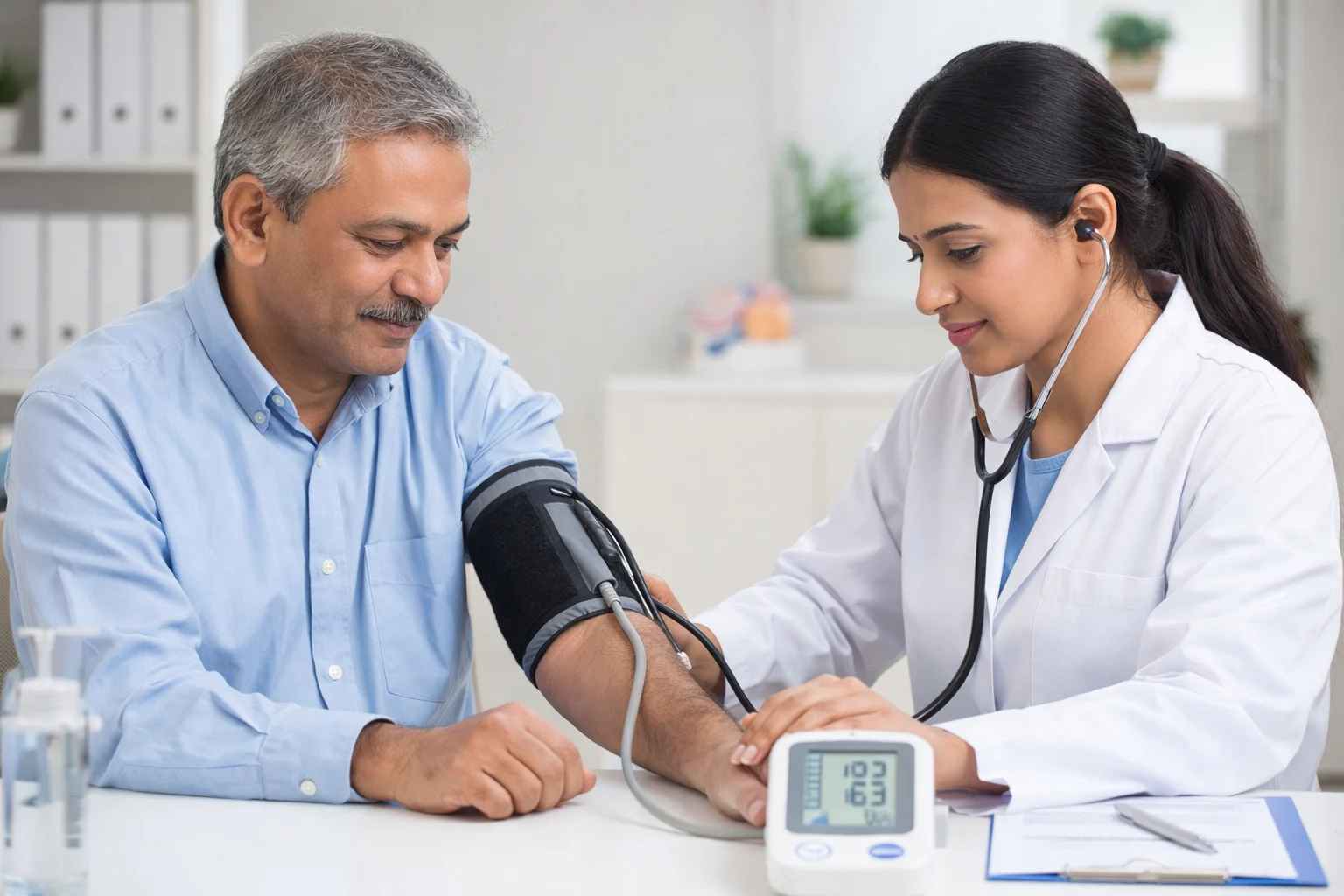
Keeping blood pressure at its ideal level is essential for general health. Both elevated (hypertension) and lowered (hypotension) blood pressure can pose serious health risks if not effectively managed.
What Is Blood Pressure?
The force that circulating blood applies to the artery walls is known as blood pressure. It is expressed using two numbers:
- Systolic Pressure: The larger value, which represents the pressure during heartbeats.
- Diastolic Pressure: The lower figure, which represents the pressure at which the heart stops beating.
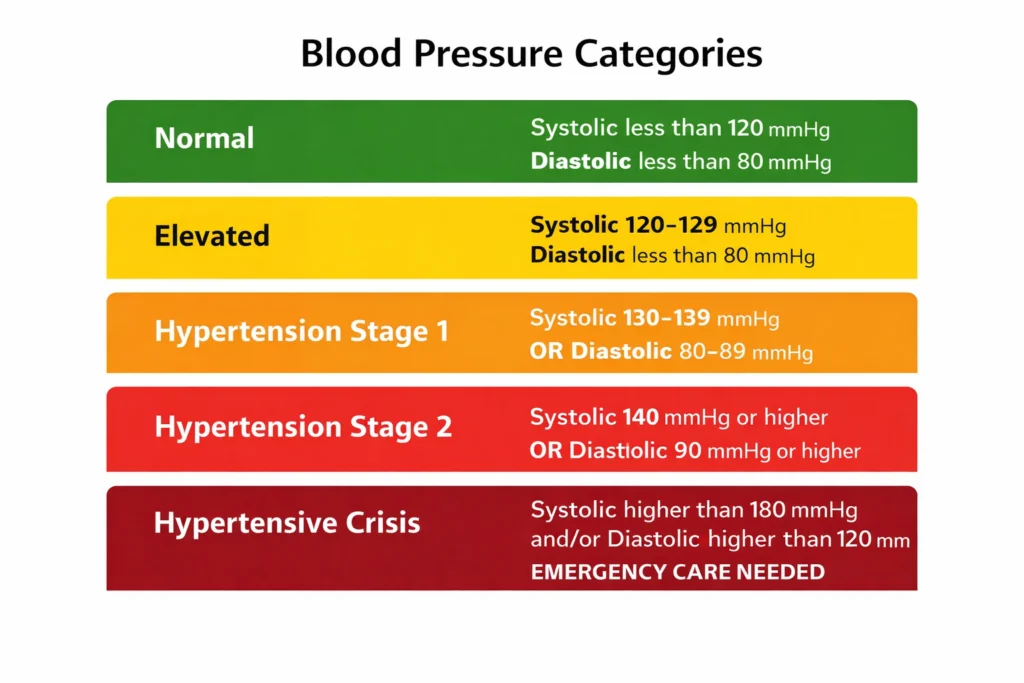
A typical, healthy blood pressure reading is approximately 120/80 mm Hg. Readings consistently above or below this range could signal potential health concerns.
High Blood Pressure (Hypertension)
A chronic illness known as hypertension occurs when blood pressure levels are continuously high. Over time, this can strain your cardiovascular system and lead to severe complications, such as heart disease, stroke, kidney problems, and vision impairment.
Common Causes
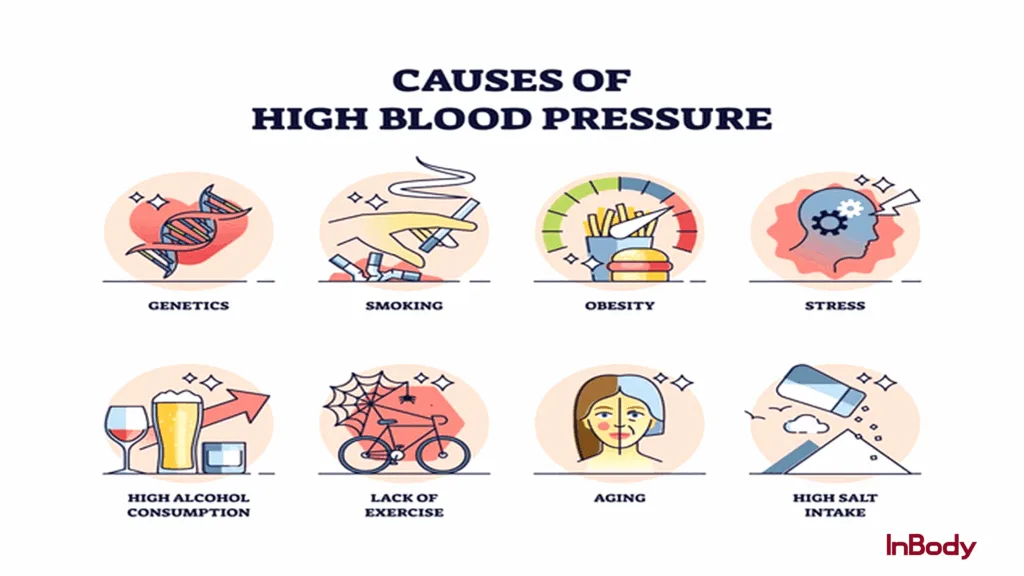
- Unhealthy Lifestyle: High sodium intake, poor diet, lack of exercise, and alcohol or tobacco use.
- Age: Arteries tend to become stiffer with age, increasing blood pressure.
- Genetics: Family history can play a significant role.
- Obesity: An excessive amount of bodily weight strains the heart.
- Chronic Stress: Prolonged stress can lead to persistent high blood pressure.
Symptoms of Hypertension
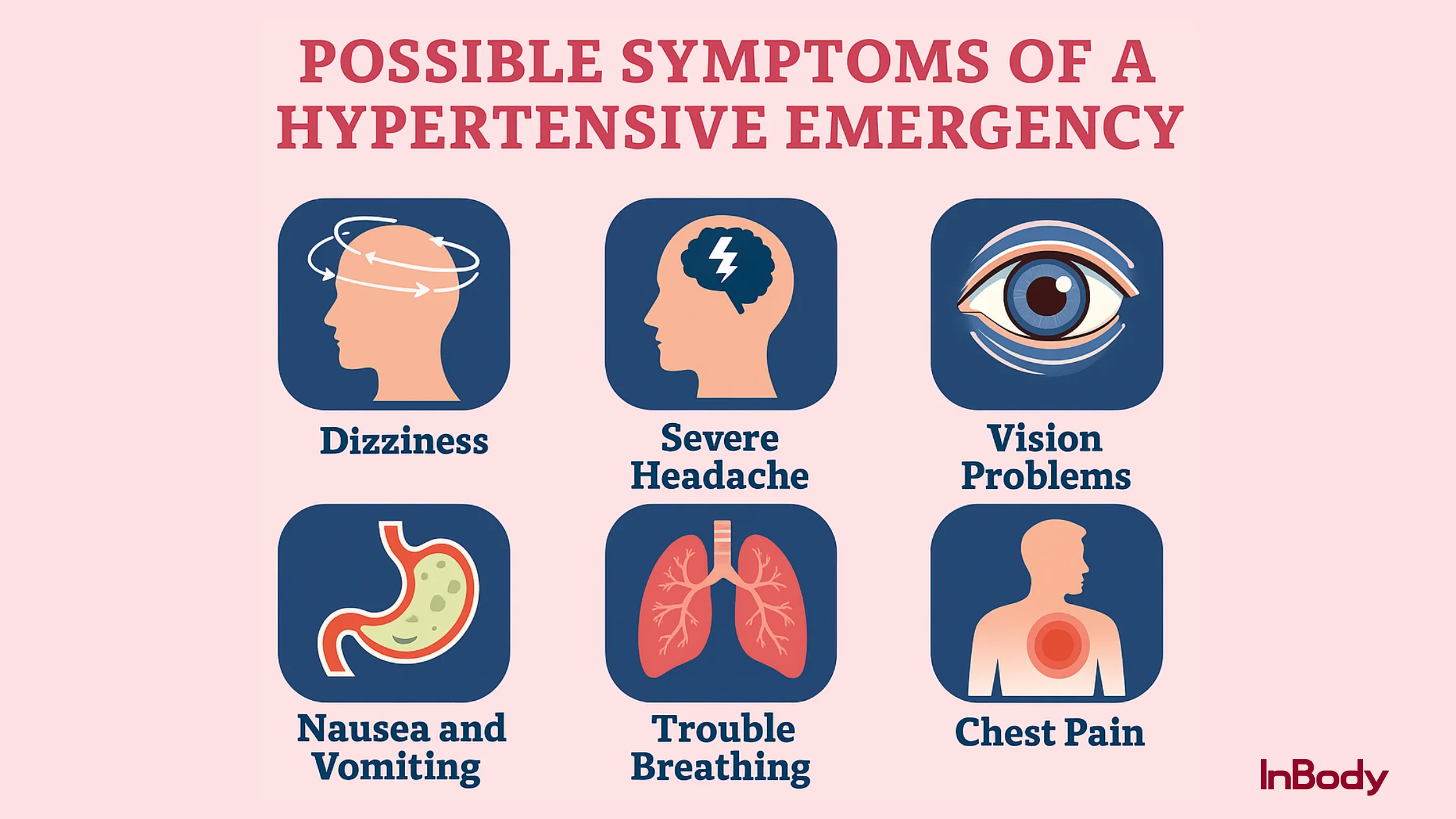
Hypertension is often called a “silent killer” due to its lack of obvious symptoms, but in severe cases, you may notice:
- Headaches
- Difficulty breathing
- Nosebleeds
- Chest pain
- Dizziness or fainting spells
How to Manage High Blood Pressure
- Healthy Eating: Follow a diet rich in vegetables, fruits, whole grains, and lean proteins. Reduce your intake of salt and processed foods.
- Regular Physical Activity: Engage in aerobic activities such as brisk walking, swimming, or cycling.
- Weight Management: Losing extra weight can dramatically reduce blood pressure.
- Avoid Tobacco and Limit Alcohol: Both are known to elevate blood pressure.
- Medications: Depending on your health, your physician may suggest:
- Diuretics (removing excess salt and water)
- Beta-blockers (slowing heart rate)
- ACE inhibitors (relaxing blood vessels)
- Calcium channel blockers (improving blood flow)
- Stress Control: Practice meditation, deep breathing, or yoga.
- Monitor Regularly: Home monitoring helps track progress and identify any sudden changes.
- Renal Denervation Therapy (RDN): For those with resistant hypertension, RDN is a minimally invasive option that targets nerves in the kidneys to help reduce blood pressure.
Low Blood Pressure (Hypotension)
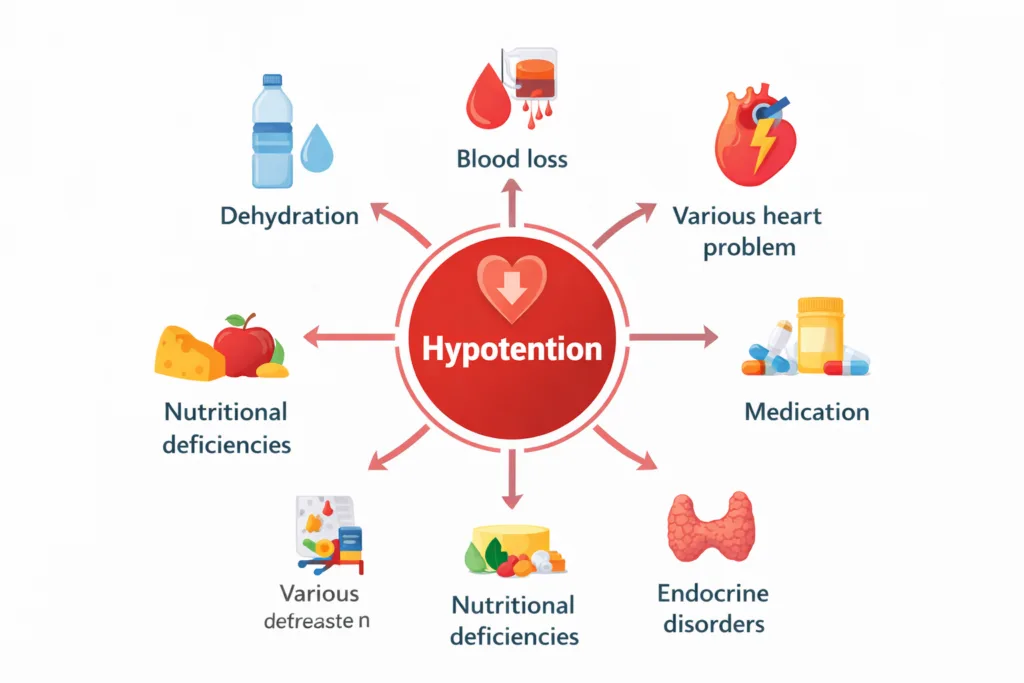
Blood pressure readings that are continuously below normal—typically less than 90/60 mm Hg—are referred to as hypotension. Though not always dangerous, if it drops too low, it may cause inadequate blood flow to the brain and other organs.
Potential Causes
- Dehydration: Low fluid levels reduce blood volume.
- Blood Loss: Significant bleeding lowers pressure levels.
- Heart Conditions: Issues like a slow heartbeat or heart valve disorders.
- Hormonal Disorders: Conditions like Addison’s disease or thyroid imbalance.
- Severe Infections: Septicemia can cause a sudden drop in blood pressure.
- Medications: Some drugs may reduce blood pressure as a side effect.
Symptoms of Hypotension
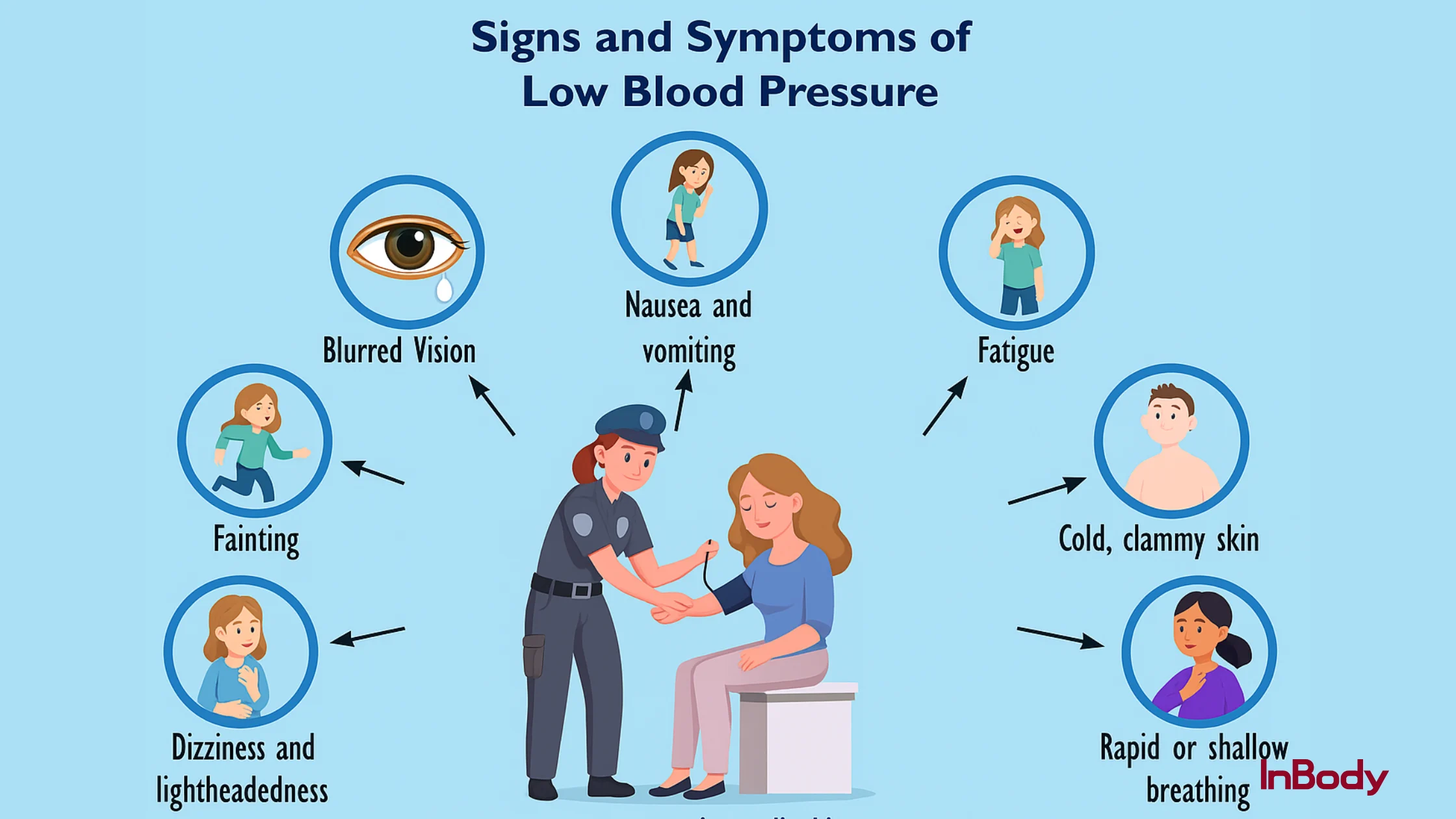
- Light-headedness or dizziness
- Fainting spells
- Blurred vision
- Fatigue
- Nausea
- In extreme cases, it may lead to shock, a life-threatening emergency.
Tips for Managing Low Blood Pressure
- Stay Hydrated: Drinking water throughout the day is essential, especially in hot weather or during physical activity.
- Morning Caffeine Boost: A cup of coffee or tea in the morning may help raise blood pressure slightly.
- Smaller, Frequent Meals: This helps prevent drops in blood pressure after eating.
- Increase Salt (Cautiously): Adding a bit more salt to your diet can help raise pressure levels, but only under medical guidance.
- Avoid Sudden Movements: Rise slowly from sitting or lying positions to prevent dizziness.
- Medical Treatment: In persistent cases, medications like fludrocortisone or midodrine might be prescribed.
Preventing Blood Pressure Issues
Regardless of whether you’re dealing with high or low blood pressure, prevention and maintenance are vital:
- Maintain a Healthy Body Weight
- Eat a Balanced Diet
- Engage in Regular Exercise
- Get Routine Checkups
- Avoid Excessive Salt or Sugar
- Stay Hydrated
- Monitor Your BP at Home
Frequently Asked Questions
Q. What are common signs of high blood pressure?
Most people with high blood pressure don’t experience symptoms. However, some may notice headaches, shortness of breath, dizziness, or nosebleeds.
Q. How can I naturally increase my blood pressure?
Drink plenty of fluids, eat smaller meals, increase salt intake (if advised), wear compression garments, and rise slowly from seated or lying positions.
Q. Can a person experience both high and low blood pressure?
Indeed, stress, medications, and underlying medical issues can all cause blood pressure to vary. Monitoring is essential for accurate diagnosis and management.
Q. When should I seek medical help for blood pressure concerns?
If you have consistent abnormal readings or symptoms like chest pain, severe dizziness, or fainting, consult a healthcare professional immediately.
Key Takeaways
- The Silent Nature of Hypertension: High blood pressure often presents no outward symptoms, earning it the nickname “the silent killer.” Regular monitoring is the only definitive way to detect elevated pressure before it causes irreversible damage to the heart, brain, or kidneys.
- Understanding the Dual Numbers: Blood pressure is measured by two forces: Systolic (the pressure when the heart beats) and Diastolic (the pressure when the heart rests between beats). Both numbers are critical; an elevation in either can indicate a loss of arterial elasticity or increased resistance in the blood vessels.
- The Impact of Lifestyle Synergy: Managing blood pressure is not just about reducing salt; it is a combination of sodium control, consistent aerobic exercise, and stress management. Physical activity strengthens the heart muscle, allowing it to pump more blood with less effort, which naturally lowers the force on your arteries.
- The Hidden Role of Body Composition: There is a direct correlation between excess visceral fat (fat around the organs) and hypertension. High body fat percentages increase the metabolic demand on the heart and can lead to systemic inflammation, which narrows the blood vessels.
- Hydration and Blood Volume: Proper hydration is essential for maintaining blood viscosity. Dehydration can cause blood to thicken and the body to retain sodium, both of which force the heart to work harder and can cause blood pressure to spike or become unstable.
Conclusion
Your general health is greatly influenced by your blood pressure. While hypertension is more common and can lead to long-term complications if ignored, hypotension also requires attention, especially when symptoms are present. Fortunately, with the right lifestyle changes, dietary habits, and, when necessary, medication, both conditions can be effectively managed. Understanding and regularly monitoring your blood pressure can go a long way in safeguarding your heart and general health.

Find an InBody Scanner Near You
References & Further Reading
- PMC 2021. Association of Body Composition with T2DM: InBody 770 retrospective chart review, n=2,404. PMC8122668.
- Scientific Reports 2019. Body Composition using DEXA and T2DM: Systematic Review and Meta-Analysis — VFM odds ratios. Nature.
- Signal Transduction and Targeted Therapy 2025. Molecular signatures of skeletal muscle insulin resistance in T2DM. Nature 2025;10:320.
- World Journal of Diabetes 2024. Body composition and metabolic syndrome in T1DM — VFI, skeletal muscle mass, and insulin resistance. WJD 2024;15(1):81–91.
- PMC 2025. BMI and glycaemic control in T2DM — cross-sectional study, n=200, HbA1c correlation. PMC11853989.
- InBody BWA. Diabetes Application — clinical use of InBody for T2DM screening and management. inbodybwa.com.
- Kalra S et al. Indian Consensus on Sarcopenia including T2DM sarcopenic obesity. Int J Gen Med. 2025;18:1731–1745.
- Reviews in Endocrine and Metabolic Disorders 2025. Skeletal muscle atrophy and dysfunction in obesity and T2DM — myocellular mechanisms. Springer Nature.

Most trending articles
Post-Pregnancy Weight Loss in India — Why the Scale Lies
Post-pregnancy weight loss is not about the scale. For Indian mothers, the real story is muscle, fat and water — and rebuilding them in the right order.
Type 2 Diabetes & Body Composition (India 2026 Guide)
India has 101 million diabetics, and many are "thin." Body composition explains what BMI and HbA1c miss — and what to actually track for control and remission.

PCOD Management in India — What Body Composition Tells You
PCOD affects 1 in 5 Indian women. "Lose weight" is the wrong first instruction. Here is what body composition adds — and a 6-month plan that actually works.