
Health 6 min read
Childhood Obesity: Early Signs, Risks & How to Intervene Effectively
Globally, childhood obesity is quickly becoming one of the most important public health concerns. According to the World Health Organization (WHO), over 39 million children under 5 years…
Reading about body composition? Find an InBody test centre near you →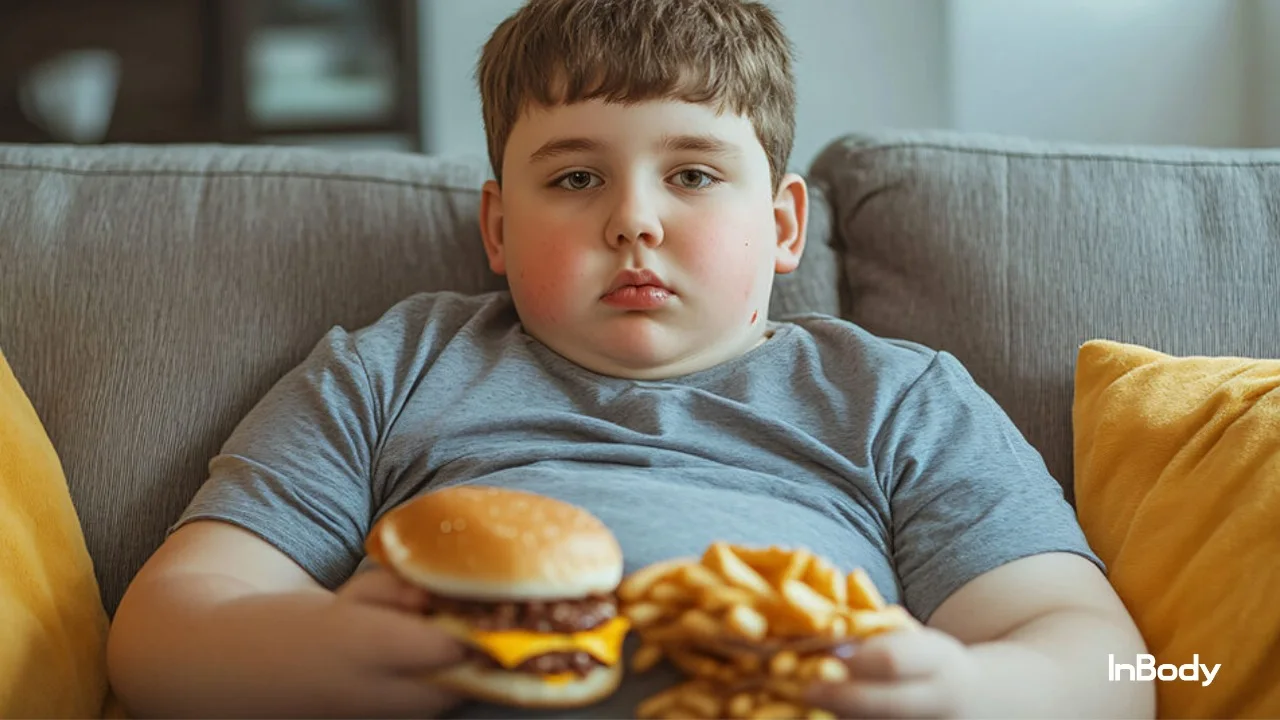
Globally, childhood obesity is quickly becoming one of the most important public health concerns. According to the World Health Organization (WHO), over 39 million children under 5 years of age were overweight or obese in 2020 a number that’s only expected to rise. This is not about weight; it is about a child’s long-term physical, emotional, and social health. Understanding the early signs of childhood obesity and taking timely action can change the course of a child’s life.
What Is Childhood Obesity?
Childhood obesity isn’t just about a kid weighing more than their peers it’s about having too much body fat in a way that can actually affect their health. It’s more than just “baby fat” that kids usually grow out of. When the fat sticks around and keeps increasing, especially as they grow older, it becomes a real concern.
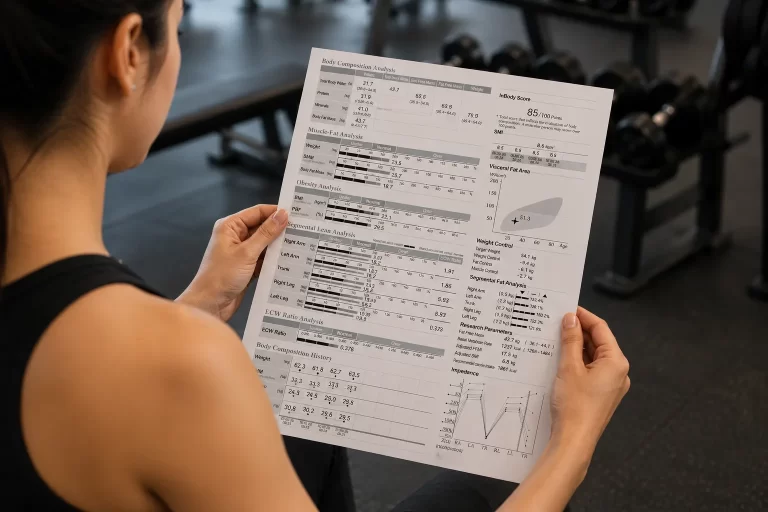
And here’s the thing,, the number on the scale doesn’t tell the full story. A child could be gaining weight as part of normal growth, or they could be gaining excess fat. Standard weighing machines can’t tell the difference, but body composition analysis can. That’s where you get a clearer picture of what’s going on inside not just weight, but what that weight is made of.
Early Signs That Might Signal a Problem
Catching the signs of unhealthy weight gain early can make a big difference in a child’s long-term health, both physically and emotionally. It’s not always about how a child looks, but how they feel, how they move, and how their body is changing over time.
Here are a few things that could raise red flags:
You might notice your child’s weight going up more quickly than their height, like their clothes suddenly stop fitting right, or they’ve outgrown a size faster than usual. Sometimes, even simple activities like walking or playing tag leave them tired or winded. That’s not typical for most active kids.
Some children also start to complain of aches and pains, especially in the lower back or knees, which might seem odd for their age. In a few cases, you may even spot darker, velvety patches of skin around the neck or underarms. That condition (called acanthosis nigricans) can be linked to insulin resistance, which is a warning sign for metabolic issues.
There can also be emotional signs: maybe they’re pulling back from sports, skipping out on social activities, or feeling embarrassed during gym class. Low energy, trouble focusing, or even sleep issues can also be tied in.
These aren’t things to panic about, but they are worth paying attention to.
The Risks of Ignoring Childhood Obesity
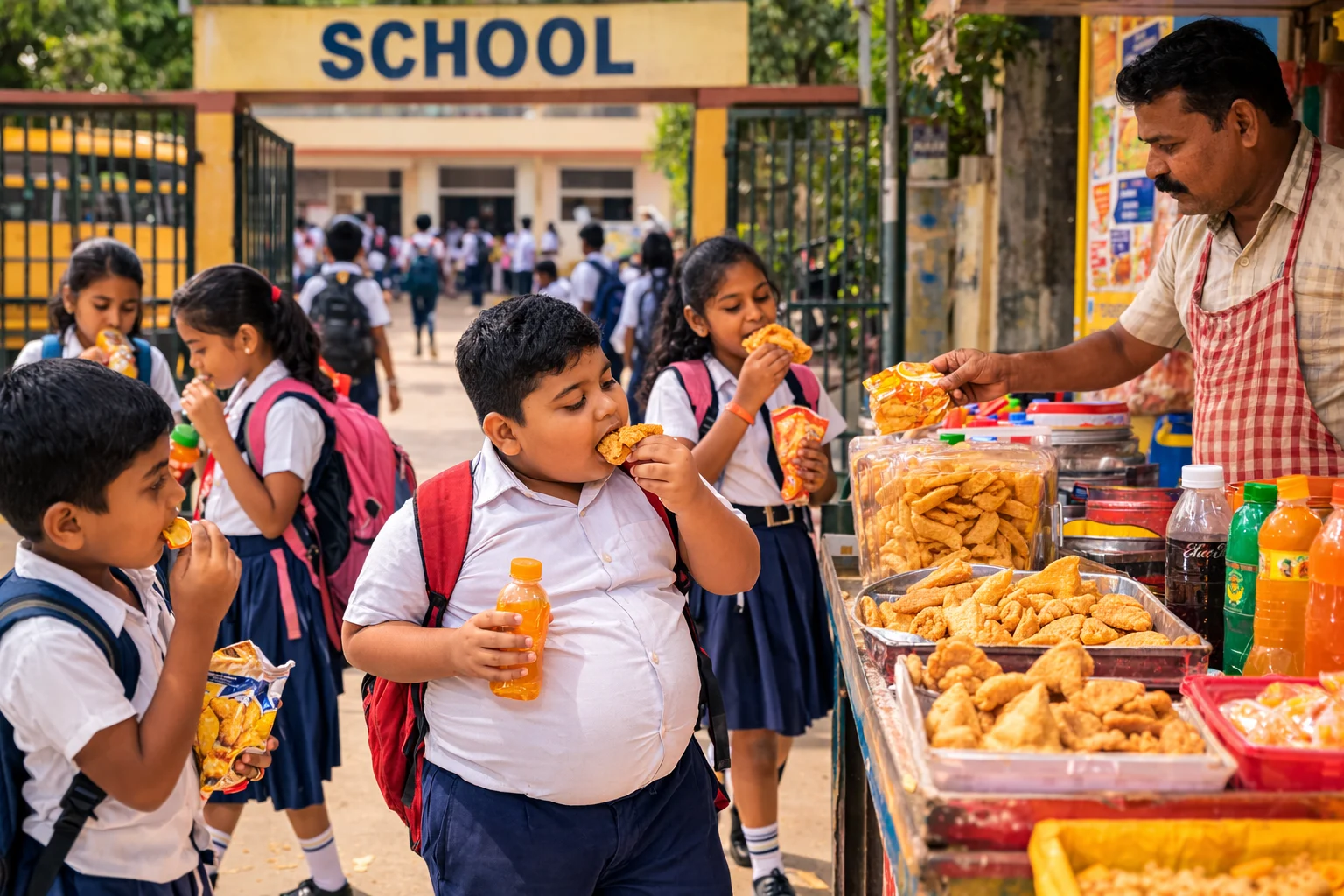
This isn’t just about a kid being “a little chubby” or outgrowing their jeans too fast. The effects run way deeper than what you see.
For starters, we’re seeing more kids being diagnosed with type 2 diabetes, yeah, the one that used to be called “adult-onset.” It’s showing up in elementary school kids now. That alone should make people pay attention.
Then there’s blood pressure and cholesterol. Sounds wild to even say that about kids, right? But it’s happening. Their little hearts are already working harder than they should be.
Sleep? Also, a problem. Sleep apnea is more common than you’d think in overweight kids. It messes with their rest, their focus in class, their energy, all of it.
And something no one talks about enough: fatty liver disease. A lot of parents have no idea that extra body fat can affect the liver this early. But it can. And it does.
On top of all that, weight can mess with hormones, too. Some kids start puberty earlier than normal, while others have delayed development. It’s confusing, frustrating, and scary for the kids and for the parents.
Mental & Emotional Struggles Kids Face
Being overweight as a kid isn’t just a physical thing; it hits emotionally, too.
Some kids feel left out or embarrassed during sports or group stuff. That can really chip away at their confidence. Others might get teased, and it sticks. Over time, they start pulling back, skipping games, avoiding friends, and not feeling like themselves.
It’s not just a phase. Many of these struggles can carry into adulthood if we don’t step in with support early.
How to Intervene Effectively: Practical Strategies
The upside is that kids are still growing, and they adapt fast. The sooner we step in, the easier it is to build healthy habits that stick.
1. Start With a Body Composition Analysis
One smart place to start? Body composition testing. Instead of just checking weight, tools like InBody show how much of the body is fat, muscle, or even deep belly fat. That info helps parents and doctors make better choices for the child’s health without guessing.
2. Make Physical Activity Fun, Not Forced
Kids don’t need treadmills they need to play.
Let them run around outside, ride a bike, swim, dance, whatever gets them moving and smiling. Keep screen time in check (an hour or two a day is plenty), and if they like groups, try signing them up for a sport or martial arts class. Staying active should feel like fun, not punishment.
3. Shift the Whole Family’s Food Habits
Don’t single the child out; make it a family thing.
Swap the chips for fruits, nuts, or yogurt. Cut back on fried or packaged stuff. Let your kid help plan meals or shop, they’ll feel more involved and learn what’s on their plate.
No need to label foods “bad”, just talk about balance. It’s not about strict diets. It’s about better choices, together.
4. Be a Role Model
Kids copy what they see, not what you say. If you’re snacking on fruit, going for a walk, or not stressing over food, they’ll pick up on that. You don’t need to lecture them, do it together.
5. Help how they feel, not just how they look
Some kids feel left out or judged, and that hurts more than the weight itself. Don’t make it about looking a certain way. Cheer them on for trying even small stuff like joining a game or choosing water. And if they seem sad or distant, talk to someone. Mental health matters too.
Prevention Is Better Than Treatment
Childhood obesity isn’t just about food or numbers on a scale it’s bigger than that. But the good news? It can be turned around.
It starts with small changes. Moving more. Eating smarter. Having honest talks, not lectures. And most of all, making kids feel seen and supported, not judged.
They don’t just need to “lose weight.” They need to feel strong. Confident. Like their body can do cool things. And that kind of change? It starts at home with us.
References
- Amisi, C. A., Tchankou, C., Omole, J., & Alloh, F. T. (2022). Markers of insulin resistance in polycystic ovary syndrome. Frontiers in Endocrinology, 13, 867875.
- Jena, D., Sahoo, J., Gopalakrishnan, S., Behera, S., & Behera, P. (2018). Study of visceral and subcutaneous abdominal fat in polycystic ovarian syndrome. Journal of Human Reproductive Sciences, 11(3), 253–258.
- Barrea, L., Arnone, A., Annunziata, G., Muscogiuri, G., Laudisio, D., Salzano, C., Pugliese, G., Colao, A., & Savastano, S. (2021). Adherence to the Mediterranean diet, dietary patterns and body composition in women with polycystic ovary syndrome (PCOS)—Journal of Translational Medicine, 19, 372.
- Arpaci, D., Gürkan Tocoğlu, A., Yılmaz, S., Ergün, H., Tamer, A., & Ergün, H. (2015). The relationship between epicardial fat tissue thickness and visceral adipose tissue in lean patients with polycystic ovary syndrome. Journal of Ovarian Research, 8, 71.
- Atakul, T. (2020). Polycystic ovary syndrome in overweight and normal weight women: The relationships with inflammatory markers. Bosphorus Medical Bulletin, 5(3), 124–130.

Find an InBody Scanner Near You

Most trending articles

Healthy Body Composition by Age for Indians: Reference Ranges at 20s, 30s, 40s, 50s+
Body composition reference ranges for Indian men and women by age. Find out if your body fat %, muscle mass, and visceral fat level are healthy for your age and what to do if they're not.
Sarcopenia in India: Why Indians Lose Muscle Faster After 35 (And How to Stop It)
Sarcopenia (age-related muscle loss) hits Indians harder than most populations. Understand the risks, warning signs, and the evidence-based protocol to prevent and reverse it.
How to Read Your InBody Report: Every Number Explained Simply
Your InBody report has 15+ numbers. This guide explains what SMM, PBF, ECW/TBW ratio, visceral fat level, and segmental analysis mean — and what to actually do with each result.