There’s no denying it GLP-1 drugs like Ozempic, Wegovy, and others have completely transformed the weight loss landscape. With so many people now using these medications, the real question becomes: what’s actually happening inside your body when you’re on them? It’s not just about the number on the scale it’s about the type of weight you’re losing and how that impacts your health, strength, and metabolism.
The Good: Fat Loss and Health Boosts
- Big weight loss without extreme dieting
GLP-1 drugs help people lose about 10–20% of their body weight. That’s the kind of result most diet and exercise programs struggle to deliver, especially long-term. - You’re mostly losing fat, especially belly fat.
Most of the weight loss comes from fat, particularly visceral fat, the type that wraps around your organs and raises your risk of diabetes, heart disease, and liver issues. Losing that fat is a massive health win. - Less hunger, fewer cravings
These medications work in the brain to dial down hunger signals and slow how fast food leaves your stomach. As a result, people feel full on much smaller portions, often without obsessing over food all day. - Bonus: Better blood sugar, cholesterol, and blood pressure
On top of weight loss, people usually see improvements in their blood sugar, A1c, triglycerides, cholesterol, and blood pressure. It’s a double win.
The Bad: Muscle Loss and “Skinny Fat” Risk
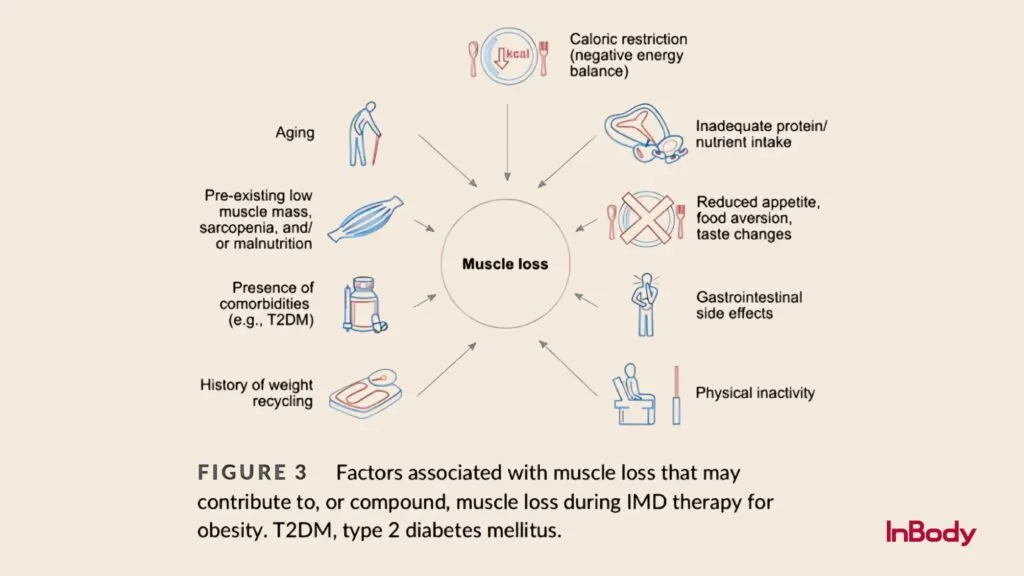
- You’re not just losing fat, you’re losing muscle too
Here’s the catch: about 25–40% of the weight you drop comes from lean mass, meaning muscle and water. That’s a big deal because muscle helps keep you strong, mobile, and metabolically healthy. - The “skinny fat” problem
Without a plan to protect muscle, you can end up lighter on the scale but still have a high body fat percentage, something known as “skinny fat” or normal weight obesity. It doesn’t look or feel healthy. - Slowed metabolism
Muscle burns more calories than fat, even when you’re resting. So, when you lose muscle, your metabolism slows down, which can make it easier to regain weight if you stop the medication.
Simple Protocols to Follow While Taking GLP-1 Medications
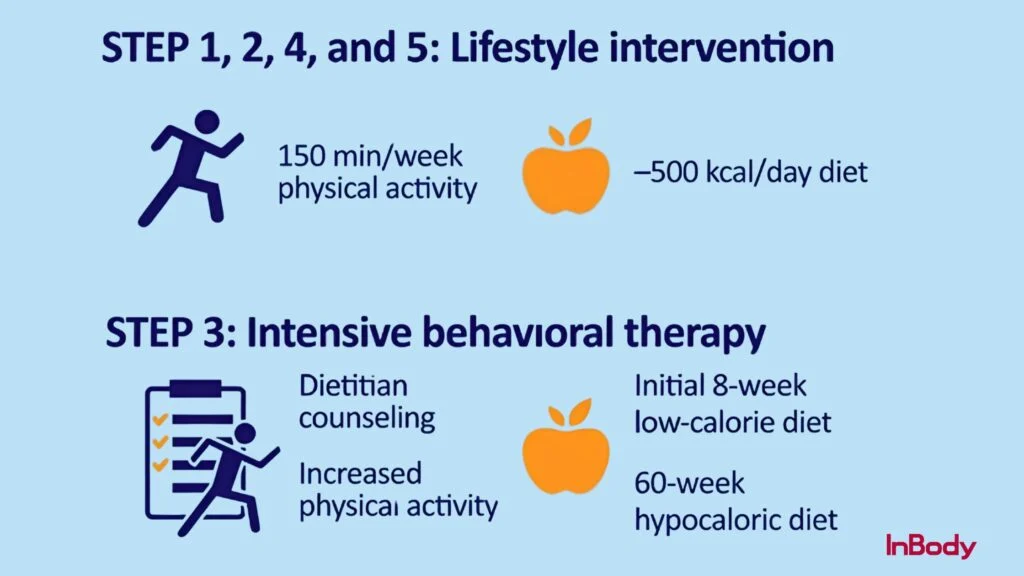
1. Exercise: Aim for 150 minutes of exercise each week.
2. Eat smart: Cut 500 calories a day; focus on balanced, smaller meals.
3. Get support: Work with a dietitian if needed; some may follow a low-calorie plan early on.
4. Take meds right: Follow your doctor’s instructions, don’t change doses on your own.
5. Watch your body: Stay hydrated, limit alcohol, and include strength training to keep muscle.
6. Check in: Keep up with doctor visits to track progress and adjust as needed.
What About Side Effects?
Let’s talk about the downside.
Most common side effects are stomach-related
- Nausea (especially at first)
- Vomiting
- Diarrhea or constipation
- Bloating or stomach pain
The good news? For most people, these settle down after a few weeks. Eating smaller meals and avoiding greasy foods can help.
More serious (but rare) side effects to know:
- Gallbladder problems — like gallstones
- Pancreatitis — dangerous inflammation of the pancreas
- Thyroid concerns — seen in animal studies, unclear in humans.
Important: People with a history of medullary thyroid cancer or MEN2 syndrome should skip these drugs altogether.
Consequences of Abruptly Discontinuing GLP-1RA Therapy
Suddenly stopping the intake of GLP-1 receptor agonist (GLP-1RA) drugs like liraglutide can lead to several negative effects, particularly for individuals with type 2 diabetes. The most immediate consequence is a significant rise in HbA1c levels, indicating poor glycemic control. Patients also tend to regain the weight lost during treatment, as the drug’s effects on appetite suppression and delayed gastric emptying are reversed. Additionally, discontinuation often necessitates increased insulin doses or the use of additional medications to manage blood sugar. There may also be a potential loss of cardiovascular protection, although no direct long-term adverse events like pancreatitis or cancer were reported in the follow-up. Overall, stopping GLP-1RA therapy can undermine the progress made during treatment and complicate diabetes management.
What Recent Research Tells Us
There’s been a wave of solid research on GLP-1 drugs, and here’s the gist:
- Wilding et al., NEJM 2021 (semaglutide): 15% average weight loss, but nearly 40% of that came from lean mass.
- Rosenstock et al., NEJM 2021 (tirzepatide): Up to 20% weight loss, but again, significant muscle loss alongside fat loss.
- Lundgren et al., Lancet 2021: People who stopped semaglutide regained weight, and a lot of the regain was fat, not muscle.
Why You Should Track More Than Just the Scale
Tools like InBody scanners (bioelectrical impedance devices) can break down your weight into fat mass, lean mass, and water. This is crucial because the scale alone doesn’t tell you if you’re losing fat, muscle, or both. Many clinics now offer InBody scans to help track body composition changes during GLP-1 treatment.
How to Hold onto Muscle While You Lose Fat
If you’re on a GLP-1, here’s how to keep your muscle
1.Eat plenty of protein — about 1.2–1.6 grams per kg of body weight daily (so ~85–110 g/day for most people).
2.Lift weights 2–4 times a week — focus on big movements like squats, rows, presses, and deadlifts.
3.Stay active — walk daily, do some cardio, and avoid being sedentary.
4.Monitor body composition — use an InBody or DEXA scan every few months.
The Bottom Line
GLP-1 drugs are significant changes for weight loss no question. But they’re not magic. Without the right strategy, you risk losing muscle, slowing your metabolism, and ending up with worse body composition than you think.
The goal shouldn’t just be weight loss; it should be fat loss with muscle preservation for a healthier, stronger body.