
Health 7 min read
Obesity & Cardiovascular Disease: The Connection You Need to Know
Obesity affects millions of people worldwide. Most people know that it leads to many health problems, yet they still struggle to overcome it. Understanding the link between obesity…
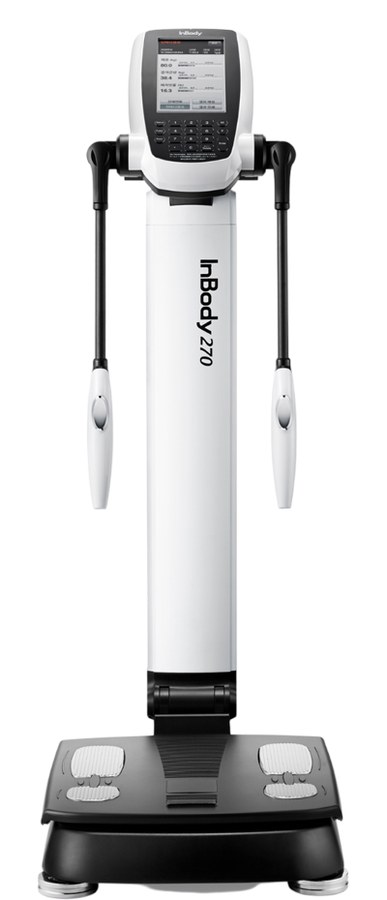
Reading about body composition? Find an InBody test centre near you →
Obesity affects millions of people worldwide. Most people know that it leads to many health problems, yet they still struggle to overcome it. Understanding the link between obesity and these conditions is important, as they can seriously impact overall health. One major concern is cardiovascular disease. Let’s explore this further.
What is Obesity?
Healthcare professionals generally measure obesity using BMI (Body Mass Index). They calculate BMI using a person’s height and weight. If an individual has a BMI of 30 or above, doctors consider that person obese. However, it is important to understand that BMI does not diagnose a condition. Instead, it only serves as a screening tool.

Causes of Obesity
- Unhealthy Eating Habits: Unhealthy eating habits are a major factor in fat gain. This includes overeating, consumption of processed foods, skipping meals, eating late at night, eating too fast, and stress eating. These affect the eating pattern of an individual on unhealthy grounds.
- Physical Inactivity: Even if a person is eating healthily, it will still be a contributing factor towards fat gain. Physical activities help in converting fat into energy, hence resulting in the breakdown of fat molecules. A physically inactive person will only store this energy inside and never use it resulting in gaining unhealthy lifestyle.
- Genetics: Genetics plays a vital role in body composition. A person will be on the verge of obesity if he/she has a family history of obesity or is overweight.
- Metabolic Factors: Metabolism is another factor that decides the body structure and body composition of an individual. If an individual has a high-calorie intake but has a low metabolism, it will result in fat gain as the body will not be able to convert the fat into energy.
What is cardiovascular disease?
Cardiovascular disease is a broad term. It is nothing but dysfunction of the heart and blood vessels. Cardiovascular disease or CVD of many types namely coronary artery disease (CAD), Heart Failure, Stroke, Peripheral Artery Disease (PAD), Hypertension (High Blood Pressure), and Arrhythmias.
- Coronary Artery Disease: Coronary Artery Disease is caused by the deposition of fat, cholesterol, and other substances on the artery wall which increases blood pressure and develops a chance of heart attack. Due to obesity, the treatment of coronary artery disease becomes complicated.
- Heart Failure: Due to excessive fat content in the body causes the heart to stress more. The heart works more on pumping blood on each beat which leads to hypertrophy and eventually heart failure.
- Stroke: Obesity is known to increase the chances of stroke by 64% because of the high amount of fat content in the body. When an individual has too much fat, problems like high blood pressure, type-2 diabetes, high cholesterol, and heart disease lead to stroke.
- Peripheral Artery Disease (PAD): A plaque of fat around the artery causes tension to the artery leading to reduced blood flow. This condition is known as atherosclerosis. Arteries throughout the body are affected in this condition.
- Hypertension (High Blood Pressure): Hypertension is caused by increased visceral adiposity which accounts for around 70% risk in humans for hypertension. Due to excessive deposit of fat, blood flow gets obstructed resulting in increased blood pressure.
- Arrhythmias: Heart arrhythmia is a condition in which the heartbeat becomes irregular. This is caused by excessive deposit of body fat around the abdominal area which increases blood pressure.
Preventive Methods
There are many preventive techniques that an individual can practice to prevent cardiovascular disease. Below is the list of preventive methods:
- Healthy diet
- Regular Physical Exercise
- Weight Management
- Regular Health Screening
- Stress Management
- Adequate Sleep
- Avoiding Tobacco and Limiting Alcohol
The connection between cardiovascular disease (CVD) and obesity is something every individual should know. Most of the diseases are caused by due to excessive fat content in an individual’s body. Due to obesity, many types of cardiovascular diseases such as coronary heart disease (CAD), heart failure, stroke, peripheral artery disease, hypertension (high blood pressure), and arrhythmias. Obesity should be addressed at the very initial stage to tackle health issues that are associated with it. This enables doctors and dieticians to plan out a course of action for the patient based on the results achieved. Hence, one should always take preventive steps towards obesity as it helps in reducing cardiovascular diseases and improve overall health quality.
Frequently Asked Questions
Q. Can losing just a small amount of weight actually help my heart?
Yes. Research shows that losing even 5% to 10% of your total body weight can significantly reduce your blood pressure, improve cholesterol levels, and decrease the inflammatory markers that damage your heart.
Q. Why does obesity often lead to “Silent” heart disease?
Many individuals with obesity may feel fine for years while their arteries are slowly narrowing and their heart muscle is thickening. Because there are often no outward symptoms until a major event occurs, it is referred to as a silent risk.
Q. Is “Skinny Fat” just as dangerous for the heart as being visibly obese?
It can be. A person with a normal BMI but high levels of visceral fat (internal fat) faces many of the same cardiovascular risks as a person who is visibly overweight. The internal fat still triggers inflammation and arterial damage.
Q. How does sleep apnea, caused by obesity, affect the heart?
Obesity is a leading cause of obstructive sleep apnea. The repeated drops in oxygen levels during sleep cause sudden spikes in blood pressure and strain the cardiovascular system, which can lead to irregular heartbeats (arrhythmias).
Q. How does an InBody scan provide better heart risk data than a scale?
A scale only shows your total weight, but an InBody scan measures Visceral Fat Level and Waist-to-Hip Ratio. These specific metrics are much more closely correlated with cardiovascular disease risk than total body weight alone.
Key Takeaways
- The Structural Burden: Excessive body mass forces the heart to work significantly harder to pump blood throughout the body. Over time, this extra strain leads to the thickening of the heart muscle (hypertrophy), which can eventually result in heart failure.
- The Arterial “Plumbing” Issue: Obesity is directly linked to high levels of LDL (bad cholesterol) and triglycerides. These substances create plaque buildup in the arteries (atherosclerosis), narrowing the pathways for blood flow and increasing the risk of heart attacks.
- The Inflammation Factor: Adipose tissue (fat) is not just stored energy; it is an active endocrine organ that releases inflammatory chemicals. This chronic, low-grade inflammation damages the lining of the blood vessels and promotes blood clots.
- The Hypertension Connection: Higher body fat levels increase the amount of salt and water the kidneys retain, which directly raises blood pressure. Hypertension is a leading cause of stroke and coronary artery disease.
- The Visceral Fat Risk: The blog emphasizes that fat stored around the internal organs (visceral fat) is far more predictive of heart disease than subcutaneous fat (fat under the skin). Measuring this specific fat type is crucial for an accurate risk assessment.
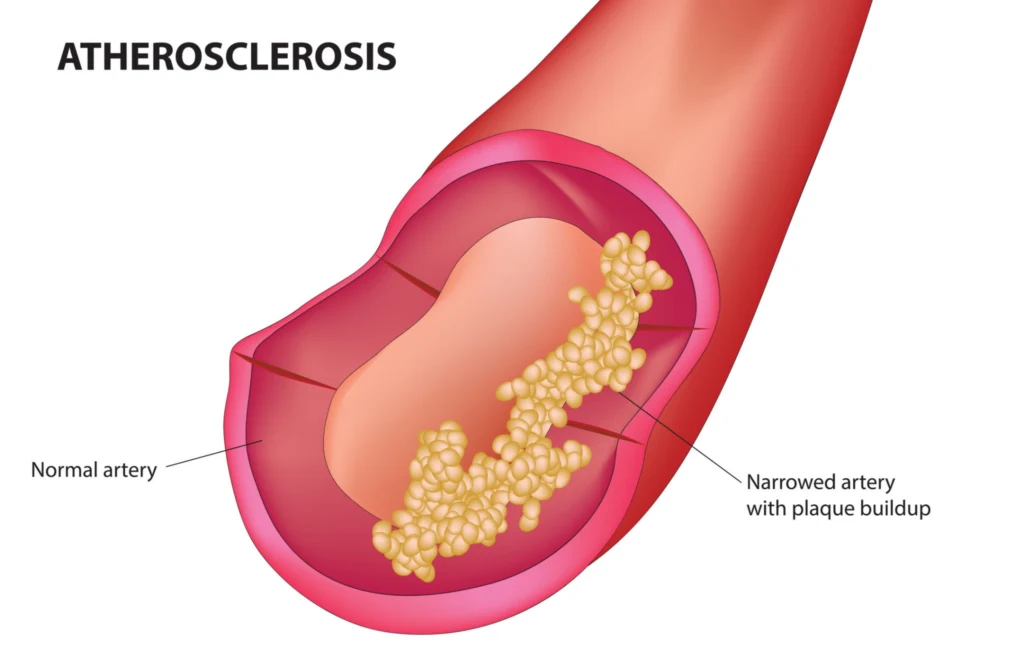
This diagram illustrates atherosclerosis, a condition where arteries harden and narrow due to the buildup of plaque. It shows a cross-section of an artery, comparing a normal, healthy artery with one affected by atherosclerosis. The diagram clearly labels the key components, providing a visual representation of how this disease progresses and its impact on blood flow.

Find an InBody Scanner Near You
References & Further Reading
- PMC 2021. Association of Body Composition with T2DM: InBody 770 retrospective chart review, n=2,404. PMC8122668.
- Scientific Reports 2019. Body Composition using DEXA and T2DM: Systematic Review and Meta-Analysis — VFM odds ratios. Nature.
- Signal Transduction and Targeted Therapy 2025. Molecular signatures of skeletal muscle insulin resistance in T2DM. Nature 2025;10:320.
- World Journal of Diabetes 2024. Body composition and metabolic syndrome in T1DM — VFI, skeletal muscle mass, and insulin resistance. WJD 2024;15(1):81–91.
- PMC 2025. BMI and glycaemic control in T2DM — cross-sectional study, n=200, HbA1c correlation. PMC11853989.
- InBody BWA. Diabetes Application — clinical use of InBody for T2DM screening and management. inbodybwa.com.
- Kalra S et al. Indian Consensus on Sarcopenia including T2DM sarcopenic obesity. Int J Gen Med. 2025;18:1731–1745.
- Reviews in Endocrine and Metabolic Disorders 2025. Skeletal muscle atrophy and dysfunction in obesity and T2DM — myocellular mechanisms. Springer Nature.
