
Medical 8 min read
Menopause, Brain Health & Bone Strength: What Women Need to Know
Menopause is a phase every woman goes through, but it is often discussed only in terms of hot flashes, mood swings, and weight gain. What is less talked…
Reading about body composition? Find an InBody test centre near you →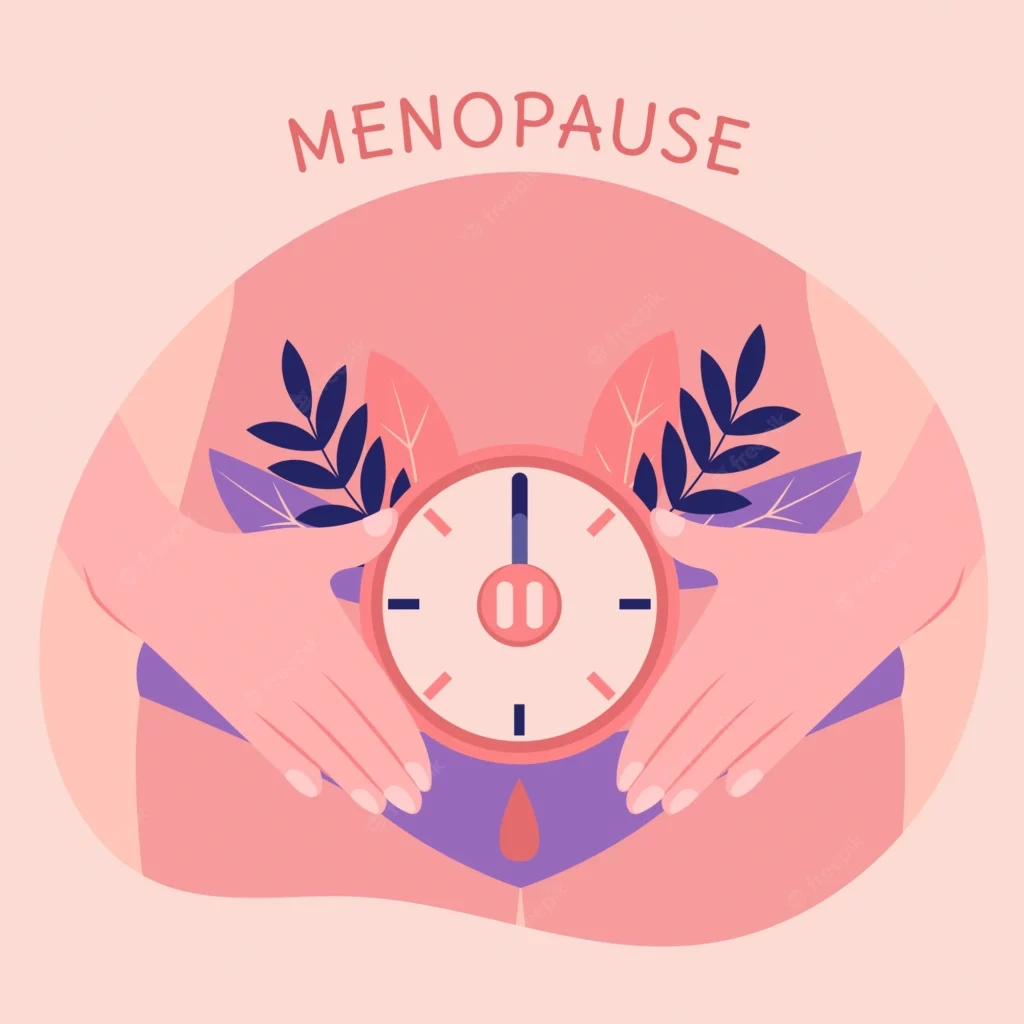
Menopause is a phase every woman goes through, but it is often discussed only in terms of hot flashes, mood swings, and weight gain. What is less talked about but just as important is how menopause affects brain health and raises the risk of osteoporosis. Understanding this connection helps women take early action to protect both their mind and body.
The reality is that bones and brains are more connected than most people realise. As estrogen levels decline, memory can feel foggy, and bones become weaker and more prone to fractures. Below, we explore exactly how menopause, brain function, and bone health are linked and what you can do to keep both in top shape.
Why Does Menopause Affect Both the Brain and Bones?
The key player in all of this is estrogen. This hormone does far more than regulate the menstrual cycle; it actively protects brain tissue and maintains bone density throughout a woman’s life. When menopause triggers a sharp decline in estrogen, the effects are felt across multiple body systems simultaneously.
Understanding how estrogen functions in both the brain and the skeleton makes it far easier to take targeted preventive action at the right time.

1. How Estrogen Protects the Brain
Estrogen helps regulate the neurotransmitters, the chemical messengers that carry signals throughout the brain. These chemicals are essential for mood regulation, memory formation, and the ability to concentrate. When estrogen levels drop during menopause, many women experience:
- Persistent forgetfulness and difficulty recalling names or words
- Brain fog: A feeling of mental haziness or slowed thinking
- Trouble concentrating for extended periods
- Increased anxiety and mood instability
- Disrupted sleep, which further impairs cognitive performance
Estrogen also plays a role in neuroplasticity, the brain’s ability to form new connections and adapt over time. A drop in this hormone can therefore affect long-term cognitive function and potentially raise the risk of cognitive decline in later years.
2. How Estrogen Keeps Bones Strong
Estrogen plays a central role in bone maintenance by regulating the balance between osteoblasts (cells that build new bone) and osteoclasts (cells that break old bone down). When estrogen is present at healthy levels, this process stays in balance.
Estrogen acts as a brake on bone loss. Once it declines, bones start breaking down faster than they rebuild, increasing the risk of osteoporosis.— Dr Felicia Cosman, Osteoporosis Specialist
- 20% of bone density can be lost in just the first few years after menopause, dramatically raising the risk of fractures and long-term skeletal complications.
- This bone loss is most rapid in the first three to five years following the final menstrual period. The hips, spine, and wrists are most commonly affected. A fracture in any of these areas can significantly reduce mobility and quality of life.
Estrogen’s Role in Brain Health Across Three Life Stages
Estrogen’s influence on the brain changes significantly as a woman moves through different hormonal phases. Understanding each stage helps anticipate and manage the cognitive shifts that accompany menopause and brain health changes.
Stage 1: Menstruation
- Estrogen levels are sufficient
- Optimal synaptic plasticity
- Strong energy metabolism
- Full cognitive function
- Active neuroprotection
Stage 2: Perimenopause
- Estrogen begins to fall
- Changes in brain regions
- Unbalanced neurotransmitters
- Short-term memory loss
- Mood swings begin
Stage 3: Menopause
- Estrogen levels plummet
- Hot flashes & night sweats
- Significant memory loss
- Higher cognitive decline risk
- Accelerated bone loss
How to Keep Your Brain and Bones Healthy Post-Menopause
As estrogen levels drop during menopause, both bone density and mental sharpness are commonly affected. The encouraging news is that with the right lifestyle adjustments, you can actively support both your body and mind as you age. Here are four evidence-based strategies.
Strategy 01: Stay Active
Strength training and weight-bearing exercise build bone density and improve blood flow to the brain.
Strategy 02: Eat Smart
Calcium, vitamin D, and omega-3s nourish bones and protect brain cells from inflammation.
Strategy 03: Manage Stress
Chronic cortisol weakens bones and impairs memory. Prioritise sleep and relaxation daily.
Strategy 04: Explore HRT
Hormone therapy and targeted supplements may help. Always consult your doctor first.
1. Keep Moving It Works Wonders for Bone and Brain Health
Staying physically active is one of the most powerful ways to protect your health after menopause. Strength training with weights, resistance bands, or bodyweight exercises not only tones muscles but also stimulates bone tissue formation by placing healthy mechanical stress on the skeleton.

Not a fan of the gym? Brisk walking, dancing, gardening, swimming, or simply taking the stairs make a real difference. Movement also improves blood flow to the brain, supporting memory, focus, and mood that are all impacted by declining estrogen.
Aim for at least 150 minutes of moderate-intensity activity per week, combined with two or more strength-training sessions. Balance exercises such as yoga or tai chi are especially valuable for reducing fall risk.
2. Eat Foods That Nourish Your Brain and Bones
What you eat directly influences how well your body maintains bone density and brain function after menopause. A targeted nutritional strategy makes a significant, measurable difference over time.

Key Nutrients for Post-Menopausal Bone and Brain Health
- Calcium is the primary building block of bone. It is found in dairy products, leafy greens such as kale and broccoli, almonds, and fortified plant milks. Post-menopausal women typically need 1,200 mg daily.
- Vitamin D enables the body to absorb calcium properly. It is produced through sunlight exposure and found in salmon, mackerel, egg yolks, and fortified foods. A daily supplement is often recommended in low-sunlight climates.
- Omega-3 fatty acids, found in oily fish, flaxseeds, and walnuts, support brain cell health and reduce inflammation, a key driver of both cognitive decline and bone degradation.
- Magnesium is essential for bone mineralisation and plays a role in mood regulation and sleep quality. Good sources include nuts, seeds, whole grains, and dark leafy greens.
3. Prioritise Sleep and Keep Stress in Check
When you are chronically stressed or sleep-deprived, it has measurable effects on both your bone health and brain function. Elevated cortisol over extended periods actively inhibits bone-building cells and disrupts the brain’s memory consolidation processes during sleep.

Practical habits that support both bone and brain health include:
- Deep breathing exercises for five to ten minutes daily to calm the nervous system
- Journaling before bed to process emotions and reduce mental clutter
- Yoga or gentle stretching to combine movement with mindfulness
- Consistent sleep hygiene, a regular bedtime, a cool, dark room, and limiting screens before sleep
Aim for seven to nine hours of quality sleep each night. This is when the brain clears waste products linked to cognitive decline, and when bones carry out essential repair processes.
4. Explore Hormone Support Options
Some women find that hormone replacement therapy (HRT) provides significant relief from the bone loss and brain fog associated with menopause. HRT can restore estrogen to levels that protect brain tissue and slow bone breakdown. However, it carries its own risk profile and should always be discussed with a qualified healthcare provider.

Natural Supplement Options to Consider
For women preferring non-pharmaceutical approaches, the following are commonly used to support bone health and hormonal balance after menopause:
- Vitamin K2 helps direct calcium into bones rather than soft tissues
- Magnesium glycinate supports bone mineralisation and sleep quality simultaneously
- Black cohosh, a plant-based remedy traditionally used to ease hormonal fluctuations
- Phytoestrogens (soy, flaxseeds, red clover) are plant compounds that may weakly mimic estrogen’s protective effects
Always consult a doctor or registered dietitian before starting any new supplement regimen, as interactions with medications vary significantly.
People Also Ask
Q. Can menopause cause brain lesions?
Menopause does not directly cause brain lesions, but the drop in estrogen can meaningfully affect brain health. It may increase the risk of conditions such as stroke or white matter changes, which can lead to lesions. Most cognitive symptoms — such as brain fog and memory difficulties — are functional rather than structural. If unusual or severe neurological symptoms occur, brain imaging should be discussed with a physician.
Q. What is the best natural remedy for osteoporosis after menopause?
A combination of weight-bearing exercise and strength training, paired with a diet rich in calcium and vitamin D, forms the most effective natural foundation for preventing post-menopausal osteoporosis. Lifestyle changes such as quitting smoking and reducing alcohol intake further protect bone density. Supplements like vitamin K2 and magnesium can complement these efforts under medical guidance.
Final Thoughts: Take Charge of Your Health Post-Menopause
Menopause brings significant hormonal changes, but memory loss and fragile bones do not have to be inevitable features of ageing. With the right lifestyle habits, regular exercise, smart nutrition, quality sleep, effective stress management, and appropriate medical support, you can remain strong, mentally sharp, and energetic well into your later years.
Your Post-Menopause Action Plan
- Move your body, lift weights, walk regularly, and practise balance exercises to protect both bones and brain function simultaneously.
- Eat strategically, prioritise calcium, vitamin D, omega-3s, and magnesium to support bone density and cognitive health at every meal.
- Manage stress and sleep. Deep breathing, yoga, and consistent sleep hygiene reduce cortisol and support overnight tissue repair.
- Explore HRT or supplements. Consult a healthcare provider to determine whether hormone therapy or targeted supplementation suits your situation.
- Getting regular screenings, bone density scans (DEXA), and cognitive assessments allows early detection before problems worsen.
The connection between menopause, brain health, and osteoporosis is clear: estrogen decline touches the entire body. But knowledge is power. By acting early and consistently, you can significantly reduce the impact of these changes.
What is one thing you are doing to stay healthy post-menopause? Share your experience in the comments below.
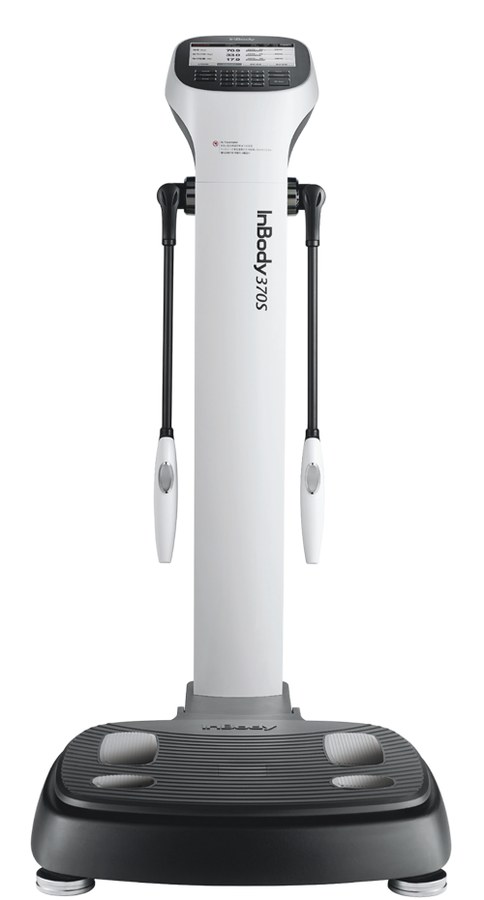
Track Your Body Composition Today
Use InBody’s advanced analysis to monitor muscle mass, bone, and fat levels, giving you data-driven insights to guide your post-menopause health journey.


Most trending articles
Diabetes और Body Composition का संबंध: Testing क्यों ज़रूरी है
सामान्य वज़न वाले भारतीयों में भी डायबिटीज़ का खतरा क्यों होता है, visceral fat का क्या रोल है, और body composition testing डायबिटीज़ केयर में क्या जोड़ता है।
DEXA Scan in India: Cost, Availability and When You Need One
For bone density, DEXA is the only option. For tracking muscle and fat it is often the wrong tool. Honest comparison vs BIA, plus India availability.
Body Composition Analyzer for Hospitals: Clinical Spec Guide
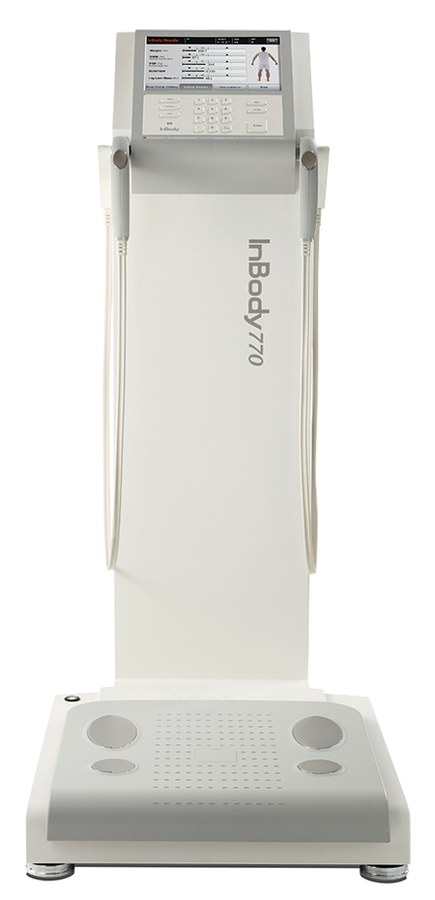
Phase Angle, ECW/TBW and visceral fat area separate clinical from fitness devices. Department-wise outputs plus a 12-point tender specification.