
Body Composition 12 min read
Body Recomposition: How to Build Muscle and Lose Fat at the Same Time
You can train consistently and eat enough protein, yet still fail to build muscle. The reason may be invisible on the scale. It may not show up in…
Reading about body composition? Find an InBody test centre near you →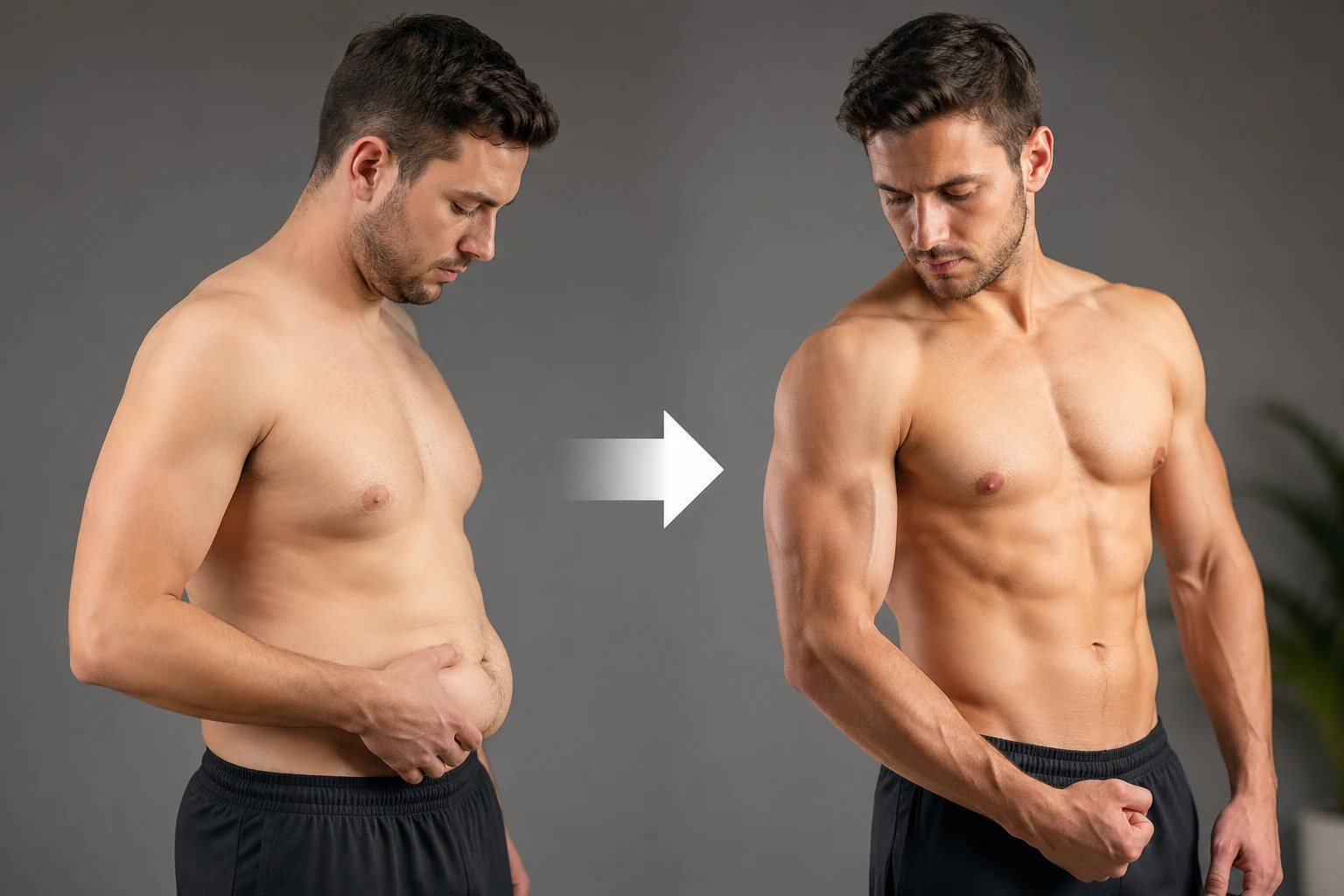
You can train consistently and eat enough protein, yet still fail to build muscle. The reason may be invisible on the scale. It may not show up in your BMI. Meanwhile, it can silently increase even while your fitness tracker says everything is on track. Hidden body fat,, particularly visceral fat and intramuscular fat does not just sit passively in your body. It actively works against muscle growth through a cascade of biochemical mechanisms.
These processes suppress protein synthesis and increase insulin resistance.
They also disrupt anabolic hormones and infiltrate muscle tissue.
This is the clinical reality of sarcopenic obesity, one of the most dangerous and underdiagnosed body composition phenotypes in India.
A person can carry high visceral and intramuscular fat while appearing lean and maintaining a “healthy” BMI. Meanwhile, hidden fat is destroying the metabolic environment that muscle growth requires. This article explains 7 key mechanisms through which hidden fat blocks muscle growth.
It also shows how InBody analysis detects these risks early.
| ↑VFA predicts ↓SMM Prospective KSOS study confirmed baseline visceral fat area directly predicted future skeletal muscle mass decline over 27.6 months in both men and women (PLOS ONE) | 6x Higher odds of low appendicular skeletal muscle mass in Asian Indians with T2DM vs those without the sarcopenic obesity phenotype in India (Indian Consensus Sarcopenia 2025) | 80% Of insulin-stimulated glucose uptake handled by skeletal muscle the anabolic system most directly destroyed by fat-driven insulin resistance | 60 sec Time for InBody to deliver visceral fat level, body fat %, skeletal muscle mass, phase angle and ECW/TBW the complete fat-muscle picture |
Why Your Scale and BMI Cannot See This Problem
The scale measures one number: total mass. It cannot distinguish fat from muscle. BMI cannot detect visceral fat, intramuscular fat, or segmental fat distribution.
A person may have 34% body fat, Visceral Fat Level 12, and low muscle mass yet still show a normal BMI of 23.5.
The Indian thin-fat phenotype makes this problem especially severe. Asian populations tend to have higher body fat at the same BMI compared to Western populations.
This often includes more visceral fat and lower muscle mass.
As a result, individuals may train hard but remain in a fat-driven inflammatory state that blocks muscle growth.
THE SCALE TRAP FOR MUSCLE BUILDERS
The Korean Sarcopenic Obesity Study (KSOS) prospectively followed 379 adults for 27.6 months. Even without changes in weight or BMI, muscle mass can decline. At the same time, trunk and total fat mass may increase in both men and women. Weight stability is not body composition stability. Without InBody analysis, these changes remain invisible. By the time they are detected clinically, significant muscle loss has already occurred. Learn more about why BMI and weight miss body composition changes.

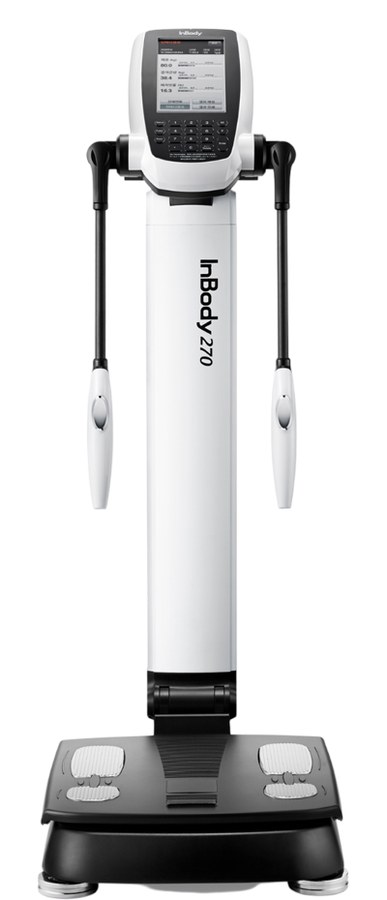
Mistake 1: Ignoring Visceral Fat: The Inflammatory Engine Destroying Muscle Protein Synthesis
Visceral fat is not metabolically passive. It is an endocrine organ that secretes tumour necrosis factor-alpha (TNF-α), interleukin-6 (IL-6), leptin, and adiponectin in dysregulated proportions. Inflammatory markers like TNF-α and IL-6 directly damage muscle. They increase protein breakdown and suppress muscle-building pathways like mTOR.
The 2025 Journal of Cachexia, Sarcopenia and Muscle review confirmed that visceral fat disrupts key metabolic signals. Adipokines such as TNF-α, IL-6, leptin, and adiponectin worsen insulin resistance and hormone balance. Studies also show that higher visceral fat predicts future muscle loss.
CLINICAL IMPLICATION
If visceral fat is elevated, muscle-building is fighting an active biochemical adversary, not a neutral environment. A person with high visceral fat trains in a chronic inflammatory state. This environment suppresses muscle-building signals. InBody helps identify this and sets a clear target: reduce visceral fat first.
Mistake 2: Underestimating Insulin Resistance: The Anabolic Blocker Hidden in Body Fat
Insulin is a pivotal anabolic signal. After exercise, insulin helps muscles absorb amino acids and build protein. It also reduces breakdown and restores glycogen. When excess visceral and intramuscular fat drives insulin resistance, all of these anabolic mechanisms are impaired simultaneously. The muscle-building signal of a resistance training session is partially blocked before it can reach the muscle cell.
Skeletal muscle handles approximately 80% of insulin-stimulated glucose uptake. With insulin resistance, this process weakens. Muscles respond poorly to protein intake, reducing muscle growth despite proper nutrition. Excess body fat is effectively taxing the returns on every gram of protein consumed and every resistance training session completed.
KEY INSIGHT
The Frontiers in Endocrinology 2020 review confirmed that insulin resistance is a key link between obesity and sarcopenia. Fat inside muscle cells disrupts signalling and causes cellular stress. InBody metrics like ECW/TBW ratio and phase angle help detect these changes.
Mistake 3: Missing the Hormonal Disruption That Comes With Excess Fat
Visceral fat disrupts major anabolic hormones. These include growth hormone, testosterone, and IGF-1. Each disruption independently impairs muscle protein synthesis, muscle satellite cell activation, and muscle fibre hypertrophy.
Elevated visceral fat suppresses GH secretion by increasing circulating free fatty acids that directly inhibit GH pulse amplitude. IL-6 from visceral fat drives inflammation that suppresses testosterone production at the hypothalamic-pituitary-gonadal axis. Inflammation further reduces IGF-1 activity. This weakens the body’s ability to build muscle. Research confirms this contributes to frailty and age-related muscle loss.
THE HORMONAL IMPLICATIONS FOR INDIAN FITNESS AND CLINICAL SETTINGS
In India, hormonal issues are often tested through blood reports. However, the underlying visceral fat is rarely measured. InBody identifies this root cause and explains poor muscle growth outcomes.
Mistake 4: Overlooking Myosteatosis: Fat Infiltrating the Muscle Itself
Myosteatosis, fat infiltration into and between skeletal muscle fibres, is a major yet under-discussed consequence of excess body fat. When lipid accumulates within muscle tissue as intramuscular and intermuscular fat, it does not just occupy space. It disrupts muscle function through several mechanisms, including impaired mitochondrial fatty acid oxidation, increased lipolysis, oxidative stress, and lipotoxic damage to insulin signalling.
A 2025 Journal of Cachexia, Sarcopenia and Muscle review confirmed that intracellular lipid droplets disrupt muscle physiology. Their impact depends on size, location, and structure. A Frontiers in Endocrinology review reported reduced mitochondrial function, higher oxidative stress, and lower muscle contractility. A 2024 Scientific Reports study showed that sarcopenic obesity patients had the lowest muscle strength levels.
THE MYOSTEATOSIS DETECTION CHALLENGE
Myosteatosis is not visible in routine assessments like weight, gym performance, or blood tests. InBody’s phase angle, a BIA-derived marker of cellular integrity, provides an indirect but validated signal. A declining phase angle, despite stable muscle mass, suggests worsening muscle quality. This distinction is critical for optimising resistance training prescription and dietary intervention.
Mistake 5: Failing to Recognise Sarcopenic Obesity as a Vicious Cycle
Sarcopenic obesity is not a static condition. It is a self-reinforcing vicious cycle. Visceral fat accumulation drives the inflammatory and hormonal disruptions that suppress muscle protein synthesis and promote muscle catabolism. As skeletal muscle mass declines, the body’s largest glucose disposal site shrinks. This worsens insulin resistance and promotes further fat accumulation. The fat accumulates further, inflammatory cytokines increase, and inflammation increases; muscle catabolism accelerates. The cycle tightens.
The KSOS prospective study examined whether visceral fat or muscle loss occurs first. It found that visceral fat drives future muscle loss, not the reverse. This means the entry point to breaking this cycle is visceral fat reduction, not just muscle-building exercise in isolation. Resistance training alone is not enough if visceral fat remains high. It is like building muscle in a hostile biochemical environment.
KEY INSIGHT
A Metabolism journal review showed that adipokines and myokines regulate muscle regeneration and metabolism. Excess fat creates inflammation, disrupting this balance. This impairs muscle repair, growth, and satellite cell function. InBody tracking of visceral fat and muscle mass helps monitor this cycle in real time.
Mistake 6: Trusting Weight Loss Without Confirming Muscle Is Being Preserved
This is the mistake that directly sabotages muscle growth through intervention. Caloric restriction alone does not selectively reduce fat. It leads to both fat and muscle loss. The proportion depends on diet, protein intake, training, and hormones. A 2026 Obesity and Endocrinology review showed that incretin therapies can cause 25–40% lean mass loss in some cases.
Clinically, a person losing 8 kg may lose about 2 kg of muscle and 6 kg of fat. Their body weight has decreased, BMI looks better, scale confirms progress. This is critical because muscle drives glucose metabolism and metabolic rate. Losing muscle weakens long-term metabolic health. This is not fat loss success. It is sarcopenic obesity in slow motion. And it is invisible on any standard assessment except InBody.
THE FAT LOSS TRAP AND HOW INBODY PREVENTS IT
The only way to confirm fat loss while preserving muscle is to measure both regularly. InBody tracks body fat percentage and skeletal muscle mass at every scan. This helps professionals ensure effective and safe fat loss. Without this data, “successful” weight loss may be actively worsening the sarcopenic obesity phenotype it was intended to reverse.
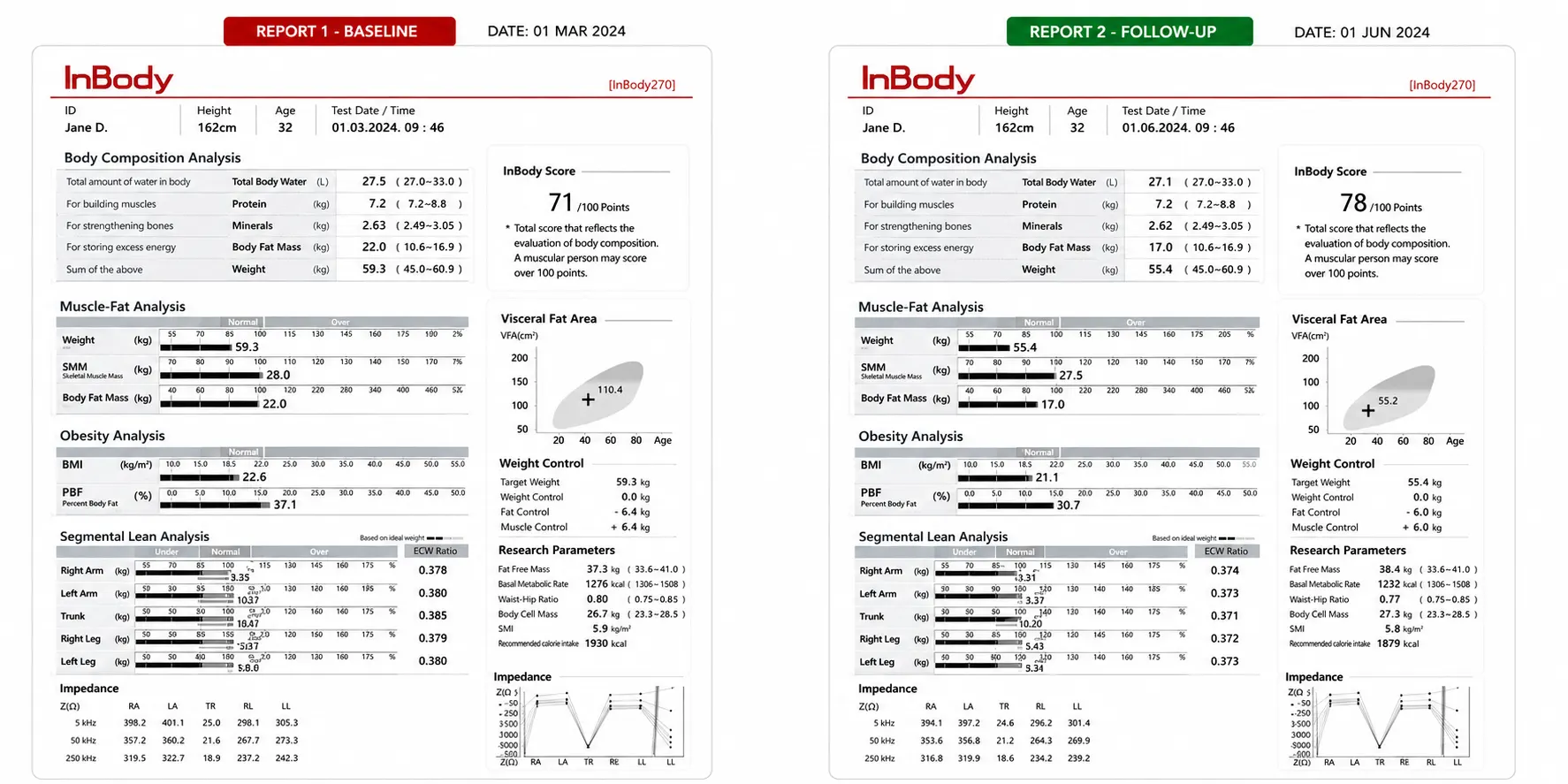
Mistake 7: Not Measuring Body Composition: The Foundation of Every Muscle-Building Decision
The biggest mistake is making decisions without body composition data. Without knowing visceral fat, body fat %, and muscle distribution, decisions rely on guesswork.
InBody provides the six body composition metrics that make these assumptions unnecessary. Visceral fat level confirms whether the primary inflammatory driver of muscle catabolism is being addressed. Skeletal muscle mass per limb confirms whether training is producing muscle growth and in which specific limbs. Body fat percentage confirms whether fat management is succeeding independently of total weight. ECW/TBW ratio flags inflammatory cellular stress before it manifests clinically. Phase angle confirms the quality of cellular health and early myosteatosis warning. InBody Score tracks the overall trajectory of body composition quality over time.
THE EVIDENCE FOR MEASUREMENT-GUIDED BODY COMPOSITION CHANGE
Fitness centres and clinics using InBody report better adherence and improved 12-week outcomes compared to scale-only tracking. The mechanism is simple: specific, objective, personal data motivates specific, sustained behaviour change. When clients see visceral fat drop, muscle increase, and body fat decrease even with minimal weight change, progress becomes clear and motivating. That data builds the adherence that builds the muscle.
What InBody Measures to Reveal the Hidden Fat-Muscle Relationship
Each InBody scan provides key metrics in under 60 seconds, without radiation or blood tests.
| InBody Metric | What It Measures | Why It Matters for Muscle Growth |
|---|---|---|
| Visceral Fat Level (VFL) | Fat surrounding internal organs 1 to 20 scale | Primary inflammatory engine suppressing muscle protein synthesis. VFL must be tracked and reduced for resistance training to work at full efficiency |
| Body Fat Percentage | Total fat mass as % of body weight | Confirms whether fat-loss interventions are succeeding independently of scale weight changes that may mask muscle loss alongside fat loss |
| Skeletal Muscle Mass (SMM) | Lean muscle mass in kg per limb and trunk | The primary outcome metric for any muscle-building programme. Must be tracked to confirm training is producing hypertrophy and not just weight stability |
| Segmental Lean Analysis | Muscle mass in each limb right/left arm, right/left leg, trunk | Identifies muscle imbalances and limb-specific deficits, enabling targeted exercise prescription for specific underdeveloped muscle groups |
| ECW/TBW Ratio | Extracellular to total body water ratio | Marker of systemic inflammatory stress from excess adiposity. Rising ECW/TBW in a client not gaining muscle indicates fat-driven inflammatory suppression |
| Phase Angle | BIA-derived marker of cellular membrane integrity | Indirect marker of myosteatosis severity and overall muscle quality. Declining phase angle despite stable SMM signals intramuscular fat infiltration |
Real Case: The Trainer Who Was Building Fat While Trying to Build Muscle
A 31-year-old male marketing professional in Delhi had been training at a gym five days per week for 18 months. He ate a high-protein diet averaging 140 g of protein daily. His scale weight had increased by 3.2 kg over those 18 months, which he attributed to muscle gain. His BMI was 25.1. One patient reported fatigue, slower performance, and stalled strength despite consistent training.
His first InBody scan told a completely different story. Visceral Fat Level: 11 (high risk threshold). Body Fat Percentage: 27.4% (high for his age and gender). Skeletal Muscle Mass: only 0.4 kg above baseline population norm despite 18 months of consistent resistance training. Phase Angle: 5.1° below the 5.3° reference for his demographic. ECW/TBW ratio: 0.384 borderline elevated. His segmental lean analysis showed both legs significantly below the recommended range for his height and weight.
At his 12-week follow-up, InBody scan:
| ↓3 units Visceral Fat Level (11 → 8) | +2.1 kg Skeletal Muscle Mass gained | ↑0.4° Phase Angle improvement (5.1° → 5.5°) | ↓3.8% Body Fat Percentage reduced |
His scale weight changed by less than 0.5 kg. His strength hit new personal records in all major compound movements within 10 weeks. Without InBody data, he would have continued ineffective efforts for months.
Frequently Asked Questions
Q. How does hidden body fat sabotage muscle growth?
Hidden (especially visceral) fat harms muscle growth by triggering inflammation (TNF-α, IL-6), insulin resistance, hormonal disruption, myosteatosis, mitochondrial dysfunction, and reduced IGF-1 signalling—creating a vicious cycle of muscle loss and fat gain. InBody captures this complete picture in under 60 seconds by measuring visceral fat, skeletal muscle mass, ECW/TBW ratio, and phase angle.
Q. What is sarcopenic obesity and how common is it in India?
Sarcopenic obesity is the coexistence of high body fat and low muscle mass, a high-risk metabolic condition that occurs at lower BMI levels in Indians due to the thin-fat phenotype. According to the Indian Consensus on Sarcopenia (2025), Type 2 diabetes is a key driver, increasing the risk of low muscle mass up to 6-fold, making tools like InBody essential for monitoring fat and muscle together.
Q. Can you gain muscle and have too much body fat at the same time?
This reflects sarcopenic obesity, where fat mass increases while muscle mass declines, even if body weight or BMI appears stable. As seen in the KSOS study, only tools like InBody that track both muscle and fat simultaneously can reveal whether true muscle gain is happening or hidden fat gain is masking progress.
Key Takeaways
- Hidden fat, especially visceral fat, damages muscle through multiple pathways. These include inflammation, insulin resistance, hormonal imbalance, myosteatosis, mitochondrial dysfunction, and poor fat-loss strategies.
- The KSOS study confirmed that visceral fat accumulation leads to future muscle loss, even without changes in weight or BMI.
- Sarcopenic obesity, high fat and low muscle at a “healthy” BMI, is disproportionately prevalent in Indian patients. The 2025 Indian Consensus on Sarcopenia shows that Asian Indians with type 2 diabetes have a six-fold higher risk of low muscle mass.
- Myosteatosis, intramuscular fat infiltration, reduces muscle quality and contractile force independent of muscle mass. Patients with sarcopenic obesity show lower muscle-specific strength than those with either sarcopenia or obesity alone (Scientific Reports 2024).
- Weight loss without resistance training and protein can worsen sarcopenic obesity. In some cases, 25–40% of weight loss comes from muscle. Only InBody confirms whether fat loss is occurring alongside muscle preservation.
- InBody provides six key metrics in under 60 seconds: visceral fat level, body fat %, skeletal muscle mass per limb, ECW/TBW ratio, phase angle, and InBody score.
Stop Training Blind See What Hidden Body Fat Is Doing to Your Muscles
An InBody scan reveals hidden fat, muscle distribution, and cellular health. It shows whether fat is impairing muscle and what actions to take.

Find an InBody Scanner Near You
References & Further Reading
- Kim TN et al. Impact of visceral fat on skeletal muscle mass and vice versa — KSOS prospective cohort (n=379, 27.6 months). PLOS ONE. 2014.
- Park SY et al. Impact of adipose tissue and lipids on skeletal muscle in sarcopenia — adipokines, myosteatosis, mitochondrial dysfunction review. Journal of Cachexia, Sarcopenia and Muscle. 2025.
- Colleluori G et al. Health consequences of sarcopenic obesity — insulin resistance, adipokine/myokine crosstalk, intramuscular fat. Frontiers in Endocrinology. 2020.
- Fiogbě E et al. Body composition, functionality and muscle-specific strength in sarcopenic obesity — lowest handgrip in SO group. Scientific Reports. 2024.
- Kang SJ et al. Interplay of skeletal muscle and adipose tissue in sarcopenic obesity — adipokine/myokine interaction review. Metabolism. 2023.
