
Body Composition 6 min read
The Role of Body Composition in Health & Fitness
What is Body Composition? Body composition refers to the breakdown of your body into different components. These include muscle, fat, water, bone, and other tissues. It gives a…
Reading about body composition? Find an InBody test centre near you →
What is Body Composition?
Body composition refers to the breakdown of your body into different components. These include muscle, fat, water, bone, and other tissues. It gives a clearer picture of your overall health and potential health risks.
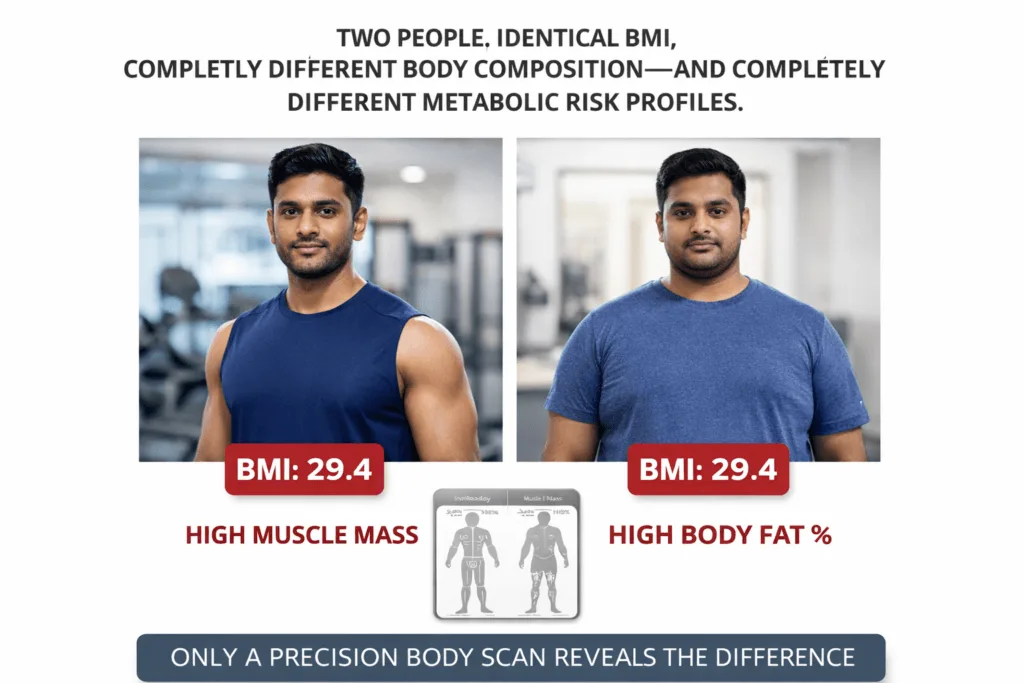
Unlike Body Mass Index (BMI), body composition provides deeper insights. It measures important factors like visceral fat, lean muscle mass, and tissue distribution, which BMI cannot capture.

Why Body Composition Matters
Body composition helps identify hidden health risks. For example, high visceral fat can lead to serious conditions such as:
- High blood pressure
- Heart disease
- Metabolic syndrome
- Fatty liver disease
- Breathing difficulties
- Osteoarthritis
- Kidney disease
- Pregnancy and fertility issues
In addition, it can also impact mental health. Issues like low self-esteem, long-term stress, and depression may arise.
Key Components of Body Composition
Let’s understand the main elements that make up body composition:
1. Fat Mass
Fat mass includes different types of fat, such as:
- White fat
- Brown fat
- Essential fat
- Subcutaneous fat
- Visceral fat
2. Lean Body Mass
Lean body mass includes all body components except fat. This mainly consists of organs, muscles, and tissues.
3. Muscle Mass
Muscle mass is the total amount of muscle in the body. It includes:
- Skeletal muscle
- Smooth muscle
- Cardiac muscle
4. Bone Density
Bone density refers to the strength and density of bones. It is measured based on calcium and mineral content.
5. Water Content
Water content is the total amount of water present in the body. It plays a key role in maintaining body functions.
6. Organ Mass
Organ mass is the total weight of all organs in the body. Healthy organ mass is essential for overall well-being.
7. Tissue and Skin
Tissues are groups of cells that perform specific functions. Skin is the outer protective layer of the body. It is elastic, waterproof, and forms the visible surface of the body.
What is BIA (Bioelectrical Impedance Analysis)?
There are different methods available to analyze body composition, and one of the most common is BIA. A fair question arises: what is BIA?
Bioelectrical Impedance Analysis (BIA) is a technique that uses a small electric current. This current passes through your body and flows differently through muscle and fat. Since each tissue offers different resistance, the device can estimate your body composition accurately.
How Body Composition Affects Health
Now the real question is: how does body composition affect health and fitness?
At first glance, a person who looks slim and fit may appear healthy. On the other hand, someone who looks overweight may seem unhealthy. However, this is not always true.
A slim person may still have high visceral fat and low muscle mass. Similarly, someone with a heavier body may have higher muscle mass and lower harmful fat. This difference mainly comes from lifestyle factors, such as diet and physical activity.
Health Risks of Poor Body Composition
Having poor body composition can lead to several health problems. These include:
- Obesity and overweight-related issues
- Diabetes
- Breathing problems
- Heart disease
- Osteoarthritis
- Fatty liver
For women, poor body composition can also affect fertility.
Therefore, maintaining a healthy body composition is essential. It supports better metabolic health, improves organ function, and reduces the risk of chronic diseases. In addition, it helps boost confidence and overall well-being.
Importance of Body Composition in Fitness and Performance
Body composition also plays a vital role in fitness and athletic performance.
If an individual does not have a balanced body composition, it can negatively affect their performance. In contrast, a well-balanced body improves strength, endurance, and overall physical ability.
Importance of Good Body Composition
Having a good body composition is vital for athletes and fitness enthusiasts. It helps improve stamina, agility, strength, power, and endurance. In addition, it reduces the risk of chronic diseases and supports overall health.
How to Achieve Good Body Composition
You might be wondering what activities help achieve a good body composition. The answer lies in a balanced lifestyle.
To begin with, focus on a healthy diet. Along with that, regular exercise is essential. This should include cardiovascular workouts, strength training, and calorie control. Moreover, getting 7–9 hours of sleep every night is important for muscle repair and recovery.
Changes in Body Composition Across Life Stages
Body composition changes continuously from childhood to old age. During childhood, these changes are rapid. For instance, infants have a higher fat percentage compared to lean mass. This fat provides energy needed for growth and development.
During adolescence, the body undergoes hormonal changes. As a result, there is an increase in lean muscle mass and bone density. This phase is crucial for physical development.
Body Composition in Adulthood and Old Age
Adulthood is the stage where muscle mass and bone density reach their peak. However, as a person ages, these levels gradually decline.
In old age, several changes occur. Muscle mass decreases, energy levels drop, and bone density reduces. In some cases, body fat may increase due to reduced physical activity. This loss of muscle mass is known as sarcopenia, which is common among older adults.
Why Maintaining Body Composition Matters
Maintaining a good body composition is essential for overall health and well-being. It helps improve both physical and mental health. Furthermore, it reduces the risk of chronic diseases and enhances quality of life.
A healthy body also boosts confidence and self-esteem. Therefore, doctors and fitness experts strongly recommend following a balanced lifestyle that includes proper nutrition, regular exercise, and adequate rest.

Find an InBody Scanner Near You
References & Further Reading
- PMC 2021. Association of Body Composition with T2DM: InBody 770 retrospective chart review, n=2,404. PMC8122668.
- Scientific Reports 2019. Body Composition using DEXA and T2DM: Systematic Review and Meta-Analysis — VFM odds ratios. Nature.
- Signal Transduction and Targeted Therapy 2025. Molecular signatures of skeletal muscle insulin resistance in T2DM. Nature 2025;10:320.
- World Journal of Diabetes 2024. Body composition and metabolic syndrome in T1DM — VFI, skeletal muscle mass, and insulin resistance. WJD 2024;15(1):81–91.
- PMC 2025. BMI and glycaemic control in T2DM — cross-sectional study, n=200, HbA1c correlation. PMC11853989.
- InBody BWA. Diabetes Application — clinical use of InBody for T2DM screening and management. inbodybwa.com.
- Kalra S et al. Indian Consensus on Sarcopenia including T2DM sarcopenic obesity. Int J Gen Med. 2025;18:1731–1745.
- Reviews in Endocrine and Metabolic Disorders 2025. Skeletal muscle atrophy and dysfunction in obesity and T2DM — myocellular mechanisms. Springer Nature.
Frequently Asked Questions
Why does body composition matter more than weight for fitness?
Two people can weigh the same but have very different muscle and fat ratios — body composition reveals whether weight is coming from muscle (good for performance and metabolism) or fat, information the scale alone can't provide.
How often should athletes and fitness enthusiasts check body composition?
Every 4-8 weeks is a practical interval to see meaningful changes in muscle mass and fat percentage during a training block without over-testing or reacting to short-term fluctuations like water weight.
What body composition metrics matter most for fitness goals?
Skeletal muscle mass and body fat percentage are the two most actionable metrics for fitness goals, since they directly reflect whether your training and nutrition are building muscle, losing fat, or both.
