
Health 6 min read
Metabolic Syndrome in India: Why 1 in 3 Adults Have It (and How to Reverse It)
One in three urban Indian adults has metabolic syndrome. By age 50, the prevalence climbs past 40%. Most of them do not know it because metabolic syndrome rarely…
Reading about body composition? Find an InBody test centre near you →
One in three urban Indian adults has metabolic syndrome. By age 50, the prevalence climbs past 40%. Most of them do not know it because metabolic syndrome rarely shows up as a single dramatic symptom. It quietly raises your risk of heart attack, stroke, and type 2 diabetes by 2–5× while you continue to “feel fine.”
India has the highest metabolic syndrome burden in the world, and the diagnosis criteria built for Caucasian bodies underestimate the Indian risk. This guide explains what metabolic syndrome actually is, who has it in India, how it is diagnosed differently for Indians, and what to do about it.
What is metabolic syndrome?
Metabolic syndrome is not a disease in itself. It is a cluster of five risk factors that, when three or more occur together, dramatically raise your risk of cardiovascular disease, type 2 diabetes, and stroke.
The five factors:
- Abdominal obesity measured by waist circumference
- Elevated blood pressure at or above 130/85 mmHg, or on BP medication
- Elevated fasting blood glucose at or above 100 mg/dL, or diagnosed type 2 diabetes
- Elevated triglycerides at or above 150 mg/dL, or on lipid medication
- Low HDL cholesterol below 40 mg/dL in men, below 50 mg/dL in women
Three of these five = metabolic syndrome. The diagnostic criteria are from the International Diabetes Federation and the National Cholesterol Education Programme (ATP III).
Why India has different (stricter) thresholds
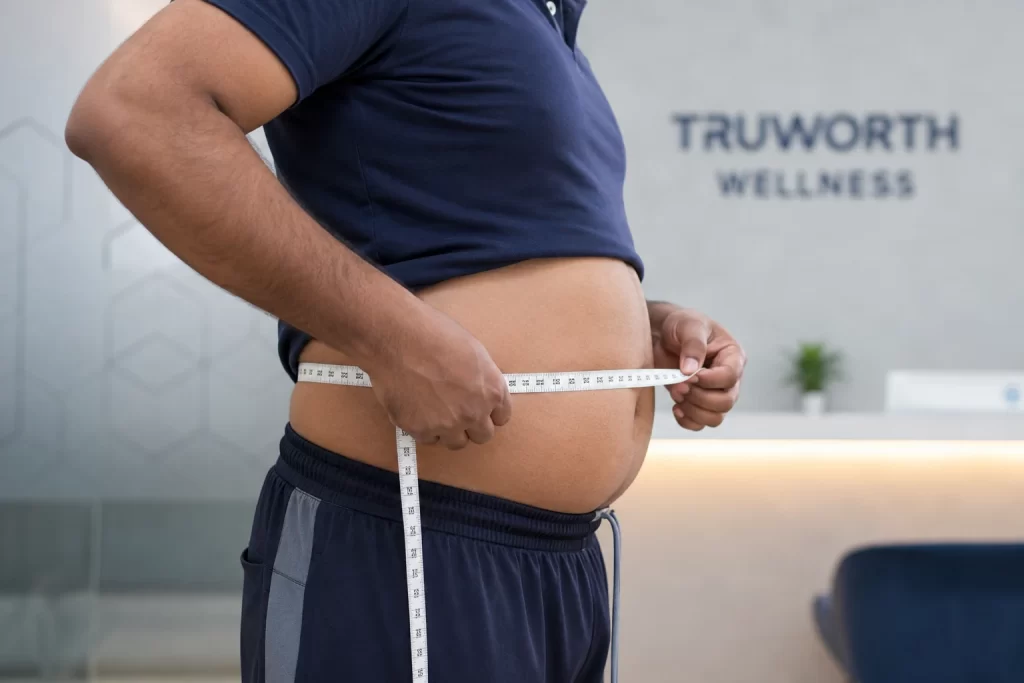
The waist circumference thresholds were originally set for European populations. Indians, with our “thin-fat” phenotype, accumulate visceral fat and develop insulin resistance at lower waist measurements than Caucasians. The IDF has issued separate Asian-specific cutoffs:
| Population | Waist (men) | Waist (women) |
|---|---|---|
| Caucasian (US/Europe) | ≥ 102 cm | ≥ 88 cm |
| South Asian (India) | ≥ 90 cm | ≥ 80 cm |
This means an Indian man with a 91 cm waist is already at metabolic syndrome risk territory, a measurement that would not have flagged him under the older Western criteria.
Same story for BMI: WHO Asian-specific thresholds set overweight at BMI 23 (not 25) and obesity at 25 (not 30) for Indians.
Why is metabolic syndrome so common in India
- Genetic predisposition: Indians have higher insulin resistance, more visceral fat, and lower lean body mass at the same BMI vs Caucasians.
- Rapid lifestyle shift three generations ago, most Indians did physical labour and ate seasonal home food. Now we sit for 10 hours a day and eat packaged food.
- Carb-dominant diets, Indian thali typically runs 60–70% calories from carbohydrate, often refined (white rice, refined flour, sweets). This drives chronic insulin elevation.
- Low protein intake: Typical Indian protein intake is well under the 1.0 g/kg ICMR recommendation. Low protein → low muscle → low glucose disposal → insulin resistance.
- Sedentary work + low NEAT desk work, commute by car/scooter, lift instead of stairs.
- Vitamin D deficiency over 70% of Indian adults are vitamin D deficient, which independently raises insulin resistance and inflammation.
Body composition: the missing piece of the metabolic syndrome puzzle
Standard metabolic syndrome diagnosis uses waist circumference as the obesity marker. The problem: waist circumference cannot distinguish between subcutaneous fat (less dangerous) and visceral fat (the metabolically toxic abdominal fat that wraps around your organs).
This is why two people with the same 92 cm waist can have very different real risk profiles:
- Person A 92 cm waist, mostly subcutaneous fat, visceral fat level of 8 on an InBody scan. Manageable risk.
- Person B 92 cm waist, low subcutaneous fat but heavy visceral fat (level 14+ on InBody). Significantly higher metabolic syndrome and cardiovascular risk.
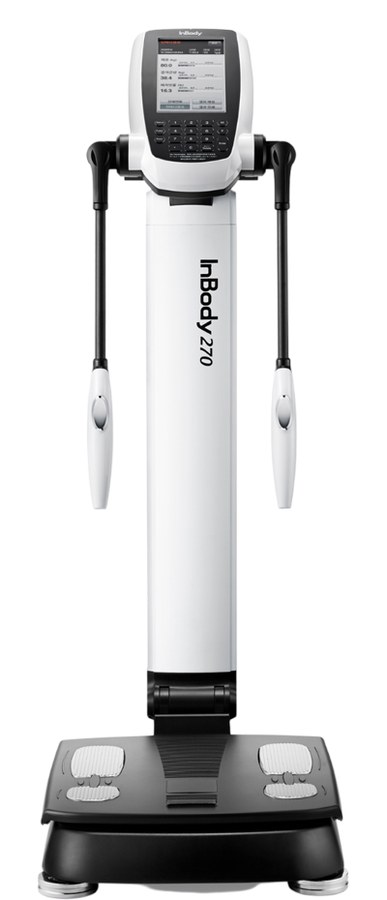
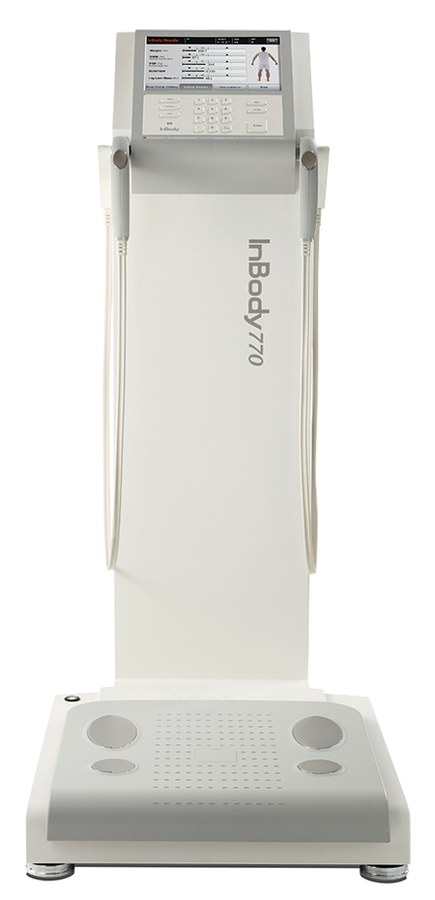
This is why an InBody body composition scan is increasingly used in metabolic clinics and corporate wellness programmes across India. It measures visceral fat directly, along with skeletal muscle mass (the single biggest predictor of insulin sensitivity).
How to reverse metabolic syndrome
Good news: metabolic syndrome is reversible at every stage short of established type 2 diabetes (and even type 2 diabetes is reversible in 30–50% of cases caught early). The lifestyle interventions are well-evidenced and free.
1. Lose visceral fat fast
Visceral fat is the most metabolically dangerous tissue, but also the most responsive to lifestyle change. People who lose 5–10% of body weight typically see 25–30% visceral fat reduction. Track this with an InBody scan, not just the bathroom scale.
2. Build skeletal muscle
Resistance training 3–4× per week. Muscle is the single largest glucose-disposal organ in your body more muscle directly lowers insulin resistance. Even modest muscle gain (2–3 kg over 6 months) often clears one or two metabolic syndrome criteria.
3. Lower refined carb intake
Replace white rice, refined wheat, and sweets with whole-grain alternatives, dal-heavy meals, and adequate protein. The change does not have to be extreme; even shifting from 70% carbs to 50% carbs over 8 weeks moves blood sugar and triglycerides meaningfully.
4. Add 7,000–10,000 steps per day
Light daily movement (NEAT non-exercise activity thermogenesis) does more for insulin sensitivity than three intense gym sessions per week alone. Walk after meals. Take the stairs. Stand during phone calls.
5. Sleep 7+ hours
One bad week of 5–6 hours of sleep per night raises cortisol, blood sugar, and insulin resistance measurably. Sleep is a non-negotiable infrastructure for metabolic health.
6. Treat what is fixable medically
If your BP is high, treat it. If your lipids are high, address them. If your HbA1c is creeping up, do not wait. Modern Indian metabolic clinics increasingly run combined medication + lifestyle protocols that put metabolic syndrome into remission in 6–12 months.
Frequently asked questions
Q. What is the difference between metabolic syndrome and diabetes?
Metabolic syndrome is a cluster of risk factors (high waist, BP, blood sugar, triglycerides, low HDL — any 3 of 5). Type 2 diabetes is one specific endpoint that metabolic syndrome often leads to. Reversing metabolic syndrome dramatically lowers your diabetes risk.
Q. Can a thin person have metabolic syndrome?
Yes, and Indians are especially prone to this “thin outside, fat inside” pattern (TOFI). A person at BMI 23 with elevated visceral fat, high triglycerides, and borderline BP can absolutely meet metabolic syndrome criteria. A body composition scan catches what BMI misses.
Q. How is metabolic syndrome diagnosed?
By a physician based on: waist circumference, BP reading (averaged over multiple measurements), fasting blood glucose, fasting lipid profile (triglycerides and HDL). The labs are routine and inexpensive in India, under ₹500–₹800 for a complete metabolic syndrome panel at most diagnostic chains.
Q. Can metabolic syndrome go away on its own?
No, but it absolutely reverses with consistent lifestyle change. Most patients who lose 7–10% of body weight and start resistance training see at least 1–2 of their 5 criteria clear within 6 months, often enough to no longer meet the diagnostic threshold.
Q. Are there any medications for metabolic syndrome?
No single medication treats “metabolic syndrome”; each component is treated individually if needed (BP medication, statins for cholesterol, metformin for elevated blood sugar). The most powerful intervention remains body composition change. Many Indian hospitals now use InBody scans as part of their metabolic clinic protocols.
Metabolic syndrome usually announces itself with a heart attack at 50. Catch it earlier. Book an InBody scan to measure visceral fat, skeletal muscle mass, and segmental balance, the numbers that predict metabolic syndrome years before BP or blood sugar do.

Most trending articles
Hypothyroidism Symptoms in India: Signs Most People Miss
1 in 10 Indian adults has hypothyroidism, and it hides behind ordinary tiredness. The early signs most people blame on stress, age, or a new baby.

वज़न बढ़ाने के लिए क्या खाएं? सही डाइट प्लान (सिर्फ ज़्यादा खाना नहीं)
सिर्फ ज़्यादा खाने से मांसपेशी नहीं बनती, चर्बी बढ़ सकती है। सही कैलोरी सरप्लस, प्रोटीन और डाइट प्लान जो वज़न को सही तरीके से बढ़ाए — पूरी जानकारी हिंदी में।
भारत में प्रोटीन कितना ज़रूरी है? असली आंकड़े और सही फॉर्मूला
IMRB के एक सर्वे में लगभग 73% भारतीय आहार प्रोटीन-कम पाए गए। सही प्रोटीन टारगेट कैसे निकालें और किन फूड्स से पूरा करें — पूरी जानकारी हिंदी में।