98.4% DEXA correlation. 60-second scans. Trusted by 500+ hospitals across India for bariatric surgery, oncology, dialysis, ICU, cardiology, and rehab. Used at AIIMS, Apollo, Manipal, Max Healthcare, Jupiter Hospital and more.
Clinical Output
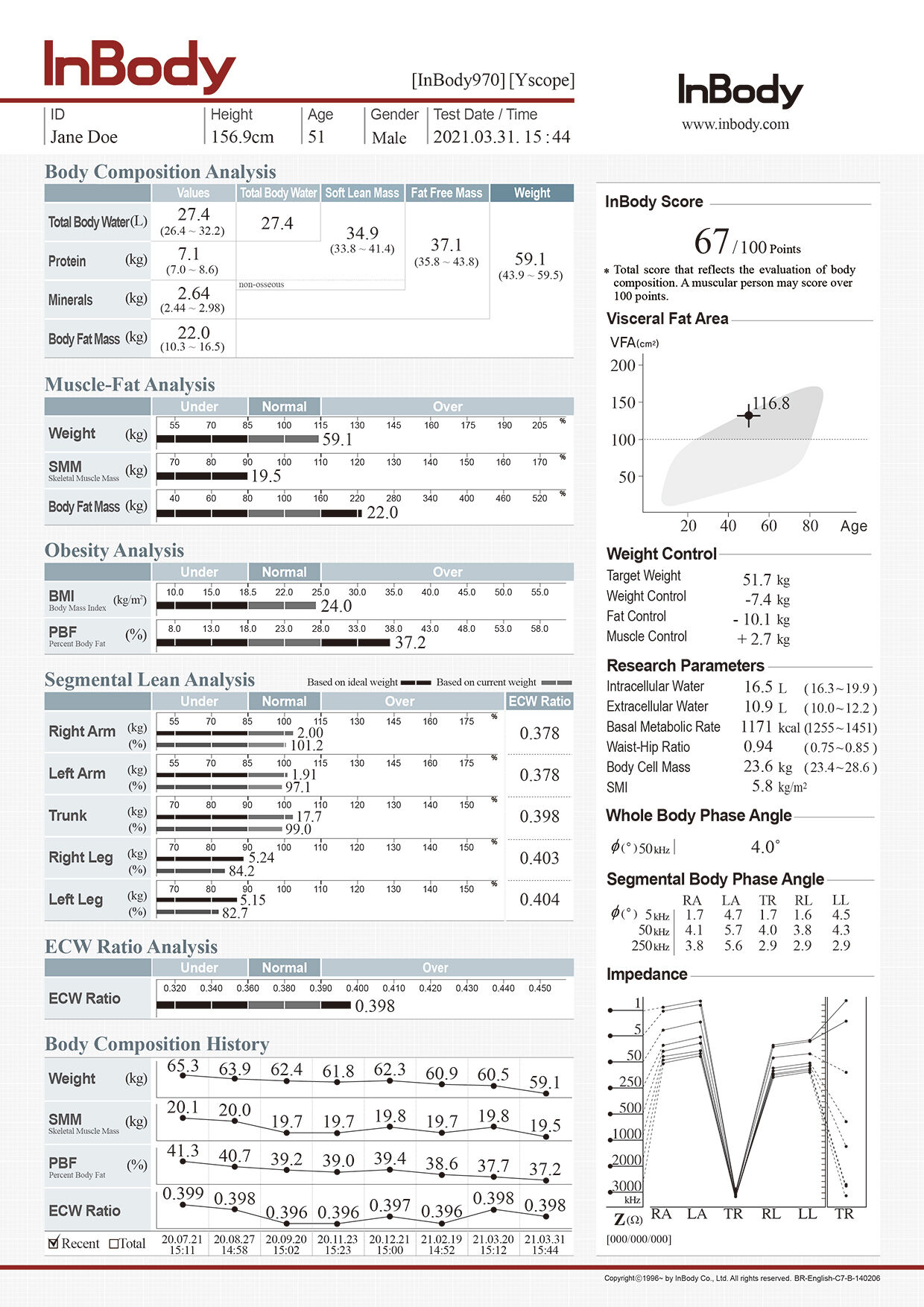
Traditional weight metrics miss distribution of muscle, fat, and water. InBody provides segmental, multi-frequency analysis to identify sarcopenia, fluid imbalance, and hidden obesity — enabling earlier intervention and personalised care.
The Specialist's Advantage
InBody is the trusted partner for clinicians who turn body composition insights into tangible results, improved patient monitoring, and better clinical outcomes.
Monitor nutritional status and guide interventions with precise body composition data.
Assess visceral fat and muscle mass to manage diabetes risk and treatment effectively.
Track fat loss while preserving muscle mass pre- and post-bariatric surgery.
Monitor nutritional status and fluid balance in gastrointestinal patients.
Comprehensive body composition overview for preventive health screenings.
ECW/TBW to determine dry weight and prevent fluid overload in dialysis patients.
Monitor cachexia and malnutrition. Phase Angle helps predict treatment tolerance.
Track edema and manage heart failure patients using precise body water metrics.
Monitor fluid balance and muscle wasting in critically ill patients.
Measure limb symmetry and track recovery progress post-injury.
Detect sarcopenia and frailty early to reduce fall risk and improve quality of life.
Track healthy growth patterns and nutritional status in children and adolescents.
Clinical Models
Different specialties need different capabilities. Match the right machine to your patient profile and clinical workflow.

The flagship clinical analyzer. Multi-frequency, segmental, with whole-body Phase Angle and visceral fat.

Purpose-built for fluid analysis. The clinical reference for nephrology, ICU and heart-failure.

The bedside scanner measures non-ambulatory, ICU and bedridden patients with adhesive electrodes.
Clinical Software
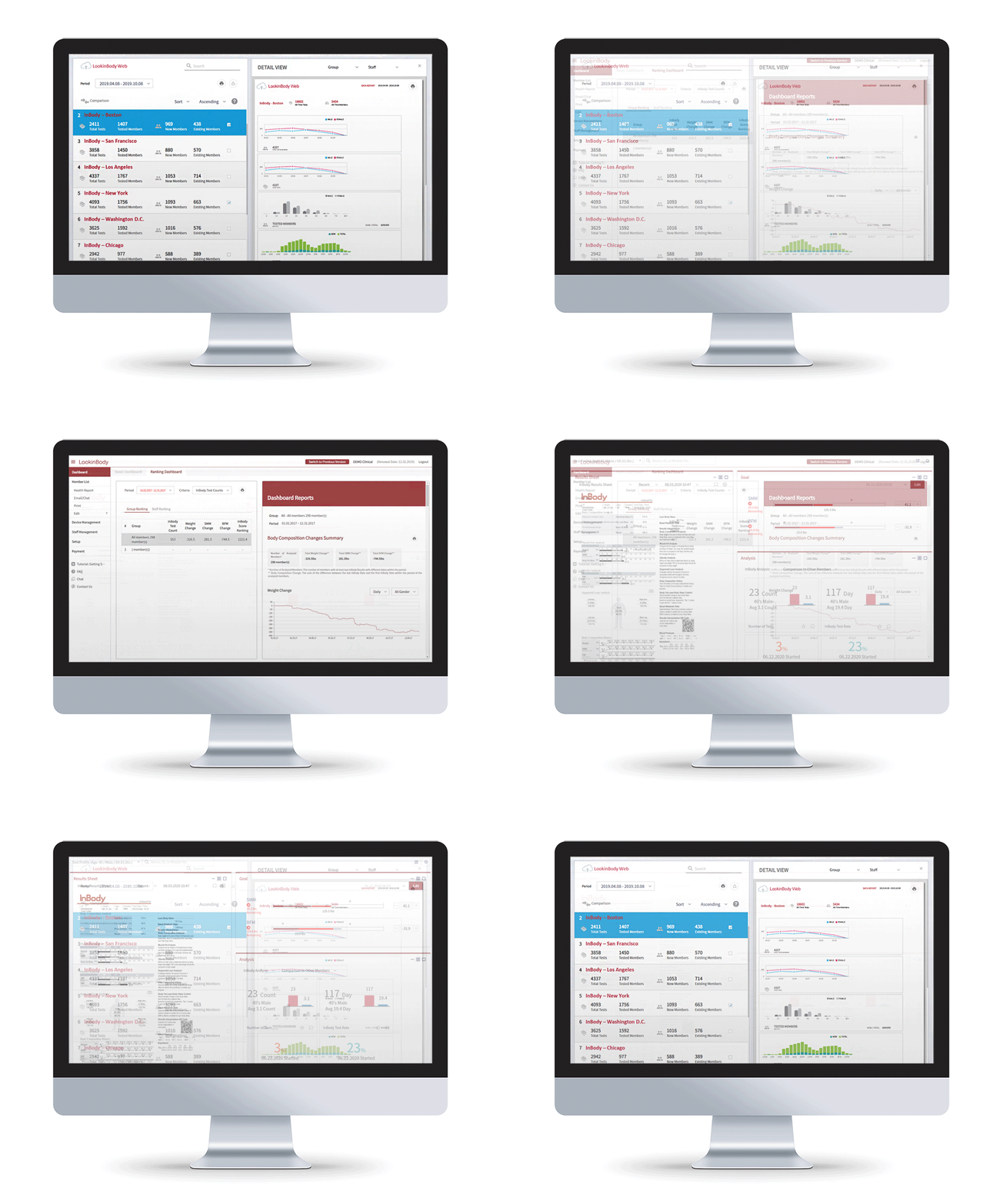
The cloud-based clinical management software for InBody data. Compare scans across visits, identify trends, set thresholds, and integrate with your hospital workflow.
Trusted by thousands of hospitals and research centers across India.
InBody's accuracy is validated by peer-reviewed studies against gold-standard methods.
















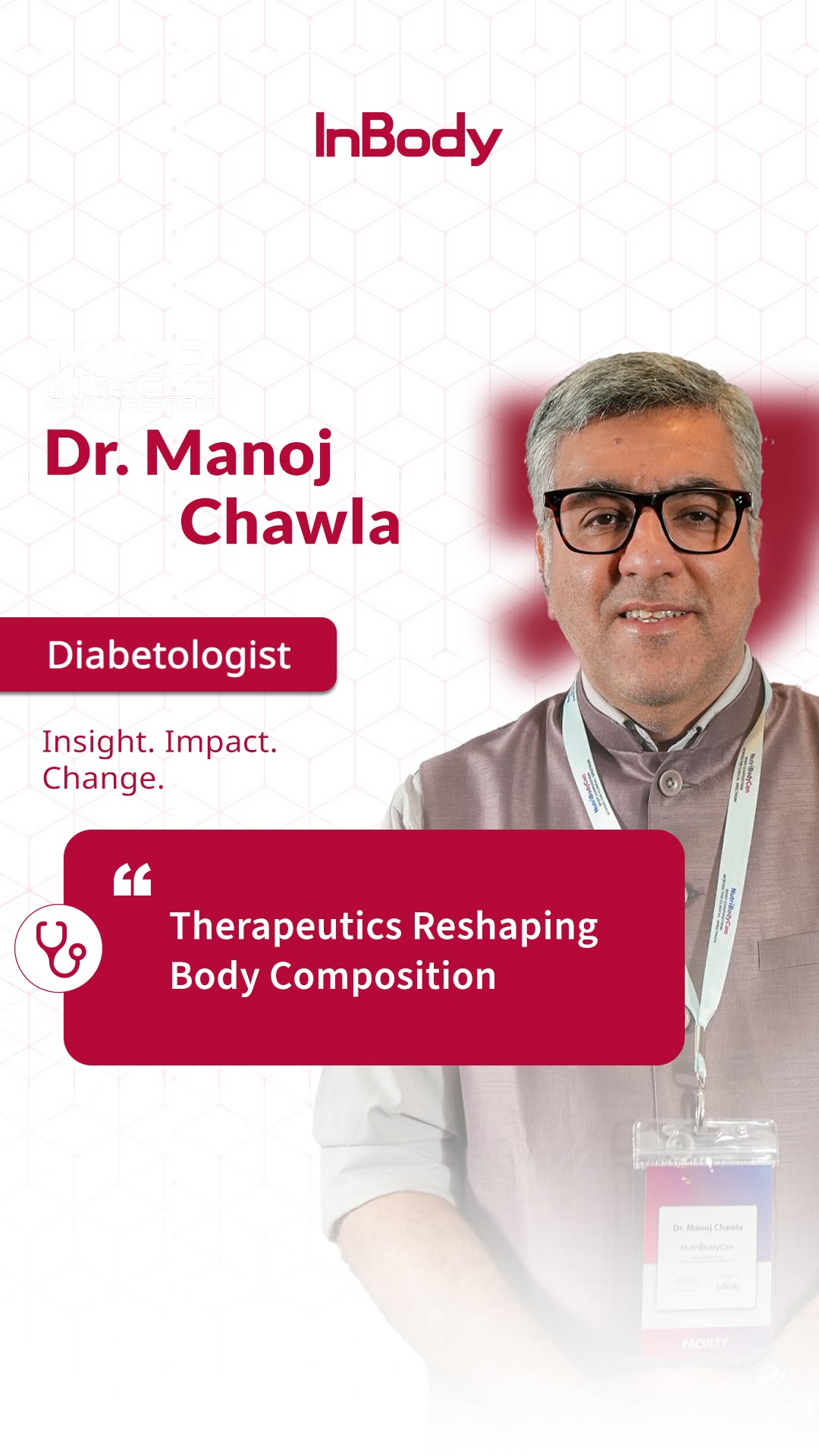
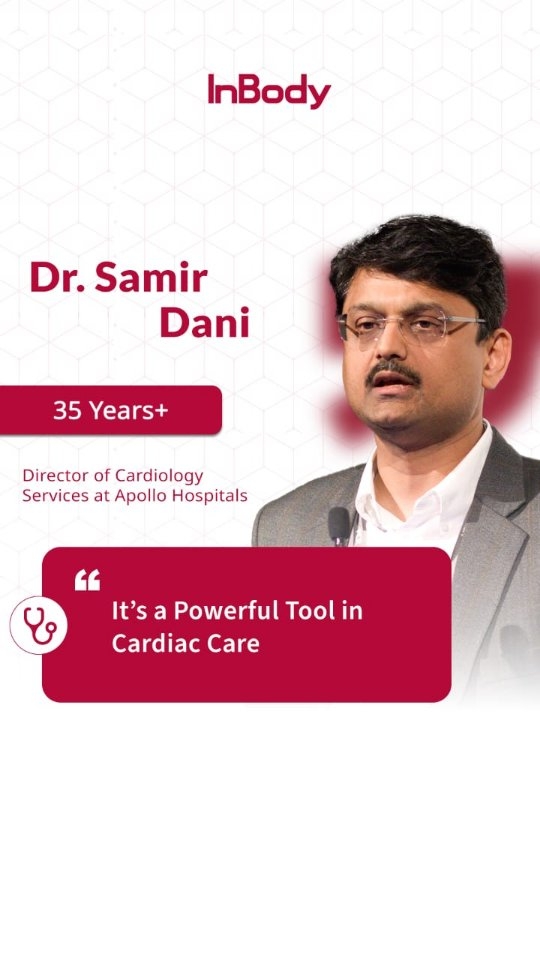
Watch real stories and experiences from doctors bringing
InBody innovation to their clinics.



The official medical newsletter from InBody India.
Get expert analysis on the clinical applications of body composition, sarcopenia, fluid management, and oncology nutrition. We share the latest research, practical case studies, and help you integrate InBody data into patient care.
Read NowWe provide the comprehensive support you need to succeed at every step.

Pay your way with UPI, credit cards, or No-Cost EMI including an exclusive 8-month, 0% interest plan with Bajaj Finserv.

Witness InBody's precision firsthand. Schedule a personalized demo at your hospital with our experts.

Let our specialists analyze your hospital's needs and recommend the right InBody solution for your departments.

Empower your clinical team with expert-led training on device operation, data interpretation, and best practices.

Dedicated technical support and service network across India, ensuring your device operates at peak performance.
Secure your hospital's investment with our comprehensive warranty and optional extended plans for long-term peace of mind.
Frequently Asked
InBody achieves up to 98.4% correlation with DEXA for body composition. It is validated against gold-standard methods including DXA and dilution techniques across 6,000+ peer-reviewed studies, making it suitable for clinical decision-making in oncology, nephrology, bariatrics and rehab.
Yes. InBody body composition analyzers are FDA cleared (USA), CE marked (EU), and CDSCO registered in India for clinical use.
InBody 970S is our flagship clinical model with 8-point tactile electrodes, 6 frequencies and segmental Phase Angle. InBody 770S adds whole-body Phase Angle. BWA 2.0S is purpose-built for fluid analysis in dialysis, ICU and heart-failure patients. InBody S10 is used for bedridden / non-ambulatory ICU patients.
A complete InBody clinical scan takes approximately 60 seconds. Patients stand on the device and hold the hand electrodes no fasting, no preparation, and no exposure to ionising radiation.
Yes. LookinBody Web cloud software exports patient results in PDF, CSV, and HL7-compatible formats. Direct EMR / HIS integration and on-premise deployment are available on request.
Hospitals can pay via UPI, credit card, or No-Cost EMI including an exclusive 8-month, 0% interest plan with Bajaj Finserv. Bulk and tender pricing is available for hospital chains and government institutions.
Yes. Every clinical purchase includes comprehensive on-site training on device operation, result interpretation, and integration into clinical workflows. Pan-India service and technical support is included.
Join the movement redefining how medical professionals
measure, track, and improve patient health.
Innovation begins with InBody and one powerful scan.