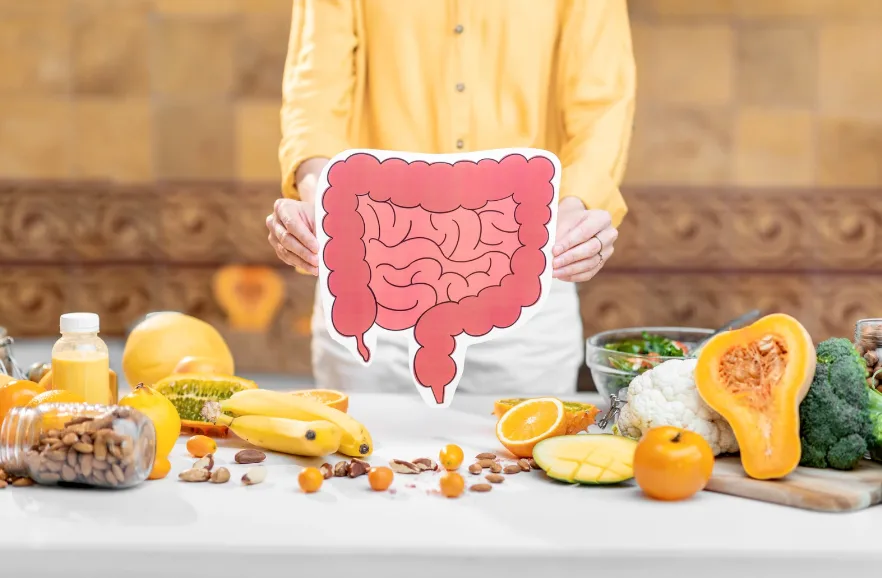
When we think around our in general wellbeing and well-being, we regularly center on the more obvious angles, such as physical wellness, counting calories, and mental well-being. Be that as it may, one significant perspective that frequently gets neglected is the state of our stomach-related framework. Our intestine, which envelops the perplexing organize of organs dependable for breaking down and retaining supplements. It plays an essential part in forming our by and large well-being, both physical and mental.
The Gut-Brain Association The relationship between our intestine and our brain is distant more significant than most individuals realize. The intestine is regularly alluded to as the “moment brain” since it contains an broad organize of neurons that communicate straightforwardly with the brain through the vagus nerve. This bidirectional communication pathway permits the intestine and brain to impact each other, influencing everything from our temperament and cognitive work to our resistant framework and general health.
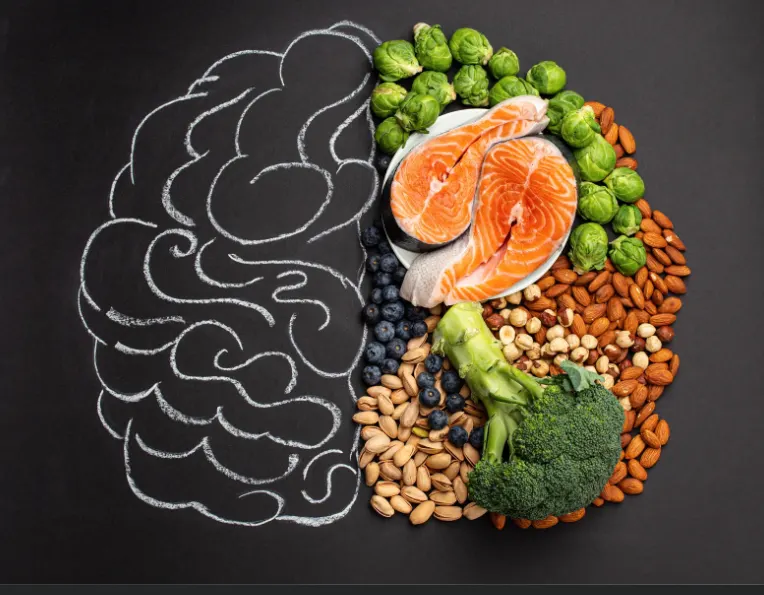
Research has appeared that a lopsidedness in the intestine microbiome, the different community of advantageous microscopic organisms that dwell in the stomach related tract, can contribute to different conditions, counting misery, uneasiness, and indeed neurodegenerative maladies like Alzheimer’s. On the other hand, keeping up a solid intestine can emphatically affect our mental well-being, advancing way better disposition control, cognitive work, and in general enthusiastic balance.
Immune Framework Fortress Did you know that roughly 70% of our resistant framework is in the intestine? A sound intestine microbiome makes a difference keep up a vigorous safe framework by creating antibodies, controlling aggravation, and avoiding the abundance of hurtful bacteria.
When the intestine microbiome is out of adjustment, it can lead to constant irritation, which is connected to different well-being issues, including immune system clutters, hypersensitivities, and indeed certain sorts of cancer. By prioritizing intestine wellbeing through an adjusted count of calories rich in fiber, probiotics, and aged nourishments, we can bolster our resistant framework and diminish the chance of different ailments.
Nutrient Retention and Vitality Levels The stomach-related framework is dependable for breaking down the nourishment we consume and retaining the essential nutrients our bodies require to work ideally. Be that as it may, if our intestinal well-being is compromised, our capacity to assimilate these imperative supplements can be disabled, leading to insufficiencies and a host of potential health issues.
A sound intestine guarantees effective supplement assimilation, permitting our bodies to maximize the benefits of the nourishments we eat. This, in turn, can lead to expanded vitality levels, a superior digestion system, and in general made strides in physical execution. Furthermore, a well-functioning stomach-related framework can offer assistance in controlling blood sugar levels, lessening the hazard of conditions like diabetes and metabolic disorders.
Skin Wellbeing and Brilliance Accept it or not, the wellbeing of our intestine can indeed affect the appearance of our skin. The intestine skin hub is a complex communication arrangement that joins the intestine microbiome to different skin conditions, such as skin breakout, dermatitis, and psoriasis.
When the intestine microbiome is imbalanced, it can trigger irritation all through the body, including the skin. This aggravation can lead to different skin issues, such as redness, dryness, and breakouts. By supporting intestine wellbeing through a adjusted slim down, probiotics, and push administration, we can possibly make strides the appearance and in general wellbeing of our skin.
Weight Administration and Body Composition Our intestine well-being plays a noteworthy part in weight administration and body composition. An imbalanced intestine microbiome can contribute to unremitting aggravation, hormonal lopsided characteristics, and metabolic disarranges, all of which can make it more challenging to keep up a sound weight.
Additionally, the intestine microbiome impacts the generation of different hormones and chemicals included in craving direction, supplement assimilation, and vitality consumption. By developing a differing and well-balanced intestine microbiome, we can back solid weight administration, progress metabolic work, and possibly advance a greater body composition.
Embracing a Gut-Friendly Way of Life Keeping up a sound intestine is not a one-time exertion but may be a deep-rooted journey that requires commitment and commitment. Here are a few tips to offer assistance you sustaining your intestine well-being and optimizing your general well-being:
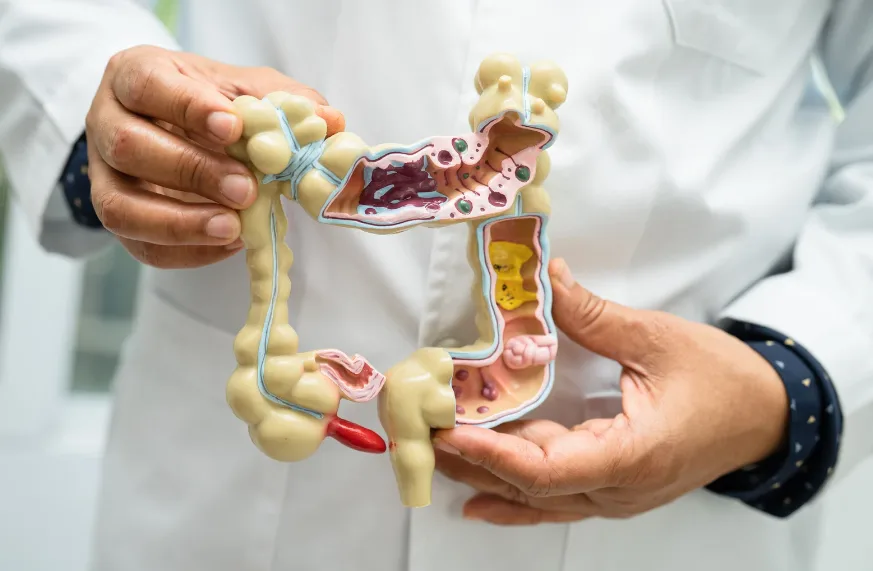
1. Eat an assorted, fiber-rich count calories: Consolidate an assortment of natural products, vegetables, entirety grains, and aged nourishments into your slim down to back a different intestine microbiome and advance customary bowel movements.
2. Reduce push and prioritize rest: Constant push and need for rest can disturb the sensitive adjust of your intestine microbiome. Lock in stress-reducing exercises like yoga, reflection, or profound breathing works, and point for 7-9 hours of quality rest each night.
3. Limit anti-microbials and prepared nourishments: Anti-microbials and profoundly prepared nourishments can hurt the useful microbes in your intestine. Utilize anti-microbial as it were when essential and prioritize entire, nutrient-dense foods.
4. Consider probiotic supplements: Whereas an adjusted slim down ought to give most of the useful microbes your intestine needs, probiotic supplements can be accommodating, particularly after anti-microbial utilization or amid periods of stomach-related distress.
5. Stay hydrated: Satisfactory water admissions are pivotal for legitimate assimilation and the disposal of squandered items. Point for at slightest 8 glasses of water per day, and more if you’re physically dynamic or living in a warm climate.
6. Manage to push and lock in in normal workout: Stretch and an inactive way of life can contrarily affect intestine wellbeing. Join customary workout and stress-reducing exercises into your schedule to back a solid gut-brain connection.
Your intestine well-being is personally associated to your generally well-being, impacting everything from your mental state and safe work to your vitality levels and skin brilliance. By prioritizing a gut-friendly way of life, you can open the way to more noteworthy imperativeness, strength, and generally well-being. Grasp the travel from the intestine to the significance and encounter the transformative control of a sound stomach-related framework.
Frequently Asked Questions
Q. What are the first signs of a “leaky gut”?
Common red flags include chronic bloating, gas, food sensitivities that seem to appear out of nowhere, skin issues like eczema or acne, and persistent fatigue that doesn’t improve with sleep.
Q. How do antibiotics affect my gut health long-term?
While often necessary to kill “bad” bacteria, antibiotics also wipe out “good” microbes. It can take several weeks, or even months, for the microbiome to recover. It is vital to consume fermented foods and prebiotics during and after a course of antibiotics.
Q. Is there a difference between Prebiotics and Probiotics?
Yes. Probiotics are the live beneficial bacteria themselves (found in yogurt, kimchi, and supplements). Prebiotics are the specialized plant fibers (found in garlic, onions, and bananas) that act as “food” for those bacteria to help them grow.
Q. Can my gut health really affect my skin?
Absolutely. This is known as the “Gut-Skin Axis.” When the gut is inflamed, it releases pro-inflammatory cytokines into the body, which often manifests externally as breakouts, redness, or premature aging of the skin.
Q. How long does it take to repair an unhealthy gut?
While you may feel minor improvements within a few days of changing your diet, significant repairs to the intestinal lining and the re-balancing of bacterial colonies typically take 4 to 12 weeks of consistent nutritional changes.
Key Takeaways
- The Microbiome Powerhouse: Your gut is home to trillions of bacteria. A diverse microbiome isn’t just for digestion; it regulates systemic inflammation and helps protect the body against chronic diseases.
- The “Second Brain” Connection: The gut and brain are in constant communication via the vagus nerve. An unbalanced gut (dysbiosis) is often a hidden driver behind anxiety, “brain fog,” and mood swings.
- Immune System Foundation: Approximately 70-80% of your immune cells reside in the gut. A healthy intestinal lining acts as a critical barrier, preventing harmful pathogens and toxins from entering the bloodstream.
- Metabolic Regulation: Specific gut bacteria influence how you harvest energy from food and regulate blood sugar. An unhealthy gut can lead to insulin resistance and unexplained weight gain, even if your calorie intake is low.
- The Fiber Gap: The blog emphasizes that “prebiotics” (non-digestible fibers) are the fuel for good bacteria. Without a variety of plant-based fibers, the beneficial microbes starve, leading to a weakened intestinal barrier.

Find an InBody Scanner Near You
References & Further Reading
- PMC 2021. Association of Body Composition with T2DM: InBody 770 retrospective chart review, n=2,404. PMC8122668.
- Scientific Reports 2019. Body Composition using DEXA and T2DM: Systematic Review and Meta-Analysis — VFM odds ratios. Nature.
- Signal Transduction and Targeted Therapy 2025. Molecular signatures of skeletal muscle insulin resistance in T2DM. Nature 2025;10:320.
- World Journal of Diabetes 2024. Body composition and metabolic syndrome in T1DM — VFI, skeletal muscle mass, and insulin resistance. WJD 2024;15(1):81–91.
- PMC 2025. BMI and glycaemic control in T2DM — cross-sectional study, n=200, HbA1c correlation. PMC11853989.
- InBody BWA. Diabetes Application — clinical use of InBody for T2DM screening and management. inbodybwa.com.
- Kalra S et al. Indian Consensus on Sarcopenia including T2DM sarcopenic obesity. Int J Gen Med. 2025;18:1731–1745.
- Reviews in Endocrine and Metabolic Disorders 2025. Skeletal muscle atrophy and dysfunction in obesity and T2DM — myocellular mechanisms. Springer Nature.