
Fitness 6 min read
Protein Requirements for Indians: How Much Do You Actually Need?
How much protein do Indians need daily? Body weight calculations, vegetarian sources, Indian meal examples, and how your body composition determines your exact protein target.
Reading about body composition? Find an InBody test centre near you →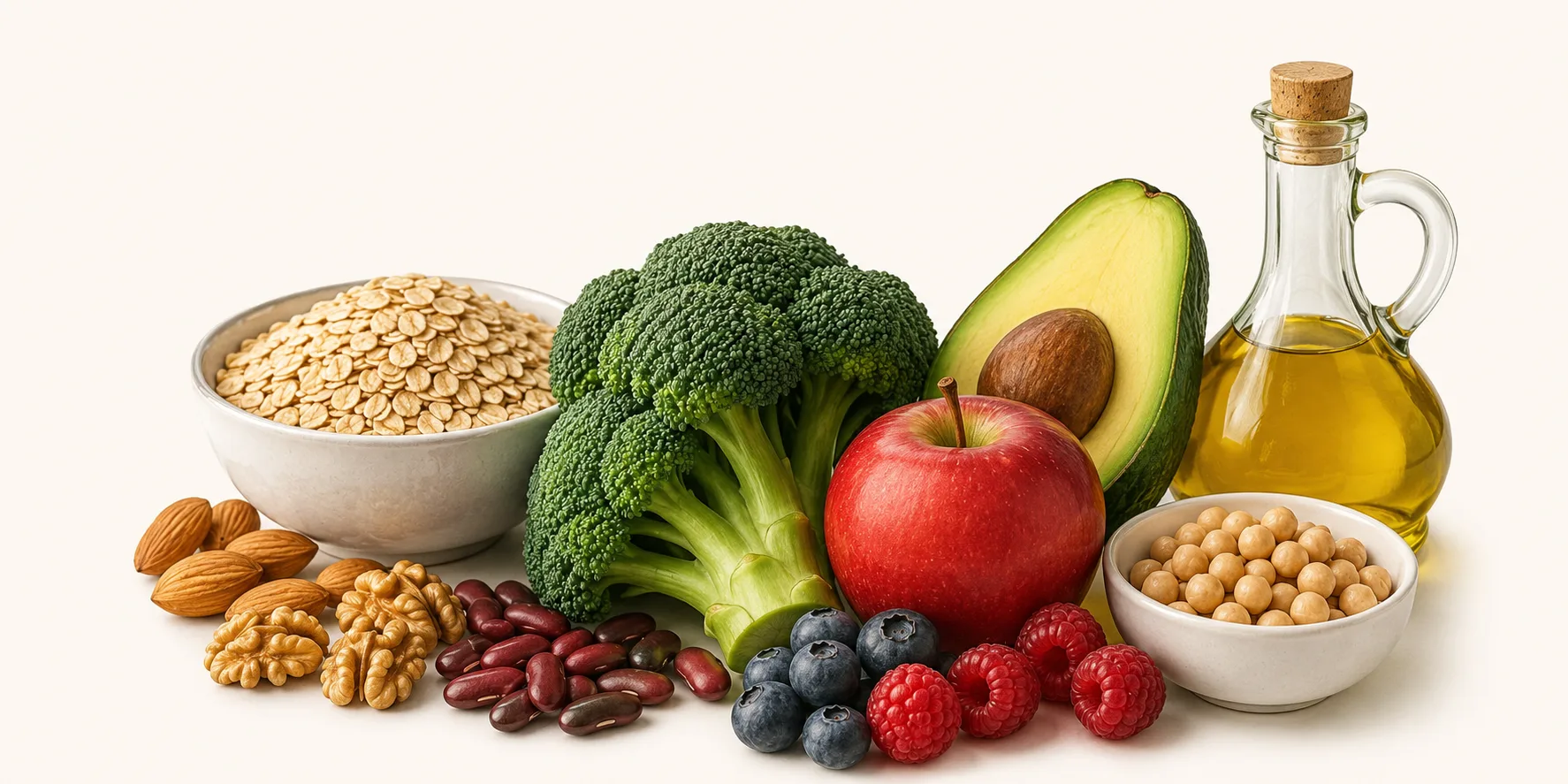
73% of Indians Are Protein Deficient. You’re Probably One of Them.
This is not a fitness influencer statistic. This comes from a nationwide survey by the Indian Market Research Bureau — the IMRB Protein Consumption Study — which found that 73% of Indian households consume inadequate protein. A follow-up study found 93% of Indians are unaware of their daily protein requirement.
Meanwhile, diabetes rates are climbing, muscle mass is declining with age faster than it should, and recovery from illness is slower than necessary. Much of this links back to a single, underrated dietary deficiency.
The question is not whether you’re getting enough protein. The question is: how much do you actually need, and how do you calculate that number for your specific body?
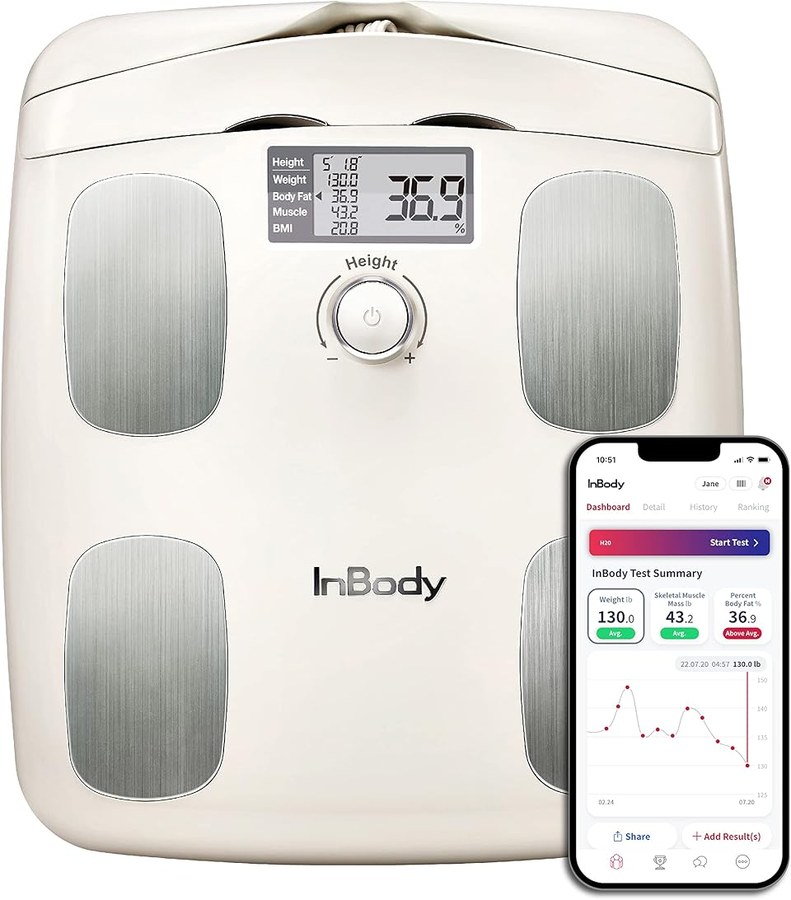
The Formula Most People Get Wrong
The most common protein recommendation you’ll see is 0.8g per kg of body weight — the RDA set by health authorities. This is the minimum required to prevent deficiency in a sedentary person. It is not the optimal amount for maintaining muscle, losing fat, or performing at any level of physical activity.
The current evidence-based recommendation for active individuals, and even for moderately active people aiming to maintain muscle mass, is 1.6 to 2.2 grams of protein per kilogram of lean body mass per day.
Note the phrase: lean body mass. Not total body weight.
This distinction is everything. And it is the reason a body composition test is not just a fitness gadget — it is the only way to calculate your actual protein requirement with accuracy.
Why Lean Mass Is the Right Number
Protein’s primary function is to repair, build, and maintain muscle tissue. Fat tissue requires no protein for maintenance. Consider two men, both weighing 90 kg:
- Man A: 18% body fat — 73.8 kg lean mass
- Man B: 32% body fat — 61.2 kg lean mass
If both calculate protein on total body weight at 1.8g/kg, they both get 162g of protein per day. But Man B has 12.6 kg less muscle mass to support. His actual requirement is closer to 110g. Man A genuinely needs 133g.
The number from the scale gives you neither of these insights. A body composition test does.

How to Calculate Your Number Right Now
- Know your body weight in kg
- Estimate your body fat percentage (rough estimate: most sedentary adult Indian men are between 24–32%; women 30–38%)
- Calculate lean mass: Body weight × (1 − body fat % as a decimal)
- Multiply lean mass by 1.8g
Example: 75 kg woman, estimated 32% body fat.
- Lean mass = 75 × 0.68 = 51 kg
- Protein target = 51 × 1.8 = 91.8g per day
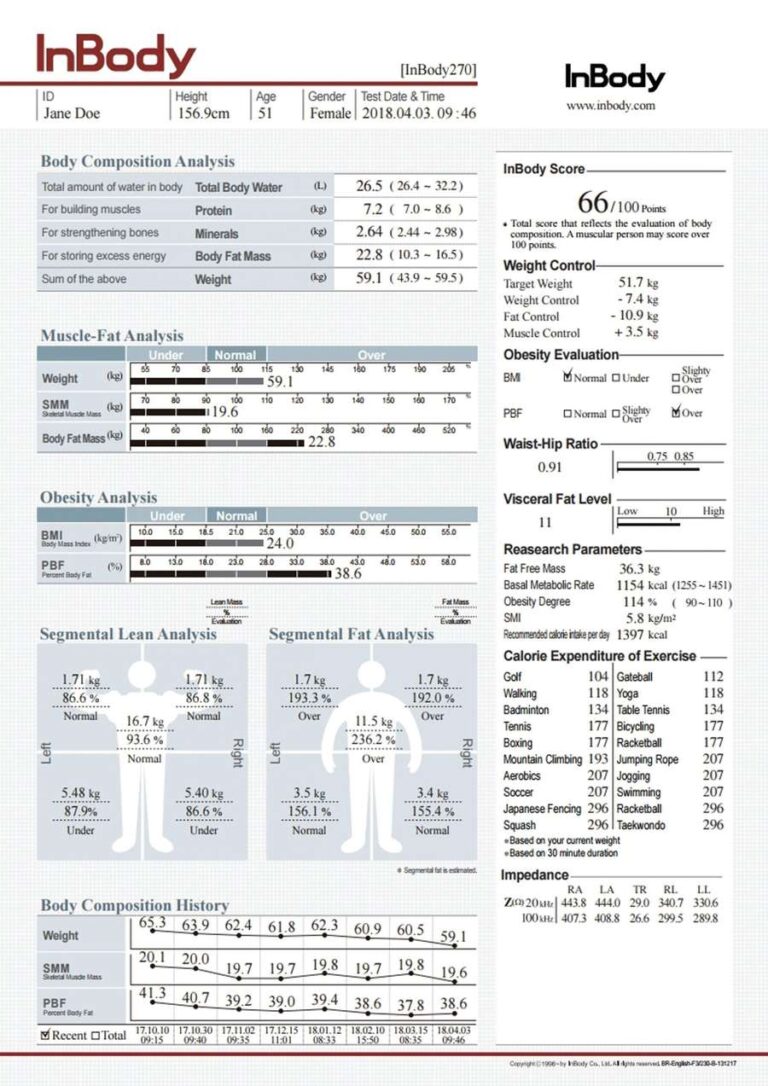
For precision — and to track whether your lean mass is changing over time — get an InBody test. It gives you your exact skeletal muscle mass, from which you can calculate the most accurate protein target possible.
Why Indian Diets Are Structurally Low in Protein
Indian cuisine is not low-protein by cultural intent — it’s low-protein by portion architecture. The way most Indian meals are built, carbohydrates dominate the plate and protein sources appear as accompaniments rather than foundations.
- A typical North Indian thali: 4 rotis, 1 bowl rice, half a bowl dal, a small sabzi. Protein: ~22–28g.
- A typical South Indian breakfast: idli (4 pieces) with sambar and chutney. Protein: ~12–16g.
- A typical office lunch: rice + rajma or chole (one bowl). Protein: ~18–22g.
If your target is 90g per day, and your first two meals deliver 40g combined, you have 50g to find in dinner, snacks, and anything in between. Most Indians don’t find it. The food is wholesome. The protein architecture needs rebuilding.
Protein Sources Ranked for the Indian Diet
- Chicken breast (100g cooked): 31g protein — the most efficient animal source
- Fish (rohu, surmai, pomfret — 100g cooked): 22–26g protein — excellent, especially coastal regions
- Eggs (1 whole egg): 6g protein — cheap, complete protein; two eggs = 12g at minimal cost
- Paneer (100g): 18g protein — the vegetarian workhorse; buy low-fat paneer to reduce calorie load if in a deficit
- Greek yogurt / hung curd (150g): 12–15g protein — underused in Indian diets; excellent snack or meal addition
- Soy chunks / meal maker (100g dry): 52g protein — the most protein-dense plant food available in India; often ignored
- Tofu (100g): 8g protein — versatile; good in stir-fries and curries
- Lentils / dal (1 cup cooked): 15–18g protein — good, but incomplete protein; complement with rice or roti for full amino acid profile
- Chana / chickpeas (1 cup cooked): 15g protein — convenient, high in fibre, useful as a meal base not just a side
A Sample 2,400-Calorie Indian Day Hitting 120g Protein
- Breakfast (7:30am): 3-egg omelette with vegetables + 1 bowl poha + 1 cup soy milk. Protein: ~38g. Calories: ~520.
- Mid-morning (10:30am): 150g Greek yogurt / hung curd with a handful of roasted chana. Protein: ~20g. Calories: ~200.
- Lunch (1:00pm): 2 rotis + 1 large bowl thick dal + 100g paneer sabzi + salad. Protein: ~35g. Calories: ~650.
- Evening (4:30pm): 1 scoop whey protein in water or 100g soy chunks stir-fry. Protein: ~20–25g. Calories: ~150–200.
- Dinner (8:00pm): 1 cup brown rice + fish curry (150g fish) or chicken curry + sabzi. Protein: ~30g. Calories: ~650.
Total: ~120–125g protein at approximately 2,200–2,400 calories. No supplements mandatory. No imported foods. No cooking methods that aren’t already in most Indian kitchens.
Myths That Keep Indians Protein-Deficient
“Too much protein damages your kidneys.”
This is true only for people who already have chronic kidney disease. For healthy individuals with normal kidney function, no credible clinical evidence supports kidney damage from high protein intake. A 2018 review in the Journal of Nutrition and Metabolism found no adverse kidney effects at intakes up to 2.2g/kg body weight in healthy adults.
“Vegetarians can’t get enough protein.”
Incorrect but understandable given how poorly most vegetarian Indian diets are structured for protein. A vegetarian diet can absolutely meet a 1.8g/kg lean mass target — but it requires intentionality. Paneer, dal, soy chunks, Greek curd, eggs (if ovo-vegetarian), tofu, and chana must be actively incorporated in quantity, not as garnishes.
“Dal gives you plenty of protein.”
Dal is a good protein source, not a sufficient one on its own. If you’re eating 4 rotis and half a bowl of dal, you’re getting perhaps 12g of protein from the dal. Invert the proportion and dal becomes genuinely useful.
Know Your Lean Mass. Know Your Number.
The calculation above gives you an estimate. An InBody body composition test gives you a precise number — your exact skeletal muscle mass — from which you can calculate the protein intake that matches your actual physiology, not a population average.
This matters because protein requirements change as you build muscle or lose fat. A test every 3 months tells you whether your lean mass is increasing (good — slightly raise protein target), decreasing (concerning — investigate why), or stable (recalibrate as needed).
Frequently Asked Questions
How much protein does the average Indian adult need?
A general guideline is 0.8-1g per kg of body weight for sedentary adults, rising to 1.2-1.6g per kg for those doing regular strength training, and up to 2g per kg for aggressive muscle-building phases.
Can vegetarians meet their protein needs in India?
Yes, through a combination of dal, paneer, curd, milk, soy/tofu, and legumes, though vegetarians often need to eat larger quantities or add a plant protein supplement to hit the same targets as non-vegetarians easily.
How do I know my exact protein target?
Your protein need scales with your lean body mass, not just total weight — a body composition test that reports skeletal muscle mass gives a far more precise target than a generic per-kg formula.

Most trending articles
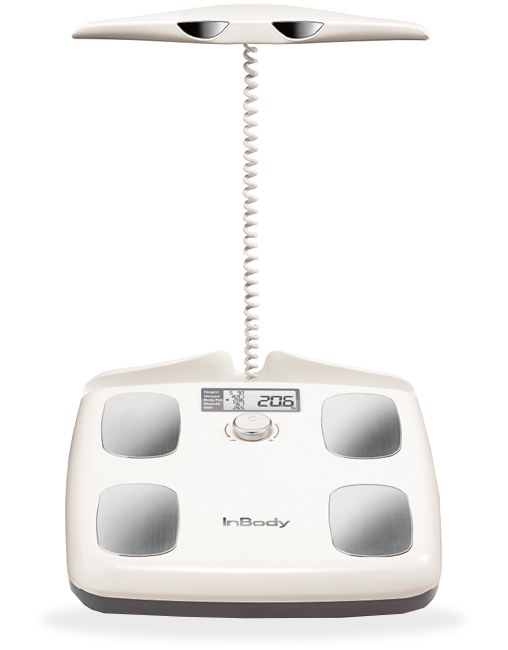
वज़न बढ़ाने के लिए क्या खाएं? सही डाइट प्लान (सिर्फ ज़्यादा खाना नहीं)
सिर्फ ज़्यादा खाने से मांसपेशी नहीं बनती, चर्बी बढ़ सकती है। सही कैलोरी सरप्लस, प्रोटीन और डाइट प्लान जो वज़न को सही तरीके से बढ़ाए — पूरी जानकारी हिंदी में।
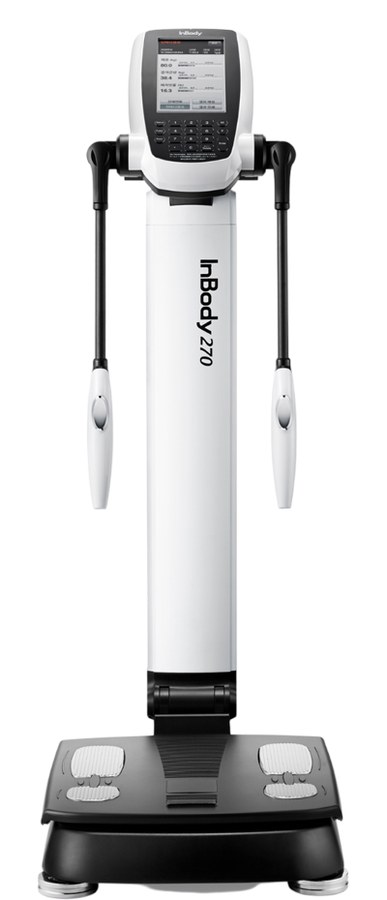
भारत में प्रोटीन कितना ज़रूरी है? असली आंकड़े और सही फॉर्मूला
IMRB के एक सर्वे में लगभग 73% भारतीय आहार प्रोटीन-कम पाए गए। सही प्रोटीन टारगेट कैसे निकालें और किन फूड्स से पूरा करें — पूरी जानकारी हिंदी में।
Weight Loss या Fat Loss: असली फर्क क्या है?
वज़न घटना और चर्बी घटना एक चीज़ नहीं है। तेज़ी से वज़न घटाने पर मांसपेशी क्यों चली जाती है, और असली फर्क कैसे पता करें — हिंदी में पूरी जानकारी।