In this modern era, getting proper sleep has become a challenge for most of us. This is because most of the individuals are exposed to screens before sleep, not having a sleep routine and improper eating habits are some of the main reasons behind improper sleep hygiene.
Sleep hygiene has a relationship with fitness. A person or an athlete who has proper sleep can perform better during his/her training session or a match.
But why proper sleep is needed?

Proper sleep during the night helps in the recovery of the muscles and helps gain energy lost in the day. This helps in improving the physical performance of an individual. Individuals who do exercise regularly have been reported to get proper sleep. Improper sleep or sleep deprivation can cause low energy, impaired cognitive function, and overall development.
Understanding Sleep Hygiene
What is sleep hygiene?
Sleep hygiene is the practice of getting an adequate amount of sleep at night regularly. These practices include a consistent sleep schedule, avoiding screen exposure before bedtime, avoiding alcohol and other substances, limiting long naps during daytime, comfortable sleep environment, bedtime rituals, and avoiding heavy meals before bedtime.
- Consistent sleep schedule: A consistent sleep schedule is a practice of going to bed and waking up at the same time every day. This helps in regaining circadian rhythm. Circadian rhythm is nothing but your body’s internal clock. Having a consistent sleep schedule can help an individual with his/her natural sleep cycle.
- Avoiding Screen Exposure before Bedtime: Sleep is regulated by an enzyme called melatonin which makes us feel drowsy. Blue light that is emitted from the screen interferes with the production of melatonin which eventually makes sleep quality bad.
- Avoiding Alcohol and other substances: Alcohol and other substances lower the quality of sleep. People face frequent awakenings during the night. Other substances such as nicotine or caffeine also affect the same way.
- Limiting long naps during the daytime: Taking long naps during the daytime affects the sleep cycle and makes you feel active late at night making you sleep late. Short naps or power naps are beneficial as they fill you with energy and you feel rejuvenated.
- Creating a comfortable environment: While you might sleep in any condition sleeping in a comfortable environment is beneficial for the quality of sleep. A dark and quiet environment with cool room temperature is required to get proper sleep.
- Bedtime rituals: Engaging in relaxing activities such as taking a warm bath, meditation, reading a book, or listening to calming music helps get better quality sleep.
- Avoiding heavy meals before bedtime: Having a spicy or heavy meal will make you feel uncomfortable and heavy and have a burning sensation in your stomach which disrupts the ability to sleep. Along with that frequent awakening might also happen.
Sleep quality is important for athletes and fitness professionals as good quality sleep helps in recovering energy, prevents fatigue, enhances motivation, and repairs torn-out muscles. It also helps in protein synthesis, weight control, appetite control, and metabolism. Quality and an adequate amount of help in focus and keep you healthy.

Below are the points that explain how sleep quality helps in recovery and How Sleep Quality Supports Recovery and Muscle Growth
Sleep plays a crucial role in recovery and overall fitness. It directly affects muscle repair, energy levels, and performance.
Hormonal Regulation
During sleep, the body releases important hormones like growth hormone and testosterone. These hormones help repair tissues and support muscle growth. Most of this activity happens during deep sleep.
Protein Synthesis
Proper sleep improves protein synthesis. This is the process where the body uses amino acids to repair and build muscle. Without quality sleep, this process becomes less effective.
Muscle Glycogen Replenishment
Glycogen is the main source of energy during exercise. It gets depleted during workouts. Good sleep helps restore glycogen levels. Without enough sleep, energy levels drop, which affects performance the next day.
Inflammation Reduction
Exercise causes small amounts of muscle damage and inflammation. Sleep helps reduce this inflammation and supports faster recovery. This also reduces soreness and discomfort.
Why Sleep Matters for Performance
Sleep quality is essential for improving athletic performance and endurance. It helps in:
- Boosting energy levels
- Improving coordination and motor skills
- Enhancing muscle recovery
- Supporting heart health
- Regulating metabolism
- Improving focus and cognitive function
What Are Sleep Disorders?
Sleep disorders are conditions that affect your ability to get proper sleep. They disturb your normal sleep pattern and reduce sleep quality.
Common types include:
- Insomnia
- Sleep Apnea
- Restless Leg Syndrome
- Narcolepsy
- Shift Work Disorder
- Parasomnias
Common Sleep Disorders Explained
Insomnia
Insomnia makes it difficult to fall asleep or stay asleep. It can be short-term or long-term. Causes include stress, anxiety, depression, or medication.
Restless Leg Syndrome (RLS)
RLS creates an uncomfortable crawling sensation in the legs. This leads to an urge to move the legs constantly, disturbing sleep.
Narcolepsy
Narcolepsy is a neurological disorder. It affects the brain’s ability to control sleep and wake cycles, causing sudden sleep episodes.
Impact of Poor Sleep on Fitness
Lack of sleep negatively affects both health and fitness. It can lead to:
Hormonal imbalances
Reduced strength and performance
Poor muscle-brain coordination
Low motivation to exercise
Slower muscle recovery and growth
Increased risk of injury
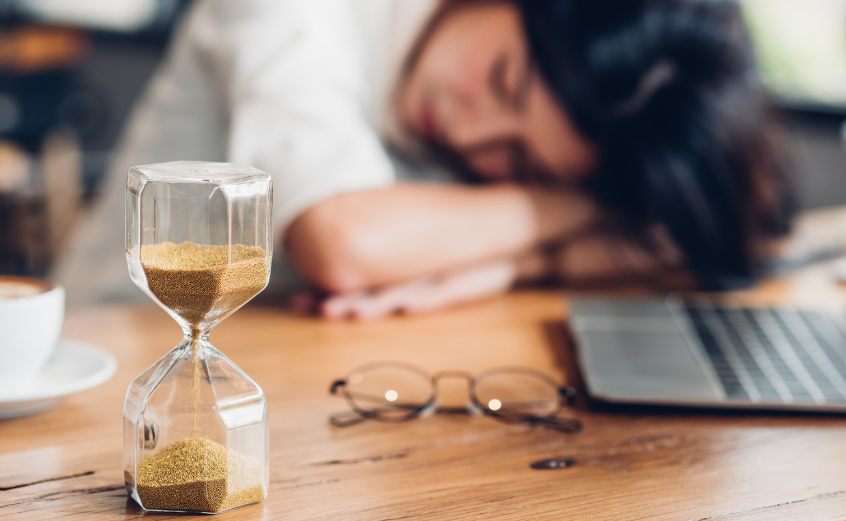
Now the question is how can someone improve their sleep quality?
Improving the quality of sleep and sleep cycle is very easy. An individual can implement certain practices that can help them improve their sleep quality. Practices such as maintaining a consistent sleep schedule, creating a relaxing bedtime routine, optimizing the sleep environment, avoiding screen exposure before going to sleep, and regular exercise can help an individual improve sleep quality and wake-sleep cycle.
Hence quality sleep is important for an individual to stay healthy. Quality sleep results in improved cognitive function, performance, muscle recovery & repair, and building new muscle fiber. It also helps in the overall growth of a person and reduces the risk of injury. Therefore, it is always advised to get at least 8hr of sleep as quality sleep is one of the building blocks of health.

Find an InBody Scanner Near You
References & Further Reading
- PMC 2021. Association of Body Composition with T2DM: InBody 770 retrospective chart review, n=2,404. PMC8122668.
- Scientific Reports 2019. Body Composition using DEXA and T2DM: Systematic Review and Meta-Analysis — VFM odds ratios. Nature.
- Signal Transduction and Targeted Therapy 2025. Molecular signatures of skeletal muscle insulin resistance in T2DM. Nature 2025;10:320.
- World Journal of Diabetes 2024. Body composition and metabolic syndrome in T1DM — VFI, skeletal muscle mass, and insulin resistance. WJD 2024;15(1):81–91.
- PMC 2025. BMI and glycaemic control in T2DM — cross-sectional study, n=200, HbA1c correlation. PMC11853989.
- InBody BWA. Diabetes Application — clinical use of InBody for T2DM screening and management. inbodybwa.com.
- Kalra S et al. Indian Consensus on Sarcopenia including T2DM sarcopenic obesity. Int J Gen Med. 2025;18:1731–1745.
- Reviews in Endocrine and Metabolic Disorders 2025. Skeletal muscle atrophy and dysfunction in obesity and T2DM — myocellular mechanisms. Springer Nature.