
Fitness 5 min read
Is Walking Cardio? What Counts (and What Doesn’t)
Somewhere along the way, we got comfortable. Too comfortable. We started counting steps and mistaking movement for effort. We put on fitness trackers, walked the dog around the…
Reading about body composition? Find an InBody test centre near you →
Somewhere along the way, we got comfortable. Too comfortable. We started counting steps and mistaking movement for effort. We put on fitness trackers, walked the dog around the block, and told ourselves: “Hey, I did my cardio today.”
Did you? Or did you just move?
Let’s get honest. Walking has its place it’s accessible, gentle, meditative even. It’s a great entry point for people recovering from injuries or just starting to move after a long sedentary stretch. But calling it “cardio” in the way your body actually needs cardio? That’s a stretch.
Walking ≠ Cardio. Not in the way you think.

Cardio, real cardiovascular training, challenges your heart and lungs. It makes you sweat, raises your heart rate into a zone where your body has to adapt, and builds endurance. It conditions your cardiovascular system to handle stress.
A slow 30-minute walk doesn’t do that. Not unless you’re deconditioned or severely out of shape and even then, only for a short while. Eventually, your body adapts. What was once a challenge becomes background noise.
If your pulse barely climbs, if your breath stays even, if you’re still able to carry a full conversation without breaking rhythm you’re not doing cardio. You’re just moving.
Now to be fair not all walking is created equal.
There’s a kind of walking that does count as cardio. It’s called brisk walking, and it meets a simple standard:
- You’re walking at a pace of 3.5 to 4.5 mph, or
- Your heart rate reaches 60–75% of your maximum heart rate, and
- You’re breathing harder, talking in short bursts, but not gasping.
This is the kind of walking that can improve heart health, burn fat, and boost endurance if you’re doing it regularly and with purpose. Hills, inclines, fast pace, swinging arms, no scrolling on your phone now we’re talking.
But let’s not pretend that every step counts equally.
We’ve lowered the bar. And that’s a problem.
We live in a time when comfort is killing us slowly. Our standards for physical effort are so low, they don’t even trigger change. We’ve replaced intensity with consistency which sounds good, until you realize consistency without challenge is just coasting.
Worse, we’ve convinced ourselves that any movement is “good enough.” That illusion is comforting and dangerous. It lets people stay exactly where they are, health-wise, while believing they’re making progress.
Want a reality check? Get an InBody test.
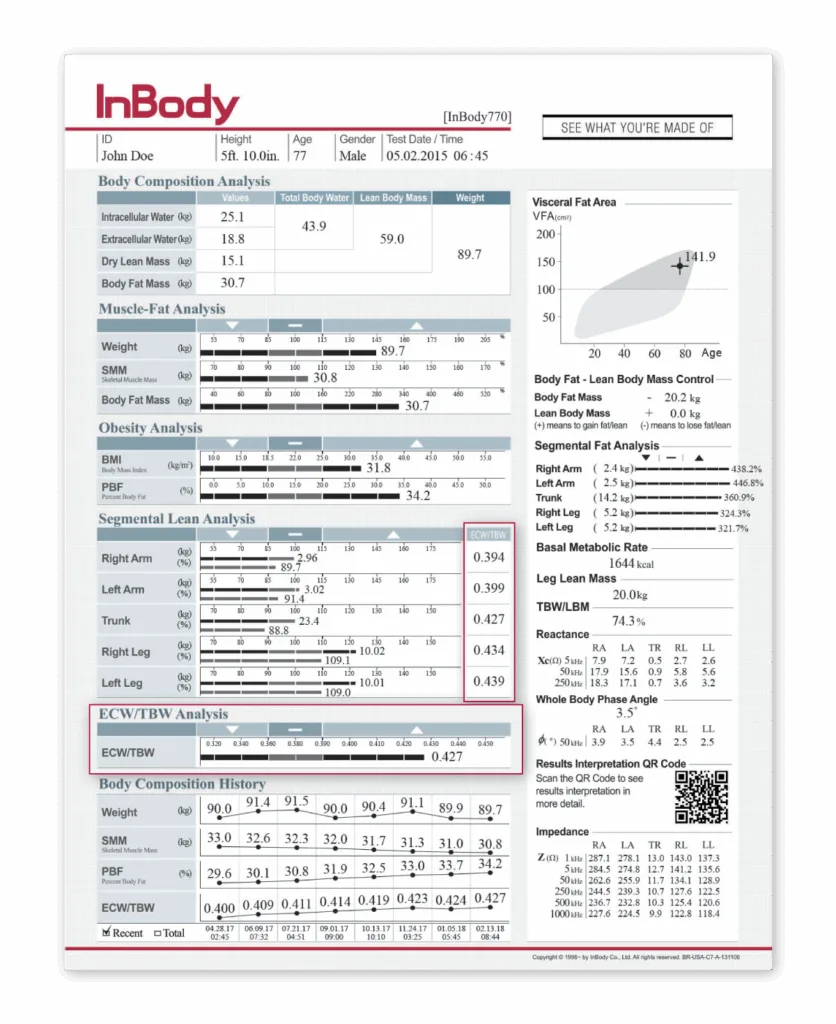
Here’s where it gets real: your step count doesn’t tell you what’s happening inside your body. An InBody scan does.
InBody tracks your body fat percentage, lean muscle mass, visceral fat levels, and more. It gives you hard data no filters, no wishful thinking. You might be walking every day, but if your body fat isn’t dropping and your muscle mass is stagnating, the truth is clear: you’re not training effectively.
This isn’t about shaming. It’s about measuring what matters. InBody helps you track the right metrics not just movement, but actual change. Use it to keep yourself honest.
Here’s the truth: If you want results, you have to earn them.
Cardio is not meant to be easy. It’s not a casual stroll. It’s sweat. It’s pushing. It’s that burn in your chest when you’re doing hill sprints, cycling hard, or rowing like you mean it. It’s zone 2 and beyond. It’s where your body says, “This is hard,” and you respond, “Good. Let’s go.”
That’s where the change happens. Not in your comfort zone, but just past it.
Brisk Walking: Way More Powerful Than It Looks
It’s easy to overlook walking, especially when everyone’s hyping intense workouts. But a good, steady walk especially at a brisk pace packs more benefits than most people realize.
Heart Health? Covered.
One study (yes, it was a big one) found that women who walked quickly for a few hours a week actually lowered their risk of heart problems by over 30%. And it’s not just about the heart walking like this helps bring down cholesterol and inflammation too. That’s huge, especially if you’re not into heavy cardio.
Menopause and Movement
If you’re postmenopausal, brisk walking can be a quiet hero. It’s been tied to better bone strength, less belly fat, better sleep, and even a calmer mood. Hormone shifts during menopause mess with a lot, including heart protection but walking can help make up for that.
Blood Pressure Bonus
Here’s something surprising: researchers in 2024 found that brisk walking actually helped lower blood pressure both top and bottom numbers and in some cases, it worked as well as medication. No side effects, just steps.
So what now? Stop walking?
No. Keep walking. Walk for your mind, your joints, your digestion, your clarity. Walk because it feels good and clears the noise. But don’t confuse it with training. Don’t lie to yourself about the effort it takes to get fit, stay fit, or improve your heart health.
Use walking as a base, not the peak.
If you care about your health truly care stop mistaking movement for progress. Your heart deserves more than a gentle stroll. Your body deserves data, not guesses. Get out of cruise control. Push. Track. Improve.

Find an InBody Scanner Near You
