
So, What Even Is Muscle Imbalance?
Ever notice how one arm feels way stronger than the other? Or maybe one leg tires out faster? That’s not just in your head; that’s muscle imbalance.
Basically, one muscle (or group) is pulling more weight than its opposite. Perhaps it’s tighter or stronger. In any case, it throws your body out of sync. In fact, it eventually results in bad posture, odd ways of moving, and sometimes even discomfort.
Think about this: if one of your tires is deflated, the ride of your car feels odd. Your body does the same, changing, twisting, and overcompensating to get through the day.
You’ve Probably Seen These Examples Without Realizing:
- Always carrying your bag on the same shoulder = stronger on one side
- Sitting hunched all day = tight chest, weak back
- Lifting with one side more than the other = uneven strength
Some imbalances are structural (like something’s off with your bones or joints), but most? They’re from habits how we sit, stand, move, or train.
Types of Muscle Imbalance
There’s not just one way your muscles can be out of sync. Here are a few common types, and yeah, chances are, you’ve dealt with at least one of these without even knowing.
1. Side-to-Side Imbalance
One side of your body is just… doing more.
Maybe it’s your right arm always holding the grocery bags, or your left leg leading every stair step. Over time, the more active side builds more strength, leaving the other one lagging.
Think about it when’s the last time you used your non-dominant hand for anything heavy?
2. Front-to-Back Imbalance
This one’s super common especially in gym-goers who love chest day and forget about the back.
You’ve got overworked muscles in the front (like the pecs or quads), and the ones in the back (like glutes or rear delts) are weak or underused. The result? Rounded shoulders, poor posture, and strain in places that shouldn’t be strained.
3. Upper-Lower Body Imbalance
Yep, the old “don’t skip leg day” cliché exists for a reason.
Some people crush upper body training but barely touch their lower half. The legs and glutes stay undertrained, while the arms, chest, and shoulders keep getting stronger. It might not seem like a big deal until your back starts aching or your knees feel the pressure during basic movements.
Effects of Muscle Imbalance
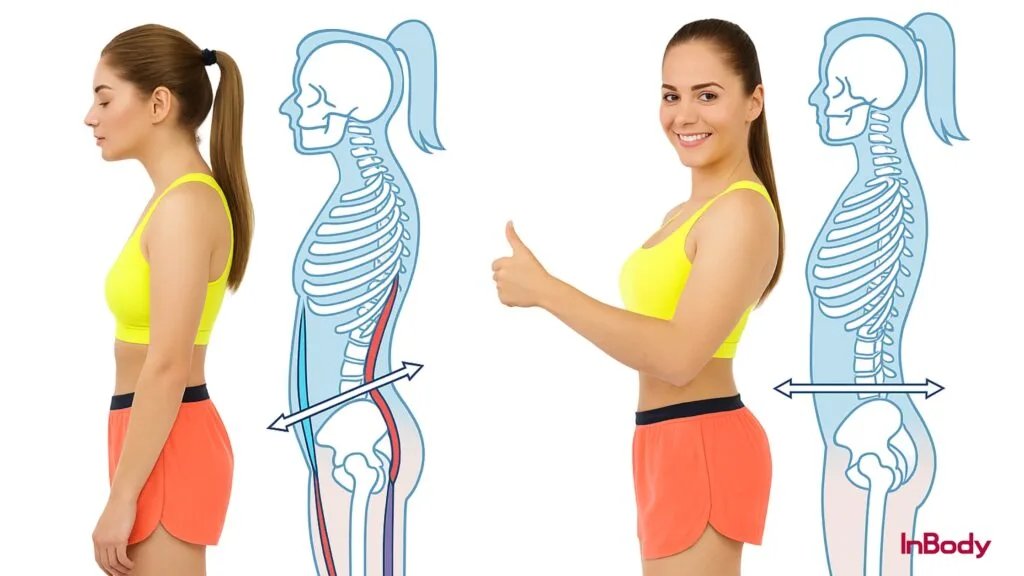
Where Do These Imbalances Come From?
They don’t just show up overnight. Most muscle imbalances are built slowly, from habits we barely notice.
Let’s break down a few culprits:
Repetitive Movement
We’re creatures of habit. Always using the same arm to carry your laptop? Or the same leg to push off when walking up stairs? That side gets stronger. The other? Not so much.
Poor Training Routines
Some people only train the muscles they can see in the mirror, chest, biceps, abs and forget about everything else. No glutes, no hamstrings, no deep core work. That kind of imbalance shows up later… usually in the form of discomfort or poor posture.
Injuries & Compensation
Got injured on one side? Your body starts relying on the other. It’s smart, but if you don’t rebalance later, it sticks. That one-sided reliance becomes your new normal.
Lifestyle Stuff (Like Sitting All Day)
Your desk job isn’t helping. Slouching forward, crossing the same leg, or sleeping on one side all that adds up over time. It shortens some muscles and weakens others. The result? Tight hips, weak glutes, and a posture that slowly falls apart.
How InBody Helps Spot and Fix Muscle Imbalances
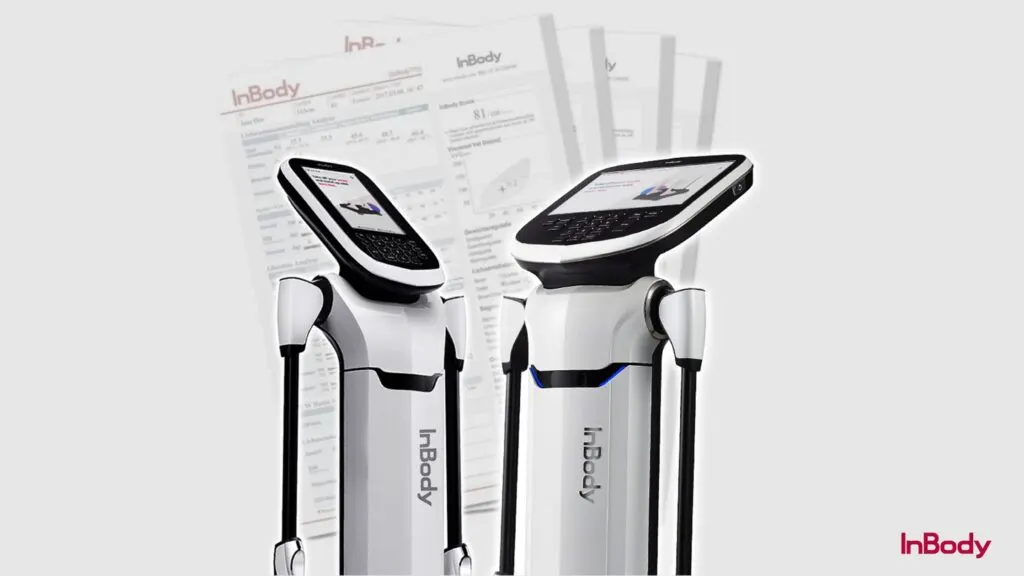
Ever wish you could just see what’s going on inside your body? That’s basically what InBody lets you do.
Instead of guessing which side of your body is stronger or which part needs more attention, InBody gives you hard data. It breaks down your muscle mass by individual segments: each arm, each leg, and your trunk. So, if your left leg is lagging or your right arm is overcompensating, you’ll know it right away.
And the best part? You can track changes over time. That means you’ll actually see if your workouts are working, not just feel it. It’s like having a mirror for your muscle balance. No fluff. Just clear, visual feedback you can act on.
Why Fixing Muscle Imbalance Actually Matters Let’s Be Real
When your muscles are working in sync, everything from how you move to how you feel just clicks. But if one area’s pulling more weight than the other? Things get off. You start to feel stiff, slow, maybe even a little off balance. Over time, that catches up to you.
Here’s what balancing things out can really change:
You’ll stand better – Not just “good posture” in theory, but actually standing taller without feeling sore halfway through the day.
Moving gets easier – If certain muscles aren’t constantly overcompensating, your joints feel freer, and there’s less stiffness.
Fewer injuries – When your body isn’t fighting itself, there’s less chance of pulling something or putting too much pressure on one area.
More control in workouts (or sports) – You feel smoother when you run, lift, swing, whatever. Things just feel more “stable.”
Every day stuff feels lighter – Carrying groceries, picking something off the floor, walking stairs, less of a struggle.
InBody doesn’t just tell you how much muscle you have, it shows you where you have it, and where you need more. That kind of insight is a game-changer when it comes to fixing imbalances and building a stronger, more balanced body.
References & Further Reading
- PMC 2021. Association of Body Composition with T2DM: InBody 770 retrospective chart review, n=2,404. PMC8122668.
- Scientific Reports 2019. Body Composition using DEXA and T2DM: Systematic Review and Meta-Analysis — VFM odds ratios. Nature.
- Signal Transduction and Targeted Therapy 2025. Molecular signatures of skeletal muscle insulin resistance in T2DM. Nature 2025;10:320.
- World Journal of Diabetes 2024. Body composition and metabolic syndrome in T1DM — VFI, skeletal muscle mass, and insulin resistance. WJD 2024;15(1):81–91.
- PMC 2025. BMI and glycaemic control in T2DM — cross-sectional study, n=200, HbA1c correlation. PMC11853989.
- InBody BWA. Diabetes Application — clinical use of InBody for T2DM screening and management. inbodybwa.com.
- Kalra S et al. Indian Consensus on Sarcopenia including T2DM sarcopenic obesity. Int J Gen Med. 2025;18:1731–1745.
- Reviews in Endocrine and Metabolic Disorders 2025. Skeletal muscle atrophy and dysfunction in obesity and T2DM — myocellular mechanisms. Springer Nature.