
Fitness 17 min read
Gym Safety Protocol: The Essential Guide to the New Normal
India’s gyms are open again. However, opening the doors is not the same as being safe. In fact, a gym operating without rigorous, evidence-based safety protocols is not…
Reading about body composition? Find an InBody test centre near you →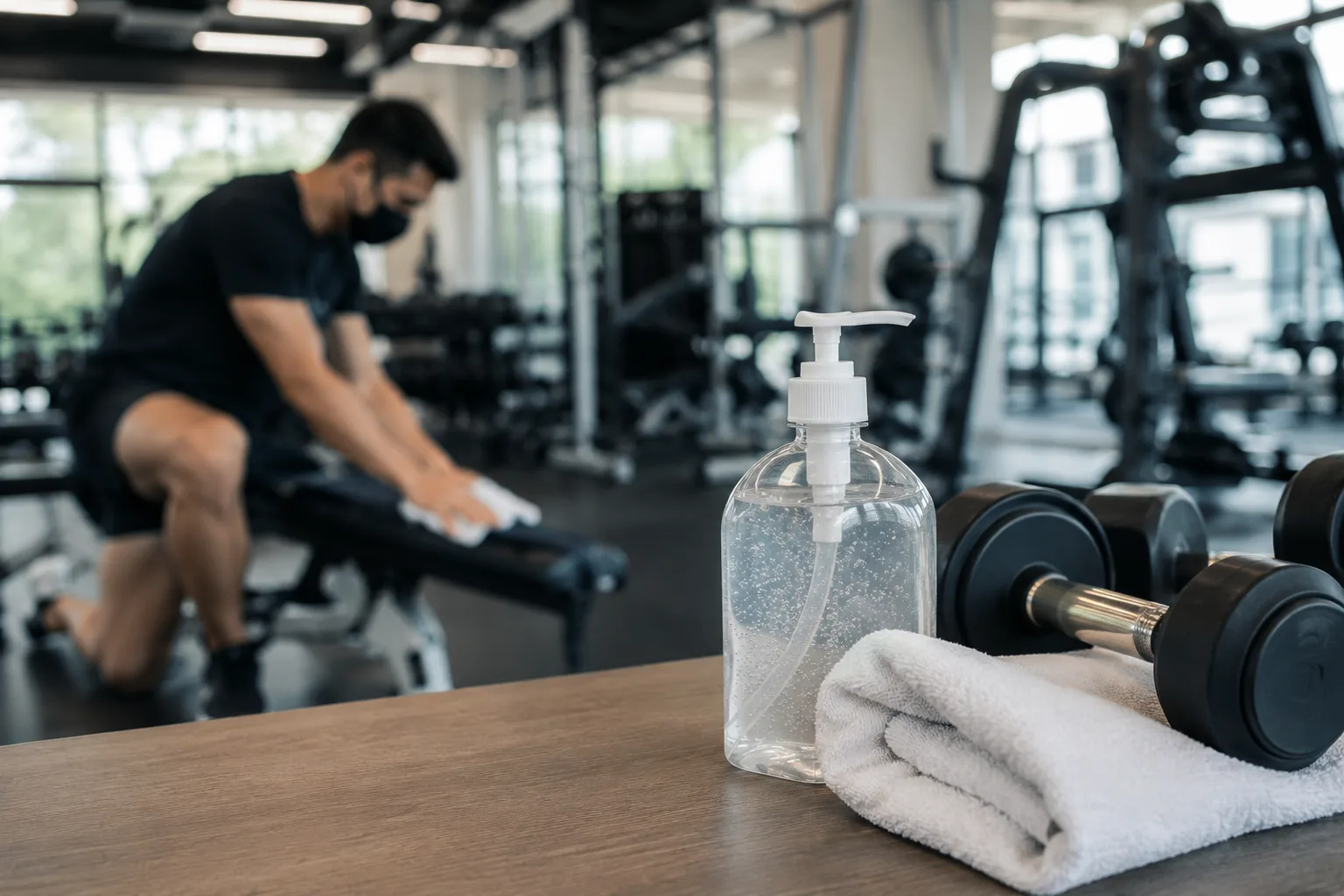
India’s gyms are open again. However, opening the doors is not the same as being safe. In fact, a gym operating without rigorous, evidence-based safety protocols is not simply a business risk, it is a clinical risk for every member who walks through the door. Furthermore, the risks are not limited to surface transmission of pathogens. The bigger risk is this: millions of Indians are returning to exercise after months or years of inactivity, carrying hidden changes in body composition, elevated visceral fat, depleted muscle mass, and compromised metabolic health that make them genuinely vulnerable to exercise-related injury and illness.
Consequently, gym safety in the new normal requires two parallel frameworks. First, a rigorous environmental and hygiene protocol that reduces infection risk. Second, a body composition screening protocol that identifies members who need modified exercise intensity before they injure themselves or experience a cardiac event. This article covers both in full, clinical detail for gym owners, fitness professionals, and healthcare providers working with returning gym members in India.
| 12 Non-negotiable safety protocols every Indian gym must implement before reopening | 6+ months Average deconditioning period for Indian gym members during COVID lockdowns | 38% Of Indian adults with normal BMI found to have dangerously high visceral fat on InBody scanning | 60 sec Time for a complete InBody body composition scan the fastest clinical screening tool available |
WHO THIS GUIDE IS FOR
This guide is written for three audiences: gym owners and managers implementing safety systems, fitness professionals and personal trainers advising returning members, and healthcare providers and sports medicine clinicians working with patients who are returning to exercise after periods of inactivity or illness. All protocols are supported by the WHO, MoHFW, and peer-reviewed clinical evidence.
Why the New Normal Gym Is Fundamentally Different And Why That Matters Clinically
Before the pandemic, most Indian gyms operated on an implicit assumption: members arrive fit, train, and leave. The gym’s responsibility was primarily equipment safety and cleanliness. In the new normal, however, that assumption is clinically indefensible. As a result, gym owners and fitness professionals must now operate with a significantly expanded understanding of member health risk.
Specifically, the following three changes define why the new normal gym requires fundamentally different protocols.
The Deconditioning Crisis: What Lockdown Did to Indian Bodies
Extended periods of physical inactivity produce measurable, clinically significant changes in body composition. In particular, skeletal muscle mass declines rapidly during deconditioning at a rate of approximately 0.5–1% per week in inactive adults. Moreover, as muscle mass declines, visceral fat simultaneously accumulates, driven by reduced metabolic rate, increased caloric intake, and elevated cortisol from pandemic-related stress.
Consequently, a member who last attended your gym 12–18 months ago is a physiologically different person from the one who left. Their cardiovascular fitness has declined, muscle mass is lower. Their body fat percentage and visceral fat level are higher. Furthermore, their metabolic health markers, insulin sensitivity, blood pressure, and resting heart rate have likely deteriorated. As a result, returning members should not be treated as resuming training. They should be treated as beginning training.
The Hidden Risk: Why “Looks Healthy” Is No Longer Enough
India’s widespread thin-fat phenotype individuals, who appear slim but carry dangerously high visceral fat and dangerously low muscle mass creates a specific clinical risk in the gym setting. Specifically, a member with a BMI of 22 who appears fit may in reality have a visceral fat level of 11, a body fat percentage of 32%, and skeletal muscle mass significantly below the population norm. When this person begins high-intensity exercise after months of inactivity, the risk of a cardiovascular event, musculoskeletal injury, or metabolic crisis is substantially elevated.
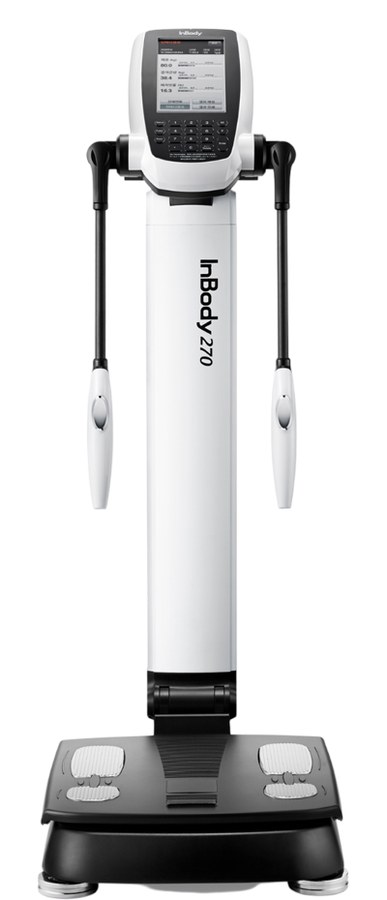
Furthermore, standard health screening tools, such as blood pressure, resting heart rate, and BMI, cannot detect this risk. In contrast, a 60-second InBody body composition scan identifies visceral fat level, skeletal muscle mass, body fat percentage, and ECW/TBW ratio, giving fitness professionals the clinical picture they need to prescribe exercise safely for every returning member.
CLINICAL WARNING FOR FITNESS PROFESSIONALS
Returning members who self-report as “fit” or “active” after extended lockdowns should not be taken at face value. In practice, perceived fitness and actual body composition diverge significantly after 6+ months of inactivity. Consequently, all returning members should complete a body composition assessment before resuming training at pre-lockdown intensity. This is not precautionary, it is clinically indicated.
The 12 Non-Negotiable Safety Protocols for Indian Gyms in the New Normal
The following 12 protocols are drawn from WHO guidelines, India’s Ministry of Health and Family Welfare (MoHFW) SOP for gyms, and peer-reviewed evidence on transmission prevention and exercise safety. Together, they form a complete operational safety framework for any Indian fitness facility.
Protocol 1: Mandatory Entrance Screening: Temperature + Health Questionnaire
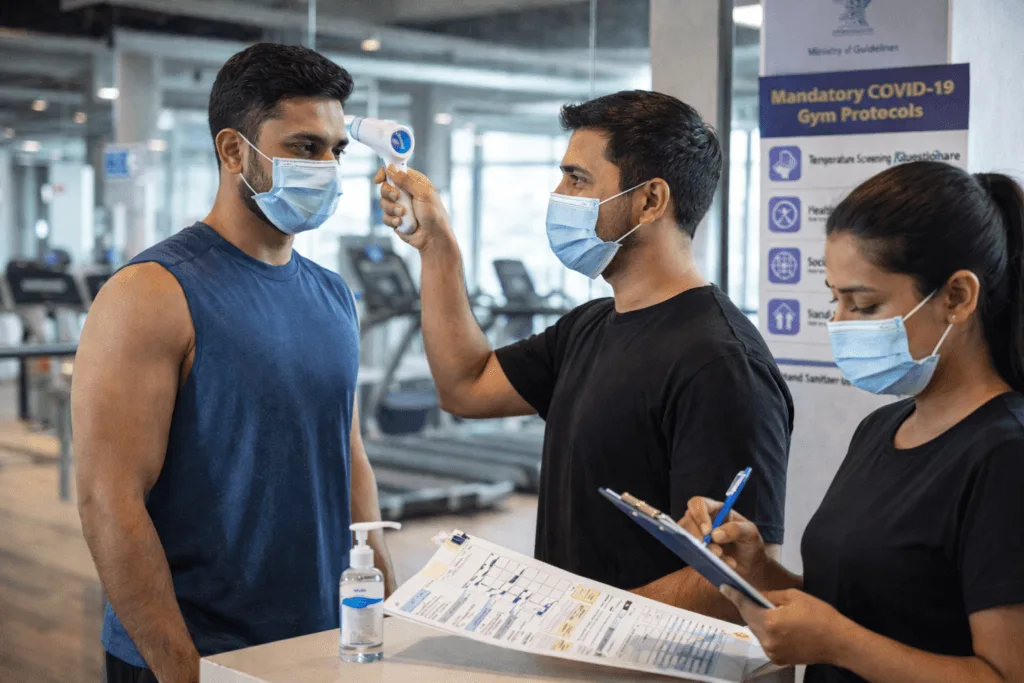
Every member and staff member must be screened at the gym entrance before every visit. Specifically, this screening must include a thermal temperature check (≥37.5°C is a no-entry threshold) and a standardised health questionnaire covering COVID-19 symptoms, recent travel, and contact with confirmed cases in the preceding 14 days.
In addition, members who have tested positive for COVID-19 should not be permitted to return until they have completed a medically supervised recovery period and have clearance from a registered medical practitioner. Furthermore, this clearance should include an InBody body composition scan to assess post-COVID muscle depletion and ECW/TBW ratio, both of which are clinically significant predictors of exercise tolerance after COVID-19 infection.
Protocol 2: Capacity Control The Slot System
Gyms in the new normal must operate at reduced capacity. Specifically, WHO and MoHFW guidelines recommend that fitness facilities limit capacity to allow a minimum of 4 square metres of floor space per person. In practice, this means implementing a slot-booking system, whether through a gym management app, phone booking, or a physical sign-up sheet, that prevents overcrowding at peak hours.
Moreover, slot systems provide an additional benefit beyond infection control: they allow gym staff to pre-identify members who have been inactive for extended periods and schedule them for a returning-member assessment before their first session. Consequently, capacity control and clinical safety become mutually reinforcing rather than competing priorities.
Protocol 3: Sanitisation Stations Placement, Products, and Compliance
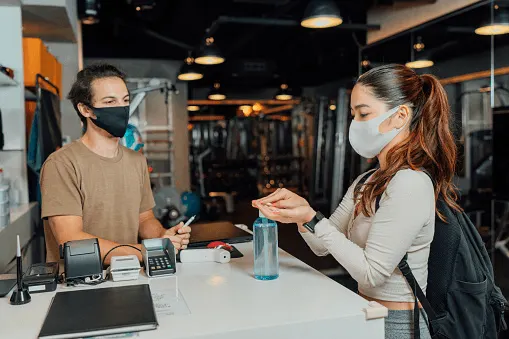
Hand sanitiser stations containing a minimum 70% isopropyl alcohol formulation must be placed at the following locations: at each entrance and exit point, adjacent to every cluster of resistance training equipment, at the entrance to changing rooms and toilets, and at the reception desk. Furthermore, compliance must be enforced, not merely encouraged. Specifically, staff should visually confirm sanitisation at entry before issuing a daily access token or scanning a membership card.
Protocol 4: Equipment Disinfection Before and After Every Use
A gym’s hygiene is only as strong as its weakest disinfection step. In practice, a dual-clean protocol must be implemented: each member disinfects equipment immediately before use and immediately after use. Moreover, gym staff must conduct a supervised deep clean of all high-touch surfaces, barbells, dumbbells, cable handles, treadmill consoles, bench surfaces, and door handles at intervals not exceeding 90 minutes throughout the operating day.
In addition, disinfectant wipes and spray bottles must be accessible within reach of every piece of equipment. Specifically, the disinfectant product used must have demonstrated virucidal efficacy. Products containing quaternary ammonium compounds (QACs), hydrogen peroxide, or 70%+ alcohol are appropriate. Furthermore, all staff responsible for cleaning must be trained in correct application technique, including appropriate contact time (minimum 30 seconds for most virucidal products).
Protocol 5: Ventilation: The Most Underrated Infection Control Variable
The relationship between ventilation and airborne pathogen transmission is well established in the clinical literature. Specifically, SARS-CoV-2 aerosols, which are produced in greater quantities during vigorous exercise through increased respiratory rate and tidal volume, accumulate in poorly ventilated indoor spaces. Consequently, a gym with inadequate ventilation is a higher-risk environment than almost any other indoor setting, because members are breathing more heavily than in most other contexts.
Therefore, gyms must ensure a minimum of 6–10 air changes per hour in exercise spaces, achieved through a combination of mechanical ventilation (HVAC systems or industrial fans) and natural ventilation (open windows and doors where possible). Furthermore, where air conditioning is used, the recirculation of air from the exercise space back into the room without external fresh air exchange must be avoided entirely.
Protocol 6: Social Distancing on the Gym Floor
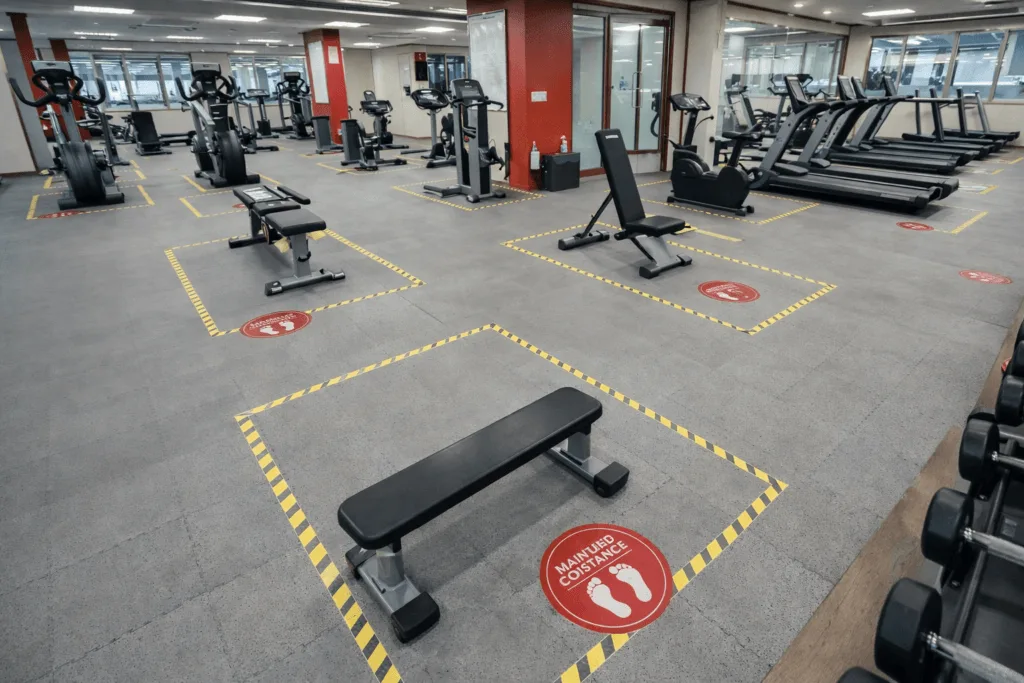
Standard social distancing guidelines of 1 metre are insufficient in a gym environment. In fact, research on respiratory particle dispersion during vigorous exercise shows that aerosols can travel significantly further than 1 metre when exhaled by a person exercising at moderate to high intensity. As a result, the recommended safe distance between members during exercise is a minimum of 2 metres in all directions.
In practice, this means physically repositioning or removing equipment to create the required spacing, placing floor markers clearly indicating minimum distance zones, and enforcing spacing during group fitness classes through fixed station assignments. Moreover, high-intensity cardio equipment, such as treadmills, rowing machines, and exercise bikes, produces the greatest aerosol output and should therefore have the most generous spacing of any equipment category.
Protocol 7: Face Covering Policy Context-Specific Guidance
Face covering policy in gyms requires context-specific application. Specifically, masks are most effective and most feasible during low-intensity activities, such as resistance training, stretching, warm-up, and cool-down. However, the use of face masks during high-intensity cardiovascular exercise raises safety concerns related to increased breathing resistance and potential hypoxic effects in members with respiratory or cardiovascular conditions.
Therefore, the recommended policy is: masks are mandatory in reception, changing rooms, corridors, and during low-intensity activity. Mask use is encouraged but not mandatory during moderate-to-high intensity exercise, provided that the minimum 2-metre distancing protocol is maintained. Furthermore, all staff must wear masks at all times without exception, including during coaching and personal training sessions.
Protocol 8: Shared Amenity Management Changing Rooms, Showers, and Water Stations
Shared amenities represent some of the highest-risk transmission environments in a fitness facility. In particular, changing rooms, showers, and water stations combine close physical proximity, reduced mask compliance, and high-touch surface density. Consequently, the following measures must be implemented without exception.
- Changing rooms: Operate at 50% capacity maximum. Enforce minimum 1-locker spacing between members. Disinfect all surfaces (benches, handles, locker doors) between each user cohort.
- Showers: Implement timed slots where possible. Ensure full disinfection between users. Consider temporarily closing shower facilities if disinfection compliance cannot be guaranteed.
- Water stations and drinking fountains: Drinking fountains should be closed and replaced with sealed bottle-fill stations. Encourage members to bring their own labelled water bottles. Shared water cooler cups must be eliminated entirely.
- Towel policy: Gym-issued shared towels must be replaced with single-use paper alternatives or a mandatory personal towel policy with visible towel possession required for gym floor access.
Protocol 9: Staff Training and Health Monitoring
Safety protocols are only effective if the staff implementing them are themselves healthy, informed, and compliant. As a result, all gym staff must complete a structured COVID-19 safety training programme before returning to work. Furthermore, daily health screening for all staff including temperature checks, symptom questionnaires, and a documented sign-off before each shift, is mandatory and must be retained as a log for a minimum of 28 days.
In addition, staff showing any COVID-19 compatible symptoms fever, cough, loss of smell or taste, fatigue, or shortness of breath must be immediately stood down and must not return to work until they have completed the required isolation period and received medical clearance. Moreover, gym owners should consider periodic body composition screening for their own staff using InBody technology, both as a health benefit and as a practical demonstration of the gym’s commitment to member wellness.
Protocol 10: Communication Strategy Signage, Digital, and Direct
Safety protocols that are not communicated clearly do not exist in practice. Consequently, every gym operating in the new normal must implement a multi-channel communication strategy covering the following: physical signage at all entry points and in all zones of the facility, digital communication through member apps, WhatsApp groups, and email covering policy updates and booking procedures, and direct verbal briefings from staff to members at entry and during sessions.
Furthermore, signage must go beyond generic warnings. Specifically, it should include clear, positive instructions: what members should do (sanitise, space out, book ahead, disclose symptoms) rather than only what they must not do. In addition, communication should be bilingual, where relevant, in Hindi and English at a minimum to ensure comprehension across all member demographics.
Protocol 11: COVID-19 Case Response Plan
Every gym must have a documented, pre-prepared response plan for the event that a member or staff member tests positive for COVID-19 after attending the facility. This plan must include the following elements: immediate temporary closure for a minimum of 24 hours for deep cleaning of all surfaces and HVAC systems, contact tracing of all members who attended the facility in the 72 hours prior to the confirmed case’s last visit, notification to local health authorities in line with MoHFW guidelines, and a transparent member communication protocol.
Moreover, the response plan must be written down, stored accessibly, and rehearsed with all staff before the gym opens. In addition, a clear chain of command for decision-making, who authorises closure, who contacts health authorities, and who communicates with members must be established in advance rather than under the pressure of an active case.
Protocol 12: Body Composition Screening for All Returning Members
This twelfth protocol is the one most frequently overlooked by Indian gyms and it is arguably the most important from a clinical safety perspective. Specifically, every member returning to exercise after a period of extended inactivity must complete a body composition assessment before resuming training. This is not a commercial add-on. It is a clinical safety requirement.
As described earlier in this article, extended deconditioning produces significant and measurable changes in body composition. A member who has lost 3–4 kg of muscle mass and gained equivalent visceral fat during lockdown cannot safely train at the same intensity as before. Furthermore, a fitness professional who prescribes exercise without this information is, in effect, operating with a clinical blind spot that creates genuine liability as well as genuine risk to member health.
InBody in the Gym: More Than a Member Benefit, A Clinical Safety Tool
Gym owners across India are increasingly recognising that InBody body composition analysis is not simply a premium add-on for high-value members. In fact, it is becoming a foundational safety and business tool, one that protects member health, reduces injury risk, demonstrates professional clinical standards, and drives member loyalty through personalised, data-driven programming.
What InBody Shows That No Other Gym Tool Can
A standard gym intake process PAR-Q questionnaire, resting heart rate, and blood pressure capture cardiovascular risk markers. However, it completely misses the body composition changes that most directly affect exercise prescription safety. Specifically, it cannot quantify muscle mass, visceral fat, body fat percentage, or the ECW/TBW ratio that flags systemic inflammation or post-COVID recovery status.
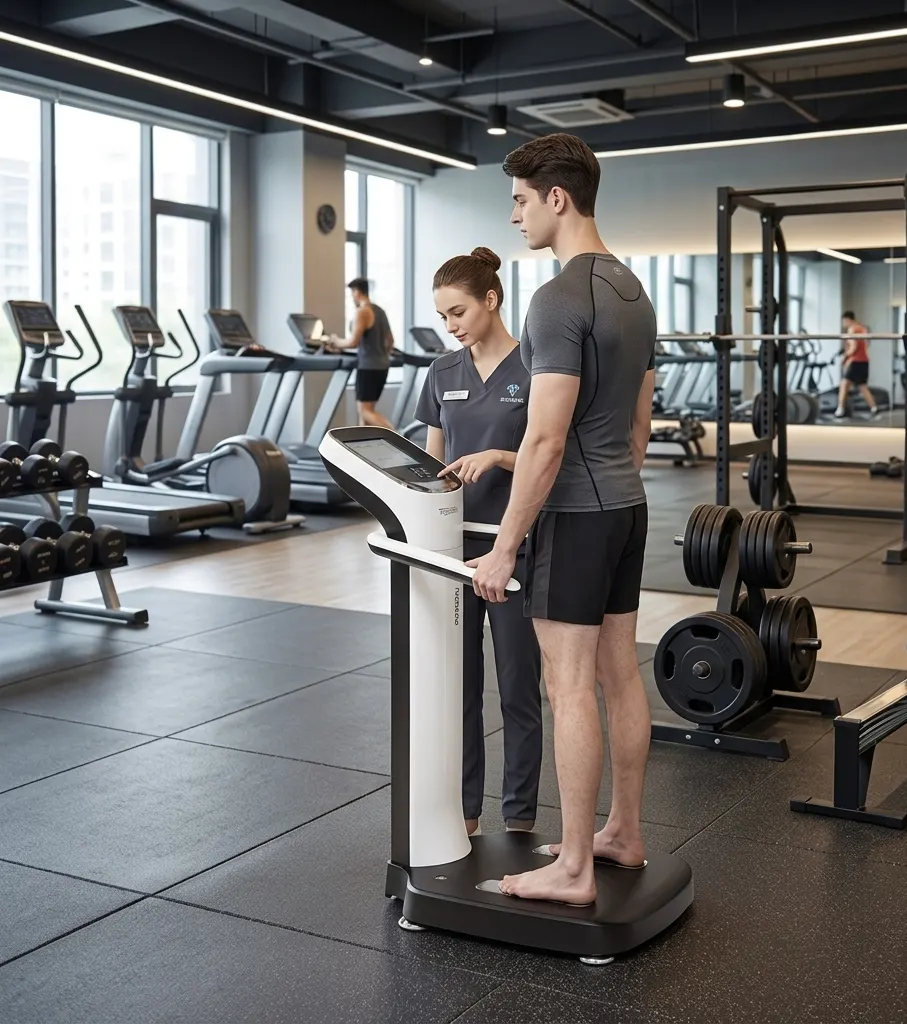
In contrast, an InBody scan completed in under 60 seconds provides all of the following, directly relevant to safe exercise prescription for returning members:
| InBody Marker | What It Reveals | How It Informs Exercise Prescription |
|---|---|---|
| Skeletal Muscle Mass (SMM) | Total lean muscle in kg vs population norm for age/sex | Low SMM = begin with light resistance, increase protein intake; high injury risk if returning to heavy training immediately |
| Visceral Fat Level (VFL) | Abdominal organ fat on a 1–20 scale | VFL ≥10 = cardiovascular caution; prioritise LISS cardio and resistance before HIIT; refer for metabolic assessment if VFL ≥13 |
| Body Fat Percentage (PBF) | Proportion of total body weight that is fat | Establishes baseline for programming and realistic goal-setting; replaces BMI as the primary body composition benchmark |
| Segmental Lean Analysis | Muscle mass per limb and trunk | Identifies left-right imbalances predicting injury risk; reveals leg muscle deficits requiring targeted corrective work |
| ECW/TBW Ratio | Systemic inflammation and cellular health marker | Ratio ≥0.390 = possible post-COVID inflammation or nutritional compromise; defer high-intensity training; refer to physician |
| InBody Score (0–100) | Composite muscle-fat balance index | Single motivating number for member engagement; tracks response to training programme over 8–12 week review cycles |
The Business Case: Why Body Composition Analysis Increases Gym Revenue
Beyond the clinical safety argument, InBody body composition analysis generates a measurable return on investment for Indian gym operators. Specifically, research on gym member behaviour consistently shows that members who receive regular body composition data are significantly more likely to maintain their membership, attend more frequently, and purchase premium services such as personal training and nutrition coaching.
Furthermore, the InBody result sheet with its clear, visual breakdown of muscle mass, fat, and visceral fat serves as a powerful motivational tool that a standard scale cannot replicate. In addition, displaying InBody scanning as part of a gym’s new normal safety protocol communicates a level of professional, evidence-based care that differentiates premium fitness facilities from competitors who offer only standard hygiene measures.
FOR GYM OWNERS: INBODY DEPLOYMENT IN YOUR FACILITY
InBody scanners are currently deployed in fitness centres, corporate wellness programmes, and sports medicine clinics across India, including leading chains in Mumbai, Delhi, Bengaluru, Chennai, and Hyderabad. The device requires no specialist training to operate — any staff member can administer a scan in under 60 seconds after basic orientation.
For information about deploying InBody in your gym or fitness facility, contact InBody India directly.
The Returning Member Protocol: A Step-by-Step Clinical Framework
To bring together all 12 safety protocols and the body composition screening requirement, the following step-by-step framework provides a complete returning-member onboarding process for Indian gyms operating in the new normal. Moreover, this framework can be implemented immediately and adapted to gyms of any size.
- Pre-visit booking confirmation: Member books a slot via app, phone, or website. Automated health questionnaire sent for completion before arrival. Membership access conditionally issued only on questionnaire completion.
- Entrance screening: Temperature check on arrival. Staff visually confirms questionnaire completion and reviews responses for red-flag symptoms. Member sanitises hands before entering the gym floor.
- Returning member assessment (first visit only): 60-second InBody body composition scan. Review of results by qualified fitness professional. Personalised exercise intensity recommendation based on current SMM, VFL, PBF, and ECW/TBW ratio. Written programme summary provided.
- Session conduct: Member maintains 2-metre spacing. Disinfects equipment before and after use. Masks worn in common areas. Time-limited sessions enforced (60–75 minutes maximum during high-capacity periods).
- Post-session: Member sanitises hands on exit. Equipment cleaned by member and confirmed by staff before the next booking slot begins. Changing room access via timed slot if applicable.
- 8–12 week review scan: Member returns for a follow-up InBody scan. Results compared to baseline. Programme adjusted based on changes in SMM, VFL, and InBody score. Member motivation maintained through visible, objective progress data.
Frequently Asked Questions
The Ministry of Health and Family Welfare (MoHFW) issued SOPs for reopening gyms in India, including mandatory temperature screening, health declarations, sanitisation, social distancing, and capacity limits. Gym owners must also follow state-specific health authority guidelines, which may override central rules, and review these protocols regularly as COVID-19 regulations evolve.
When the correct disinfectant is used (70%+ alcohol or approved virucidal agents) with at least 30 seconds of contact time, gym surfaces can be effectively sanitised. Combined with a dual-clean protocol—members cleaning before/after use and staff deep-cleaning every 90 minutes—the risk of surface transmission becomes minimal.
After 6 months of inactivity, previously active adults can lose 2–5 kg of muscle, gain 3–8% body fat, and experience increased visceral fat and reduced cardiovascular fitness. This means returning gym members are physiologically different from before, making proper health assessment essential before restarting training.
For accurate InBody results, scans should be done before exercise, as physical activity temporarily alters body water and affects readings. Recommended conditions: no food or drink for 2–3 hours, no exercise for 12 hours, an empty bladder before scanning, and light clothing with bare hands and feet.
A weighing scale only tells you how much you weigh, but an InBody scan shows what your body is made of — muscle, fat, and where the fat is stored. In just 60 seconds, the scan provides clear visual results that help fitness professionals create safer, personalised exercise and nutrition plans, while also improving member understanding and compliance.
Key Takeaways: Gym Safety in India’s New Normal
- Gym safety in the new normal requires two parallel frameworks: an environmental hygiene and infection control protocol, and a clinical body composition screening protocol for returning members.
- The 12 non-negotiable protocols are: entrance screening, capacity control, sanitisation stations, equipment disinfection, ventilation, social distancing, face covering policy, shared amenity management, staff training, communication strategy, COVID case response plan, and body composition assessment.
- Returning members are not resuming training they are beginning training. Extended lockdown inactivity produces clinically significant losses of muscle mass and gains in visceral fat that fundamentally change safe exercise prescription.
- An InBody body composition scan in 60 seconds gives fitness professionals the six clinical markers they need to prescribe exercise safely: SMM, VFL, PBF, segmental lean analysis, ECW/TBW ratio, and InBody Score.
- Body composition screening drives member retention, loyalty, and revenue in addition to its primary role as a clinical safety tool.
- The returning member protocol booking, screening, InBody assessment, session, and 8–12 week review is a complete operational framework that any Indian gym can implement immediately.
Make Your Gym Clinically Safe Not Just Visibly Safe
Surface sanitisation and temperature checks are visible. They communicate safety to members. However, the bigger clinical risks, such as deconditioning, visceral fat accumulation, and post-COVID muscle depletion, are invisible without the right tools. InBody makes them visible in 60 seconds. For every returning member, that data is the difference between a programme that is safe and one that is merely optimistic.
Step up your gym experience with Inbody.
Gyms should now be an ‘essential service’
What the ‘New Normal’ May Look Like
Find an InBody Scanner Near You
References & Clinical Sources
- Ministry of Health and Family Welfare, Government of India. Standard Operating Procedure for Gymnasiums/Yoga Institutes. MoHFW, 2020.
- World Health Organization. Infection Prevention and Control Guidance for COVID-19. WHO, 2021.
- Yajnik CS, Yudkin JS. “The Y-Y paradox.” The Lancet. 2004;363(9403):163.
- DeFronzo RA, et al. “Skeletal muscle insulin resistance is the primary defect in type 2 diabetes.” Diabetes Care. 2009.
- Asian Working Group for Sarcopenia. “2019 Consensus Update.” JAMDA. 2020.
- WHO Expert Consultation. “Appropriate body-mass index for Asian populations.” The Lancet. 2004.
- InBody Co. “Validation of InBody BIA against DEXA in diverse clinical populations.” InBody White Paper Series. 2022.
