
Health 7 min read
Thin Fat Syndrome: Why Slim Indians Have Dangerous Body Composition
TOFI — Thin Outside, Fat Inside — is an epidemic in India. You can look slim, weigh 60kg, and still have 35% body fat and pre-diabetic visceral fat levels. Here's what to do.
Reading about body composition? Find an InBody test centre near you →
You Can Weigh 58kg and Still Be Metabolically Obese
India has a body composition crisis that doesn’t look like one.
Open any newspaper and the obesity stories come with images of visibly overweight people. But in clinics across Mumbai, Delhi, Bengaluru, and Chennai, doctors are finding something that doesn’t make it onto the front page: patients who are slim, who weigh exactly what a height-weight chart says they should, and who have the internal fat distribution of someone 20kg heavier.
They look fine. Their BMI is normal. Their blood work was borderline but “not alarming.” And they are quietly accumulating metabolic damage that will express itself as type 2 diabetes, a heart attack, or a fatty liver diagnosis — in some cases before the age of 40.
This is TOFI: Thin Outside, Fat Inside. And India has more of it than almost anywhere else in the world.
What Is TOFI — Thin Outside, Fat Inside?
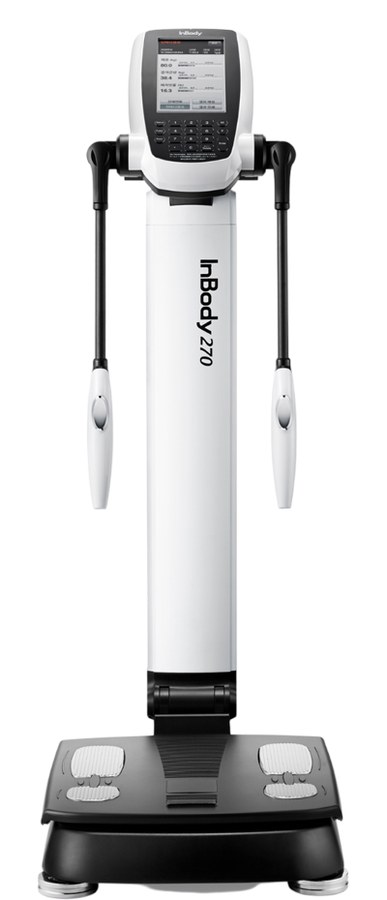
TOFI was a term coined by researchers at Imperial College London, but the clinical pattern has been documented in South Asian populations for decades. It describes individuals who have a normal or low body weight, a healthy-looking BMI, minimal visible fat — but dangerously high levels of visceral fat and low skeletal muscle mass.
The result is someone who does not register as obese by any standard clinical screening measure, but whose internal metabolic environment looks like obesity. They have:
- High visceral fat area surrounding the liver, pancreas, and intestines
- Low skeletal muscle mass — sometimes called “sarcopenic obesity”
- Insulin resistance, often pre-diabetic or early diabetic
- Elevated triglycerides and low HDL cholesterol
- Non-alcoholic fatty liver disease (NAFLD) — sometimes without any obesity history
The critical point: none of this shows up on a scale or in a mirror. The only way to detect TOFI is to measure what’s inside — and that requires body composition testing.
Why India Has the World’s Highest Rate of TOFI
Genetic Predisposition to Visceral Fat Storage
South Asians have a genetically determined tendency to store excess energy as visceral fat — fat surrounding the organs — rather than as subcutaneous fat under the skin. Research published in The Lancet and studies from AIIMS, CMC Vellore, and the Madras Diabetes Research Foundation have consistently shown that Indians carry 5–9% more visceral fat than Europeans at the same BMI.
The Lowest Muscle Mass Baseline in the World
Studies measuring skeletal muscle mass across ethnicities consistently show that South Asians have lower lean body mass at any given weight compared to European, East Asian, or African populations. Less muscle means less glucose disposal capacity. Skeletal muscle is the primary site where blood glucose is cleared after a meal — when muscle mass is low, blood glucose stays elevated longer, the pancreas releases more insulin, and chronic hyperinsulinaemia drives visceral fat storage.
A Diet Built on Refined Carbohydrates
The traditional Indian diet is carbohydrate-dominant in ways that create repeated insulin spikes throughout the day. White rice at two meals, refined wheat in rotis and bread, sugar in chai, sweets during festivals. The problem is not carbohydrates per se. The problem is a high glycaemic load combined with low muscle mass and minimal resistance training — the three conditions that most reliably produce the TOFI phenotype.
A Sedentary Lifestyle Without Resistance Training
India has undergone one of the fastest urban transitions in human history. Physical activity dropped. And the activity that was lost was largely resistance-based — carrying, lifting, manual work. Aerobic fitness maintained some ground as Indian cities developed gyms and running culture. But resistance training — the most effective intervention against muscle loss and visceral fat accumulation — remains dramatically underused.
What TOFI Actually Looks Like in Real Life
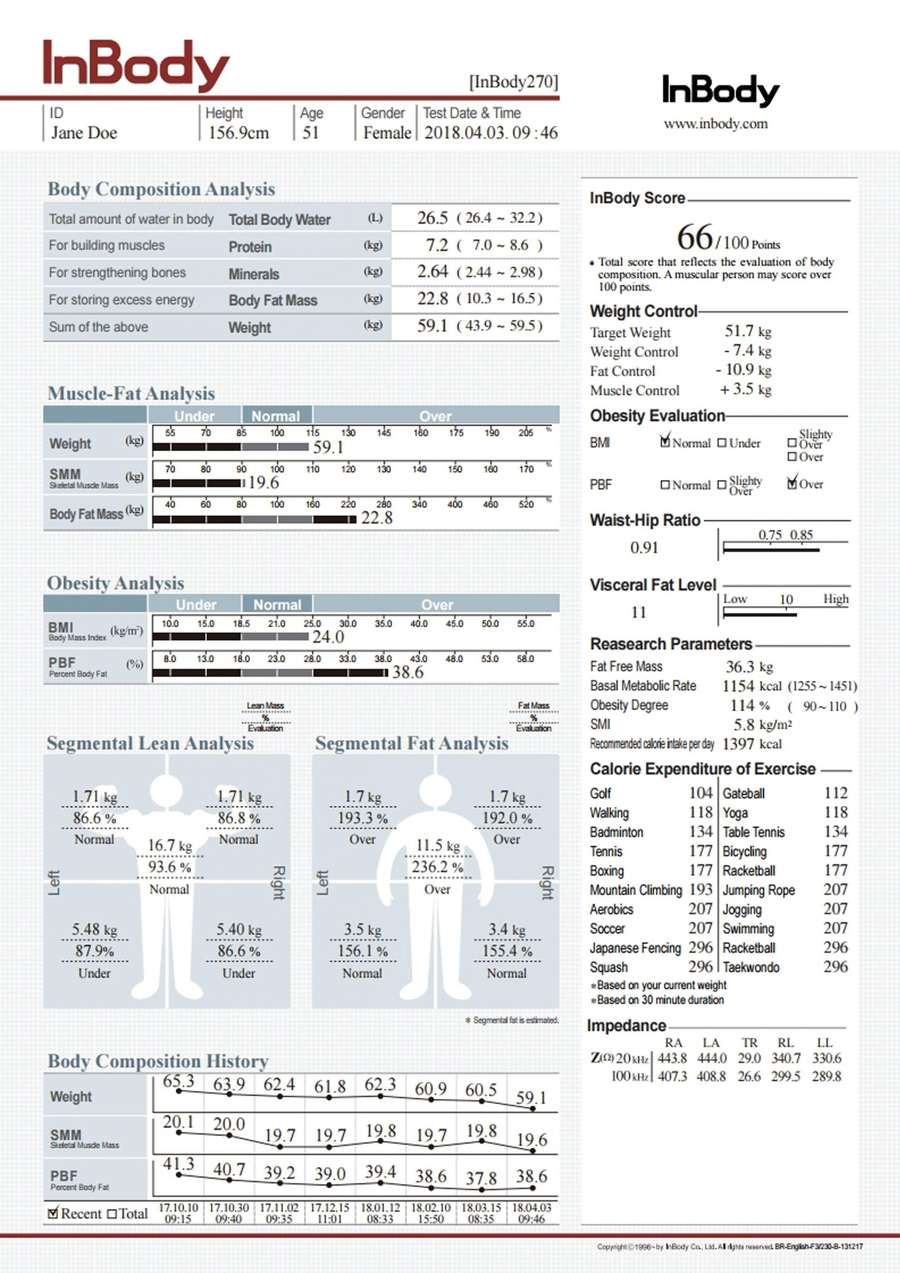
Case pattern 1: A 34-year-old female software engineer in Pune. Weight: 56kg. BMI: 21.2 — “normal.” Fasting glucose: 108 mg/dL (pre-diabetic range). HbA1c: 5.9%. She has no idea. She eats “reasonably” and goes for occasional walks. InBody result: body fat percentage 33.8% (obese range). Visceral fat area: 145 cm² (elevated). Skeletal muscle mass index: low. She is metabolically obese at a normal weight.
Case pattern 2: A 42-year-old male professional in Delhi. Weight: 74kg. BMI: 24.2 — “normal.” Diagnosed with NAFLD (grade 1) on an abdominal ultrasound. InBody: body fat 27.4%, visceral fat area 168 cm², skeletal muscle mass significantly below reference range for age. Has never done resistance training. Considers himself healthy.
These are not unusual cases. Across India’s urban population, versions of this pattern are common enough that researchers have coined specific terminology for it: “metabolically obese normal weight” (MONW).”
The Health Consequences of Undetected TOFI
- Type 2 Diabetes: India already has 101 million people with diabetes — the highest absolute number in the world. A significant proportion were MONW/TOFI for years before diagnosis.
- Cardiovascular Disease: Visceral fat elevates triglycerides, lowers HDL, promotes arterial inflammation. Indians have one of the highest rates of early-onset coronary artery disease in the world.
- Non-Alcoholic Fatty Liver Disease (NAFLD): The Indian NAFLD prevalence is estimated at 9–32% of the population — one of the highest globally — and the majority of cases occur in people without visible obesity.
- PCOS: Insulin resistance, driven by high visceral fat and low muscle, is a primary driver of PCOS in Indian women. Many women with PCOS are not overweight by BMI — they are TOFI.
Who Is Most at Risk of Being TOFI?
You are at elevated risk if you:
- Are an Indian adult with a normal BMI who has never had a body composition test
- Work a desk job with minimal physical activity
- Do cardio exercise but no resistance/strength training
- Are vegetarian or vegan with low dietary protein intake
- Are a woman over 30, especially post-pregnancy or in perimenopause
- Have a family history of diabetes, heart disease, or NAFLD
- Have had a blood test showing pre-diabetic glucose or elevated triglycerides — even “borderline”
How to Fix TOFI: The Evidence-Based Approach
1. Resistance Training — This Is Non-Negotiable
Resistance training is the single most effective intervention for both building muscle and reducing visceral fat simultaneously. A meta-analysis in Obesity Reviews found that progressive resistance training reduced visceral fat by 10–15% over 12–16 weeks even without significant weight change or caloric restriction. The mechanism is direct: increased muscle mass raises insulin sensitivity and reduces the metabolic conditions that drive visceral fat storage.
For TOFI reversal: minimum 3 sessions of resistance training per week, progressive overload, full-body emphasis. This is not optional.
2. Increase Dietary Protein — Significantly
Most Indian diets deliver 40–60g of protein per day. For TOFI reversal, the target is 1.2–1.6g per kilogram of body weight per day. Practical protein sources: paneer, Greek yogurt, soya chunks, moong dal, chana, eggs, and supplemental whey or plant-based protein if food sources alone are insufficient.
3. Reduce Refined Carbohydrate Load
Replace white rice and maida with whole grains and millets. Increase fibre intake. Space carbohydrate consumption across meals rather than concentrating it at two large sittings.
4. Retest Every 8–12 Weeks
TOFI reversal is measurable. InBody retesting every 8–12 weeks allows you to track visceral fat area reduction, muscle mass increase, and body fat percentage change over time.
You Might Be TOFI and Not Know It
That is the entire point of this condition. It is invisible to standard screening. It affects a significant proportion of India’s urban, apparently healthy, normal-weight population. And it is a direct predictor of the metabolic diseases responsible for the majority of India’s chronic disease burden.
The good news: it is detectable, and it is reversible. But you have to look for it first.
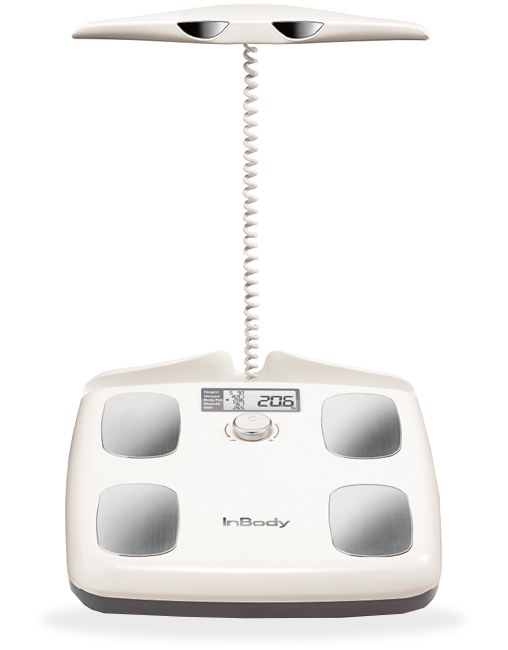
An InBody body composition test at a clinic, gym, or wellness center near you takes 60 seconds. No needles. No radiation. No fasting. You will walk out with a report that tells you whether your body composition matches your outward appearance — or whether you are carrying the invisible metabolic risk that no scale or BMI has ever shown you.
Find an InBody center near you. Get tested. Know the truth about your body. →
Frequently Asked Questions
What is Thin Fat Syndrome (TOFI)?
TOFI stands for "Thin Outside, Fat Inside" — a condition where someone has a normal or low BMI but a high percentage of body fat, particularly visceral fat, putting them at metabolic risk despite looking slim.
How common is TOFI in India?
Research suggests a significant share of normal-weight Indians, especially in urban areas, fall into the TOFI category, driven by low physical activity, high-carbohydrate diets, and a genetic tendency to store fat centrally.
How do I know if I have Thin Fat Syndrome?
A body composition test showing high body fat percentage or elevated visceral fat despite a normal BMI is the clearest sign. Blood markers like elevated triglycerides or insulin resistance in a slim person are also red flags.

Most trending articles
Hypothyroidism Symptoms in India: Signs Most People Miss
1 in 10 Indian adults has hypothyroidism, and it hides behind ordinary tiredness. The early signs most people blame on stress, age, or a new baby.
वज़न बढ़ाने के लिए क्या खाएं? सही डाइट प्लान (सिर्फ ज़्यादा खाना नहीं)
सिर्फ ज़्यादा खाने से मांसपेशी नहीं बनती, चर्बी बढ़ सकती है। सही कैलोरी सरप्लस, प्रोटीन और डाइट प्लान जो वज़न को सही तरीके से बढ़ाए — पूरी जानकारी हिंदी में।
भारत में प्रोटीन कितना ज़रूरी है? असली आंकड़े और सही फॉर्मूला
IMRB के एक सर्वे में लगभग 73% भारतीय आहार प्रोटीन-कम पाए गए। सही प्रोटीन टारगेट कैसे निकालें और किन फूड्स से पूरा करें — पूरी जानकारी हिंदी में।