
Fitness 7 min read
How to Lose Belly Fat in India: The 12-Week Body Composition Protocol
Lose belly fat with India-specific strategies. Real body composition science, a trackable 12-week plan, diet changes that work for Indian food habits, and why ab exercises alone never work.
Reading about body composition? Find an InBody test centre near you →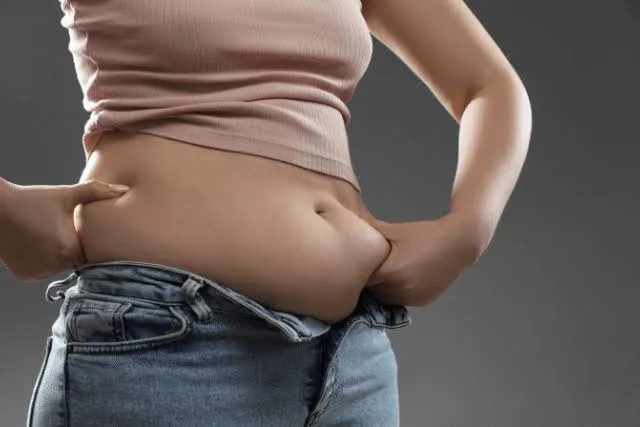
Ten Crore Searches. Zero Results.
Every month, Indians search “how to lose belly fat” over 10 crore times. And every month, they get the same recycled advice: do crunches, drink lemon water, avoid carbs. The advice is generic, Western, and built for a body type, a diet, and a lifestyle that has nothing to do with how Indians live, eat, or move.
It doesn’t work. That’s why the same people search again next month.
This is the protocol that actually works — built around Indian food habits, Indian stress patterns, and real body composition science. It takes 12 weeks. And it starts with understanding why belly fat is not just a cosmetic problem.
Belly Fat Is Not an Aesthetic Issue. It’s a Medical One.
There are two types of fat on your body. Subcutaneous fat sits just under your skin — you can pinch it. Visceral fat wraps around your liver, pancreas, and intestines, deep inside your abdominal cavity. You cannot see it, you cannot pinch it, and it is significantly more dangerous than the fat you can.
Visceral fat is metabolically active. It secretes inflammatory compounds, disrupts insulin signalling, and is independently linked to:
- Type 2 diabetes — India already has 101 million diabetics (ICMR, 2023)
- Non-alcoholic fatty liver disease, now present in an estimated 38% of urban Indians
- Cardiovascular disease risk, even at “normal” BMI
- Hormonal imbalance — visceral fat converts testosterone to estrogen in men
- Elevated cortisol, which then drives more visceral fat accumulation — a vicious loop
Indians accumulate visceral fat at a lower BMI than Western populations. The ICMR-INDIAB study found that Indian men develop metabolic complications at a waist circumference of just 90 cm — versus 102 cm in Western guidelines. This means you could be at a “normal” weight and still be metabolically obese.
Why Crunches Will Never Give You a Flat Stomach
Spot reduction is a myth. A well-designed study published in the Journal of Strength and Conditioning Research had participants do 7 weeks of abdominal exercises five days a week. Result: no significant reduction in belly fat compared to the control group.
Here’s why. Fat is stored systemically. When your body burns fat for energy, it draws from fat stores throughout the body based on hormones, genetics, and overall energy deficit — not from the area closest to the muscle you’re working. Crunches will strengthen your abdominal muscles. They will not reduce the fat layer sitting on top of them.
The Real Protocol: Four Things That Actually Work
1. Caloric Deficit (the Non-Negotiable)
Fat loss requires a sustained caloric deficit. There is no supplement, no yoga pose, no superfood that bypasses this. You must consume fewer calories than you burn over time.
A deficit of 300–500 calories per day produces 0.3–0.5 kg of fat loss per week — sustainable and muscle-preserving. Calculate your Total Daily Energy Expenditure (TDEE) using an online calculator. Subtract 400 calories. That is your starting target.
2. Resistance Training (the Accelerator)
Muscle is metabolically expensive tissue. One kilogram of muscle burns approximately 13 calories per day at rest — compared to roughly 4.5 calories per kilogram of fat. The more muscle you build, the higher your resting metabolism, the more fat you burn around the clock.
Resistance training also creates an “afterburn” effect (EPOC) where your body continues burning elevated calories for 24–48 hours after a session. Steady-state cardio does not create this effect at the same magnitude. This is why strength training — not cardio — is the engine of long-term fat loss.
3. Sleep (the Overlooked Variable)
A landmark study in the Annals of Internal Medicine showed that sleep-deprived dieters lost 55% less fat and 60% more muscle than those who slept adequately — on the same caloric deficit. Insufficient sleep elevates ghrelin (the hunger hormone), reduces leptin (the satiety hormone), and raises cortisol, which directly drives visceral fat storage.
Seven to nine hours of sleep per night is not optional. It is a central pillar of the protocol.
4. Stress Management (the India-Specific Lever)
Urban Indians carry significant chronic stress — long commutes, job pressure, financial stress, family obligations. Chronic stress means chronically elevated cortisol. Elevated cortisol signals the body to store fat preferentially in the visceral depot. You can have a perfect diet and still accumulate belly fat if your cortisol is consistently high.
Practical interventions: 10-minute morning breathwork, reducing evening screen time, one no-phone hour before bed, outdoor walks.
India-Specific Diet Adjustments
You do not need to abandon Indian food. You need to restructure it.
- Roti strategy: Reduce to 2 rotis per meal (not 4–6) and add a high-protein side. Same cultural staple, dramatically changed macronutrient profile.
- Rice timing: Rice at lunch (with a long active afternoon ahead) is metabolically better positioned than rice at dinner when activity drops. If rice is non-negotiable at dinner, reduce the portion and increase the sabzi and protein portions.
- Dal as protein: One cup of cooked masoor dal provides 18g of protein. Most Indians eat half a cup of thin dal with large amounts of roti or rice. Invert the ratio.
- Ghee: moderation, not elimination: One teaspoon of ghee (5g) on your roti is 45 calories. Tracking it and keeping it to 1–2 teaspoons per day is the correct approach. Eliminating it entirely is unnecessary and unsustainable.
- The protein gap: Adding a palm-sized portion of paneer, a bowl of curd, two eggs, or a small serving of chicken or fish to at least two meals per day is structural to this protocol — not optional.
The 12-Week Plan
Weeks 1–4: Establish the Baseline
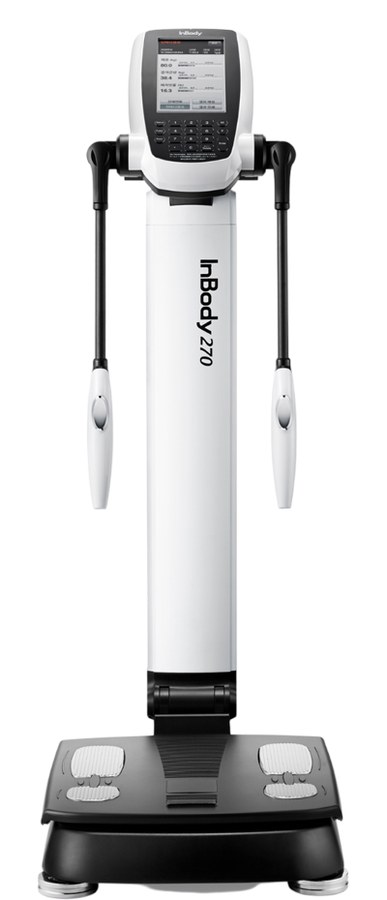
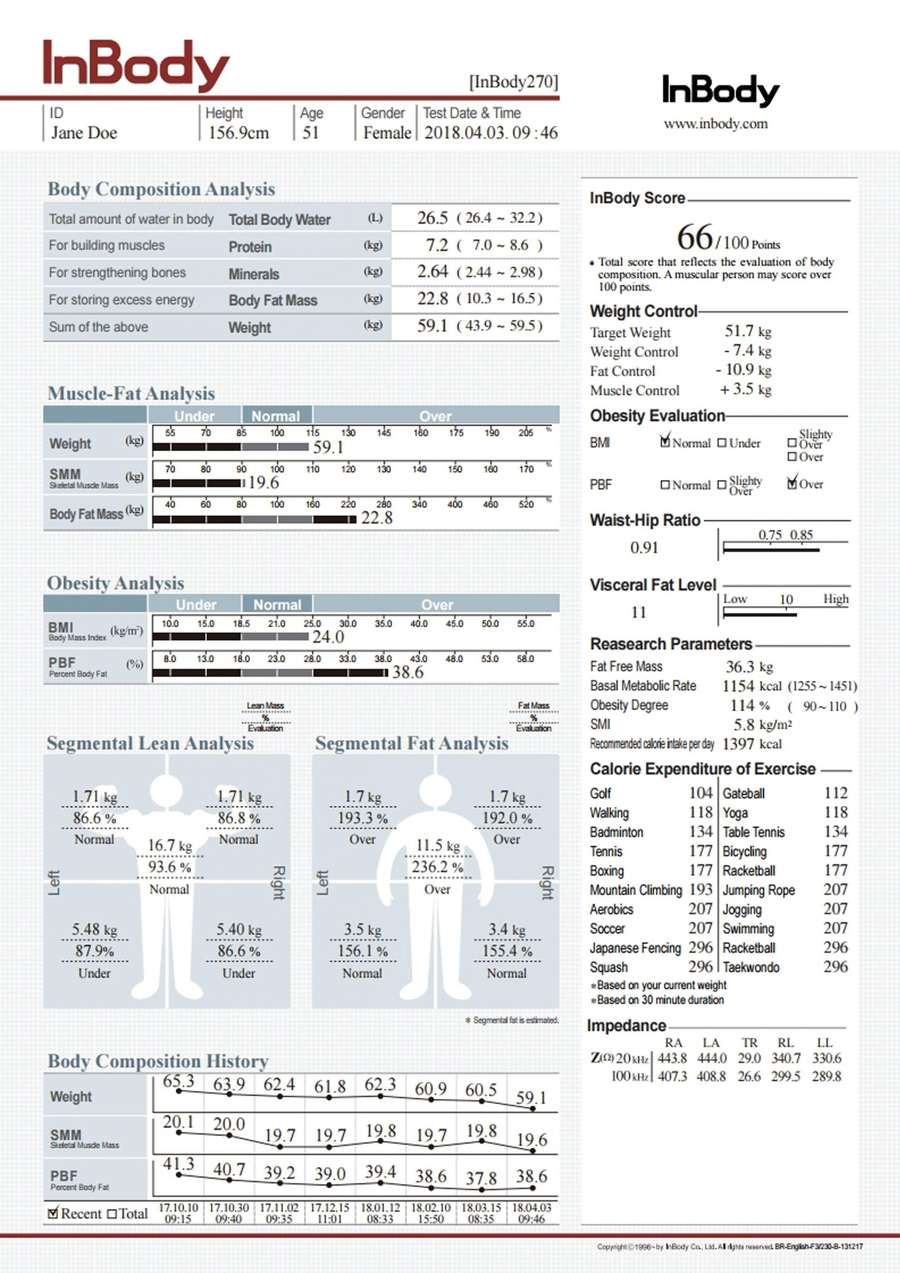
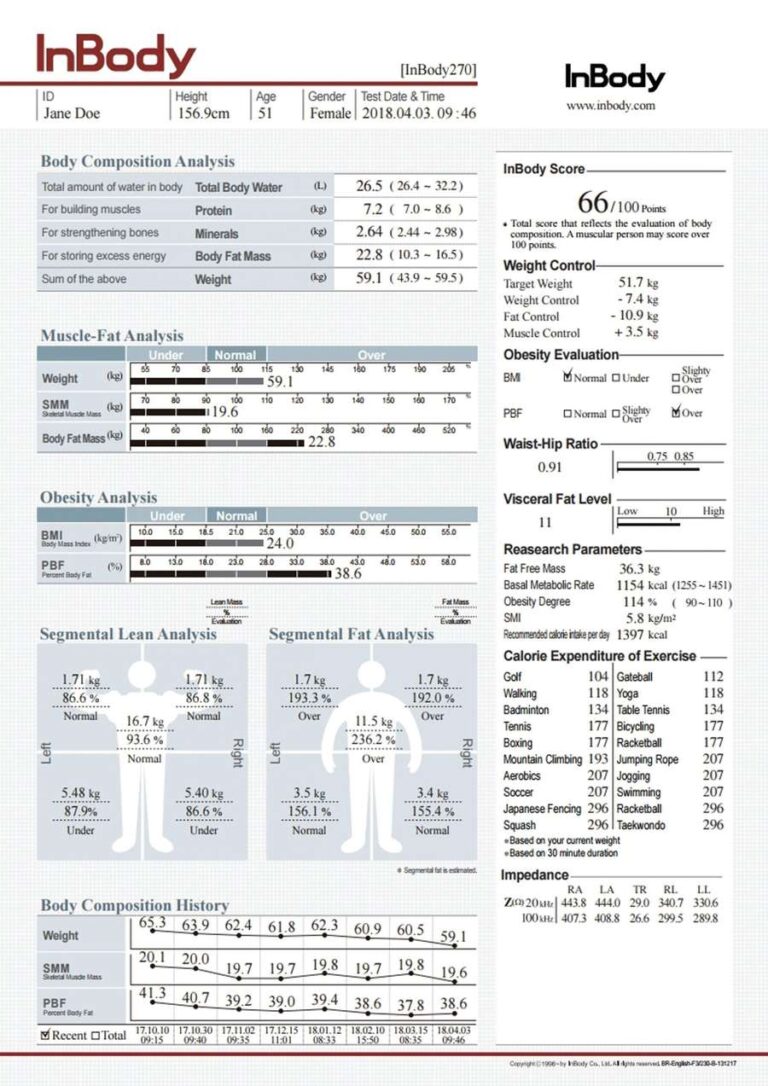
Before you change anything, measure everything. Get a body composition test to record your starting visceral fat level, skeletal muscle mass, and body fat percentage. This is your true baseline — not scale weight.
- Set caloric target (TDEE minus 400)
- Log food for 2 weeks to understand current intake patterns
- Begin 3 days per week of resistance training (bodyweight if no gym: push-ups, squats, planks, lunges)
- Walk 8,000 steps per day
- Fix sleep schedule: same sleep and wake time every day, 7.5–8 hours
Weeks 5–8: Progressive Load
- Add resistance: move to weighted exercises or resistance bands; if gym, increase weight systematically
- Introduce one HIIT session per week — 20 minutes, not an hour
- Reassess food log: identify where calories are leaking (hidden oils in sabzi, extra rotis, sweetened chai)
- Add 20–30g more protein per day if not hitting 1.6g/kg lean mass
Weeks 9–12: Measure and Adjust
- Get a second body composition test — compare visceral fat area, muscle mass, and body fat % to Week 1
- Scale weight is secondary; body composition data is primary
- Adjust calories if fat loss has stalled: reduce by a further 100–150 calories or add one more resistance session
- If muscle mass has decreased, increase protein and reduce cardio volume
Common Mistakes Indians Make
- Crash dieting: Cutting to 800–1,000 calories causes rapid muscle loss, slows metabolism, and almost guarantees rebound weight gain
- Cardio only: Running 5km daily with no resistance training loses weight, but much of it is muscle — you end up lighter but with a higher body fat percentage
- Skipping strength training: “It’s for bodybuilders” is a myth. Resistance training is the most evidence-backed intervention for long-term fat loss and metabolic health
- Trusting the scale alone: The scale conflates fat, muscle, water, and bone. It cannot tell you what’s actually changing
Start With a Number, Not a Feeling
Most belly fat plans fail because they start with motivation and end when motivation ends. This one starts with data. A body composition test before you begin gives you a visceral fat score, a muscle mass baseline, and a real caloric target. That number becomes your anchor.
Get a body composition test at an InBody-certified clinic, hospital, or gym near you before you begin Week 1. At the end of 12 weeks, test again. The difference in visceral fat area will tell you more about your health than any before-and-after photo ever could.
Find an InBody center near you →
Frequently Asked Questions
Can you really lose belly fat in 12 weeks?
Yes — with a structured combination of a calorie deficit, adequate protein intake, and resistance training, most people see a measurable drop in visceral fat and waist circumference within a 12-week window, though results vary by starting point.
Do ab exercises reduce belly fat?
No. Spot reduction isn't possible — crunches and ab workouts strengthen the muscle underneath but don't preferentially burn the fat covering it. Fat loss happens system-wide through diet and overall training.
What should an Indian diet plan for belly fat look like?
It should keep traditional staples like dal, roti, and vegetables but control portion sizes and refined carbs, increase protein through paneer, eggs, dal, or lean meat, and reduce fried snacks and added sugar in tea/sweets.

Most trending articles

वज़न बढ़ाने के लिए क्या खाएं? सही डाइट प्लान (सिर्फ ज़्यादा खाना नहीं)
सिर्फ ज़्यादा खाने से मांसपेशी नहीं बनती, चर्बी बढ़ सकती है। सही कैलोरी सरप्लस, प्रोटीन और डाइट प्लान जो वज़न को सही तरीके से बढ़ाए — पूरी जानकारी हिंदी में।
भारत में प्रोटीन कितना ज़रूरी है? असली आंकड़े और सही फॉर्मूला
IMRB के एक सर्वे में लगभग 73% भारतीय आहार प्रोटीन-कम पाए गए। सही प्रोटीन टारगेट कैसे निकालें और किन फूड्स से पूरा करें — पूरी जानकारी हिंदी में।
Weight Loss या Fat Loss: असली फर्क क्या है?
वज़न घटना और चर्बी घटना एक चीज़ नहीं है। तेज़ी से वज़न घटाने पर मांसपेशी क्यों चली जाती है, और असली फर्क कैसे पता करें — हिंदी में पूरी जानकारी।