
Whether you’re a marathon runner, a weekend cyclist, or someone grinding it out in the gym, you’ve likely been told to “stay hydrated.” But hydration isn’t just about replacing water, it’s also about replenishing the minerals you lose in sweat. Knowing how the body loses vital minerals and how to replenish them is not only beneficial for athletes, but also critical for long-term health, performance, body composition, and recuperation.
The body uses sweat as a natural cooling mechanism when exercising. But every drop of sweat carries more than just water. It contains electrolytes and trace minerals that are vital for muscle function, nerve signaling, and fluid balance. If these aren’t replaced properly, even the most seasoned athletes can hit a wall physically and mentally.
What Really Leaves Your Body When You Sweat?
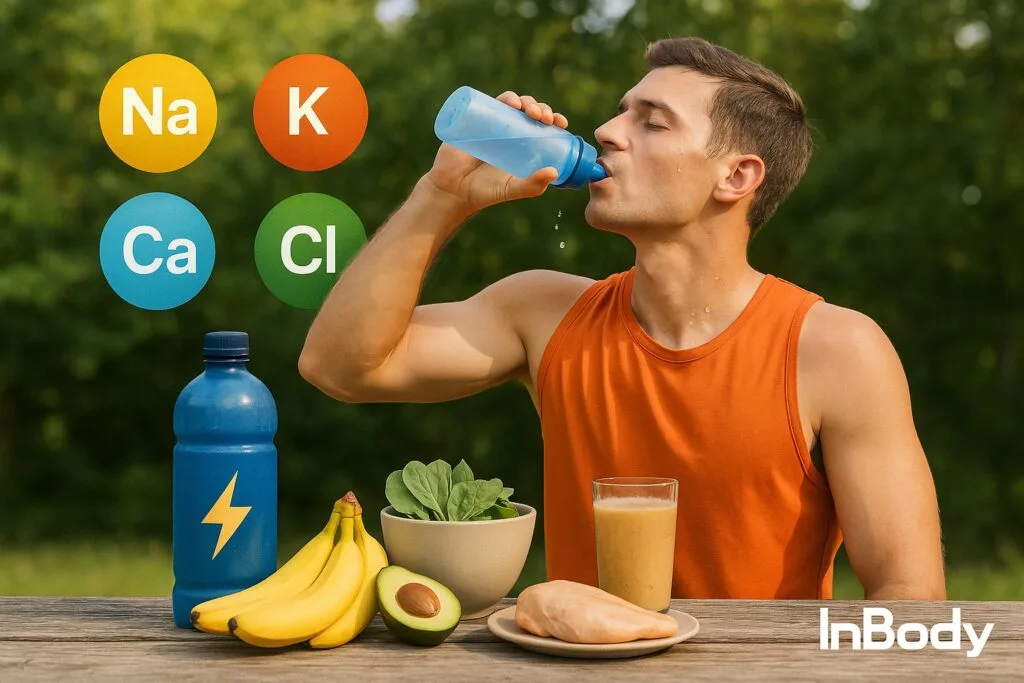
Sweat isn’t just salty water dripping off your skin it’s loaded with stuff your body actually needs. Every time you train hard or sweat buckets in the heat, you’re not just losing fluids you’re losing minerals, too.
The big one? Sodium you lose a lot of it, especially if you’re running long distances or working out in a hot place. That’s the mineral that helps your muscles fire and keeps fluids balanced.
Then there’s potassium super important for muscle and heart function. Magnesium also takes a hit, and that one’s key for energy and avoiding cramps. You also lose calcium, which affects muscle contraction and bone strength (not as much, but still matters), and chloride, which works alongside sodium to regulate things.
Some trace minerals sneak out, too like zinc, iron, and copper. You might not notice it day to day, but over time, this all adds up especially if you’re training consistently and not replenishing.
Signs You’re Not Replacing What You’ve Lost
We all know the usual signs of dehydration dry mouth, tiredness, maybe a bit dizzy. But low mineral levels? That’s sneakier.
If your muscles cramp up mid-workout, or you’re dragging even after a full night’s sleep, your body might be telling you it’s missing more than water. Same goes for slow recovery, headaches that just sit in your skull, or even weird stuff like heart flutters.
And long-term? If you’re always training but not refueling right, it could hit your performance hard. You might struggle to build muscle or even mess with your hormones. It’s real and preventable.
Rehydration Done Right
Water is great, but when you sweat hard? You need more than that. Here’s how to make sure you’re actually replenishing
- Drink Smart Water alone doesn’t cut it for long workouts. Use sports drinks or DIY your own (water + sea salt + citrus = game changer). Watch out for sugary stuff.
- Eat Your Minerals
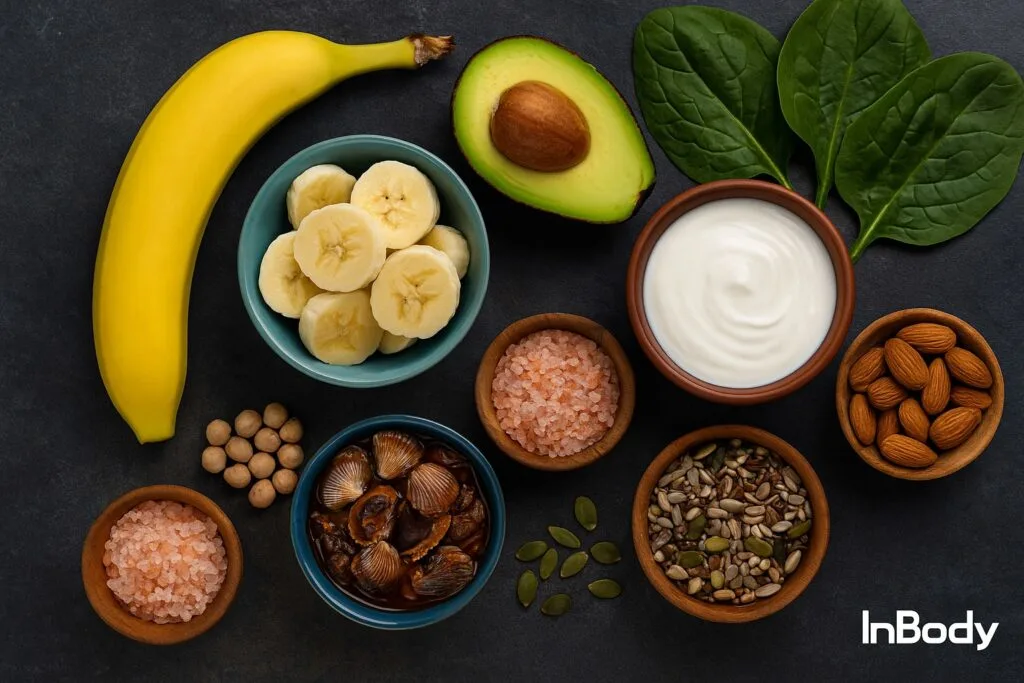
- Bananas, sweet potatoes, and avocados? Potassium heroes.
- Yogurt, almonds, leafy greens? Calcium and magnesium, sorted.
- Seeds, seafood, and lentils? Hello zinc and iron.
- And yes, sprinkle some Himalayan salt if needed.
- Fuel Around Workouts
- Before: A banana with a pinch of salt, or a smoothie with greens.
- After: Something with protein + carbs + electrolytes. Helps rebuild and rehydrate.
Why InBody Helps Big Time
You can’t guess your way through recovery. This is where InBody steps in.
InBody doesn’t just give you a number on the scale it breaks down what’s going on inside your body. Like:
- How much lean muscle you actually have
- If your water levels are off (like extracellular vs total water)
- If your muscle mass is going up or slipping
- How your recovery is affecting your performance and composition
With this kind of data, you’re not just guessing you’re adjusting your plan smartly. Less trial and error, more results.

Everyone Sweats Differently
Some people barely sweat. Others look like they ran through a storm 10 minutes in. The point is, we all lose minerals differently.
Things like:
- How hard or long you train
- How hot or humid it is
- Your diet and how hydrated you are beforehand
- Even your genetics
That’s why tools like InBody or even sweat testing are useful. They help tailor your hydration and nutrition strategy to you.
Bonus Tip: Electrolyte Supplements — Are They Worth It?
Yes if your workouts are long, intense, or done in hot climates. Tablets, powders, or hydration capsules can help maintain mineral balance. Just choose those made with clean ingredients and no unnecessary additives.
Refuel Instead of Just Hydrating
Don’t just drink water fuel smart. Your body needs more than just hydration to recover, perform, and grow.
The minerals you sweat out matter. Whether you’re training for a race or just trying to stay fit, tools like InBody help you understand what’s missing and how to fix it.
Because it’s not just about staying hydrated… It’s about giving your body everything it needs to keep going strong.
Frequently Asked Questions
Q. What minerals are lost most in sweat?
Sodium leads the pack. But you also lose potassium, magnesium, calcium, and chloride.
Q. Can food replace lost electrolytes?
Yes. Whole foods > fancy drinks. But some training sessions may need both.
Q. Does mineral loss affect muscle growth?
Definitely. Poor recovery = slower gains and more cramping.
Q. When should I take electrolytes?
If you’re sweating hard for 45+ minutes or training in heat, during or right after.