
Those with modest appetites, slim bodies, or high metabolisms may find it difficult to gain weight. The secret to gaining weight is to consume more calories than your body expels in a day, regardless of whether your goal is to increase muscle or put on some healthy pounds. This post will outline the best foods to eat in order to maximize muscle growth, weight gain, and general health. It is well known that being overweight has health hazards, but underweight can also have negative health effects.
According to a WHO research, underweight people are far more likely to experience poor health, poor physical performance, and high mortality. This article examines the definition of underweight, the health hazards associated with it, and the variables influencing weight growth. Now, let’s discover more nutrient-dense methods for gaining weight or lean muscle.
Factors Affecting Underweight and Related Health Risks
Adults (15 years of age or older) who have a Body Mass Index (BMI) of less than 18.5 kg/m² are considered underweight. Three to five percent of healthy adults are affected. Women are more likely to have it, particularly those over 65 and young individuals. Underweight poses the following health risks:
- Fertility Problems
- Osteoporosis
- Anaemia
- Weakened Immune System
- Hair loss
- Tiredness
- Delayed Growth
- Poor Wound healing
Therefore, being underweight can affect your general well-being and is not only about beauty.
Factors Affecting Weight Gain
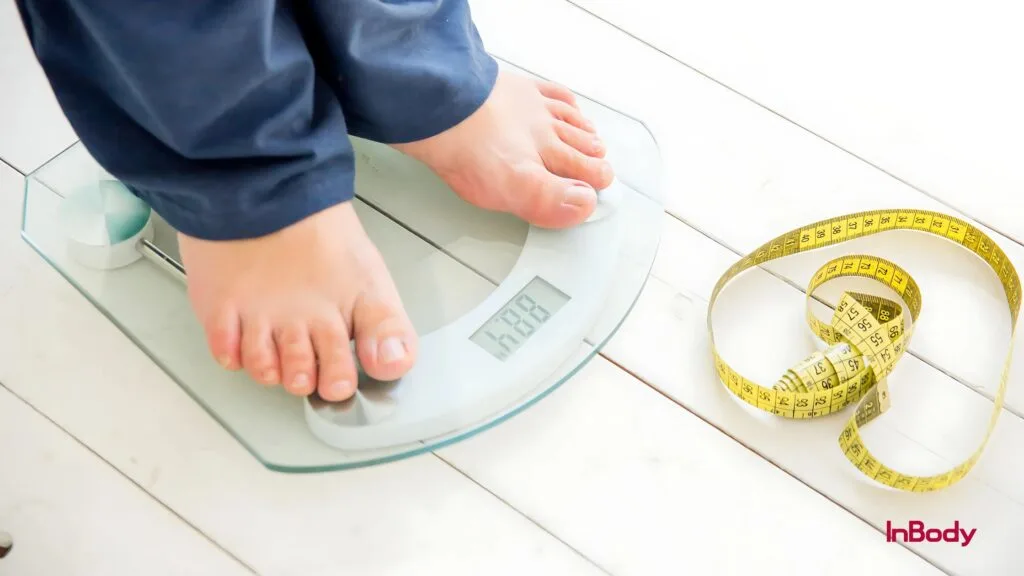
The goal of a healthy weight increase is to achieve the desired outcomes while providing nourishment to the body. However, the process of weight increase is influenced by a number of factors. Such as
Emotional and psychological aspects
It is essential to cultivate healthy relationships with food and body image when attempting to gain weight. A number of psychological factors can influence body weight, including:
- Stress
- Emotional eating
- Body image issues
- Eating disorder
Medical Conditions
Being underweight can have certain negative consequences on those taking drugs like corticosteroids or antidepressants. These drugs cause health problems such as:
- Cancer
- Eating disorders
- Thyroid
- Other hormonal imbalances-related issues
How to Gain Weight in a Healthy Way?

It can be as difficult to gain weight as it is to lose it. A progressive approach is advised by experts to guarantee its sustainability and wellness. Gaining weight quickly can put stress on your body and lead to a number of health problems.
Here are a few healthy methods for gaining weight or developing muscular mass. Since every person’s demands are different, it is advisable to speak with a doctor before beginning.
- Increase Your Energy Consumption
Use your imagination to add extra calories. Poached eggs in soup, cheese slices on sandwiches, or olive oil drizzled over veggies can all increase caloric consumption. Brown rice, potatoes, and whole grains are excellent sources of carbohydrates. Dessert is not a staple dish, although it might occasionally be nice to have yoghurt with fruits or dark chocolate.
- Consume wholesome, high-calorie foods.
Consider increasing the number of calories in your diet if you already consume multiple meals every day. Choose shakes, smoothies, and full-fat milk. Try hydrating beverages like kefir and lassi to save calories and improve flavor. Alternative milk and food options are considered to add calories by those who are lactose intolerant or who adhere to particular diets. Try calorie-dense fruits (bananas, mangoes), avocados, and starchy vegetables (sweet potatoes, potatoes).
- Consume Food Frequently
People are rapidly filled with more meals throughout the day. Instead of only eating three meals a day, eat five to six smaller meals and snacks. For a continuous calorie intake, think about having a snack before bed. Additionally, take into account commercial products such as meal replacement bars.
- Try Snacks That Are High in Fat
Add condiments or additions, such as nut mix, full-fat yoghurt, dried fruits, berries, mayonnaise, bacon bits, and salad dressings, to make the meals more enjoyable. For convenient snacking, include healthy fat spreads like hummus and guacamole. Make use of healthy oils such as coconut or olive oil.
In order to gain weight, how many calories must be added?
Overindulging in junk food is not the cause of weight gain. Increase daily caloric intake by 300 to 500 gradually. Processed foods won’t help you acquire weight; instead, concentrate on consuming wholesome, high-calorie foods. Have your blood examined for nutrient deficits, particularly those related to iron and B vitamins. If necessary, use supplements to make up for deficits.
Crucial Considerations
- Be patient because gaining lean body weight is a lengthy process that may take months or even years.
- Prior to beginning any weight-gain program, speak with your certified dietician.
- People need to increase their calorie intake and promote muscle growth in order to gain weight.
- Steer clear of squandering time and money on goods that guarantee rapid increases in muscle mass.
- Consume more food than you expend. Instead than consuming larger servings all at once, try eating more meals throughout the day.
- Engage in moderately strenuous exercise to aid in muscular growth.
InBody Suggestions
You can try this high-calorie smoothie example
Ingredients like
1. whole milk : 1 cup
2. peanut butter or almond butter: 1-2 tablespoons
3. banana: 1 ripe
4. oats: 50g
5. honey: 1-2 tablespoons
6. vanilla extract: 1 drop
Instructions:
1. Combine all the ingredients in a blender.
2. Blend until the mixture is smooth and creamy.
3. If the shake is too thick, you can add more milk to achieve your desired consistency.
4. Pour the shake into a glass and enjoy.
Conclusion
Healthy weight gain is a journey, not a race. Before implementing any significant changes, seek advice from experts. Eat more calorie-dense, nutrient-dense foods. Frequent exercise facilitates the conversion of excess calories into muscle. The outcomes will be worth the wait if you are persistent. Keep in mind that each person is unique, so what works for one person may not work for another. Remain steady and healthy!
Frequently Asked Questions
Q. Are there any smoothies or dietary supplements that promote weight gain?
A number of dietary supplements, such as creatine, mass gainers, and protein powders, can aid with weight gain. Protein drinks aid in muscle growth and weight gain in addition to these vitamins. To improve results, please speak with a health expert before taking any dietary supplements.
Q. What role do exercise and strength training play in weight gain?
Because strength training and exercise build muscular mass, they can lead to weight gain. People who regularly engage in strength training may gain weight while seeing a decrease in their body fat percentage. Make an effort to select workouts such as weight machines, free weights, bench presses, squats, etc.
Q. What is the impact of sleep on weight gain goals?
Inadequate sleep has repeatedly been linked to higher body mass and weight gain. Several studies found that people who sleep less than 5-7 hours might gain weight.
Q. Can weight gain be achieved on a vegan or vegetarian diet?
Yes, vegetarian or vegan people also gain weight by following their respective diets. They can incorporate high-calorie vegan food in their diets, such as avocado, quinoa, nuts, berries, peanut butter, smoothies, etc.
Key Takeaways
- The Quality Over Quantity Rule: Gaining weight “healthfully” is not about a caloric free-for-all. To avoid excessive fat gain (especially visceral fat), the focus must be on nutrient-dense whole foods—complex carbohydrates, lean proteins, and healthy fats—rather than “empty” processed calories.
- Protein as the Building Block: Weight gain only translates to “functional” mass (muscle) if there is an adequate intake of high-quality protein. Without it, a caloric surplus will primarily be stored as adipose tissue, leading to a “skinny fat” body composition.
- Resistance Training is Mandatory: To ensure that the weight you gain is lean muscle mass rather than just body fat, a caloric surplus must be paired with consistent strength training. This “signals” the body to use the extra energy for muscle synthesis.
- The Frequency Strategy: For those with high metabolisms or small appetites, eating three large meals is often insufficient. Increasing meal frequency to 5–6 smaller, calorie-dense sittings prevents the “bloated” feeling while ensuring a steady stream of nutrients for recovery.
- Tracking Beyond the Scale: A standard scale cannot tell if you are gaining muscle or fat. Regular body composition analysis is crucial to ensure your “bulking” phase is actually improving your health metrics and muscle-to-fat ratio.

Find an InBody Scanner Near You
References & Further Reading
- PMC 2021. Association of Body Composition with T2DM: InBody 770 retrospective chart review, n=2,404. PMC8122668.
- Scientific Reports 2019. Body Composition using DEXA and T2DM: Systematic Review and Meta-Analysis — VFM odds ratios. Nature.
- Signal Transduction and Targeted Therapy 2025. Molecular signatures of skeletal muscle insulin resistance in T2DM. Nature 2025;10:320.
- World Journal of Diabetes 2024. Body composition and metabolic syndrome in T1DM — VFI, skeletal muscle mass, and insulin resistance. WJD 2024;15(1):81–91.
- PMC 2025. BMI and glycaemic control in T2DM — cross-sectional study, n=200, HbA1c correlation. PMC11853989.
- InBody BWA. Diabetes Application — clinical use of InBody for T2DM screening and management. inbodybwa.com.
- Kalra S et al. Indian Consensus on Sarcopenia including T2DM sarcopenic obesity. Int J Gen Med. 2025;18:1731–1745.
- Reviews in Endocrine and Metabolic Disorders 2025. Skeletal muscle atrophy and dysfunction in obesity and T2DM — myocellular mechanisms. Springer Nature.