
Fitness 7 min read
How Much Protein Do You Need for Muscle Growth & Fat Loss?
If you want to get in amazing shape, protein is the most important nutrient. It’s a powerful macronutrient that plays a key role in building lean, toned muscle…
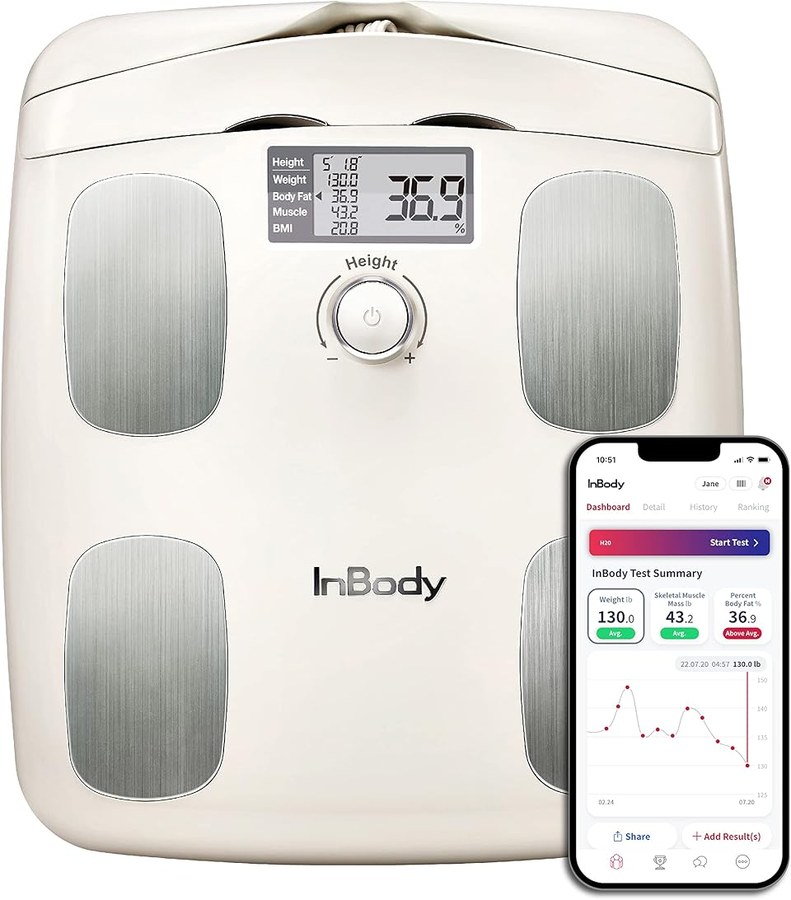
Reading about body composition? Find an InBody test centre near you →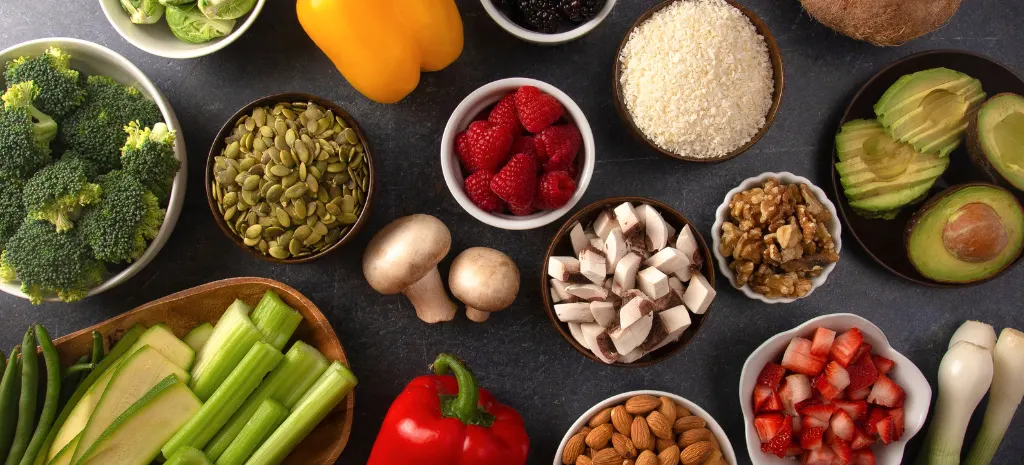
If you want to get in amazing shape, protein is the most important nutrient. It’s a powerful macronutrient that plays a key role in building lean, toned muscle and losing unwanted body fat. Whether your goal is to have a ripped physique or shed those stubborn extra pounds, understanding the incredible benefits of protein is crucial. Let’s explore why protein is so significant and how you can make sure you’re getting enough.
Protein: The Muscle Architect
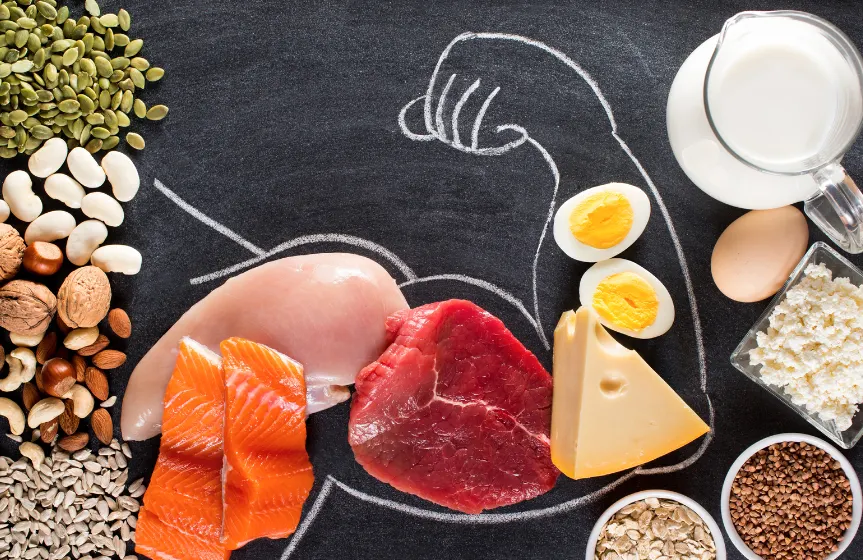
If you want to build a strong, well-defined muscular body, protein should be the foundation of your diet plan. Your muscles are literally made up of tiny strands of protein called amino acids. When you do intense strength training exercises, you create microscopic tears in your muscle fibers. During the recovery period after your workout, your body uses the protein from your diet to repair and rebuild those torn muscle fibers, allowing them to grow bigger and stronger over time.
Without getting enough amino acids from protein, your body can’t efficiently build new muscle tissue. Many scientific studies have shown that a high-protein diet is essential for maximizing muscle growth and seeing real results from your strength training workouts.
For example, one study published in the Journal of Applied Physiology found that people who ate a high-protein diet (around 1.6 grams of protein per kilogram of body weight) while doing intense strength training exercises gained more lean muscle mass compared to those who ate a lower-protein diet.
Protein: The Fat Incinerator
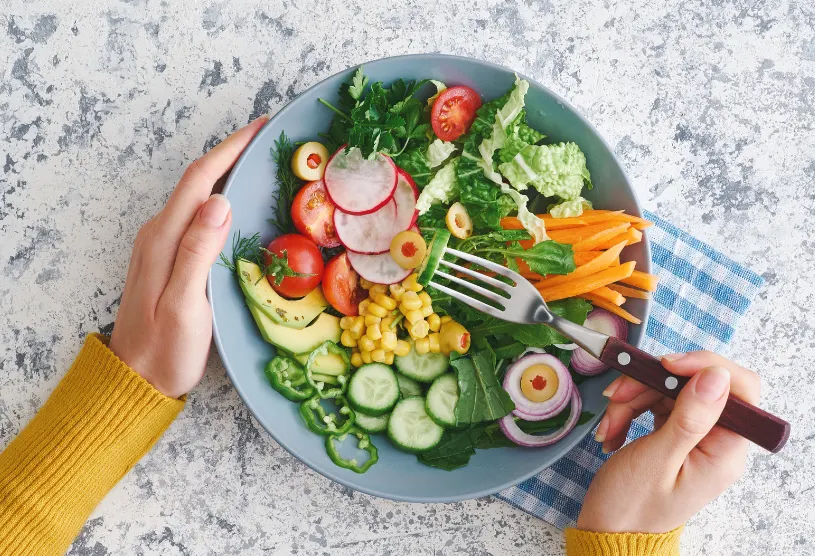
But protein is not just for the muscle obsessed. If your primary objective is shedding unwanted weight and incinerating stubborn body fat, then protein remains an absolute necessity. Protein delivers a potent one-two punch for weight loss:
- It helps keep you feeling fuller for longer after meals, which can prevent overeating later. Protein is far more satiating than carbohydrates or fats, so a high-protein snack or meal will stick with you and delay the return of hunger pangs.
- Your body must work harder and burn more calories just to digest and metabolize protein compared to the other macronutrients. This phenomenon is known as the “thermic effect of food,” and it provides your metabolism with a nice little calorie-burning boost.
Innumerable studies have demonstrated the weight loss benefits of a high-protein approach. In one study published in the esteemed Journal of Nutrition, participants who increased their protein intake by 30% consumed around 450 fewer calories per day without even consciously attempting to restrict calories. They also reported feeling significantly more satisfied throughout the day. This natural calorie deficit led to impressive weight loss results over time.
Top-Notch Protein Sources
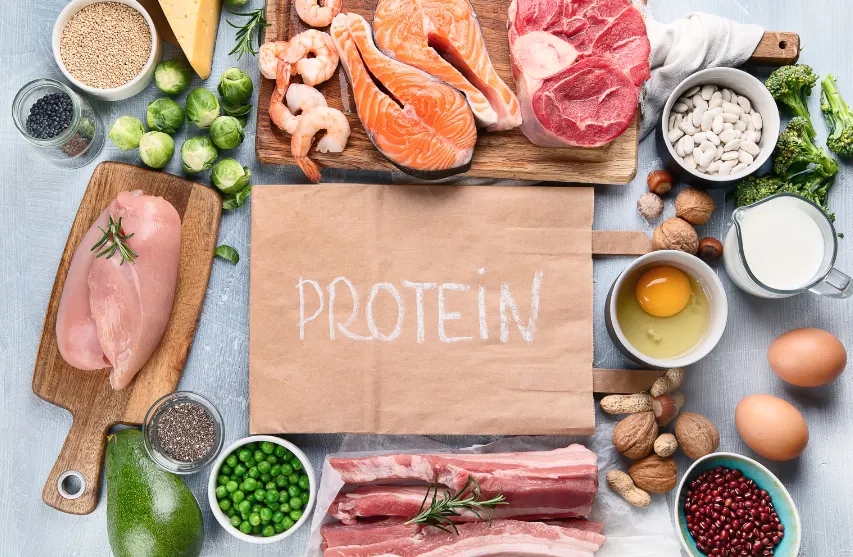
When it comes to reaping the muscle-building and fat-burning benefits of protein, not all sources are created equal. You will want to focus on obtaining your protein from nutrient-dense, high-quality sources such as:
- Lean meats: Chicken breast, turkey breast, lean cuts of beef.
- Fish and seafood: Salmon, tuna, cod, shrimp, etc.
- Eggs and egg whites
- Dairy: Greek yogurt, cottage cheese, milk
- Legumes: Lentils, chickpeas, beans
- Protein powders: Whey, casein, plant-based varieties
While whole foods should be prioritized, protein powders and supplements can be a convenient way to meet your protein targets, especially around workouts.
How Much Protein Do You Require?
So, with protein being so crucial for fitness goals, how much should the average individual aim for? Here are some general guidelines:
- For building muscle: Around 0.5-0.8 grams of protein per pound of body weight (1.6-1.8 g/kg). So, a 180 lb individual may need 90-145 grams of protein per day.
- For weight loss: Around 0.5-0.7 grams of protein per pound (1.2-1.6 g/kg). Using that same 180 lb example, aim for 90-125 grams daily.
If you are regularly active or trying to build a significant amount of muscle, erring toward the higher end of those ranges can help maximize results.
Simple Tactics to Amplify Your Protein Intake
Meeting those high protein targets can seem daunting, but it becomes much more manageable when you employ a few key tactics:
- Include a protein source at every meal and snack, such as:
- Greek yogurt and berries for breakfast
- A grilled chicken salad for lunch
- Cottage cheese with fruit as a snack
- Salmon and roasted veggies for dinner
- opt for leaner, higher-protein foods, and snacks like:
- Chicken over beef
- Greek yogurt over regular
- Edamame over chips
- Protein bars over candy bars
- Prioritize protein early by having a protein-packed breakfast such as:
- Eggs and turkey sausage
- A veggie omelette
- A smoothie brimming with protein powder.
- Meal prep protein-rich foods in advance like:
- Grilled chicken breasts
- Hard-boiled eggs
- Cooked quinoa and lentils
- Protein energy bites
- Utilize protein supplements when needed:
- Whey or plant-based protein powder
- Protein bars
- Protein shakes or smoothies.
At the end of the day, protein is an absolute powerhouse nutrient that deserves a prime spot in any diet, especially for those seeking to build muscle or lose weight. By focusing on nutrient-dense, high-quality protein sources and ensuring you meet your daily protein targets, you will be furnishing your body with the tools it needs to build strength and incinerate fat effectively. Train hard, fuel with protein, and unlock your body’s full potential!
Frequently Asked Questions
Q. How much protein do I actually need to build muscle?
While needs vary based on activity level, a general scientific guideline for those looking to build muscle is approximately 1.6 to 2.2 grams of protein per kilogram of body weight. Consistency in hitting this daily target is more important than any single meal.
Q. Can eating too much protein make me “bulk up” unintentionally?
No. Muscle growth requires a combination of adequate protein, resistance training, and a caloric surplus. Simply increasing protein without heavy lifting will not result in massive muscle bulk; instead, it often aids in leaning out due to its satiating effects.
Q. Is it better to get protein from whole foods or supplements?
Whole foods (like chicken, fish, eggs, lentils, and paneer) should be your primary source because they provide additional vitamins and minerals. However, protein supplements like whey or plant-based powders are excellent for convenience, especially immediately post-workout when the body needs fast-absorbing amino acids.
Q. Does protein help with weight loss if I’m not exercising?
Yes. Because protein is highly satiating, it helps you feel full longer, which can lead to a natural reduction in calorie intake. It also helps preserve your “Basal Metabolic Rate” (BMR) by preventing muscle loss, which is common during sedentary weight loss.
Q. Is the “Anabolic Window” (eating protein immediately after a workout) real?
While the idea that you must eat protein within 30 minutes is slightly exaggerated, consuming protein within a few hours of training is highly beneficial for recovery. The most important factor, however, is your total protein intake over the entire 24-hour period.
Key Takeaways
- The Muscle-Sparing Effect: Protein is essential during a calorie deficit. It ensures that the body burns stored fat for energy instead of breaking down hard-earned muscle tissue.
- The Thermic Effect of Food (TEF): Protein has a higher thermic effect than carbohydrates or fats, meaning the body burns more calories simply digesting and processing protein than it does other macronutrients.
- Satiety and Hunger Control: High-protein diets regulate hunger hormones (like ghrelin). This leads to increased fullness, which naturally reduces overall calorie intake and prevents overeating.
- Repair and Recovery: Physical exercise creates microscopic tears in muscle fibers. Protein provides the amino acids necessary to “patch” these tears, leading to muscle hypertrophy (growth) and faster recovery between workouts.
- Quality and Timing: Not all protein is equal. The blog highlights the importance of “complete” proteins (containing all essential amino acids) and the benefit of distributing protein intake throughout the day to maintain a positive nitrogen balance.

Find an InBody Scanner Near You
References & Further Reading
- PMC 2021. Association of Body Composition with T2DM: InBody 770 retrospective chart review, n=2,404. PMC8122668.
- Scientific Reports 2019. Body Composition using DEXA and T2DM: Systematic Review and Meta-Analysis — VFM odds ratios. Nature.
- Signal Transduction and Targeted Therapy 2025. Molecular signatures of skeletal muscle insulin resistance in T2DM. Nature 2025;10:320.
- World Journal of Diabetes 2024. Body composition and metabolic syndrome in T1DM — VFI, skeletal muscle mass, and insulin resistance. WJD 2024;15(1):81–91.
- PMC 2025. BMI and glycaemic control in T2DM — cross-sectional study, n=200, HbA1c correlation. PMC11853989.
- InBody BWA. Diabetes Application — clinical use of InBody for T2DM screening and management. inbodybwa.com.
- Kalra S et al. Indian Consensus on Sarcopenia including T2DM sarcopenic obesity. Int J Gen Med. 2025;18:1731–1745.
- Reviews in Endocrine and Metabolic Disorders 2025. Skeletal muscle atrophy and dysfunction in obesity and T2DM — myocellular mechanisms. Springer Nature.
