
Fitness 6 min read
Vegetarian Muscle Building: 7 High-Protein Strategies That Actually Work for Indians
73% of Indian vegetarians are protein deficient. The complete muscle-building guide using dal, paneer & soy — plus how body composition tracking shows exactly what's working.
Reading about body composition? Find an InBody test centre near you →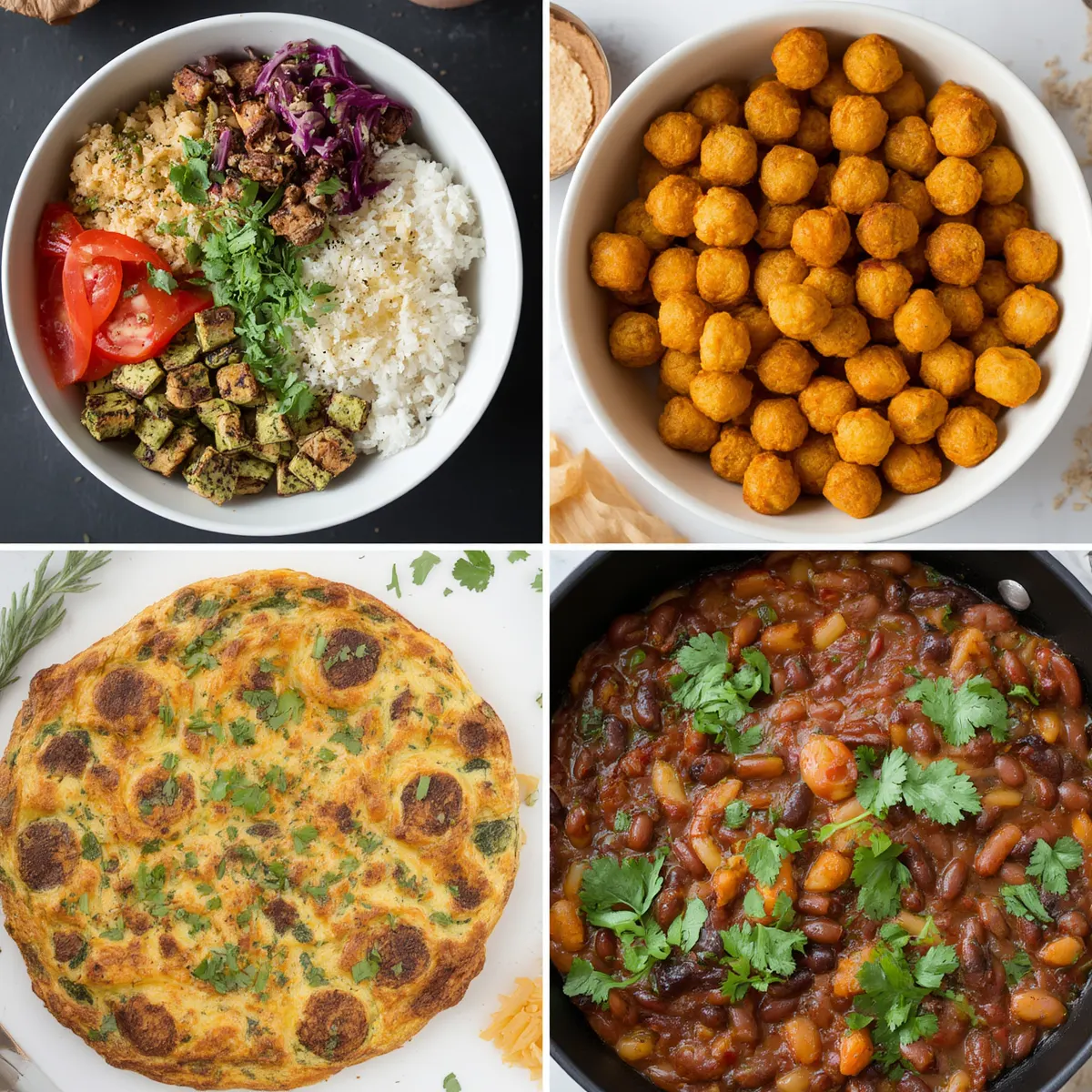
Why This Guide Exists
You’ve heard it a thousand times: “You need meat to build muscle.”
But 40% of India is vegetarian. And across the country, countless people are building strong, lean bodies without eating meat—they just often do it inefficiently, with guesswork instead of data.
The reality? You can absolutely build muscle on a vegetarian diet. You just need the right sources, the right amounts, and—most importantly—you need to track your progress with something more reliable than how your clothes fit.
That’s where body composition comes in.
The Protein Myth
Here’s what science says: You need roughly 0.7–1.0 gram of protein per pound of lean body mass to build muscle. That’s it. It doesn’t matter if that protein comes from chicken, paneer, or chickpeas.
What does matter:
- Quantity (are you eating enough?)
- Quality (are you getting all amino acids?)
- Consistency (day after day, week after week)
- Calorie surplus or recomposition (eating enough total calories to support muscle growth)
Most vegetarian Indians fail not because vegetarian diets can’t build muscle—they can—but because:
- They don’t know their actual protein intake
- They underestimate portion sizes
- They don’t track body composition, so they can’t tell if they’re gaining muscle or just fat
- They eat too many empty calories (white rice, refined carbs, sweets)
Best Vegetarian Protein Sources in India
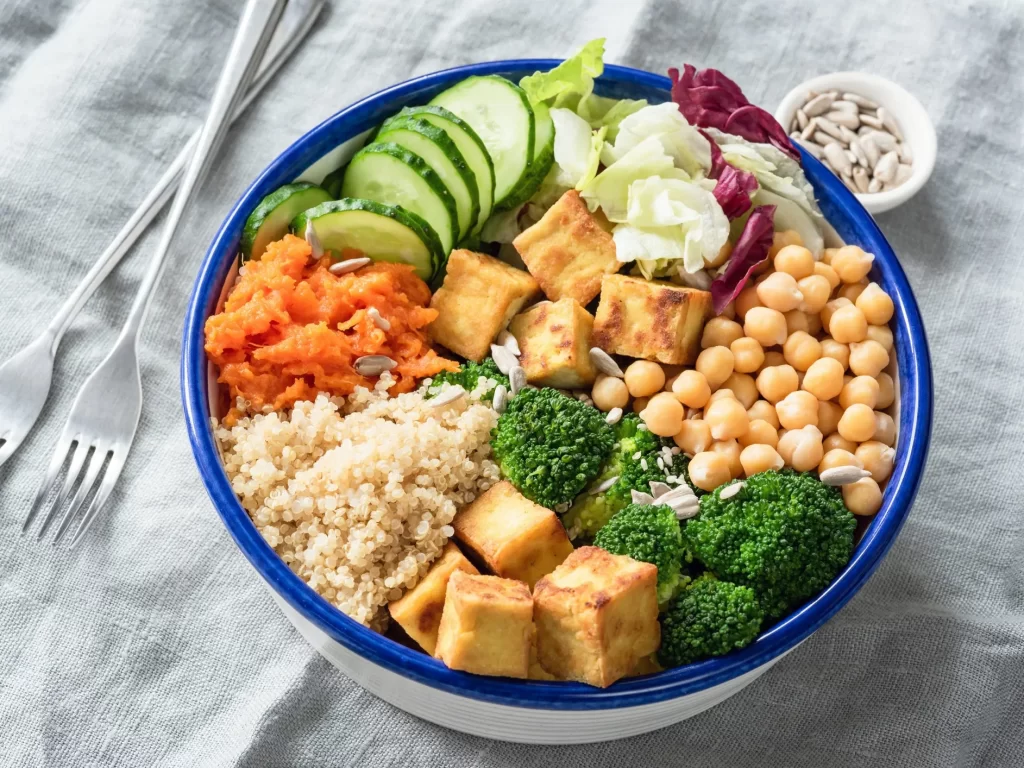
High-Protein Vegetarian Foods
| Food | Protein (per 100g) | Calories | Best Use |
|---|---|---|---|
| Paneer | 25g | 265 cal | Breakfast, snacks, curries |
| Moong dal | 24g | 347 cal | Main meal, soups |
| Chana dal | 20g | 335 cal | Curries, salads |
| Tofu | 15g | 76 cal | Stir-fries, scrambled |
| Greek yogurt | 10g | 59 cal | Breakfast, post-workout |
| Chickpeas (canned) | 12g | 134 cal | Salads, curries |
| Lentils (red) | 25g | 353 cal | Soups, dals |
| Peanut butter | 25g | 588 cal | Breakfast, smoothies |
| Cottage cheese | 11g | 98 cal | Breakfast, desserts |
| Pumpkin seeds | 30g | 574 cal | Snacks, salads |
Smart Vegetarian Combinations
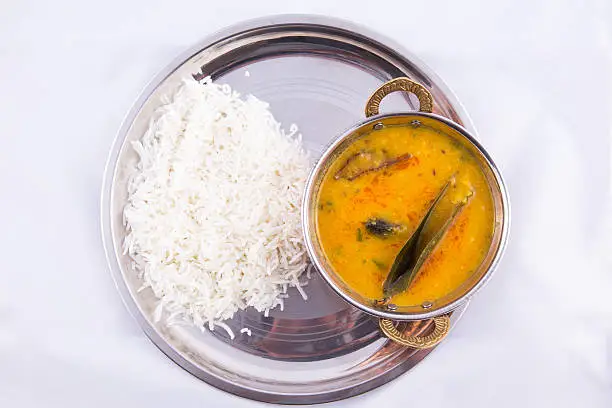
The key to complete protein (all amino acids) is combining:
- Grains + legumes: Rice + dal, roti + dal, bread + hummus
- Legumes + seeds: Chickpea curry + sesame or sunflower seeds
- Dairy + anything: Paneer + vegetables, yogurt + granola
Example breakfast for 30g protein:
- 1 bowl Greek yogurt (100g) = 10g protein
- Granola (50g) = 5g protein
- 1 tbsp peanut butter = 8g protein
- 1 medium paneer paratha = 7g protein
- Total: 30g protein, ~450 calories
The Complete Vegetarian Muscle-Building Plan
Daily Macros (for a 70kg person)
- Protein: 70–80g per day (minimum)
- Carbs: 200–250g (fuel for workouts, muscle glycogen)
- Fat: 50–70g (hormone health, satiety)
- Total calories: ~2200–2500/day (slight surplus to build muscle)
Sample Day of Eating
Breakfast (7 AM):
- 2 whole wheat parathas (40g carbs, 8g protein)
- 1 cup paneer bhurji (25g protein, 12g fat)
- 1 glass milk (8g protein, 12g carbs)
- Totals: 25g protein, 52g carbs, 12g fat
Mid-morning (10 AM):
- 1 apple (25g carbs)
- 30g almonds (10g protein, 14g fat)
Lunch (1 PM):
- 1.5 cups moong dal + rice (30g protein, 80g carbs)
- 1 tbsp ghee (14g fat)
Pre-workout (4 PM):
- 1 banana (27g carbs)
- 1 tbsp peanut butter (8g protein)
Dinner (7:30 PM):
- 1 cup chana masala (20g protein, 50g carbs)
- 1 roti (10g protein, 20g carbs)
- Yogurt raita 100g (10g protein)
Evening:
- 1 glass milk + honey (10g protein, 30g carbs)
Daily Total: ~74g protein, 260g carbs, 56g fat ≈ 2,220 calories
Why Body Composition Matters (More Than Scale Weight)
Here’s the trap most vegetarian muscle-builders fall into:
You start eating well, working out, gain 5kg, and think: “Wait, I’m supposed to be building muscle, not getting fat!”
But you can’t tell from the scale.
A 70kg person with 25% body fat looks completely different from a 70kg person with 18% body fat—even though they weigh the same.
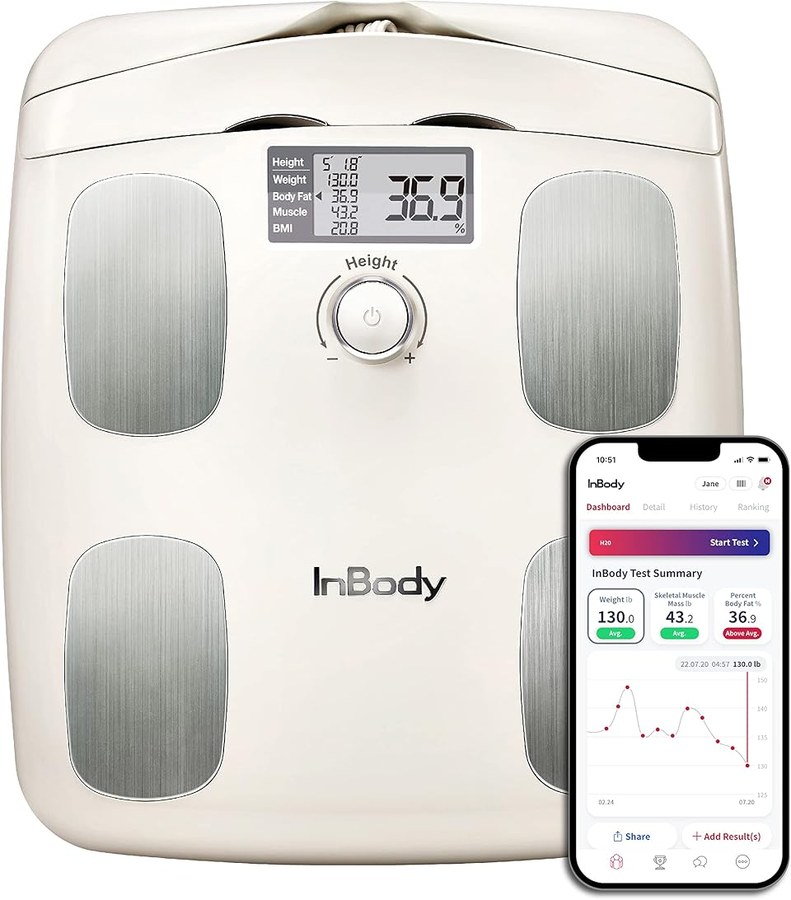
Body composition analysis tells you:
- How much of that 5kg gain is muscle vs fat
- If your vegetarian diet is actually supporting muscle growth
- When to eat more (muscle-building) vs eat less (fat loss)
- How your visceral fat is changing (health indicator)
What to Track
- Body fat %: Target 15–18% for men, 20–23% for women
- Lean mass: Should increase 0.5–1kg per month during a bulk
- Muscle mass (segmental): Arm, leg, trunk — see where you’re actually building
Vegetarian-Specific Challenges (And Solutions)
Challenge 1: “My carb intake is too high”
Vegetarian proteins often come with carbs (dal, legumes). This isn’t bad, but:
- Track total calories (don’t go overboard)
- Swap white rice for brown rice or quinoa
- Add non-starchy vegetables for volume without calories
Challenge 2: “Paneer has too much fat”
True—paneer is ~30% fat. But you need fat for hormones. Solutions:
- Use paneer in moderation (50–100g per serving)
- Balance with leaner sources: tofu, Greek yogurt, cottage cheese
- Don’t fear ghee (essential for nutrient absorption)
Challenge 3: “Digestion issues from too much dal”
Legumes can cause bloating. Solutions:
- Soak dal for 2–4 hours before cooking
- Start small and build tolerance
- Pair with ginger, cumin, or asafetida (hing)
Challenge 4: “I don’t know if I’m eating enough”
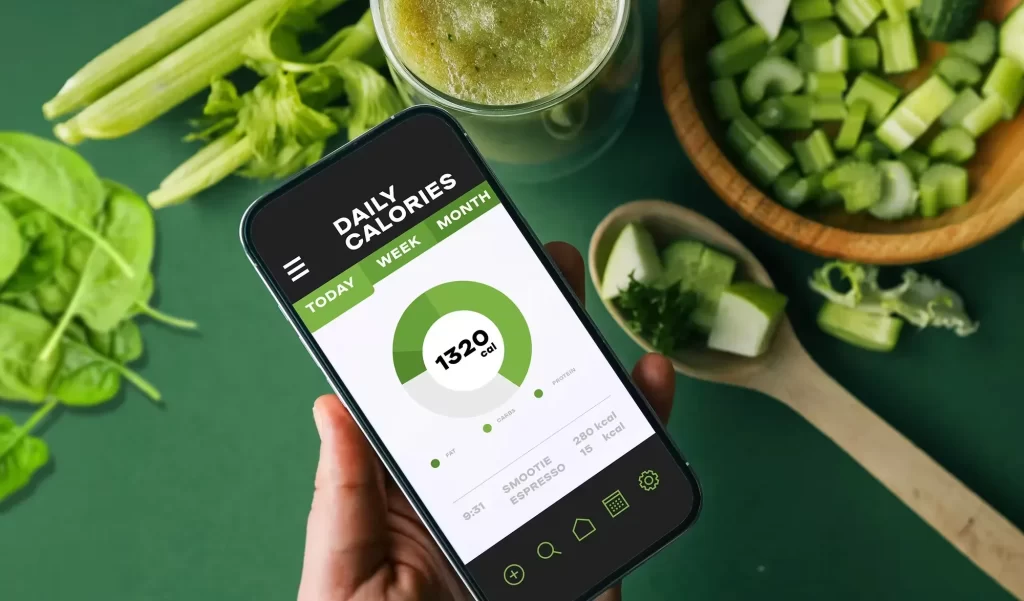
This is the biggest one. Solutions:
- Track your food for 1 week using an app
- Get a body composition test (InBody)—tells you if muscle is actually growing
- Weigh yourself weekly (same day, same time)
Training + Nutrition = Results
You can’t out-train a bad diet.
But nutrition without training builds nothing.
The formula:
- 3–4 strength training sessions per week (compound lifts: squats, deadlifts, presses, rows)
- Vegetarian diet with 70–80g protein daily
- Body composition tracking every 4 weeks
- Sleep 7–8 hours (muscle actually grows while sleeping)
Real Numbers: What’s Realistic?
If you’re a vegetarian beginner with strength training:
- Year 1: 4–6kg lean muscle gain
- Year 2: 2–3kg lean muscle gain
- Year 3+: 0.5–1kg lean muscle gain (harder as you progress)
On a vegetarian diet vs meat diet? Same results, if protein is equal.
Action Plan This Week
- Audit your current protein intake — Track food for 3 days
- Pick 2 new protein sources from the table above
- Get a body composition test — Book an InBody test. You need a baseline.
- Strength train 3× this week — Focus on compound movements
- Plan 3 meals using the sample day above
Your Body Composition is the Truth
You can’t out-guess muscle growth. You can’t eyeball it. And the scale doesn’t tell you what’s really happening.
An InBody test takes 15 minutes and shows you:
- Exact body fat %
- Lean muscle mass (total and segmental)
- Water content, bone density, visceral fat
Then you know: Is this vegetarian diet actually building muscle, or just adding fat?
Find Your Nearest InBody Test Centre
Get tested, track your muscle growth, and remove the guesswork from your vegetarian fitness journey.
Frequently Asked Questions
Can vegetarians build as much muscle as non-vegetarians?
Yes. Research shows vegetarians can build equal muscle to non-vegetarians when total protein intake is matched. The key is consuming 1.6–2.2g of protein per kg of body weight daily through a combination of dal, paneer, tofu, Greek yogurt, and legumes, while following a consistent strength training programme.
How much protein do Indian vegetarians need per day for muscle building?
A 70kg Indian vegetarian needs roughly 112–154g of protein per day for optimal muscle growth—about 1.6–2.2g per kg of body weight. Most Indian diets deliver only 40–50g daily. Closing this gap with paneer, moong dal, Greek yogurt, and plant protein is essential for measurable gains.
Is paneer a complete protein source for muscle building?
Paneer is derived from milk and contains all nine essential amino acids, making it a complete protein. At 25g of protein per 100g, it is one of the best vegetarian protein sources available in India. Pair it with legumes or whole grains to further optimise your amino acid profile throughout the day.
How long does it take to build visible muscle on a vegetarian Indian diet?
Most beginners see visible muscle definition within 8–12 weeks of consistent strength training combined with adequate protein intake. Meaningful lean mass gains of 2–4kg typically appear within 4–6 months. Results depend on protein sufficiency, training frequency, sleep quality, and tracking body composition—not just scale weight.
What is the best vegetarian protein supplement for Indians?
Whey protein (from milk) is the most effective and affordable option for Indian vegetarians, delivering 20–25g of complete protein per serving. For those avoiding dairy, pea protein is a strong plant-based alternative. Prioritise whole food sources first; supplements work best to fill the gap when meals fall short of daily targets.
