
Body Composition 8 min read
Fitness Testing and Body Composition for Sports Academies
A practical fitness testing battery for Indian sports academies: body composition, grip, jumps, sprints, Yo-Yo, Khelo India context and youth maturation.
Reading about body composition? Find an InBody test centre near you →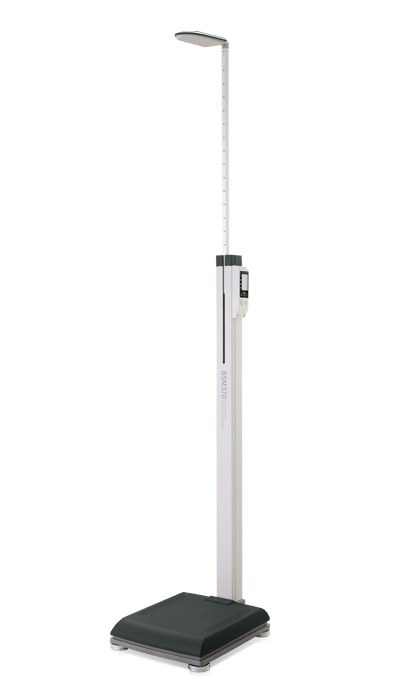
Fitness Testing and Body Composition for Sports Academies
A cricket academy, a football residential programme or a university sports science lab needs the same thing: a fitness testing battery with body composition that coaches trust, that can be repeated every season, and that does not mislead when a 14-year-old grows ten centimetres in a year. Body composition is one part of that battery. On its own it selects nobody and predicts nothing; alongside height, strength, jump, sprint and endurance tests, it tells you whether weight changes are muscle, fat or water.
This guide is for academy directors, strength and conditioning coaches and sports science leads. It covers a practical test battery, what India’s national fitness protocols already use, the extra care youth athletes need, where bioimpedance is weak in athletes, data and consent for minors, and what equipment to shortlist. For the athlete’s side of the story, see our post on body composition testing for cricketers.
A Practical Testing Battery
Most academy batteries cover the same components. The exact tests depend on the sport, but this is a sensible starting point:
| Component | Common test | Equipment | Notes |
|---|---|---|---|
| Growth and size | Standing height, sitting height, body mass | Stadiometer, calibrated scale | Sitting height is needed for maturity estimates in youth |
| Body composition | Bioimpedance, or skinfolds by a trained assessor | Analyser or calipers | Use one method per athlete and stick to it |
| Strength | Handgrip strength | Handgrip dynamometer | Quick, repeatable, useful for both sides |
| Power | Countermovement or standing broad jump | Jump mat, tape or force plate | Best of several attempts |
| Speed | 10 m and 20 to 40 m sprint | Timing gates or stopwatch | Same surface and footwear each time |
| Intermittent endurance | Yo-Yo Intermittent Recovery test | Cones, audio track | Suits team sports with repeated sprints |
| Flexibility | Sit and reach | Sit-and-reach box | Simple baseline |
The Yo-Yo test earns its place in team sports. A review in Sports Medicine (Bangsbo, Iaia and Krustrup, 2008) describes the Yo-Yo Intermittent Recovery tests as a simple and valid way to assess capacity for repeated intense exercise, notes that higher-level athletes perform better, and reports that the tests are more sensitive to changes in performance than maximum oxygen uptake.
For grip, our guide to hand grip strength normal values gives reference ranges, and the InGrip handgrip dynamometer records results digitally.
What India’s National Fitness Protocols Already Measure
Many academy athletes are also school students, so it helps to know the school baseline. The Fit India Mission’s Fitness Protocols and Guidelines for 5-18 Years adopt the Khelo India battery of fitness assessment tests. For ages 5 to 8 (Classes 1 to 3) the battery is body composition (BMI), plate tapping for coordination and the flamingo balance test. For ages 9 to 18+ (Classes 4 to 12) it is body composition (BMI), partial curl-ups, push-ups (modified push-ups for girls), sit and reach, a 600 m run/walk and a 50 m dash.
That is a good population screen, but BMI is the only body composition measure in it, and BMI cannot tell muscle from fat. A muscular fast bowler and a less active student of the same height and weight get the same BMI. That gap is what an academy-level body composition test fills.
At the elite end, the Sports Authority of India’s National Centre of Sports Science and Research (NCSSR) scheme was set up to support high-level research, education and innovation for elite athletes, including support for sports science departments in universities and sports medicine departments in medical institutions. University labs building testing services for athletes can use the same principles described here.
Youth Athletes: Growth and Maturation Change Everything
Two 13-year-olds can be years apart in biological maturity. The early maturer is taller, heavier, stronger and faster, and has more lean mass, simply because puberty started sooner. A review in the British Journal of Sports Medicine (Malina et al., 2015) sets out how selection and exclusion in youth sport often track maturity status, particularly around puberty and the growth spurt, and reviews ways of assessing maturity, including non-invasive estimates from height, sitting height and body mass that the authors say still need validation in athletes.
For an academy, that means:
- Record sitting height with every height measurement, so maturity can be estimated later.
- Compare each athlete with their own previous results, not with teammates of the same birth year.
- Never select or drop a young athlete on body composition. A lean, late-maturing 13-year-old may overtake an early maturer within a few seasons.
- Expect weight gain during growth spurts. Rising weight in an adolescent is normal and should not trigger weight-loss advice from coaches.
Children’s body composition estimates also carry more error. A validation study in Pune schoolchildren aged 5 to 18, published in Indian Pediatrics (2017), found that bioimpedance underestimated body fat by an average of 6.7 percentage points compared with DXA, and concluded the two methods are not interchangeable, although BIA can still be used in field settings. Use it for trends in the same child on the same device, not as an exact number.
Where Bioimpedance Is Weak in Athletes
A narrative review in Nutrients (Campa et al., 2021) is the most useful reference for academies. Its key points:
- Equations built for the general population give inaccurate results in athletes; athlete-specific equations have only appeared recently.
- Different devices output different values, so results from two machines cannot be compared.
- Nutritional status, time of day and recent training all affect results. Repeat tests should be done at the same time of day and after a consistent gap from training or competition.
- For female athletes, repeat tests should be done in the same phase of the menstrual cycle.
Two practical consequences. First, never test straight after a training session or a match, when sweat loss changes body water. Second, treat small changes with caution: a few hundred grams of lean mass between two tests is usually inside measurement noise. Our explainer on DSM-BIA versus single-frequency BIA covers why device design matters, and our guide to the muscle mass test compares methods.
A Testing Calendar That Works
- Pre-season baseline: full battery after a rest day.
- Mid-season check: body composition, grip and jump, which are quick and low-fatigue.
- End of season: full battery again.
- Return from injury: body composition and strength as one input, alongside the medical team’s functional tests. Equal lean mass between legs does not mean equal strength.
Keep test conditions fixed: same time of day, same order of tests (body composition first, before any exercise), same footwear and surface for running tests, and the same assessor where possible. If you run an endurance squad, our post on body composition for marathon runners covers the fuelling side.
Consent, Privacy and Body Image
Most academy athletes are under 18. India’s Digital Personal Data Protection Act, 2023 requires verifiable consent from a parent or legal guardian before processing a child’s personal data. The DPDP Rules notified in November 2025 bring most obligations, including this one, into force by May 2027. Take legal advice on your consent forms and data retention.
Body image matters as much as law. Share body composition results privately with the athlete and parent, never on a team noticeboard or group chat. Coaches should not comment on young athletes’ body fat; route any concern through a qualified sports dietitian or doctor.
Choosing Equipment
For an academy, the priorities are repeatability, speed per athlete and data you can track across seasons. Look for:
- A stadiometer and calibrated scale, so height, sitting height and weight are reliable.
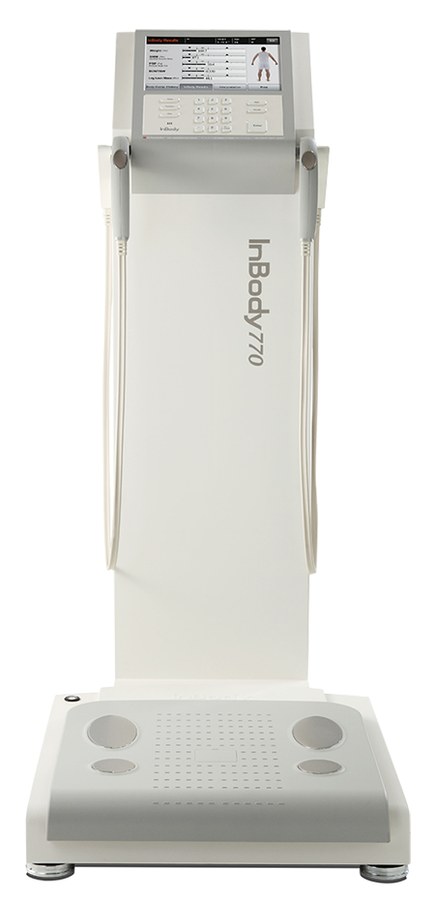
- A body composition analyser that reports segmental lean mass, and ECW/TBW if you track injured athletes. Outputs vary by model, so check each product page.
- Software that stores results per athlete and exports them to your athlete-management system.
- A handgrip dynamometer for quick strength checks.
Our analyser buying guide compares tiers. We do not print prices; request a quote for an academy package.
Frequently Asked Questions
Is BMI enough for body composition in a sports academy?
No. BMI is used in the national school fitness battery as a population screen, but it cannot distinguish muscle from fat, so muscular athletes can appear overweight. A body composition test separates the two.
How often should academy athletes be tested?
There is no single standard. Many programmes test at pre-season, mid-season and end of season, with extra checks on return from injury. Keep conditions identical each time so results are comparable.
Can body composition be used to select young players?
It should not be. Youth body composition and performance depend heavily on biological maturity, and late maturers often catch up. Compare each athlete with their own past results and use body composition for monitoring, not selection.
Should we test athletes right after training?
No. Sweat loss and recent exercise change body water and distort bioimpedance results. Test before training, at the same time of day, after a consistent gap from the last session or match.
Do we need parental consent to test athletes under 18?
India’s DPDP Act requires verifiable consent from a parent or guardian for processing a child’s personal data, with most obligations in force by May 2027 under the 2025 Rules. Take legal advice on your forms and keep results private.
Can we compare results from two different machines?
No. Different devices give different values for the same person. Use one device for each athlete’s record and note the model with every result.
Build Your Academy’s Testing Station
If you run a sports academy or university sports science lab, request a demo and quote for body composition, height and grip testing, or explore the InBody analyser range.
This article is for coaches, academy managers and sports science staff. It is general education, not medical advice. Refer young athletes with health or weight concerns to a doctor or qualified sports dietitian.

Most trending articles
Student Fitness Screening in India: A Guide for Schools
CBSE HPE, Fit India and Khelo India rely on BMI. How schools and colleges can add body composition screening safely, with child caveats and DPDP consent.
Creatine and Your Body Composition Scan: What Changes
Creatine raises body water and lean mass readings within a week on BIA and DXA. What the studies show and how to time your scans to read progress honestly.
Body Me Pani Kitna Hona Chahiye? Normal Range Aur Report
Body me pani kitna hona chahiye? Purush lagbhag 60%, mahila 50%. Umar ke hisaab se range, dehydration ke sanket aur report par pani ka asar.