
Health 8 min read
PCOS (PCOD) & Body Composition: Why 1 in 5 Indian Women Struggle — And What Actually Works [2026]
PCOS affects 22% of Indian women. Discover why body composition matters more than weight loss, how visceral fat drives symptoms, and the 3 metrics that predict recovery.
Reading about body composition? Find an InBody test centre near you →![PCOS (PCOD) & Body Composition: Why 1 in 5 Indian Women Struggle — And What Actually Works [2026]](https://www.inbody.in/blog/wp-content/uploads/2026/06/hormonal-belly-fat-picture.webp)
The Silent Crisis: Why PCOS Is Different in India
One in five women you know likely has PCOS.
You may know it better as PCOD (Polycystic Ovarian Disease) — the term most commonly used across Indian clinics and conversations — while the clinically precise diagnosis is PCOS (Polycystic Ovary Syndrome). The two are used interchangeably in everyday India, and everything in this guide applies whether your report says PCOD or PCOS.
Not one in thirteen (USA average). One in five. That’s 22% of Indian women of reproductive age—roughly 35 million women.
And most don’t know it.
Why? Because PCOS shows up differently in Indian women:
- Insulin resistance is more severe (genetic + lifestyle factors)
- Weight gain is more dramatic (even with diet control, the weight sticks)
- Irregular periods are normalized (“That’s just how my cycle is”)
- Hair growth and acne are attributed to heredity (not recognized as PCOS warning signs)
- Gyms and doctors don’t talk about body composition (they just say “lose weight”)
Here’s what most women are told: “Lose 5-10% of your body weight and your PCOS will improve.”
It’s not wrong. But it’s incomplete.
Because weight is a lie. And PCOS doesn’t care about the scale—it cares about what kind of weight you’re carrying.
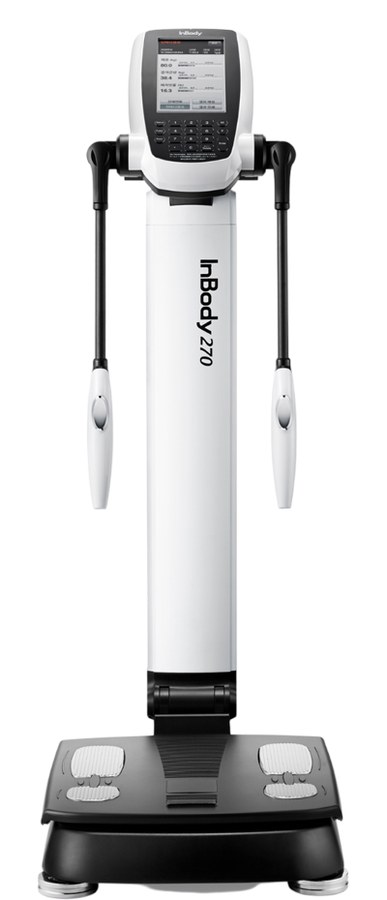
The PCOS-Insulin-Visceral Fat Triangle
What’s Actually Happening in Your Body
PCOS is an insulin metabolism disorder, not a weight problem.
Here’s the cascade:
- Your ovaries are more sensitive to insulin (genetic)
- Your pancreas compensates by making MORE insulin
- High insulin → ovarian androgens rise → hormonal chaos
- High insulin → fat accumulates in the abdomen (visceral fat)
- Visceral fat → more insulin resistance → vicious cycle
The result: You can be 65kg with a high body fat %, accumulate visceral fat (the dangerous kind), and still struggle with PCOS symptoms.
Meanwhile, someone 75kg with low body fat % and high lean mass might have zero PCOS symptoms.
The scale doesn’t distinguish between these two people. Body composition does.
Why “Lose Weight” Fails for PCOS
Most PCOS women follow standard advice: eat less, exercise more, lose 10kg.
Six months later: frustrated, miserable, and the scale hasn’t budged.
Why?
- Calorie deficit alone worsens insulin resistance (undereating triggers metabolic adaptation)
- Standard “balanced” diets have too many carbs (80g carbs at lunch spiked insulin)
- They’re losing muscle, not fat (scale goes down, but body composition gets worse)
- Visceral fat is stubborn (pure weight loss doesn’t target it effectively)
The solution: Body recomposition + insulin management + strength training + targeted nutrition.
Not just “eat less.”
What Actually Works for PCOS: The Data
Metric #1: Visceral Fat %, Not Total Weight
Visceral fat = fat stored around organs (liver, pancreas, intestines)
Why it matters for PCOS:
- Visceral fat produces inflammatory hormones that worsen PCOS
- It’s the strongest predictor of insulin resistance
- Even at normal BMI, high visceral fat = PCOS symptoms persist
The metric that changes: Visceral fat % should drop 2-3% per month on a PCOS protocol.
Total weight might only drop 0.5kg/month—but if that 0.5kg is visceral fat loss + 0.5kg muscle gain, your PCOS symptoms improve dramatically.
Metric #2: Lean Muscle Mass
Muscle is a glucose sink. More muscle = better insulin sensitivity.
What to expect:
- Add 1-2kg lean muscle over 3 months
- Total weight stays similar or increases slightly
- But visceral fat drops + PCOS symptoms improve
Metric #3: Body Fat %
Target: 25-28% for PCOS women (vs 20-25% for non-PCOS women)
Why higher? PCOS + insulin resistance makes it harder to get very lean. The goal isn’t a 6-pack. It’s metabolic health + regular periods + reduced hair growth.
The PCOS-Friendly Nutrition Protocol
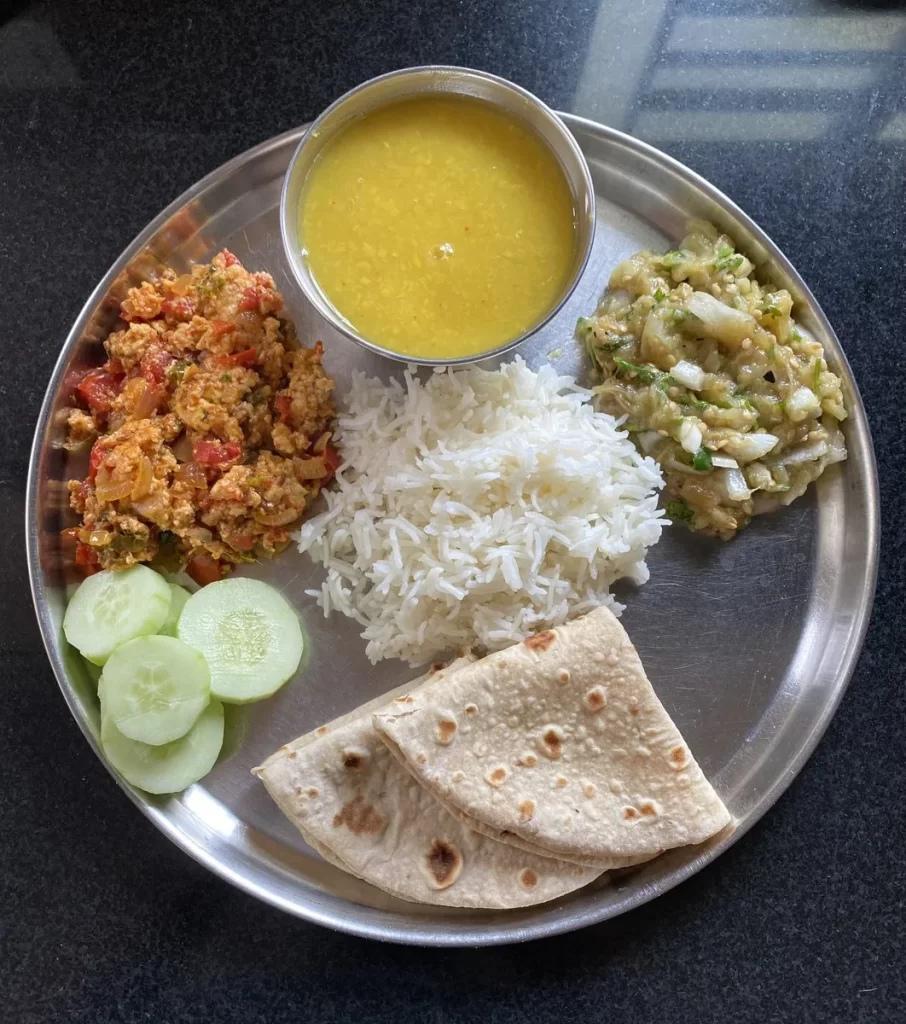
Macros for Insulin Management (Not Standard “Balanced”)
For a 65kg PCOS woman:
- Protein: 100-110g per day (high protein stabilizes insulin, preserves muscle)
- Carbs: 120-150g per day (LOW, but not keto—timed around workouts)
- Fat: 50-65g per day (healthy sources: olive oil, nuts, seeds)
- Total calories: ~1600-1700/day (slight deficit, but not extreme)
Sample PCOS Day
Breakfast (7 AM) – HIGH PROTEIN, LOW GLYCEMIC:
- 2 scrambled eggs + 2 tbsp paneer (25g protein, 5g carbs)
- 1 slice whole wheat toast (12g carbs)
- ½ avocado (3g carbs)
- Total: 25g protein, 20g carbs, 10g fat
Mid-morning (10 AM):
- Greek yogurt 100g (10g protein, 5g carbs)
- 10 almonds (3g protein, 3g carbs)
Lunch (1 PM) – LEGUME-BASED, NOT RICE-HEAVY:
- 1 cup moong dal curry (20g protein, 30g carbs)
- ½ cup rice (15g carbs)
- 1 tbsp ghee (9g fat)
- Large spinach salad (5g carbs)
- Total: 20g protein, 50g carbs, 9g fat
Pre-workout (4 PM):
- 1 small banana (25g carbs, 1g protein)
Dinner (7:30 PM) – PROTEIN-FORWARD:
- 150g paneer tikka (30g protein, 0g carbs)
- 1 roti (8g carbs, 3g protein)
- Broccoli (5g carbs)
- 1 tbsp olive oil (9g fat)
- Total: 33g protein, 13g carbs, 9g fat
Evening Snack (if hungry):
- 1 tbsp peanut butter (8g protein, 3g carbs)
Daily Total: 106g protein, 136g carbs, 52g fat ≈ 1,650 calories
What to Avoid
- White rice (switch to brown/basmati in moderation)
- Refined sugar (sweets, cookies, sugarcane—major insulin spike)
- Seed oils (vegetable oil, refined sunflower oil → inflammation)
- Ultra-processed carbs (maida, white bread, cereal)
What to Emphasize
- Lean protein at every meal (eggs, paneer, dal, tofu, yogurt)
- Fiber (dal, lentils, vegetables, whole grains)
- Healthy fats (olive oil, nuts, seeds, avocado)
- Vegetables (fill ½ your plate with non-starchy vegetables)
Training Protocol for PCOS
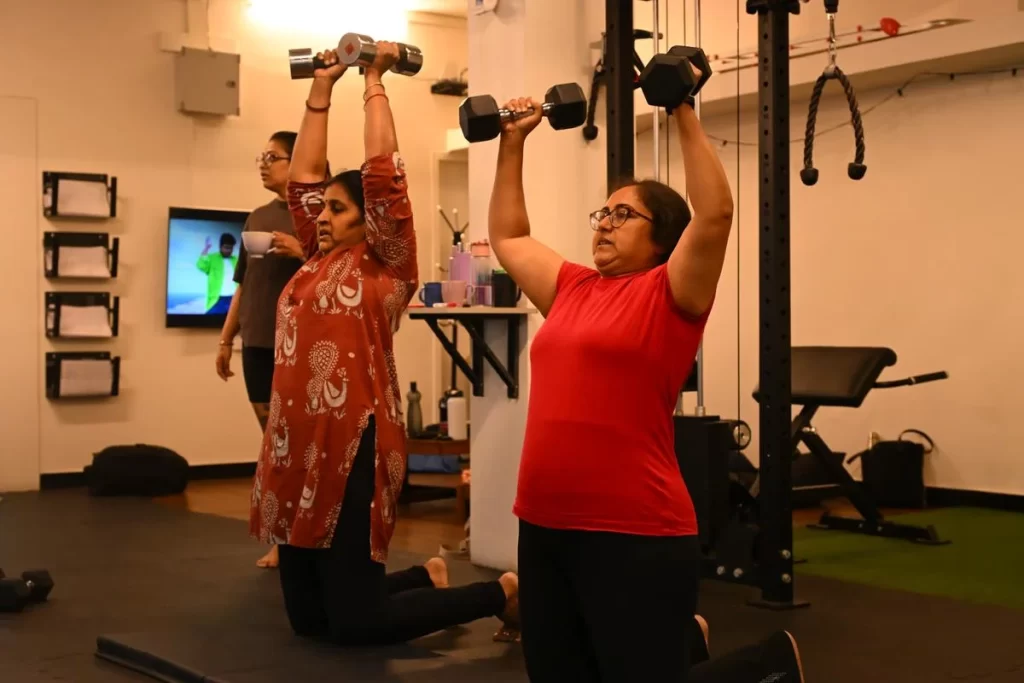
Why Standard Cardio Fails
Long, slow cardio without strength training = muscle loss + metabolic slowdown + PCOS symptoms worsen.
What Works: Strength + Moderate Cardio
Weekly Structure:
- 3× strength training per week (30-45 min each)
- Focus: squats, deadlifts, rows, presses, lunges
- Progressive overload (add weight or reps weekly)
Builds muscle, stabilizes insulin
2× moderate-intensity cardio (20-30 min each)
- Walking, cycling, swimming (not sprinting)
Low cortisol impact (PCOS + high stress worsens symptoms)
1-2 days rest (recovery is when hormones balance)
How to Track PCOS Progress (Beyond the Scale)
The Metrics That Matter
Every 4 weeks, get tested:
- Body fat % (should decrease 1-2% over 3 months)
- Visceral fat % (should decrease 2-3% over 3 months)
- Lean muscle mass (should stay stable or increase)
- Muscle mass by segment (ensure arms, legs, core are all building)
Every 3 months, check labs:
- Fasting insulin (target: <10 mIU/L for PCOS)
- Fasting glucose (target: <100 mg/dL)
- Testosterone (should trend down with PCOS improvement)
- Cycle regularity (should normalize within 3-6 months)
Real Results: What’s Realistic for Indian PCOS Women
Timeline for PCOS symptom improvement:
- 1-2 months: Period regularity improves, energy increases
- 3 months: Hair growth slows, acne reduces, mood stabilizes
- 6 months: Most women report “it feels like my hormones are finally normal”
Weight loss isn’t the metric here—hormonal health is.
Some women lose 5kg and all PCOS symptoms resolve. Others lose 10kg and still have issues. The difference? Visceral fat loss vs total weight loss.
Action Plan This Week
- Book an InBody test — Get your baseline: body fat %, visceral fat %, lean mass. This is your PCOS truth.
- Audit your carbs — Track one day of eating. Are you at 120-150g carbs or 200+? (Most PCOS women are over 200g, perpetuating insulin resistance)
- Start strength training — 3× this week. Doesn’t require a gym (bodyweight squats, push-ups, planks).
- Swap one meal — Replace your standard lunch (white rice + curry) with 1 cup moong dal + ½ cup rice + large vegetable portion.
- Schedule follow-up test — Book your next InBody test for 4 weeks from now.
The PCOS Truth
You’re not broken. Your insulin metabolism is different, and standard fitness advice doesn’t account for it.
The women who succeed with PCOS track body composition, not weight. They understand visceral fat. They eat high protein, moderate carbs, and train with strength first.
An InBody test every 4 weeks gives you the data to prove whether your PCOS protocol is working. Not “I feel like I’m making progress.” Actual data.
Find Your Nearest InBody Test Centre
PCOS management is data-driven. Get tested, track visceral fat, and watch your hormones rebalance.
More Resources
- “5 Hormones That Affect Your Body Composition & How to Balance Them”
- “Visceral Fat: The Dangerous Kind No One Talks About”
- “Why Your PCOS Bloating Might Be Insulin Resistance”
Frequently Asked Questions
What is the difference between PCOD and PCOS?
PCOD (Polycystic Ovarian Disease) and PCOS (Polycystic Ovary Syndrome) are used interchangeably in everyday Indian conversation, but they aren’t strictly identical. PCOD refers to the ovaries releasing immature or partially mature eggs that develop into cysts — it’s generally considered more common and manageable through diet and lifestyle. PCOS is the broader hormonal and metabolic syndrome, involving insulin resistance and higher androgen levels, and is classified as an endocrine disorder. In practice, most Indian clinics and patients use “PCOD” and “PCOS” for the same condition, and the body composition approach — tracking visceral fat and lean muscle mass rather than just weight — applies to both.
Does PCOS cause weight gain even with a healthy diet and exercise?
Yes. PCOS-driven insulin resistance causes the body to store fat more aggressively, particularly around the abdomen, even when eating well and exercising. Elevated androgens and disrupted hunger hormones (leptin, ghrelin) compound the problem. Managing carbohydrate timing and adding strength training addresses the root metabolic cause more effectively than calorie restriction alone.
What body fat percentage is healthy for Indian women with PCOS?
For Indian women with PCOS, a body fat percentage of 25–30% is a realistic and metabolically healthy target. Indian women have a higher tendency toward visceral fat at lower BMIs, so reducing visceral fat specifically—measured by InBody or DEXA—matters more than achieving a low overall body fat number.
How does visceral fat worsen PCOS symptoms?
Visceral fat (fat stored around internal organs) secretes inflammatory hormones and free fatty acids that directly increase insulin resistance. Higher insulin resistance causes the ovaries to produce more testosterone, worsening PCOS symptoms like irregular periods, excess hair growth, and acne. Reducing visceral fat is therefore the single most effective lever for PCOS symptom control.
Can strength training help manage PCOS better than cardio?
Yes. Strength training builds lean muscle, which acts as a glucose sink and improves insulin sensitivity more durably than cardio alone. Studies show resistance training reduces testosterone levels and improves menstrual regularity in PCOS women. A combination of 3 strength sessions plus 2 moderate cardio sessions per week is the evidence-backed optimal protocol.
How often should women with PCOS get a body composition test?
Women with PCOS should aim for a body composition test every 4 weeks during an active intervention. This frequency captures meaningful changes in visceral fat and lean muscle mass before the scale shows any movement. Quarterly testing is sufficient for maintenance once symptoms stabilise and a sustainable routine is established.
