
Cardiac Health 7 min read
High Blood Pressure in India: Why 7 in 10 Indians Don’t Know They Have It (And What to Do Now)
India has 220 million undiagnosed hypertensives. How visceral fat drives blood pressure, the body composition connection, and how to monitor before it becomes a crisis.
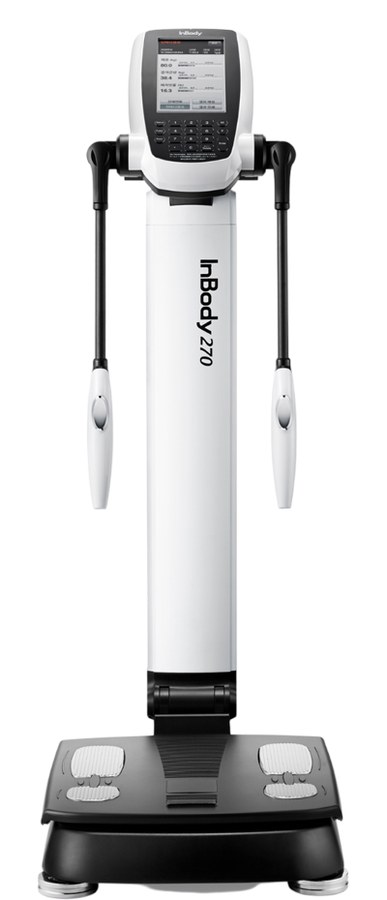
Reading about body composition? Find an InBody test centre near you →
The Silent Killer (That Most Indians Ignore)
210 million Indians have hypertension. That’s higher than the population of Brazil.
Yet most don’t know it. They find out at 45 when they have a stroke. Or at 50 when the doctor says “your kidney is failing from years of high blood pressure.”
Why the silence?
- High BP has no symptoms (you can’t feel it)
- Healthcare access is poor (no routine screening in rural/semi-urban India)
- Cost (doctor visits + monitoring expensive)
- Denial (if I feel fine, I must be fine)
- Fatalism (“BP is genetic, I can’t prevent it”)
All of this is wrong.
High blood pressure is often preventable. And it’s linked to body composition—specifically visceral fat—more than you know.
What’s Normal Blood Pressure? (Indian Context)
The Categories
| Category | Systolic | Diastolic | What It Means |
|---|---|---|---|
| Normal | <120 | <80 | Healthy |
| Elevated | 120-129 | <80 | Watch carefully |
| Stage 1 HTN | 130-139 | 80-89 | Medication + lifestyle |
| Stage 2 HTN | ≥140 | ≥90 | Medication essential |
| Hypertensive Crisis | >180 | >120 | Emergency |
Many Indians have BP 140-160 and take no medication, “managing” with diet alone. This is dangerous.
Why Body Composition Matters (More Than Weight)
The Visceral Fat-Blood Pressure Connection
Visceral fat produces inflammatory hormones that:
- Stiffen arteries (endothelial dysfunction)
- Increase sympathetic nervous system (adrenaline, cortisol)
- Worsen salt sensitivity (sodium raises BP more in visceral fat people)
- Trigger renin-angiotensin system (kidney hormone cascade)
Result: High blood pressure.
The Problem: You Can Have Normal BMI and High BP
Example:
- Person A: 72kg, 26% body fat (BMI 24, “normal”)
- High visceral fat
- High blood pressure (160/95)
-
At stroke risk
-
Person B: 78kg, 20% body fat (BMI 25.8, “overweight”)
- Low visceral fat
- Normal blood pressure (115/75)
- Low stroke risk
Standard screening would flag Person B as “overweight” and ignore Person A. Reality is opposite.
How to Monitor Blood Pressure (At Home, Properly)
Why Home Monitoring Matters
Doctor’s office = often artificial high (white coat syndrome)
Home = real, daily, actual BP
Tracked home BP is more predictive of heart attack/stroke risk than doctor office readings.
How to Measure (Correct Technique)
Equipment:
- Automated home BP monitor (≈₹1500-3000)
- Reputable brand (Omron, Dr. Morepen)
- Avoid wrist monitors (less accurate)
Technique:
- Sit for 5 min (calm, not rushed)
- Feet on ground, back against chair
- Arm at heart level
- Bladder empty (full bladder raises BP)
- No caffeine, exercise, or food in last 30 min
- Take 2-3 readings, average them
Frequency:
- If normal: 1× per week
- If elevated/stage 1: Daily morning + evening
- If stage 2: Daily
Track it: Write down or use an app (see trends)
Why Indians Specifically Have High BP Risk
Genetic Predisposition
- South Asian populations have higher salt sensitivity (kidney salt-handling issue)
- Higher baseline sympathetic nervous system activity
- Visceral fat accumulation patterns (more at lower BMI)
Environmental/Lifestyle
- Sedentary desk jobs (sitting 8-10 hours)
- High refined carb intake (white rice, maida)
- Oil-heavy cooking (ghee, refined oils) + excess sodium
- Stress culture (work stress normalized)
- Pollution (air pollution raises BP acutely + chronically)
- Late sleep (sleep loss raises BP)
- Alcohol (very high among professionals)
Result
Indians develop high BP earlier (by 40s commonly) and more severely than Westerners of same age.
Prevention: Body Composition Protocol
Why Visceral Fat Reduction Works Better Than Weight Loss
Standard “weight loss” might drop your BP 3-5 mmHg (minimal).
Targeted visceral fat reduction drops BP 10-15 mmHg (clinically significant).
The Protocol
Nutrition (to reduce visceral fat):
- Protein: 100-110g daily (muscle preservation)
- Carbs: 140-170g daily (moderate, not low)
- Fat: 50-60g daily (healthy sources only)
- Eliminate: Refined sugar, seed oils, fried foods
- Emphasize: Vegetables (½ plate), lean protein, whole grains
- Sodium: <2300mg daily (not <1500mg; very restrictive fails)
Training (strongest BP reducer):
- Strength training 3-4× weekly (most effective for visceral fat reduction)
- Moderate cardio 2× weekly (walking, cycling, swimming)
- Progressive overload (gets harder over time)
Lifestyle:
- Sleep 7-8 hours (critical; sleep deprivation drives BP up)
- Stress management (yoga, meditation, walks)
- Limit alcohol (if you drink, <1 drink/day for men, <0.5 for women)
- Monitor salt (not zero, just moderate)
Timeline for Results
Weeks 1-4: BP drops 5-10 mmHg (from reduced sodium/stress, before body comp changes)
Months 2-3: BP drops another 5-10 mmHg (visceral fat reducing)
Months 3-6: Cumulative drop 15-25 mmHg (if consistent)
Real Example: 52-Year-Old Man
Starting point:
- BP: 158/96 (stage 2 hypertension)
- Medication: Ramipril 5mg (not controlling)
- Body composition: 80kg, 28% body fat, visceral fat area 120cm²
- Lifestyle: Sedentary desk job, daily sweets, little exercise
Doctor’s advice: “Add another medication.”
Better approach: Body composition protocol
Protocol:
- Reduce refined carbs (white rice → brown rice)
- Add strength training 3×/week
- Reduce visceral fat through deficit + high protein + training
- Sleep 7-8 hours
- Daily walking
Results after 6 months:
- BP: 128/82 (normal!)
- Medications: Stopped (doctor approved)
- Body composition: 77kg, 23% body fat, visceral fat 82cm²
- Visceral fat reduction: -32% = massive BP improvement
Key: The visceral fat reduction did this. Not just “weight loss.”
Medication + Lifestyle (Not Either/Or)
If Already on Medication
Don’t stop it. But optimize lifestyle alongside medication.
Goal: Reduce medication need over time through lifestyle.
Many people: On stage 2 HTN meds, make zero lifestyle changes, complain that “medication isn’t working.”
Reality: Medication + sedentary lifestyle + high visceral fat = BP stays high despite pills.
Solution: Medication + visceral fat reduction + strength training = BP normalizes, sometimes medication can be reduced.
If Pre-hypertension/Elevated
Start lifestyle immediately (before medication becomes necessary).
Most cases of elevated BP (120-139 systolic) can be prevented from progressing with:
- Strength training
- Visceral fat reduction
- Sleep
- Stress management
How to Track Progress (Body Composition)
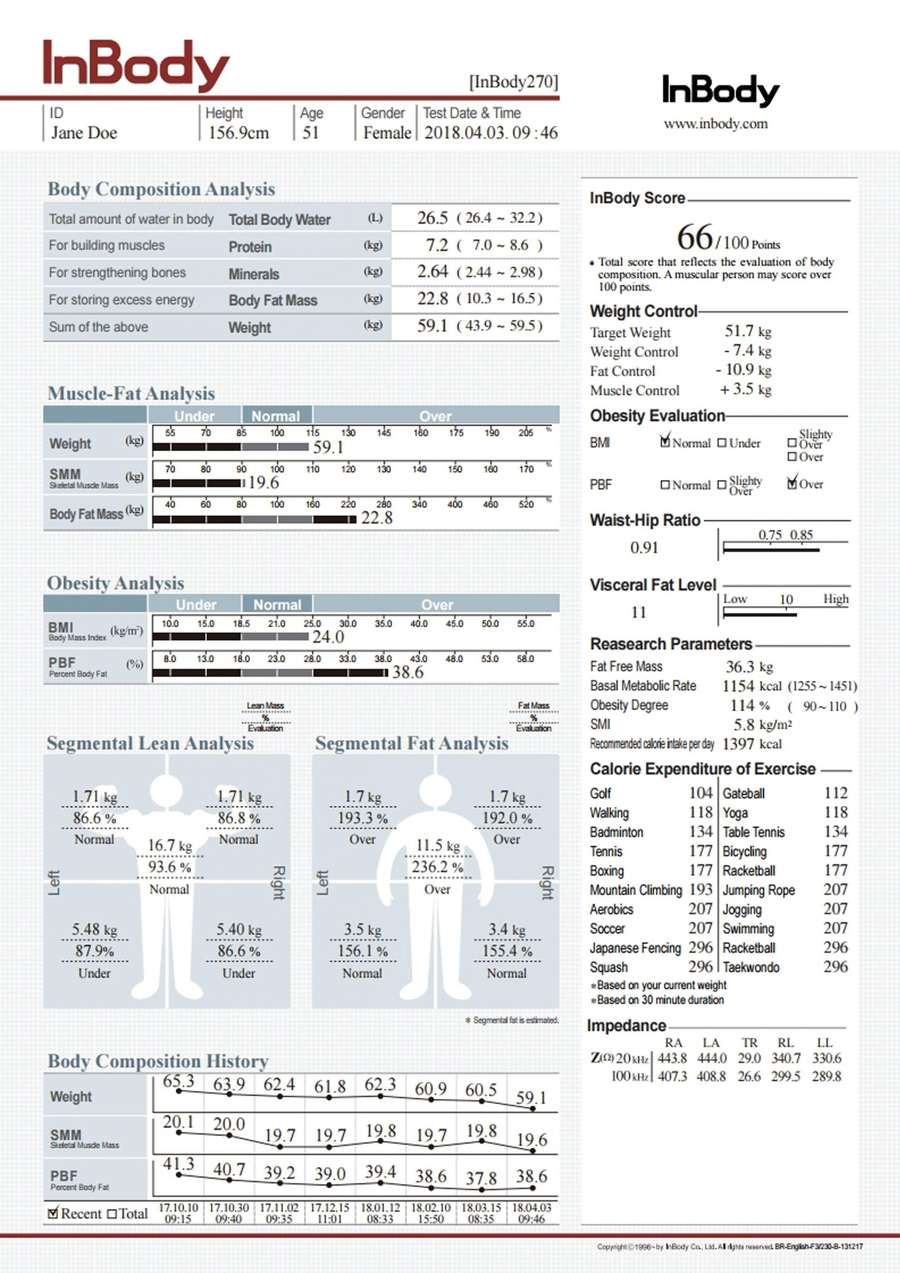
Every 8 Weeks: InBody Test
Body composition tells you:
- Visceral fat area (decreasing = better BP control)
- Body fat % (decreasing visceral fat specifically reduces BP)
- Lean muscle (increasing = better insulin sensitivity + BP control)
Why this matters: You’ll lose 2kg, but if that’s 3kg visceral fat + 1kg muscle gain, your BP improvement will be significant.
Standard weight tracking misses this.
Action Plan This Week
- Buy a home BP monitor (≈₹2000)
- Measure your BP daily (morning + evening)
- Track for 1 week (get baseline)
- Book an InBody test (visceral fat area is your target metric)
- Start strength training (3× this week)
The Prevention Truth
You can’t feel high blood pressure. But it’s slowly damaging your arteries, heart, kidneys, and brain.
Preventive action now = no stroke at 55. That’s the game.
Most people wait until crisis (stroke, MI) to take action. By then, damage is done.
Data-driven prevention: Track BP at home, measure body composition every 8 weeks, watch visceral fat drop, see BP normalize.
Find Your Nearest InBody Test Centre
High blood pressure prevention starts with understanding your visceral fat. Get tested, track your numbers, and watch your BP improve as visceral fat decreases.
Related Reads
- “Visceral Fat: The Dangerous Kind That Drives Blood Pressure Up”
- “Why Strength Training is Better Than Cardio for BP Control”
- “Body Composition and Heart Disease: Prevention Through Data”
Frequently Asked Questions
What is a normal blood pressure reading for Indian adults?
A normal blood pressure reading for Indian adults is below 120/80 mmHg. Readings between 120–129 systolic (with diastolic below 80) are considered elevated and warrant lifestyle attention. Stage 1 hypertension begins at 130/80 mmHg. Indians commonly develop high blood pressure earlier than Western populations, often by their early 40s, due to higher salt sensitivity and genetic predisposition.
How does body fat and visceral fat raise blood pressure?
Visceral fat—the dangerous fat stored around abdominal organs—secretes inflammatory hormones that stiffen arteries, activate the sympathetic nervous system, and trigger the renin-angiotensin kidney hormone cascade. This combination directly raises blood pressure. Indians accumulate visceral fat at lower BMI levels than Westerners, meaning a person with a “normal” BMI can still carry dangerously high visceral fat and elevated blood pressure.
Can losing weight lower blood pressure without medication?
Yes, but targeted visceral fat reduction is more effective than general weight loss. Standard weight loss drops blood pressure by 3–5 mmHg; reducing visceral fat specifically through strength training and a high-protein diet can lower blood pressure by 10–15 mmHg—a clinically significant change. Many Indians with Stage 1 hypertension can normalise blood pressure within 3–6 months without medication through consistent lifestyle changes.
How often should Indians check their blood pressure at home?
Indians with normal blood pressure should check once per week using a validated upper-arm monitor. Those with elevated readings (120–129 mmHg) or Stage 1 hypertension should measure every morning and evening, averaging two readings each session. Daily home monitoring is more predictive of heart attack and stroke risk than occasional doctor-office readings, which can be artificially elevated by white-coat syndrome.
Which foods in the Indian diet raise blood pressure the most?
The top culprits in the Indian diet are high-sodium processed foods like pickles, papads, packaged namkeen, and instant noodles; refined carbohydrates including white rice and maida-based foods that worsen insulin resistance; and excessive refined cooking oils. Alcohol—common among urban Indian professionals—also significantly raises blood pressure. Salt sensitivity is genetically higher in South Asians, making sodium intake an especially critical lever.

Most trending articles
High Cholesterol in India: Why Statins Aren’t Enough If You Don’t Address Body Composition
25–30% of urban Indians have dyslipidemia. Statins reduce LDL but don't fix the visceral fat that drives it. How body composition is the missing piece in India's cholesterol management strategy.

How Hydration Affects Your Heart and Cardiovascular Health
Most people think hydration is only about drinking enough water to avoid thirst. But your body tells a much deeper story. Did you know your heart is one…

The Alarming Rise of Heart Attacks in Young Adults: What’s Driving It
For a long time, people thought heart attacks only happened to older folks. But in recent years, something scary has been happening. Increasingly young adults, even those in…