
Health 10 min read
Sarcopenia in India: Why Indians Lose Muscle Faster After 35 (And How to Stop It)
Sarcopenia (age-related muscle loss) hits Indians harder than most populations. Understand the risks, warning signs, and the evidence-based protocol to prevent and reverse it.
Reading about body composition? Find an InBody test centre near you →
The Countdown Started at 35
After the age of 35, the average adult loses 1–2% of their skeletal muscle mass every year without deliberate intervention. By 60, that compounds to a 25–30% reduction from your peak muscle.
For Indians, the science suggests this trajectory is worse. The baseline muscle mass of Indian adults is already lower than most comparable populations. The dietary protein intake is among the lowest of any large nation. The prevalence of strength training — the primary intervention — remains below 10% of the adult population.
This is not a small problem. Sarcopenia — the medical term for age-related muscle loss — is a direct pathway to falls, fractures, metabolic disease, and loss of independent function. And it is happening quietly, invisibly, in tens of millions of Indian adults right now.
Here is what sarcopenia is, why Indians are at particular risk, how to detect it early, and the evidence-based protocol to prevent and reverse it.
What Sarcopenia Actually Is
Sarcopenia is not simply “getting weaker as you age.” It has a precise medical definition: a progressive, generalised skeletal muscle disorder associated with increased likelihood of adverse outcomes including falls, fractures, disability, and mortality.
The Asian Working Group for Sarcopenia (AWGS) — whose criteria are most applicable to Indian populations — defines sarcopenia as:
- Low muscle mass (measured by body composition analysis or DEXA)
- Combined with low muscle strength (grip strength test) and/or low physical performance (chair stand test, gait speed)
Sarcopenia is classified as:
- Possible sarcopenia: Low muscle strength alone
- Sarcopenia: Low muscle mass + low strength or performance
- Severe sarcopenia: All three criteria met
Importantly, sarcopenia is not just a disease of the elderly. The muscle loss process begins in the mid-30s, and the lifestyle choices made in your 30s and 40s determine how severe sarcopenia becomes in your 60s and 70s.
Why Indians Are at Higher Risk Than Most Populations
Multiple factors specific to Indian lifestyle and biology make sarcopenia a disproportionate risk:
Lower Baseline Muscle Mass
Studies comparing body composition across Asian populations have consistently found that South Asians — including Indians — have lower skeletal muscle mass relative to body weight than East Asians and Europeans. This means the starting point is lower, and the same percentage loss over decades results in a more severe functional deficit.
Chronically Inadequate Protein Intake
Protein is the primary building block of muscle. The current Indian Council of Medical Research (ICMR) recommendation for protein intake is 0.8–1g per kilogram of body weight per day for sedentary adults — though for active adults and older individuals, 1.2–1.6g/kg is needed to maintain muscle.
Multiple national nutrition surveys show that the average urban Indian consumes approximately 45–55g of protein per day — around half the requirement for muscle preservation. In vegetarian households, which constitute approximately 30–35% of the Indian urban population, protein quality is often additionally compromised by incomplete amino acid profiles.
Vitamin D Deficiency — The Indian Paradox
India receives among the most sunlight of any country. Yet 70–90% of urban Indians have vitamin D deficiency or insufficiency, according to multiple Indian clinical studies. The reason: dark skin requires significantly more sun exposure to synthesise equivalent vitamin D compared to lighter skin; urban Indians spend most of the day indoors; sunscreen, clothing coverage, and air pollution further reduce synthesis.
Vitamin D plays a direct role in muscle protein synthesis and neuromuscular function. Deficiency accelerates sarcopenia and impairs the benefits of resistance training.
Sedentary Desk Work Culture
India’s growing professional class — IT workers, finance professionals, government employees — is characterised by 8–10 hours of seated work followed by commutes, often totalling 12+ hours of inactivity daily. Physical inactivity is one of the most powerful accelerants of muscle loss.
Cardio-Only Fitness Culture
When Indian adults do exercise, the dominant form is cardio — walking, running, cycling, yoga, Zumba. Strength training is culturally undervalued, particularly among women (perceived as “not for women”) and older adults (perceived as “too strenuous”). Yet resistance training is the single most evidence-supported intervention for sarcopenia prevention and reversal. Cardio provides cardiovascular benefits but does not prevent muscle loss.
The Consequences: Why This Is Not Just About Weakness
Sarcopenia’s consequences extend far beyond strength and mobility:
- Falls and fractures: Reduced muscle mass and strength is the primary risk factor for falls in adults over 60. India’s osteoporosis burden combined with sarcopenia creates a dangerous compounding risk — a fall with low bone density is often a catastrophic fracture
- Metabolic disease: Skeletal muscle is the largest glucose disposal site in the body. As muscle mass declines, insulin resistance rises. Low SMM is an independent risk factor for Type 2 diabetes — India’s largest non-communicable disease burden
- Metabolic rate slowdown: Muscle tissue burns 3–5x more calories per kilogram than fat tissue. Muscle loss progressively lowers BMR, making weight gain easier and fat loss harder
- Loss of functional independence: The ability to climb stairs, carry groceries, rise from the floor, and manage daily tasks depends on adequate muscle mass. Sarcopenic adults frequently require assistance with basic activities 10–15 years earlier than those with preserved muscle
- Cardiovascular risk: Multiple cohort studies link low SMM to higher cardiovascular mortality — independent of body weight and other risk factors
How to Detect Sarcopenia Early
Body Composition Testing — Skeletal Muscle Mass
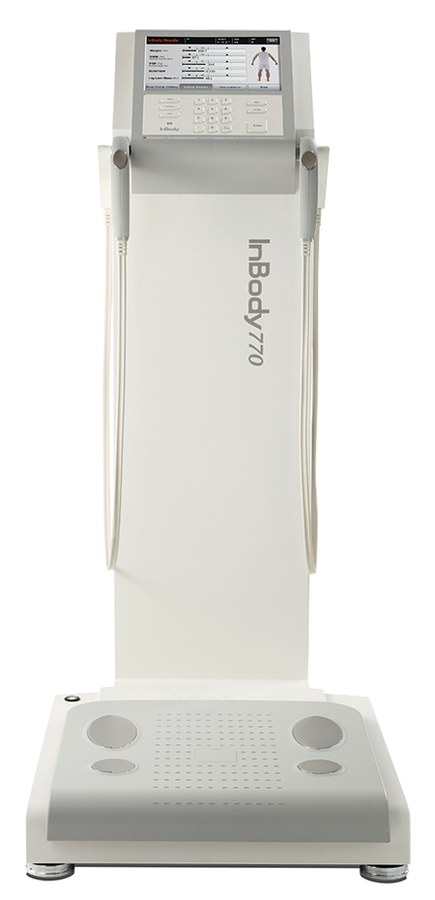
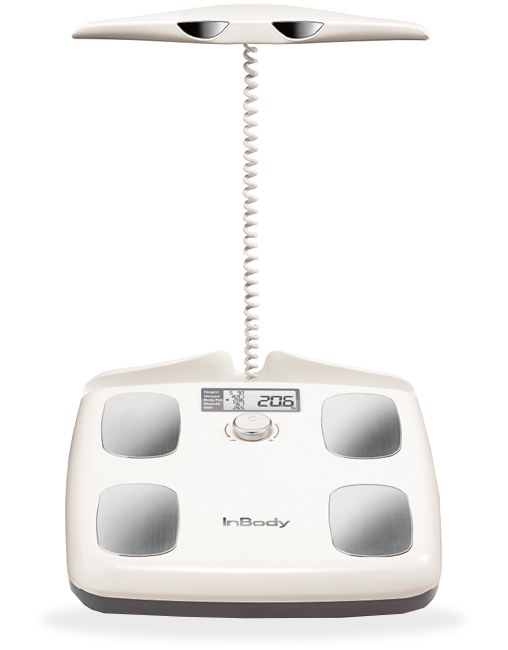
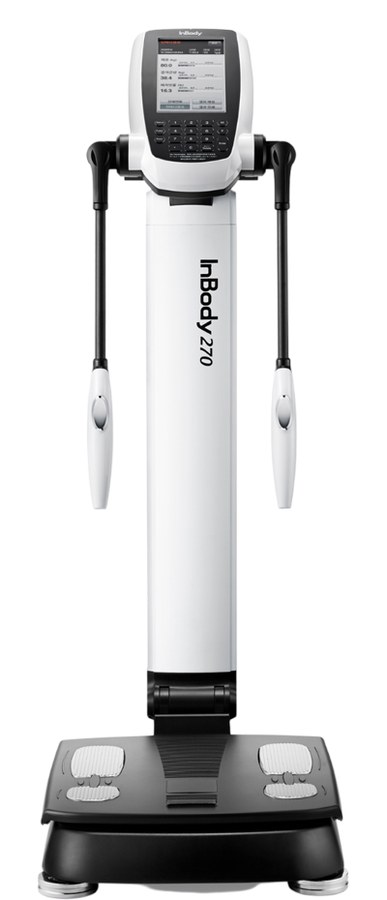
The most accessible early detection tool is a body composition analysis using bioelectrical impedance (BIA) or DEXA. An InBody test measures Skeletal Muscle Mass (SMM) directly — not estimated from weight or BMI. This gives you a precise baseline and, tested repeatedly over months and years, shows whether your muscle mass is stable, increasing, or declining.
Sarcopenia screening thresholds for Indians (AWGS 2019 criteria, adjusted for Indian body size):
- Men: SMM Index below approximately 7.0 kg/m² (SMM divided by height squared) — flags possible sarcopenia
- Women: SMM Index below approximately 5.7 kg/m² — flags possible sarcopenia
Grip Strength Test
A hand dynamometer measures grip strength, a reliable proxy for overall body muscle strength. Low grip strength is one of the most powerful predictors of mortality in adults over 50 — more predictive than blood pressure in some studies.
- Men: Below 28 kg grip strength flags sarcopenia risk
- Women: Below 18 kg grip strength flags sarcopenia risk
Chair Stand Test
Rise from a chair 5 times without using your arms. If it takes more than 12 seconds, lower limb muscle strength is compromised — a practical marker for sarcopenia risk assessment.
The Prevention and Reversal Protocol
1. Resistance Training — The #1 Intervention
Nothing else comes close. Resistance training is more effective than any supplement, any drug, any dietary change for preserving and rebuilding skeletal muscle mass. This is not debated in the literature.
The prescription:
- Frequency: 3–4 sessions per week
- Intensity: Working with moderate-to-heavy weight — 70–80% of your 1 repetition maximum (or weights where you can do 8–12 reps before fatigue)
- Progressive overload: Gradually increase weight or reps each week — this is the signal that drives muscle adaptation
- Priority exercises: Compound movements — squats, deadlifts, rows, presses — recruit multiple muscle groups and produce the strongest hormonal response
- For beginners or older adults: Bodyweight exercises, resistance bands, machine weights all count — the key is progressive challenge
A 2017 meta-analysis found that resistance training in adults over 60 produced average SMM increases of 1.1 kg over 20 weeks. Critically, these gains were seen regardless of starting age — 70-year-olds responding to resistance training similarly to 50-year-olds.
Measurable InBody result: 6–8 weeks of consistent resistance training typically shows a measurable SMM increase in the segmental analysis — the single most motivating data point for training adherence.
2. Protein — The Building Block You Are Probably Not Getting
Target: 1.6–2g of protein per kilogram of body weight per day. For a 65kg Indian adult, that is 105–130g of protein daily. Most Indians get less than half of this.
Practical daily sources for adequate protein:
- Whey protein supplement (1 scoop = 25g protein): highly bioavailable, convenient post-workout
- Eggs (1 egg = 6g protein): complete amino acid profile
- Paneer (100g = 18g protein): widely available, good leucine content for muscle synthesis
- Dal/legumes (1 cup cooked = 15–18g protein): good volume, pair with rice for complete amino acids
- Chicken/fish (100g cooked = 25–30g protein): highest bioavailability
- Greek yogurt (150g = 15g protein): good for mid-meal snacking
Distribute protein across 3–4 meals rather than concentrating it in one meal. Muscle protein synthesis is maximised when each meal contains 25–40g of protein with a leucine-rich source.
3. Creatine — The Most Evidence-Backed Supplement for Older Adults
Creatine monohydrate is safe, inexpensive, and has more clinical trial data than any other muscle-building supplement. For older adults specifically, creatine supplementation combined with resistance training has been shown to produce greater SMM gains than training alone.
Dose: 3–5g daily. No loading phase required. No cycling needed. Safe for kidneys in healthy individuals.
Note: Creatine is not a steroid, not banned in any sport for recreational purposes, and is not associated with any significant adverse effects in the vast majority of users. The myths around creatine causing kidney damage apply to people with pre-existing kidney disease — not healthy adults.
4. Vitamin D Supplementation
Given that 70–90% of urban Indians are deficient, supplementation is almost universally warranted. The standard supplementation protocol for deficiency in India:
- 60,000 IU vitamin D3 weekly for 8–12 weeks (loading), followed by 1,000–2,000 IU daily for maintenance
- Get a 25(OH)D blood test to establish baseline — target above 40 ng/mL for optimal muscle function
- Combine with vitamin K2 (100mcg daily) for optimal calcium metabolism
5. Sleep — The Anabolic Window Most People Ignore
Growth hormone — the primary anabolic hormone that drives muscle repair and synthesis — is released in greatest quantity during deep sleep. Consistently sleeping less than 7 hours significantly impairs muscle recovery and protein synthesis.
For adults over 40, sleep quality often deteriorates even when duration is maintained. Address sleep hygiene: consistent sleep and wake times, cool dark room, limiting screen exposure 60 minutes before sleep, avoiding heavy meals within 2 hours of bedtime.
What Not to Do
- Cardio only: Cardio preserves cardiovascular health but does not prevent sarcopenia. Without resistance training, muscle loss continues regardless of how many kilometres you walk
- Low-calorie crash diets: Severe calorie restriction without adequate protein and resistance training is one of the fastest ways to accelerate muscle loss. Every crash diet cycle depletes muscle mass further. The medical term is “diet-induced sarcopenia”
- Avoiding protein for fear of kidney damage: This myth is pervasive in India. High protein intake (up to 2g/kg/day) is safe for adults with healthy kidney function. The concern applies only to those with established chronic kidney disease
- Waiting until symptoms appear: Sarcopenia is asymptomatic for years. By the time weakness and fatigue are noticed, 15–20% of muscle mass may already be gone. Prevention requires action in your 30s and 40s, not your 60s
The Timeline: What to Expect
- Week 1–2: Neuromuscular adaptations begin — you get stronger before you visibly add muscle. This is normal
- Week 4–6: Measurable changes in SMM visible on InBody (typically 0.3–0.7kg increase)
- Month 3: Clear strength gains, visible muscle definition, BMR begins to rise
- Month 6: Meaningful SMM increase (1–2kg), significant improvement in InBody Score, measurable improvement in chair stand and grip strength tests
- Year 1+: Sarcopenia trajectory reversed — SMM stable or increasing rather than declining
Measure Your Skeletal Muscle Mass Now
You cannot manage what you cannot measure. Sarcopenia is invisible until it is advanced — body composition testing is the only way to detect it early and track whether your intervention is working.
An InBody test measures your Skeletal Muscle Mass precisely, shows your segmental muscle distribution, and provides a baseline for tracking change over time. If you are over 35 and have never had a body composition test, today is the right time.
Find Your Nearest InBody Test Centre
Over 1,800 InBody-equipped centres across India. Know your Skeletal Muscle Mass baseline, track your progress, and take evidence-based action before muscle loss becomes irreversible.
Related Reads
- “How to Read Your InBody Report: Every Number Explained”
- “Healthy Body Composition by Age for Indians: Reference Ranges at 20s, 30s, 40s, 50s+”
- “Visceral Fat in India: The Hidden Epidemic No Scale Can Detect”
Frequently Asked Questions
What is sarcopenia?
Sarcopenia is the progressive, age-related loss of skeletal muscle mass and strength, typically accelerating after age 35-40 and speeding up further after 60 if not actively counteracted.
Why do Indians lose muscle faster after 35?
Lower average dietary protein intake, less resistance training culture, and a genetic tendency toward lower baseline muscle mass compared to Western populations all contribute to faster sarcopenia progression in Indians.
Can sarcopenia be reversed?
Yes, particularly in its early stages — resistance training combined with adequate protein intake (1.2-1.6g/kg) has been shown to rebuild meaningful muscle mass even in people over 60.

Most trending articles
Hypothyroidism Symptoms in India: Signs Most People Miss
1 in 10 Indian adults has hypothyroidism, and it hides behind ordinary tiredness. The early signs most people blame on stress, age, or a new baby.
वज़न बढ़ाने के लिए क्या खाएं? सही डाइट प्लान (सिर्फ ज़्यादा खाना नहीं)
सिर्फ ज़्यादा खाने से मांसपेशी नहीं बनती, चर्बी बढ़ सकती है। सही कैलोरी सरप्लस, प्रोटीन और डाइट प्लान जो वज़न को सही तरीके से बढ़ाए — पूरी जानकारी हिंदी में।
भारत में प्रोटीन कितना ज़रूरी है? असली आंकड़े और सही फॉर्मूला
IMRB के एक सर्वे में लगभग 73% भारतीय आहार प्रोटीन-कम पाए गए। सही प्रोटीन टारगेट कैसे निकालें और किन फूड्स से पूरा करें — पूरी जानकारी हिंदी में।