
Fitness 11 min read
Running vs Weight Training for Fat Loss in India: Body Composition Science Settles the Debate
Every Indian runner thinks cardio burns fat. Every gym-goer says weights are better. Body composition data shows who is right — and the answer depends on your specific InBody numbers.
Reading about body composition? Find an InBody test centre near you →
The Debate Every Indian Gym-Goer Has — Finally Settled by Science
Every morning across India, millions of people lace up their shoes and head to the nearest park for a run. Meanwhile, millions of others are pumping iron at local gyms, convinced that lifting weights is the only real path to a leaner body. These two camps rarely overlap — and they argue endlessly about who has it right.
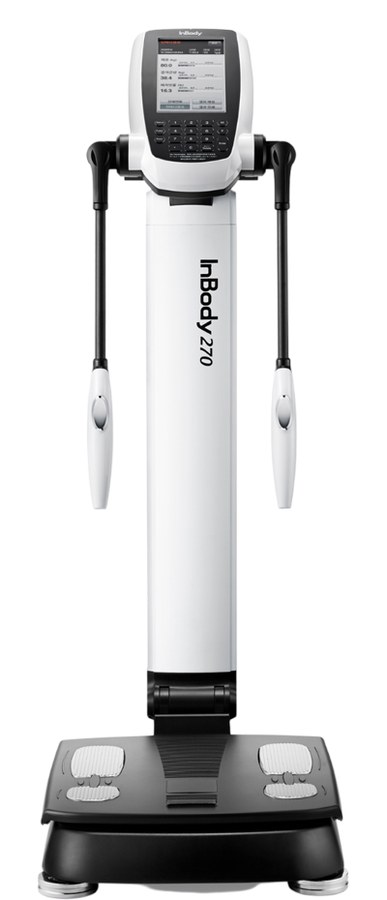
The truth, as body composition science reveals, is more nuanced than either side admits. And the most revealing way to see that truth is not on a weighing scale, but through a body composition test that shows you exactly what your body is made of — not just how much it weighs.
Let us break this debate down completely, using the science and the data that most Indian fitness conversations ignore.
How Cardio Works for Fat Loss: The Real Mechanism
Running, cycling, swimming, and other aerobic activities burn calories while you do them. A 70 kg Indian adult running at a moderate pace (around 8 km/h) burns approximately 560–600 kcal per hour. That sounds impressive, but consider what happens after you stop running: calorie burn drops back to baseline relatively quickly.
This is the fundamental limitation of cardio for fat loss. You burn during the activity, but not much after. The metabolic effect is largely confined to the exercise window itself.
There is also the adaptation problem. The human body is extraordinarily efficient at adapting to repeated aerobic stress. Within 6–8 weeks of consistent running, your cardiovascular system becomes so efficient at performing the same workout that you burn fewer calories doing the same distance at the same pace. Runners plateau — not because they stop working hard, but because the body becomes better at the task.
For the large population of urban Indians who go for the same 30-minute morning jog at the same moderate pace every single day, this adaptation happens fast. The result: months of running with diminishing fat loss returns.
How Resistance Training Works: The BMR Advantage
Weight training operates through a fundamentally different mechanism. When you perform compound lifts — squats, deadlifts, bench press, rows — you create microscopic damage to muscle fibres. The body repairs this damage by building the fibres back slightly larger and stronger. This process requires energy, not just during the workout, but for 24 to 72 hours afterward.
This is called EPOC — Excess Post-Exercise Oxygen Consumption, sometimes called the “afterburn effect.” After an intense resistance training session, your body continues burning elevated calories for up to 48 hours as it repairs muscle tissue. Studies published in the European Journal of Applied Physiology have measured EPOC from resistance training at 6–15% of total workout calorie cost for extended periods post-exercise — a window cardio simply does not match.
More importantly, the cumulative effect of building muscle is a permanent elevation of your Basal Metabolic Rate (BMR). Each kilogram of skeletal muscle tissue burns approximately 13 kcal per day at rest, compared to just 4.5 kcal per day for the same mass of fat tissue. Over months and years of training, a person who has added 3–4 kg of Skeletal Muscle Mass (SMM) burns 200–300 additional calories every single day — even while sleeping.
For long-term fat management, this metabolic advantage is enormous. It is why weight trainers often find it easier to maintain low body fat than runners of comparable fitness.
The “Skinny Fat” Crisis in Indian Runners

Walk into any body composition testing centre in India and ask to see the results of habitual runners who have never done resistance training. You will frequently see the same pattern: normal or low body weight, but alarmingly high Percent Body Fat (PBF) and low Skeletal Muscle Mass (SMM). This is the “skinny fat” phenomenon — technically a condition called normal weight obesity.
In India, this is particularly prevalent for two reasons. First, the average Indian diet is protein-poor relative to body weight needs. The National Nutrition Survey (2016-18) found that protein consumption across Indian adults averages only 47–50g per day — far below the recommended 1.2–1.6g per kg of body weight for active individuals. A 65 kg Indian runner ideally needs 78–104g of protein daily; most are getting half that.
When you combine sustained cardio with inadequate protein, your body is forced to break down muscle tissue for energy during long runs. Over months and years, this creates a body that is light on the scale but dense in fat — particularly Visceral Fat Area (VFA), the dangerous fat surrounding abdominal organs.
Second, the popular image of fitness in India remains weight-centric. People celebrate when the scale goes down after starting a running habit, not realising that the weight they are losing includes a significant proportion of muscle. The body composition test tells the real story that the scale never can.
The “Big But High Fat” Problem in Indian Weight Trainers
The cardio-only crowd is not the only one getting it wrong. Many Indian gym-goers, particularly men, focus almost exclusively on resistance training while neglecting cardiovascular health and eating large caloric surpluses in the pursuit of size. The result is often visually significant muscle development accompanied by equally significant fat gain.
On an InBody scan, these individuals typically show decent SMM but a PBF that creeps above 25–28% for men (clinically in the “overfat” range) and VFA readings in the high-normal or abnormal zone. They are strong, but their metabolic health is compromised. Their ECW/TBW ratio — a marker of cellular hydration and health — can show signs of inflammation associated with carrying excess fat mass.
Without cardiovascular training, these individuals also show reduced insulin sensitivity over time, which ironically makes building lean muscle harder even as they lift more weight.
What the Research Actually Shows: The Combined Approach Wins
A landmark meta-analysis published in the British Journal of Sports Medicine (2022), which pooled data from over 54 studies involving more than 12,000 participants, found that combined resistance training plus aerobic training produced superior fat loss outcomes compared to either modality alone. The fat loss advantage of the combined group over cardio-only was approximately 28%, and over resistance-only was approximately 31%.
For Visceral Fat Area reduction specifically, the research is particularly telling. Both cardio and resistance training reduce VFA, but the combination — especially when resistance training includes compound movements and cardio includes high-intensity intervals (HIIT) — shows the fastest and most sustained visceral fat reduction in clinical trials.
A study conducted across Indian adults with metabolic syndrome found that a 12-week combined training protocol reduced VFA by an average of 18.3 cm² compared to 11.4 cm² in the cardio-only group and 9.8 cm² in the resistance-only group. Given that Indian adults are known to accumulate visceral fat at lower BMI thresholds than Western populations — a phenomenon documented repeatedly in Indian-specific research by institutions including AIIMS and ICMR — this VFA reduction has outsized clinical significance for the Indian population.
The Same Body Weight, Completely Different Bodies

One of the most powerful illustrations available through body composition testing is comparing a marathon runner and an intermediate weight lifter of identical body weight — say, both at 72 kg, both Indian males in their 30s, both “healthy” by BMI standards.
The typical InBody comparison looks something like this:
- Marathon runner: SMM 29.5 kg | PBF 22% | VFA 88 cm² | InBody Score 71
- Weight lifter: SMM 36.8 kg | PBF 15.5% | VFA 52 cm² | InBody Score 84
Both men weigh the same. Both consider themselves fit. But the weight lifter has 7+ kg more muscle, nearly 5% less body fat, and a visceral fat area that is 40% lower. His InBody Score — a composite index of overall body composition health — is 13 points higher.
This gap is not because the marathon runner is unhealthy in absolute terms. It is because running without resistance training and adequate protein creates a lean-but-undermuscled body. The weight lifter, if he also incorporated regular cardio, would likely show even better cardiovascular markers alongside his superior body composition.
The Indian Infrastructure Problem
Understanding the science is one thing. Implementing it in the Indian context requires acknowledging a real structural challenge: most Indian fitness infrastructure is separated by modality.
India’s urban parks are almost exclusively used for walking and running. The typical neighbourhood park has no resistance equipment. Meanwhile, Indian gyms — which number around 75,000 for 1.4 billion people, a gym density roughly 20 times lower than the United States — are primarily resistance training environments with minimal dedicated cardio infrastructure beyond a few treadmills.
The cultural social dynamics also separate these two groups. Morning park runners have their community; gym-goers have theirs. Crossing over requires deliberate effort and, often, additional cost.
Despite these barriers, the path forward is clear and achievable:
- If you are a habitual runner: add 2–3 resistance sessions per week. Bodyweight training at home is a legitimate start. Focus on compound movements: push-ups, squats, hip hinges, rows using household items.
- If you are a dedicated weight trainer: add 2 sessions of cardiovascular exercise per week. Twenty minutes of brisk walking or cycling on off-days is sufficient to begin improving cardiovascular conditioning and accelerating VFA reduction.
- If you are starting fresh: begin with resistance training as the foundation, add cardio progressively. The research supports resistance training as the higher-return modality for body composition specifically.
What to Prioritise Based on Your InBody Numbers
Rather than following generic advice, your InBody results should drive your training priority. Here is how to read them:
If Your SMM is Below Normal Range
This is the most common finding in Indian adults, particularly women and older adults. Low muscle mass is the primary concern. Resistance training should be your dominant modality — minimum 3 sessions per week. Cardio is secondary until SMM improves.
If Your VFA is Above 100 cm²
Visceral fat above 100 cm² is a clinical flag for metabolic risk. At this level, a combination of moderate-intensity cardio (for caloric burn) and compound resistance training (for EPOC and insulin sensitivity improvement) should both be priorities. Diet becomes equally critical here.
If Your PBF is High But SMM is Adequate
This is the “built but overfat” profile common in experienced male gym-goers. Here, introducing structured cardiovascular training 3x per week while maintaining resistance training and tightening caloric intake will shift the composition meaningfully within 8–12 weeks.
If Your ECW/TBW Ratio is Elevated
An elevated ECW/TBW ratio (above 0.390) suggests systemic inflammation or fluid retention. Both excess visceral fat and high training stress without adequate recovery can drive this. A body composition professional can guide you on the appropriate intervention.
Protein: The Variable Both Camps Underestimate
Whether you run, lift, or do both, the single most common factor limiting body composition improvement in Indian adults is inadequate protein intake. For fat loss while preserving muscle, research consistently supports a target of 1.6–2.2g of protein per kg of body weight daily.
For a 65 kg Indian adult, that is 104–143g of protein every day. Indian staple foods — roti, rice, vegetables, dal — make this extremely difficult to achieve without deliberate planning. Dal is excellent but provides only 9g protein per 100g cooked. Paneer provides 18g per 100g but is calorie-dense. Greek yoghurt and eggs are among the most efficient sources for Indian diets.
Without adequate protein, neither running nor weight training will deliver the body composition results the science promises. The training is the stimulus; protein is the building material. You cannot build a house with no bricks, regardless of how good your architect is.
The Verdict
Running and weight training are not rivals. They are complementary tools, and body composition science is unambiguous: the combination outperforms either in isolation for fat loss, muscle preservation, and — critically for Indian adults — visceral fat reduction.
If you must choose one to start, the evidence leans toward resistance training as the higher-value investment for body composition. The metabolic elevation from muscle mass, the EPOC benefit, and the insulin sensitivity improvements give resistance training a long-term metabolic advantage that cardio alone cannot replicate.
But the real insight is this: you do not need to guess. A single InBody body composition test will show you your exact SMM, PBF, VFA, and InBody Score — and those numbers tell you precisely where your body needs the most intervention. Train to your data, not to the conventional wisdom of whichever camp you happen to belong to.
Find Out Where You Actually Stand
Whether you are a daily runner who suspects you might be “skinny fat,” a gym regular wondering why your body fat is not dropping despite months of lifting, or someone just starting out who wants to train intelligently from day one — a body composition test is the most important first step you can take.
InBody testing gives you your Skeletal Muscle Mass, Percent Body Fat, Visceral Fat Area, ECW/TBW ratio, and InBody Score — the complete picture of what your body is actually made of. With that data, you can stop guessing and start training with precision.
Find your nearest InBody test centre across India at inbody.in/locations. Walk in with questions; walk out with answers your scale could never give you.
Frequently Asked Questions
Is running or weight training better for fat loss?
Weight training tends to better preserve and build muscle while losing fat, which improves long-term metabolic rate, while running burns more calories per session but can lead to muscle loss if not paired with adequate protein and some resistance work.
Can I combine both for the best results?
Yes — combining moderate cardio with a structured resistance training program is generally shown to produce the best body composition outcomes, preserving muscle while still improving cardiovascular fitness and calorie burn.
How do I know which is working better for me?
Comparing body composition scans before and after a training block — checking whether fat mass dropped while muscle mass held steady or increased — tells you definitively rather than relying on the scale alone.
