
Fitness 15 min read
Low Testosterone in Indian Men: How It’s Destroying Muscle Mass (And What Body Composition Shows)
Indian men's testosterone levels are declining. Low T causes muscle loss, visceral fat gain, and metabolic slowdown. How body composition testing is the first sign of testosterone decline — years before blood tests flag it.
Reading about body composition? Find an InBody test centre near you →
The Silent Decline That Is Reshaping the Bodies of Indian Men
There is a pattern appearing with increasing frequency at body composition testing centres across India. Men in their 30s and 40s — many of them consistent gym-goers, many eating reasonably well — are presenting with InBody results that tell a troubling story: Skeletal Muscle Mass below the normal range for their age and height, Visceral Fat Area readings in the elevated zone, Percent Body Fat rising despite no obvious dietary change, and InBody Scores declining over successive tests even without a change in training habits.
When these men investigate further with blood tests, a significant proportion find low or low-normal testosterone levels. And the connection is not coincidental. Testosterone is the primary anabolic hormone driving muscle protein synthesis and regulating fat distribution in men. When testosterone declines, the body’s ability to build and maintain muscle is compromised, and its tendency to accumulate visceral fat increases — even when training and diet stay constant.
This is not an abstract future risk for Indian men. It is a present, widespread, and largely unrecognised epidemic.
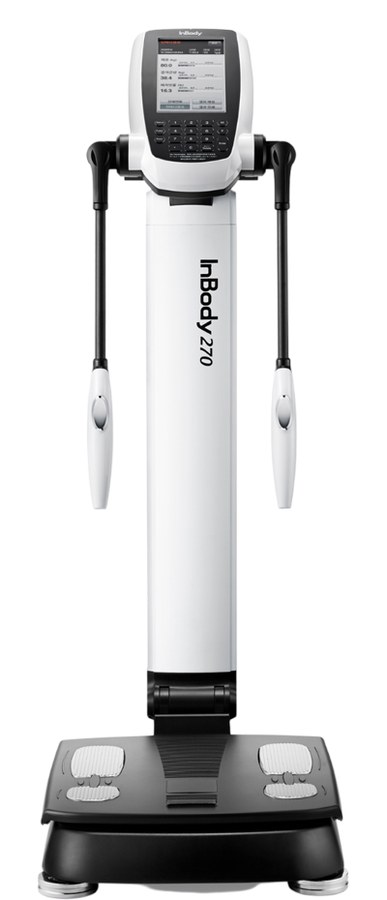
The Global Testosterone Decline: The Data
The decline in male testosterone levels is one of the most consistently replicated findings in modern endocrinology. A landmark Danish study published in the Journal of Clinical Endocrinology and Metabolism found that testosterone levels in men declined by approximately 1% per year across generations — men born in 1970 had significantly lower testosterone at age 30 than men born in 1930 had at age 30. This is not just an age effect; it is a secular generational decline.
Data specific to India reinforces this pattern. A multi-centre study published in the Indian Journal of Endocrinology and Metabolism found that 20–30% of Indian men presenting at reproductive health clinics had testosterone levels below 300 ng/dL — a threshold commonly used to define clinically low testosterone. A broader population survey indicated mean testosterone levels in urban Indian men aged 30–50 had declined measurably compared to rural populations and historical reference data, with chronic stress, sedentary occupation, obesity, and environmental endocrine disruption identified as key contributors.
The factors driving this decline are particularly concentrated in urban India:
- Chronic psychological stress: India’s urban workforce operates under significant occupational and social stress. Elevated cortisol — the primary stress hormone — directly suppresses the hypothalamic-pituitary axis, reducing the hormonal signal that drives testosterone production. India consistently ranks among the most stressed nations in global workplace surveys.
- Obesity and metabolic syndrome: India now carries approximately 180 million obese adults. Adipose tissue, particularly visceral fat, contains the enzyme aromatase, which converts testosterone to estradiol (an estrogen). Higher visceral fat equals more aromatase equals more testosterone converted to estrogen equals lower net testosterone. This creates a vicious cycle: low T encourages visceral fat gain; visceral fat then further lowers T.
- Type 2 diabetes: India is the world’s capital for type 2 diabetes, with over 100 million diabetic adults. Insulin resistance — the hallmark of type 2 diabetes — is independently associated with hypogonadism (low testosterone) through mechanisms involving Leydig cell function in the testes and hypothalamic signalling.
- Sleep deprivation: The majority of testosterone secretion in men occurs during deep sleep (stages 3 and 4, non-REM). Indian urban adults chronically under-sleep — a 2022 survey by the Sleep Society of India found average sleep duration of 6.7 hours in urban adults, with 38% reporting consistently less than 6 hours. Each hour of sleep lost reduces the following day’s testosterone production measurably.
- Environmental endocrine disruptors: Plasticisers (BPA and phthalates from food packaging, water bottles, and food containers), pesticide residues (India has among the highest agricultural pesticide use globally), and industrial pollutants have all been identified as endocrine-disrupting chemicals that interfere with testosterone production and action.
The Symptoms Indian Men Routinely Misattribute
The symptoms of suboptimal testosterone are insidious — they develop gradually and are easily attributed to other causes. Most Indian men experiencing these symptoms explain them away with “I’m getting older,” “I’m just stressed from work,” or “I need to sleep more” — all of which contain a grain of truth but miss the hormonal root cause.
Common presentations that frequently have a testosterone component:
- Belly fat that does not respond to diet and exercise: Visceral fat accumulation despite reasonable dietary habits and regular training is a classic low-T presentation. Fat distribution shifts away from peripheral to central and visceral when testosterone declines.
- Loss of training response: “I have been going to the gym for two years but I am not progressing anymore” — when the hormonal environment no longer supports muscle protein synthesis, training stimulus produces diminishing returns regardless of effort.
- Persistent fatigue: Not just tiredness at the end of the day, but a pervasive low energy that does not fully resolve with rest. Testosterone plays a significant role in mitochondrial function and energy metabolism.
- Reduced motivation and mental sharpness: Testosterone acts as a neuroactive steroid with direct effects on dopamine signalling, motivation, competitive drive, and cognitive clarity. Men with low T often describe a “flatness” to daily experience.
- Decreased recovery from training: Post-exercise muscle soreness lasting longer than it used to, feeling depleted for days after training sessions, and reduced tolerance for training volume that previously felt manageable.
- Changes in body hair, sleep quality, and libido: These are the more textbook symptoms that prompt medical consultation, but they often appear after the body composition changes have already been occurring for months or years.
The InBody Signature of Low Testosterone
Body composition testing does not measure testosterone. But it reveals the consequences of testosterone insufficiency with remarkable precision. The typical InBody pattern of a man with chronically low testosterone who has not yet sought medical attention shows a characteristic progression:
Early phase (6–18 months of declining T):
- SMM decline of 0.5–1 kg per year
- Fat mass increasing 0.5–1.5 kg per year despite no significant dietary change
- VFA trending upward — often moving from the normal range (below 100 cm²) toward the moderate risk zone
- InBody Score declining year over year on serial testing
Established phase (2–4 years of low T):
- SMM meaningfully below normal range for height and age
- PBF elevated, often above 25% even in men who are not clinically obese by BMI
- VFA above 100 cm² — entering the metabolic risk zone associated with elevated cardiovascular disease risk in Indian men
- ECW/TBW ratio beginning to elevate, reflecting the inflammatory burden of excess visceral fat
The insidious aspect of this pattern is that it develops slowly enough that the man experiencing it adjusts his perception of “normal” incrementally. He simply feels older. He assumes it is inevitable. It is not inevitable — and body composition testing is one of the most powerful tools for catching this pattern early, before metabolic health deteriorates significantly and before interventions become more difficult to implement.
The Critical Warning: Do Not Self-Medicate with TRT
Before discussing evidence-backed interventions, a direct and important warning must be issued: self-administered testosterone replacement therapy (TRT) is increasingly available through online sources in India, and it is genuinely dangerous when used without medical supervision.
Exogenous testosterone — injected or applied as a gel without medical oversight — suppresses the body’s own testosterone production through negative feedback on the hypothalamic-pituitary-gonadal axis. This means that if you inject testosterone without proper medical management, your own testes stop producing testosterone. If the external supply is then interrupted — which happens frequently with unregulated online sources — testosterone levels can crash severely below the person’s original baseline, causing symptoms far worse than the original low-T state.
Additional risks of unsupervised TRT include erythrocytosis (dangerously elevated red blood cell count, increasing clotting and stroke risk), testicular atrophy, permanent fertility suppression, and cardiovascular risks that have been documented at supraphysiological doses. Counterfeit or contaminated testosterone products from unregulated online sources carry additional risks including infection and undefined hormonal impurities.
Clinically supervised TRT, prescribed by an endocrinologist or urologist after confirmed low testosterone diagnosis on two morning blood tests, is an evidence-backed and appropriate treatment for hypogonadism. The medical supervision — including regular monitoring of haematocrit, PSA, testosterone levels, and cardiovascular markers — is what makes it both safe and effective. Unsupervised online TRT removes these safeguards and has caused serious harm to Indian men who have pursued it.
Evidence-Based Natural Interventions: What the Research Actually Supports
For men with testosterone in the low-normal to mildly low range, and particularly for those whose low T is clearly linked to modifiable lifestyle factors, the following evidence-based interventions can produce clinically meaningful testosterone improvements without pharmaceutical intervention.
Resistance Training: The Most Powerful Non-Pharmaceutical Testosterone Stimulus

Multiple meta-analyses have confirmed that progressive resistance training — particularly compound movements involving large muscle groups (squats, deadlifts, bench press, rows) — reliably increases testosterone secretion both acutely (post-exercise spike) and chronically (higher resting testosterone levels over months of consistent training).
A 2021 systematic review in the Journal of Strength and Conditioning Research found that resistance training protocols involving large muscle groups, moderate-to-heavy loads (70–85% of one-repetition maximum), and multi-joint exercises produced the most significant chronic testosterone increases — averaging 10–20% improvement in resting testosterone over 8–12 weeks in hypoactive men. The effect was dose-dependent: men who trained three or more times per week showed greater hormonal response than those training once per week.
For Indian men, this finding is both encouraging and immediately actionable. Gym access provides the most direct path to heavy compound lifting, but progressive bodyweight training through escalating variations also provides meaningful hormonal stimulus.
Sleep Optimisation

The research on sleep and testosterone is unambiguous. A study published in JAMA found that one week of sleep restriction to 5 hours per night reduced daytime testosterone levels by 10–15% in healthy young men. Conversely, improving sleep duration from chronic sleep restriction to adequate sleep (7–9 hours) reliably increases testosterone over 4–8 weeks.
Practical sleep improvement for Indian men includes: prioritising a consistent sleep and wake schedule (circadian rhythm consistency is critical for the pulsatile nature of hormonal secretion); reducing blue light screen exposure in the 90 minutes before bed; keeping the bedroom cool (optimal testosterone production occurs at lower core body temperatures); and addressing underlying sleep disorders like obstructive sleep apnea — which is significantly under-diagnosed in India and is a major suppressant of testosterone through its disruption of deep sleep stages. Any man who snores heavily or is told he stops breathing during sleep should seek formal sleep evaluation.
Zinc and Vitamin D: The Two Deficiencies Most Indian Men Share
Two micronutrient deficiencies are strongly correlated with low testosterone in Indian men and are both highly prevalent in the Indian population:
Zinc: Zinc is essential for testosterone synthesis and plays a role in blocking aromatase activity — the enzyme that converts testosterone to estrogen. A large proportion of Indian men are mildly zinc-deficient due to the predominantly plant-based diet, in which plant foods contain phytates that bind zinc and reduce its absorption compared to animal food sources. Multiple clinical studies have shown that supplementing zinc in deficient men raises testosterone meaningfully — sometimes by 30–40% in severely deficient individuals. The best food sources of zinc for Indian diets include pumpkin seeds (kaddu ke beej), sesame seeds (til), cashews, and for non-vegetarians, red meat and shellfish.
Vitamin D: India has a paradoxical vitamin D deficiency epidemic despite abundant sunlight — largely because urban Indians spend most daylight hours indoors, use significant sun protection when outdoors, and because melanin-rich skin requires substantially longer sun exposure to produce equivalent vitamin D compared to lighter skin. Studies consistently find strong correlation between vitamin D levels and testosterone, with supplementation in deficient men producing testosterone increases averaging 20–25% over 12 months of adequate supplementation. A blood test for 25-hydroxy vitamin D costs under ₹500 at any major diagnostic lab in India and provides immediately actionable information.
Stress Management and Cortisol Reduction
Cortisol and testosterone operate in a push-pull relationship: cortisol suppresses testosterone production at multiple levels of the hormonal axis, including direct effects on testicular Leydig cells and suppression of hypothalamic GnRH secretion. Chronically elevated cortisol — the physiological reality for a significant portion of India’s urban professional male population — maintains a hormonal environment that actively suppresses testosterone production.
Evidence-supported interventions for cortisol reduction include: ashwagandha (Withania somnifera) supplementation — a herb of Indian origin with strong clinical evidence, with multiple randomised controlled trials showing cortisol reduction of 14–28% and testosterone increases of 15–20% in chronically stressed men at doses of 300–600 mg of root extract daily; structured mindfulness practices; moderate-intensity aerobic exercise (note: excessive endurance training, paradoxically, can raise cortisol); adequate social recovery time built into weekly schedules; and progressive reduction of modifiable occupational stressors where possible.
Body Fat Reduction: Breaking the Vicious Cycle
Given the aromatase mechanism described earlier, reducing body fat — particularly visceral fat — directly raises testosterone by reducing the testosterone-to-estrogen conversion rate. For Indian men with elevated VFA and low testosterone, the interventions that most rapidly reduce visceral fat (compound resistance training, moderate caloric deficit, improved sleep, stress management) are simultaneously the interventions that most directly address the hormonal cause of the body composition problem.
The metabolic virtuous cycle works as follows: reducing VFA lowers aromatase activity, which raises free testosterone; higher testosterone supports muscle protein synthesis; increased skeletal muscle mass raises BMR; higher BMR makes sustained caloric deficit easier to maintain; sustained deficit further reduces VFA — and so on. The difficulty is breaking into this cycle in the first place, which is why the initial phase of lifestyle intervention requires the most discipline and consistency.
When to See a Doctor and What to Ask For
Natural interventions are appropriate for men with testosterone in the low-normal range and identifiable lifestyle contributors. Medical consultation and potential pharmaceutical intervention become appropriate when:
- Testosterone is confirmed below 300 ng/dL on two separate morning blood tests (sampled between 7–10 AM, when testosterone is at its diurnal peak)
- Symptoms are significantly affecting quality of life, cognitive function, or physical capacity
- Three to six months of genuine lifestyle optimisation has not produced meaningful symptomatic or body composition improvement
- Underlying conditions such as pituitary tumours, primary hypogonadism, or significant thyroid dysfunction are suspected
When seeking medical care for suspected low testosterone, request the following comprehensive blood panel:
- Total testosterone (morning sample, 7–10 AM)
- Free testosterone (calculated or direct)
- LH and FSH (to distinguish primary hypogonadism originating in the testes from secondary hypogonadism originating in the pituitary or hypothalamus)
- Prolactin (elevated prolactin is a common and treatable cause of secondary hypogonadism)
- SHBG (sex hormone-binding globulin — high SHBG reduces the bioavailable free testosterone even when total testosterone appears adequate)
- 25-OH Vitamin D
- Serum zinc
- Complete thyroid panel (TSH, free T3, free T4)
- Fasting glucose, HbA1c, and fasting insulin (to assess insulin resistance)
- Complete blood count and lipid panel (baseline metabolic context)
An endocrinologist or andrologist is the appropriate specialist. In India’s major cities, reproductive endocrinology and men’s health clinics are increasingly available. In smaller cities, a general endocrinologist can typically manage this evaluation and interpret results in clinical context.
How InBody Tracking Over 3–6 Months Shows Whether Interventions Are Working
The advantage of monitoring testosterone-related body composition changes through InBody testing is that it provides objective, non-hormonal data on whether your interventions are actually shifting your body in the right direction — without requiring frequent and expensive blood tests.
If your intervention protocol (resistance training, sleep improvement, zinc and vitamin D supplementation, stress management, and fat loss focus) is successfully raising testosterone — even modestly — the InBody results over 3–6 months should show a characteristic pattern:
- SMM stabilising or increasing: This is the clearest hormonal recovery signal. Skeletal muscle responds to testosterone recovery within 4–8 weeks of hormonal improvement, and InBody testing captures changes of 0.3 kg or more with reliable precision.
- Fat mass declining: Particularly VFA, which is especially responsive to testosterone normalisation through its effect on lipolysis (fat breakdown) in visceral adipocytes.
- PBF trending downward as the composition shifts toward more muscle and less fat.
- InBody Score improving: A composite indicator that reflects the overall compositional improvement and gives a single trackable number for motivation and progress monitoring.
- ECW/TBW ratio normalising: If previously elevated, this ratio tends to improve as visceral fat — a significant driver of systemic inflammation — is reduced.
If InBody testing at 3 months shows no SMM improvement and continuing fat mass gain despite genuine, consistent lifestyle adherence and appropriate micronutrient supplementation, this is strong evidence that the hormonal suppression is beyond what natural interventions can adequately address, and formal medical consultation with endocrinological evaluation becomes the appropriate next step.
The body composition test is not a testosterone test — but it reads the consequences of testosterone on the body with remarkable precision. It is one of the most practical, accessible, and actionable tools available for any Indian man who suspects his hormonal environment may be undermining his health, his physical capacity, and his long-term metabolic trajectory.
The First Step Is Knowing Where You Stand
Most Indian men experiencing the body composition consequences of declining testosterone have no idea that is what is happening. They blame age, blame their diet, blame busy schedules — and continue grinding in the gym with diminishing returns while their VFA rises and their SMM quietly erodes year after year.
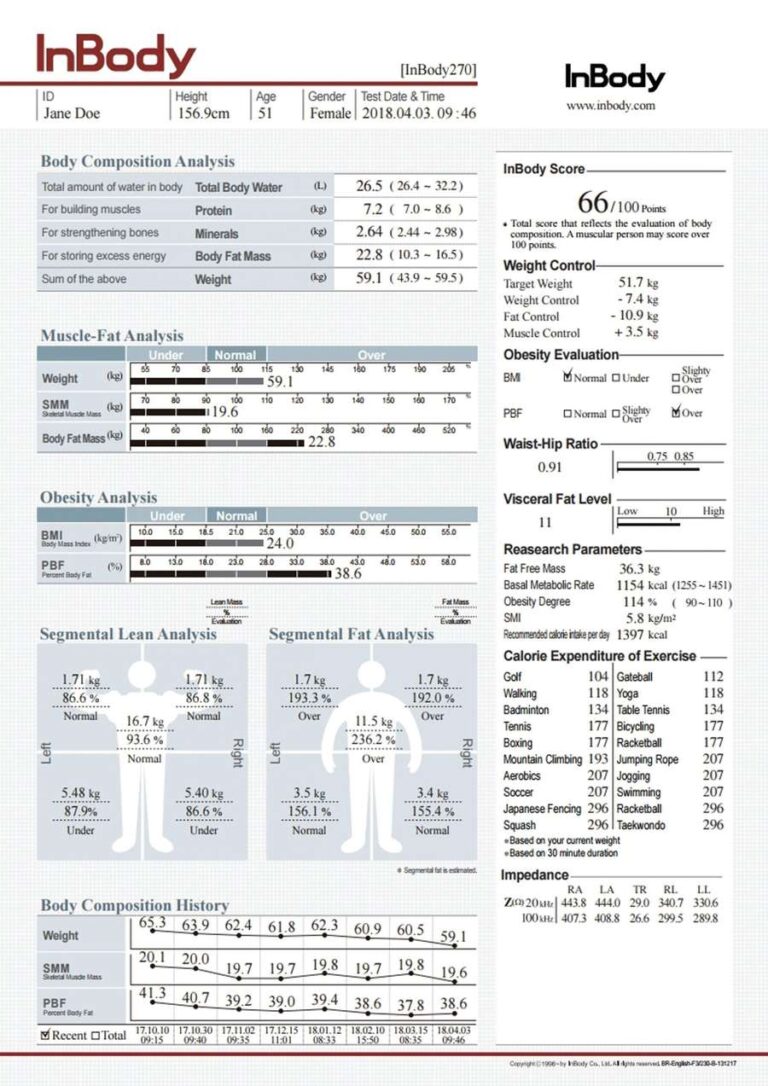
A body composition test changes that immediately. Your InBody result — showing your exact Skeletal Muscle Mass (SMM), Percent Body Fat (PBF), Visceral Fat Area (VFA), ECW/TBW ratio, and InBody Score — gives you the baseline data to understand where your body actually is today. And tested again after 3–6 months of targeted lifestyle intervention, it shows you objectively whether your protocol is working or whether medical consultation is warranted.
Combine InBody testing with appropriate blood work, and you have the complete picture: what is happening in your body, and what is driving it. That is the foundation for making real, evidence-based decisions — not guesses, not generic advice, and not the false reassurance of a number on a weighing scale.
Find your nearest InBody test centre across India at inbody.in/locations. Walk in, test in under two minutes, and walk out with the body composition data that tells the real story of what is happening to your muscle mass, your fat distribution, and your metabolic health — the numbers that matter far more than anything the scale can tell you.
Frequently Asked Questions
What are signs of declining testosterone in men?
Reduced muscle mass despite training, increased visceral fat, lower energy, and reduced strength recovery are common early signs, often appearing on a body composition test before symptoms are severe enough to prompt a blood test.
At what age does testosterone typically start declining?
Testosterone levels generally begin a gradual decline after age 30, roughly 1-2% per year, though lifestyle factors like poor sleep, high body fat, and chronic stress can accelerate this in Indian men specifically.
Can body composition testing detect low testosterone before blood work does?
Not diagnostically, but a declining muscle mass trend combined with rising visceral fat on repeated body composition tests is often an early behavioral signal worth investigating with an actual hormone panel.

Most trending articles

वज़न बढ़ाने के लिए क्या खाएं? सही डाइट प्लान (सिर्फ ज़्यादा खाना नहीं)
सिर्फ ज़्यादा खाने से मांसपेशी नहीं बनती, चर्बी बढ़ सकती है। सही कैलोरी सरप्लस, प्रोटीन और डाइट प्लान जो वज़न को सही तरीके से बढ़ाए — पूरी जानकारी हिंदी में।
भारत में प्रोटीन कितना ज़रूरी है? असली आंकड़े और सही फॉर्मूला
IMRB के एक सर्वे में लगभग 73% भारतीय आहार प्रोटीन-कम पाए गए। सही प्रोटीन टारगेट कैसे निकालें और किन फूड्स से पूरा करें — पूरी जानकारी हिंदी में।
Weight Loss या Fat Loss: असली फर्क क्या है?
वज़न घटना और चर्बी घटना एक चीज़ नहीं है। तेज़ी से वज़न घटाने पर मांसपेशी क्यों चली जाती है, और असली फर्क कैसे पता करें — हिंदी में पूरी जानकारी।