
Fitness 9 min read
Is Anemia a Sign of Poor Nutrition? What the Science Says
Anemia is characterized by a lack of healthy red blood cells or hemoglobin, the iron-rich protein that carries oxygen throughout the body.[1] While anemia can have various underlying…
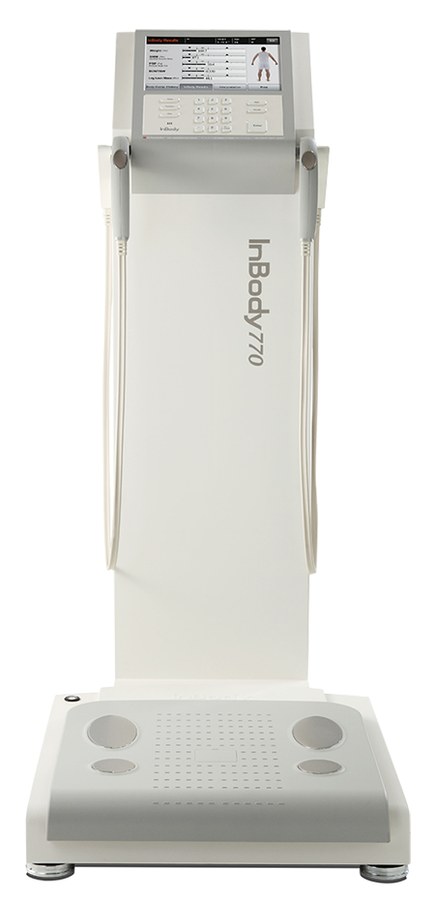
Reading about body composition? Find an InBody test centre near you →
Anemia is characterized by a lack of healthy red blood cells or hemoglobin, the iron-rich protein that carries oxygen throughout the body.[1] While anemia can have various underlying causes, one of the most common reasons is a nutritional deficiency, particularly a lack of iron, folate, or vitamin B12 in the diet.[2][3]
Iron Deficiency Anemia
Iron is an essential mineral required to produce hemoglobin, and a lack of it can lead to anemia. Individuals who follow a diet low in iron-rich foods, such as red meat, poultry, fish, legumes, and leafy green vegetables, are at a higher risk of developing iron deficiency anemia.[1]
Vegetarians and vegans, particularly those who do not carefully plan their diets, are also more likely to have low iron stores, and so may be at an increased risk of iron deficiency anemia, partly because of the limited bioavailability of non-heme iron in plant-based sources.[4] Additionally, individuals with conditions that affect iron absorption, such as inflammatory bowel diseases, coeliac disease or other gastrointestinal disorders, may also be prone to iron deficiency anemia, regardless of their dietary intake.[3][5]
Folate and Vitamin B12 Deficiency Anemia
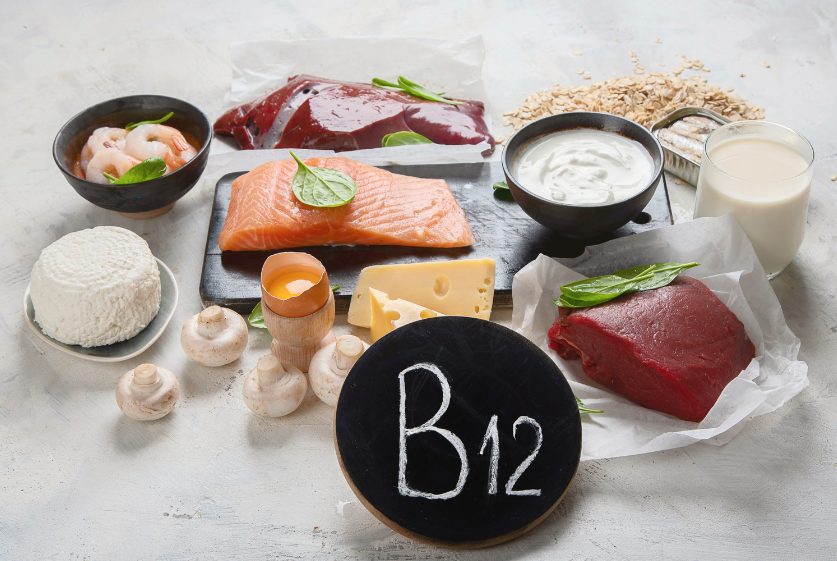
Folate and vitamin B12 are essential nutrients that play a crucial role in the production of red blood cells. A deficiency in either of these nutrients can lead to a specific type of anemia known as megaloblastic anemia.[6]
Folate deficiency is often associated with a diet lacking fresh fruits, vegetables, and fortified grains.[6] Individuals who consume excessive amounts of alcohol, which can interfere with folate absorption and storage, are also at risk of folate deficiency anemia.[7]
Vitamin B12 deficiency anemia is more common among strict vegans and individuals with conditions that impair the absorption of this nutrient, such as pernicious anemia (an autoimmune disorder that affects the stomach’s ability to absorb vitamin B12) or gastrointestinal disorders.[6][8]
Other Nutritional Factors

While iron, folate, and vitamin B12 are the primary nutritional factors linked to anemia, other nutrients can also play a role. For instance, a deficiency in vitamin A, vitamin C, or copper can also contribute to anemia, partly by affecting the body’s ability to absorb and utilize iron.[9][10]
Additionally, individuals with chronic diseases, such as cancer or kidney disease, may experience anemia because chronic inflammation restricts how the body absorbs and uses iron, among other mechanisms.[11]
Consequences of Anemia and Poor Nutrition
Anemia can have far-reaching consequences on an individual’s health and well-being. Tiredness, dizziness, shortness of breath, and reduced physical work capacity are common features of anemia,[1][12] and iron deficiency has also been linked to poorer attention and concentration,[13] all of which can significantly impact daily activities and productivity. In severe cases, anemia can cause rapid breathing and heart rate and other complications.[1]
Poor nutrition, often the underlying cause of anemia, can also have broader implications beyond anemia. Malnutrition can impair growth and development, particularly in children and adolescents, and undernutrition is a major contributor to child illness and death.[14]
Addressing Anemia and Improving Nutrition
A multifaceted approach is often necessary to address anemia and improve overall nutrition. First, it is crucial to identify and treat the underlying cause of anemia. This may involve dietary modifications, supplementation, or addressing underlying medical conditions.
For individuals with iron deficiency anemia, increasing the consumption of iron-rich foods, such as red meat, poultry, fish, legumes, and fortified cereals, can help replenish iron stores. Additionally, consuming foods rich in vitamin C can enhance iron absorption from plant-based sources.[15]
In cases of folate or vitamin B12 deficiency anemia, incorporating more folate-rich foods like leafy greens, citrus fruits, and fortified grains, or vitamin B12-rich foods like meat, dairy, and fortified plant-based milk alternatives, can help address the deficiency.
Healthcare professionals may recommend supplementation with iron, folate, or vitamin B12, particularly in cases of severe deficiency or conditions that affect nutrient absorption.
In addition to addressing specific nutrient deficiencies, promoting a balanced and varied diet is essential for overall nutritional well-being. Consuming a diverse range of fruits, vegetables, whole grains, lean proteins, and healthy fats can help ensure adequate intake of various nutrients and support overall health.
Regular physical activity and a healthy lifestyle support overall health, although they are no substitute for treating a diagnosed deficiency.
Conclusion
In many cases, anemia can indicate poor nutrition, particularly iron, folate, or vitamin B12 deficiency. However, it is essential to recognize that anemia can also result from other underlying medical conditions or factors beyond dietary intake.
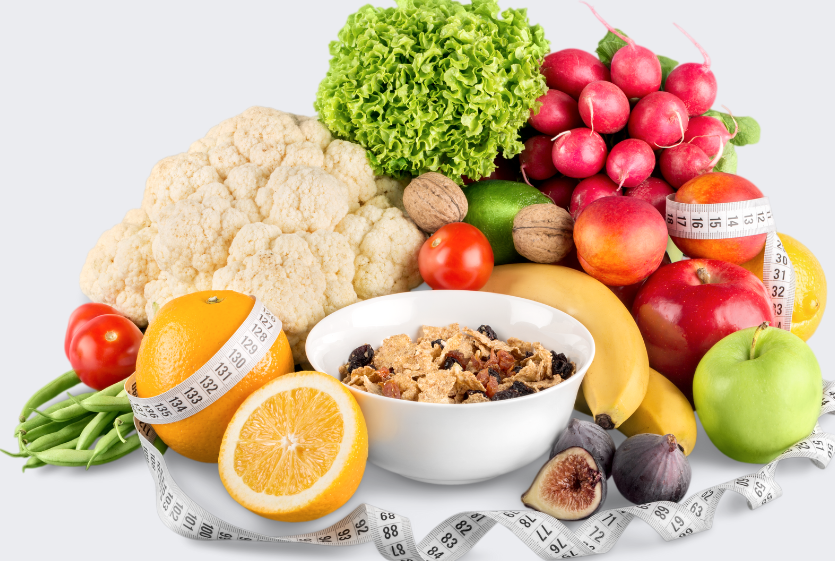
Addressing anemia through dietary modifications, supplementation (if necessary), and treating any underlying conditions is crucial for managing the condition and preventing its potential consequences. Additionally, promoting a balanced and varied diet and a healthy lifestyle can help support overall nutritional well-being, and a balanced diet can reduce the risk of nutritional anemia and other nutrient deficiencies.
By recognizing the link between anemia and poor nutrition, individuals and healthcare professionals can take the initiative to improve dietary habits, address nutritional deficiencies, and enhance overall health and well-being.
Frequently Asked Questions
Your body requires a “recipe” of nutrients: iron to make hemoglobin, and vitamin B12 and folate to make healthy red blood cells. If any of these ingredients are missing from your daily diet or are poorly absorbed, the production of red blood cells slows down or creates “low-quality” cells that cannot carry enough oxygen.[3][6]
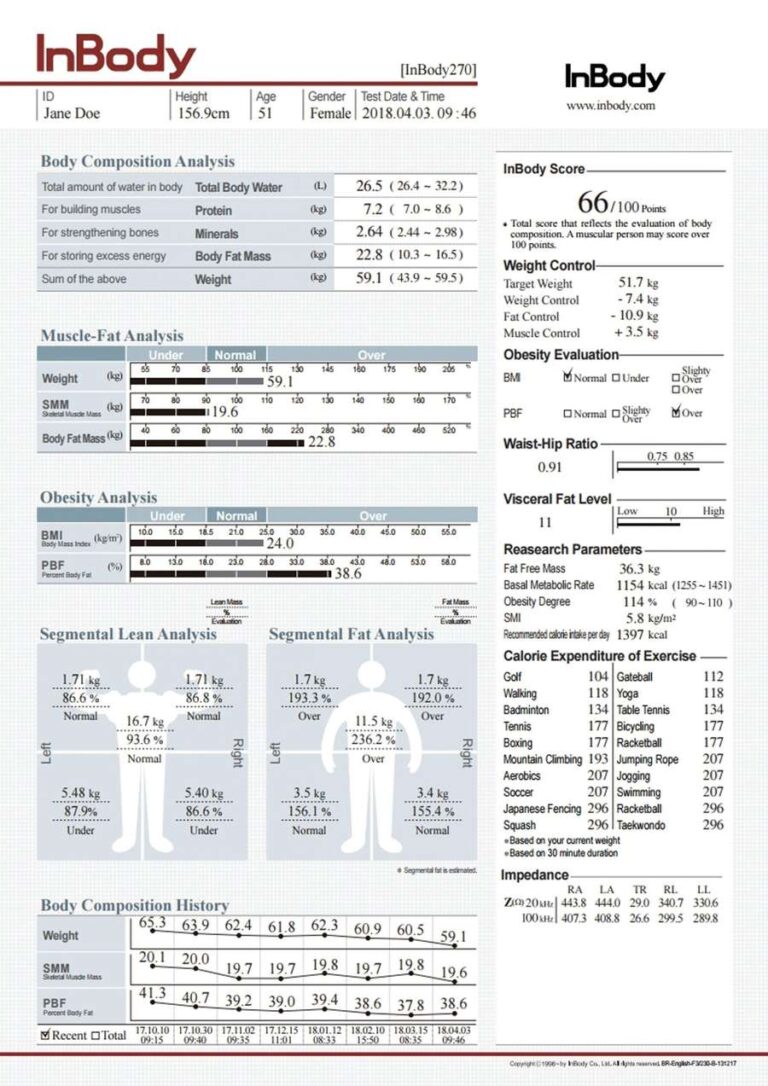
While a BCA scan doesn’t diagnose anemia (which requires a blood test), it can show markers of poor nutritional status, such as low Body Cell Mass (BCM), a low phase angle, and imbalanced water levels, which may accompany nutritional deficiencies like anemia.[17]
Key Takeaways
- The Nutritional Root: Nutritional anemia isn’t just a “tiredness” issue; it is a clinical indicator that the body may lack the essential building blocks (Iron, B12, and Folate) to produce healthy red blood cells. Other causes are possible, so a blood test is needed to find out.
- The “Silent” Depletion: Nutritional anemia often develops slowly, and iron deficiency can have effects even before anemia appears. By the time physical symptoms like pale skin or nails appear, the body’s internal iron stores are often already depleted.[1][5]
- Malabsorption Matters: Poor nutrition isn’t just about “not eating enough.” The blog highlights that even if you eat iron-rich foods, factors like high tannins (tea/coffee) or gut health issues can reduce absorption, increasing the risk of anemia.[18]
- Body Composition Synergy: Anemia has been associated with poor muscle health, including sarcopenia in older adults. Since red blood cells carry oxygen to muscles, iron-deficiency anemia reduces aerobic work capacity and physical performance.[12][20]
- Vulnerable Demographics: The post identifies menstruating adolescent girls and women, pregnant women, young children, and older adults as high-risk groups who require regular nutritional screening.[1][21]

Find an InBody Scanner Near You
References
- World Health Organization. Anaemia. Fact sheet, updated 10 February 2025. https://www.who.int/news-room/fact-sheets/detail/anaemia
- Kassebaum NJ, Jasrasaria R, Naghavi M, et al. A systematic analysis of global anemia burden from 1990 to 2010. Blood. 2014;123(5):615-624. PubMed · DOI
- Lopez A, Cacoub P, Macdougall IC, Peyrin-Biroulet L. Iron deficiency anaemia. Lancet. 2016;387(10021):907-916. PubMed · DOI
- Haider LM, Schwingshackl L, Hoffmann G, Ekmekcioglu C. The effect of vegetarian diets on iron status in adults: a systematic review and meta-analysis. Crit Rev Food Sci Nutr. 2018;58(8):1359-1374. PubMed · DOI
- Pasricha SR, Tye-Din J, Muckenthaler MU, Swinkels DW. Iron deficiency. Lancet. 2021;397(10270):233-248. PubMed · DOI
- Green R, Datta Mitra A. Megaloblastic anemias: nutritional and other causes. Med Clin North Am. 2017;101(2):297-317. PubMed · DOI
- Medici V, Halsted CH. Folate, alcohol, and liver disease. Mol Nutr Food Res. 2013;57(4):596-606. PubMed · DOI
- Niklewicz A, Hannibal L, Warren M, Ahmadi KR. A systematic review and meta-analysis of functional vitamin B12 status among adult vegans. Nutr Bull. 2024;49(4):463-479. PubMed · DOI
- Fishman SM, Christian P, West KP. The role of vitamins in the prevention and control of anaemia. Public Health Nutr. 2000;3(2):125-150. PubMed · DOI
- Myint ZW, Oo TH, Thein KZ, Tun AM, Saeed H. Copper deficiency anemia: review article. Ann Hematol. 2018;97(9):1527-1534. PubMed · DOI
- Weiss G, Ganz T, Goodnough LT. Anemia of inflammation. Blood. 2019;133(1):40-50. PubMed · DOI
- Haas JD, Brownlie T 4th. Iron deficiency and reduced work capacity: a critical review of the research to determine a causal relationship. J Nutr. 2001;131(2S-2):676S-688S. PubMed · DOI
- Falkingham M, Abdelhamid A, Curtis P, Fairweather-Tait S, Dye L, Hooper L. The effects of oral iron supplementation on cognition in older children and adults: a systematic review and meta-analysis. Nutr J. 2010;9:4. PubMed · DOI
- Black RE, Victora CG, Walker SP, et al. Maternal and child undernutrition and overweight in low-income and middle-income countries. Lancet. 2013;382(9890):427-451. PubMed · DOI
- Teucher B, Olivares M, Cori H. Enhancers of iron absorption: ascorbic acid and other organic acids. Int J Vitam Nutr Res. 2004;74(6):403-419. PubMed · DOI
- Borgna-Pignatti C, Zanella S. Pica as a manifestation of iron deficiency. Expert Rev Hematol. 2016;9(11):1075-1080. PubMed · DOI
- Norman K, Stobäus N, Pirlich M, Bosy-Westphal A. Bioelectrical phase angle and impedance vector analysis – clinical relevance and applicability of impedance parameters. Clin Nutr. 2012;31(6):854-861. PubMed · DOI
- Hurrell RF, Reddy M, Cook JD. Inhibition of non-haem iron absorption in man by polyphenolic-containing beverages. Br J Nutr. 1999;81(4):289-295. PubMed · DOI
- Hallberg L, Brune M, Erlandsson M, Sandberg AS, Rossander-Hultén L. Calcium: effect of different amounts on nonheme- and heme-iron absorption in humans. Am J Clin Nutr. 1991;53(1):112-119. PubMed · DOI
- Dai S, Wang S, He Y, Dai C, Yu J, Ma X. Association between anemia and sarcopenia among Chinese elderly: a cross-sectional study based on the China Health and Retirement Longitudinal Study. Exp Gerontol. 2023;177:112183. PubMed · DOI
- Guralnik JM, Eisenstaedt RS, Ferrucci L, Klein HG, Woodman RC. Prevalence of anemia in persons 65 years and older in the United States: evidence for a high rate of unexplained anemia. Blood. 2004;104(8):2263-2268. PubMed · DOI

Most trending articles
Creatine and Your Body Composition Scan: What Changes
Creatine raises body water and lean mass readings within a week on BIA and DXA. What the studies show and how to time your scans to read progress honestly.
Fitness Testing and Body Composition for Sports Academies
A practical fitness testing battery for Indian sports academies: body composition, grip, jumps, sprints, Yo-Yo, Khelo India context and youth maturation.
Skeletal Muscle Mass (SMM): Normal Range on InBody
What SMM means on your InBody report, how the 90-110% normal bar works, why SMM is not SMI, and the AWGS cut-offs used to screen for low muscle.