
Fitness 11 min read
Why the Scale Doesn’t Tell the Whole Story About Weight Gain
When it comes to tracking our health and fitness journey, stepping on the scale is often the first thing many of us do. We eagerly await that number…
Reading about body composition? Find an InBody test centre near you →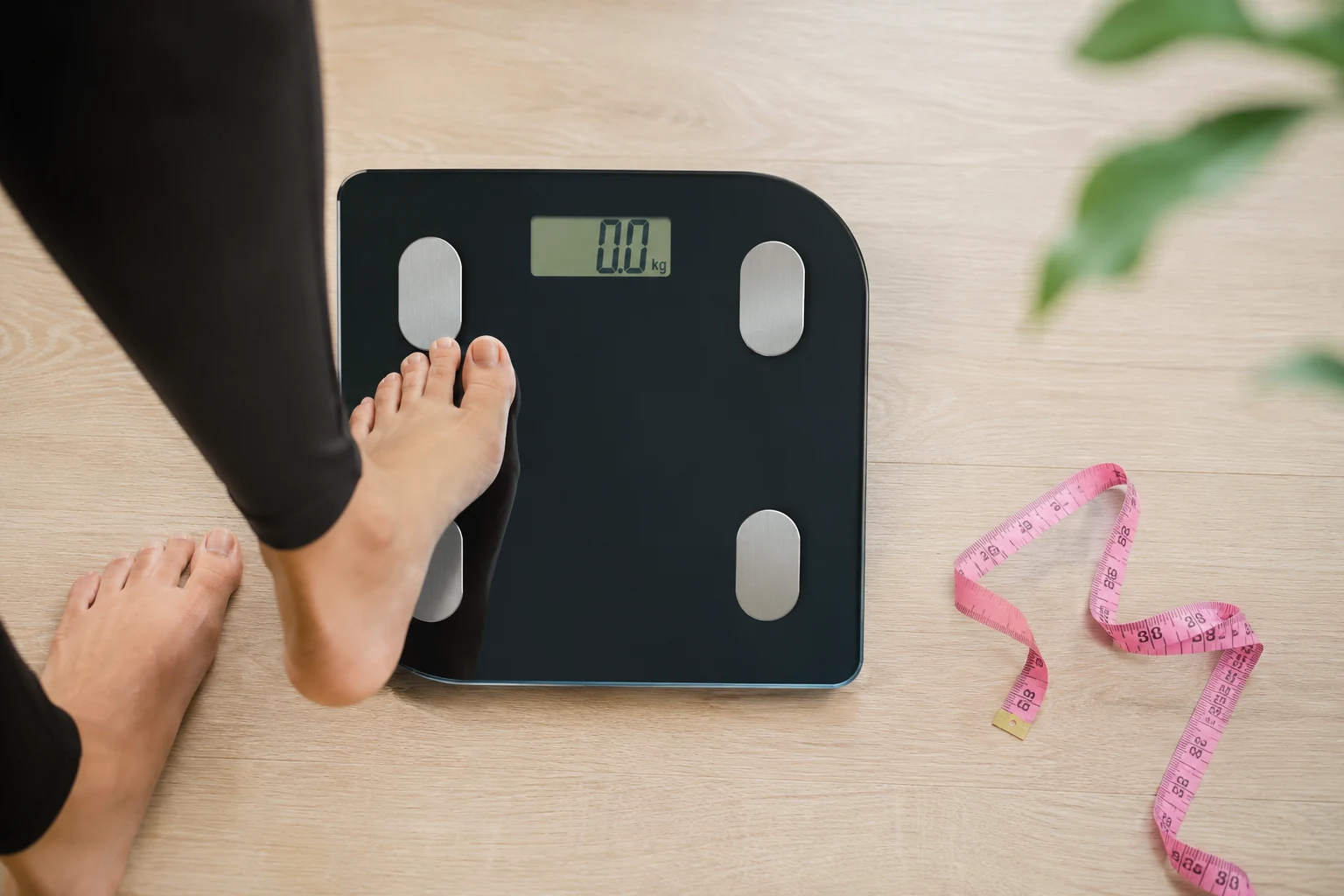
When it comes to tracking our health and fitness journey, stepping on the scale is often the first thing many of us do. We eagerly await that number to see if our efforts have paid off or if we need to make some adjustments. However, relying solely on the scale can be deceiving and fail to provide a complete picture of what’s happening within our bodies. Weight gain or loss is a complex process influenced by various factors, and the scale alone cannot accurately capture these intricacies.
The Limitations of the Scale

The scale measures our overall body weight, but it does not differentiate between the different components that contribute to that number. Our bodies are made up of muscle, fat, water, and bone, each with different densities and impacts on our health. Simply focusing on weight alone can obscure important changes happening within these distinct compartments.
Muscle Mass and Metabolism
One of the primary reasons why the scale doesn’t tell the full story is that it fails to account for changes in muscle mass. When we start a new exercise regimen or incorporate strength training into our routine, it’s common to experience an initial weight gain, often partly because our muscles store more glycogen, which is held together with water (roughly three to four parts water per part glycogen).[1] Over time, as we build lean muscle tissue, which is denser than fat,[2][3] our overall weight may stay the same or even increase despite a reduction in body fat percentage.
On the other hand, a sedentary lifestyle or lack of physical activity can lead to muscle loss (inactive adults lose an estimated 3% to 8% of muscle mass per decade),[4] even if our weight remains stable or decreases slightly. This loss of lean muscle mass can slow down our metabolism, making it harder to maintain a healthy weight and body composition in the long run.[4][5]
Body Composition and Health

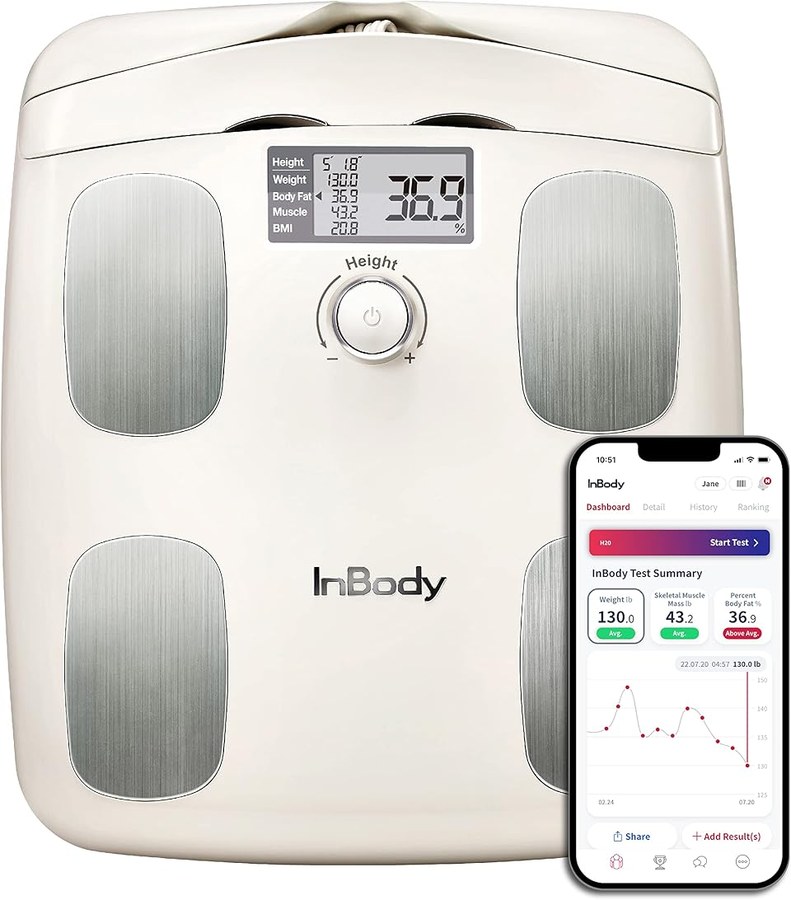
While the scale may indicate weight gain or loss, it does not provide insight into our body composition – the ratio of fat to lean muscle mass. This ratio is a crucial indicator of overall health and metabolic function. Individuals with a higher percentage of lean muscle mass tend to have a faster metabolism[5] and, in observational studies, show better insulin sensitivity and a lower risk of prediabetes[6] and lower mortality among people with cardiovascular disease.[7]
Water Retention and Fluctuations
Another factor that can influence our weight without necessarily reflecting our overall health or fitness progress is water retention. Hormonal changes,[8] carbohydrate intake (stored glycogen holds extra water),[1] sodium intake (which shifts fluid between the bloodstream and the tissues),[9] and even certain medications can influence body water, leading to temporary weight gains or losses that may not accurately reflect changes in body composition. A common rule of thumb puts the energy needed for 1 kg of weight change at about 7,700 calories, so a jump of 1-2 kg overnight is almost never fat.[10] Weight also follows a weekly rhythm: in one study of 80 adults, weight was highest early in the week and fell through the week,[11] and in a large European trial the average within-week fluctuation was about 0.35% of body weight.[12]
The Importance of Body Composition Analysis
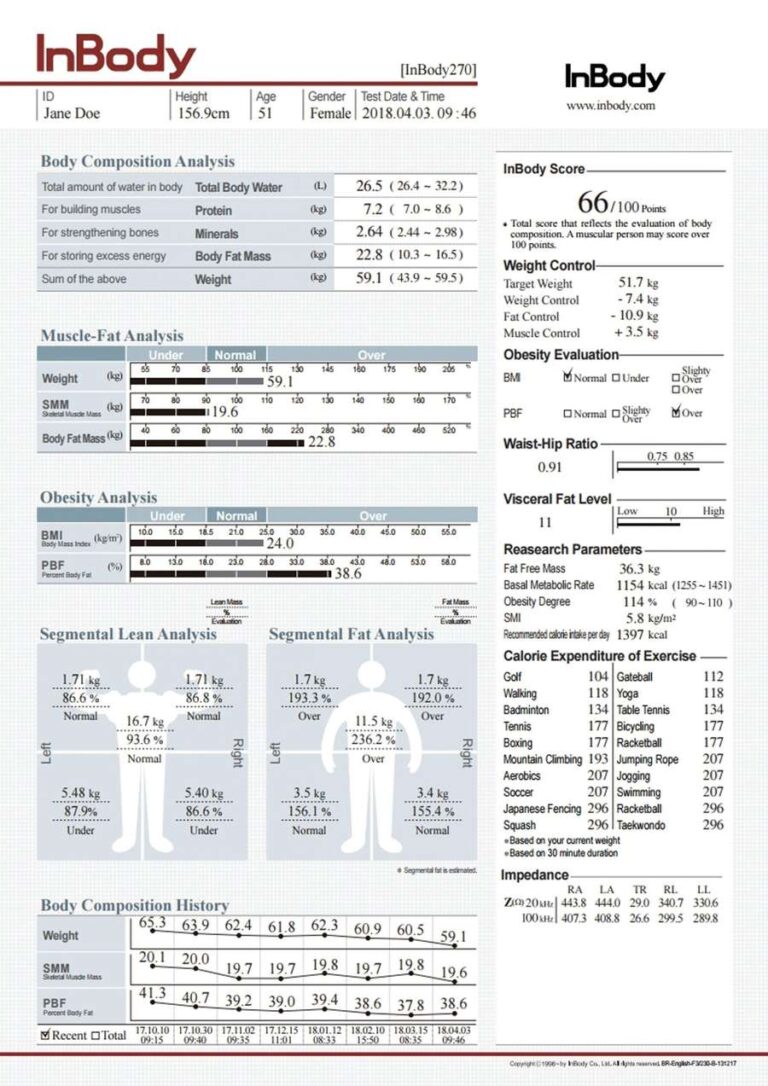
To truly understand what’s happening within our bodies, it’s essential to look beyond the scale and consider a more comprehensive approach to assessing our health and fitness progress. One such approach is body composition analysis, which involves techniques like bioelectrical impedance analysis (BIA), dual-energy X-ray absorptiometry (DEXA), or hydrostatic weighing.
These methods provide information about how much of the body is made up of fat, muscle, and bone (and some also show how they are distributed), allowing us to make more informed decisions about our health and fitness goals. By tracking changes in body composition over time, we can better understand the impact of our lifestyle choices and make necessary adjustments to achieve optimal health and physical performance.
The Role of Muscle Mass

Building and maintaining muscle mass is crucial for overall health and well-being. Muscle tissue not only contributes to strength and physical performance but also plays a vital role in regulating metabolism and supporting various bodily functions.
When we lose muscle mass, our metabolic rate can slow down, making it easier to gain fat and more difficult to lose weight.[4][5] Additionally, muscle loss is associated with reduced strength and an increased risk of falls and fractures, particularly as we age.[13]
Embracing a Holistic Approach
While the scale can be a useful tool for monitoring weight trends, it’s essential to recognize its limitations and incorporate other measures of health and fitness into our assessment. A holistic approach that considers body composition, strength, endurance, flexibility, and overall well-being can provide a more accurate picture of our progress and guide us towards healthier lifestyle choices.
It’s important to recognize that the number displayed on the scale is merely one aspect among many factors to consider. By understanding the complex interplay between muscle, fat, water, and other factors, we can develop a more nuanced understanding of our bodies and make informed decisions that support our long-term health and wellness goals.
Creating a Balanced Approach
To achieve a balanced and comprehensive approach to weight management and overall health, it’s important to consider the following:
1. Incorporate strength training: Resistance exercises, such as weightlifting or bodyweight exercises, are crucial for building and maintaining muscle mass, which in turn supports a healthy metabolism and body composition.
2. Focus on nutrient-dense foods: A diet rich in whole, nutrient-dense foods like lean proteins, fruits, vegetables, and healthy fats can support muscle growth, overall health, and proper bodily functions.
3. Stay hydrated: Adequate water intake supports normal fluid balance and overall health.
4. Get enough sleep: Proper sleep is essential for muscle recovery, hormone regulation, and overall health. Lack of sleep can disrupt these processes, and short sleep is associated with a higher risk of obesity, although a causal link is hard to prove.[14]
5. Manage stress: Chronic stress may lead to hormonal imbalances, which can influence appetite, metabolism, and body composition. Incorporating stress management techniques, such as exercise, meditation, or yoga, may help mitigate these effects.
6. Monitor progress holistically: In addition to tracking weight, consider monitoring body measurements, body composition, strength gains, energy levels, and overall well-being to get a comprehensive picture of your progress.
Remember, sustainable weight management and optimal health are not just about the number on the scale; they are about developing a balanced and holistic approach that supports your physical, mental, and emotional well-being. By understanding the limitations of the scale and embracing a more comprehensive perspective, you can make informed decisions that lead to lasting results and a healthier, happier you.
- Weight vs. Composition: Your total weight is the sum of muscle, fat, bone, and water. The scale cannot distinguish between a pound of muscle (dense and metabolic) and a pound of fat (stored energy), which leads to “weight loss” being confused with “fat loss.”
- The Muscle Paradox: You can lose body fat and gain muscle simultaneously[4] (in one review, 10 weeks of resistance training was associated with about 1.4 kg more lean weight and 1.8 kg less fat). In this scenario, your weight might stay the same or even increase, but your body becomes leaner and stronger.
- The “Skinny Fat” Risk: A person can have a “normal” weight and BMI while carrying a high percentage of body fat, which is linked to higher rates of metabolic syndrome (“normal-weight obesity”).[15] BMI would categorize this person as healthy, missing significant metabolic risks.
- Hydration & Glycogen: Day-to-day weight fluctuations are usually driven by changes in body water, food and drink still in the gut, and stored glycogen, not by actual fat gain or loss.[1][11][12]
- The InBody Advantage: Using Bioelectrical Impedance Analysis (BIA) provides a “map” of what that weight actually consists of, allowing for targeted fitness and nutritional adjustments rather than blind calorie cutting.
Frequently Asked Questions
Q. Why did my weight go up after a hard workout?
This is usually temporary and is not fat gain. Hard exercise, especially unaccustomed exercise, can cause minor muscle damage and inflammation,[16] and muscles also store glycogen together with water as they recover.[1] Food and fluid taken in after training add to the number on the scale too. It is a normal part of the recovery process.
Q. Can I trust my BMI (Body Mass Index) score?
BMI is a simple height-to-weight ratio. While useful for general populations, it can be inaccurate for individuals because it does not account for muscle mass: a meta-analysis found that commonly used BMI cut-offs for obesity miss about half of the people with excess body fat.[17] Athletes can also be labeled as “overweight” by BMI even when they do not carry excess body fat.[18]
Q. If the scale doesn’t move, how do I know I’m making progress?
Look for “Non-Scale Victories” (NSVs). These include your clothes fitting better, increased energy levels, improved strength in the gym, and most importantly, changes in your body fat percentage and skeletal muscle mass via a composition scan.
Q. How often should I weigh myself?
Daily weights can be misleading because of natural water fluctuations, so it is better to look at weekly averages. In a systematic review, regular self-weighing was associated with more weight loss and not with adverse psychological outcomes,[19] but to track actual tissue changes it is ideal to also perform a body composition analysis once every 4–6 weeks.
Q. Why is my weight higher the morning after a salty meal?
The extra weight is usually temporary and mostly reflects food and drink still in your system plus short-term shifts in body fluid. Sodium influences how fluid is distributed between your blood and your tissues (in a controlled study, very high sodium intake raised blood plasma volume without raising total body water or body mass),[9] so its effect on the scale is usually small. It typically settles as you return to your normal hydration and eating habits.
Key Takeaways
- Weight vs. Composition: Your total weight is the sum of muscle, fat, bone, and water. The scale cannot distinguish between a pound of muscle (dense and metabolic) and a pound of fat (stored energy), which leads to “weight loss” being confused with “fat loss.”
- The Muscle Paradox: You can lose body fat and gain muscle simultaneously[4] (in one review, 10 weeks of resistance training was associated with about 1.4 kg more lean weight and 1.8 kg less fat). In this scenario, your weight might stay the same or even increase, but your body becomes leaner and stronger.
- The “Skinny Fat” Risk: A person can have a “normal” weight and BMI while carrying a high percentage of body fat, which is linked to higher rates of metabolic syndrome (“normal-weight obesity”).[15] BMI would categorize this person as healthy, missing significant metabolic risks.
- Hydration & Glycogen: Day-to-day weight fluctuations are usually driven by changes in body water, food and drink still in the gut, and stored glycogen, not by actual fat gain or loss.[1][11][12]
- The InBody Advantage: Using Bioelectrical Impedance Analysis (BIA) provides a “map” of what that weight actually consists of, allowing for targeted fitness and nutritional adjustments rather than blind calorie cutting.

Find an InBody Scanner Near You
References
- Kreitzman SN, Coxon AY, Szaz KF. Glycogen storage: illusions of easy weight loss, excessive weight regain, and distortions in estimates of body composition. Am J Clin Nutr. 1992;56(1 Suppl):292S-293S. PubMed · DOI
- Ward SR, Lieber RL. Density and hydration of fresh and fixed human skeletal muscle. J Biomech. 2005;38(11):2317-2320. PubMed · DOI
- Martin AD, Daniel MZ, Drinkwater DT, Clarys JP. Adipose tissue density, estimated adipose lipid fraction and whole body adiposity in male cadavers. Int J Obes Relat Metab Disord. 1994;18(2):79-83. PubMed
- Westcott WL. Resistance training is medicine: effects of strength training on health. Curr Sports Med Rep. 2012;11(4):209-216. PubMed · DOI
- Johnstone AM, Murison SD, Duncan JS, Rance KA, Speakman JR. Factors influencing variation in basal metabolic rate include fat-free mass, fat mass, age, and circulating thyroxine but not sex, circulating leptin, or triiodothyronine. Am J Clin Nutr. 2005;82(5):941-948. PubMed · DOI
- Srikanthan P, Karlamangla AS. Relative muscle mass is inversely associated with insulin resistance and prediabetes. Findings from the third National Health and Nutrition Examination Survey. J Clin Endocrinol Metab. 2011;96(9):2898-2903. PubMed · DOI
- Srikanthan P, Horwich TB, Tseng CH. Relation of muscle mass and fat mass to cardiovascular disease mortality. Am J Cardiol. 2016;117(8):1355-1360. PubMed · DOI
- Stachenfeld NS. Sex hormone effects on body fluid regulation. Exerc Sport Sci Rev. 2008;36(3):152-159. PubMed · DOI
- Heer M, Baisch F, Kropp J, Gerzer R, Drummer C. High dietary sodium chloride consumption may not induce body fluid retention in humans. Am J Physiol Renal Physiol. 2000;278(4):F585-F595. PubMed · DOI
- Hall KD. What is the required energy deficit per unit weight loss? Int J Obes (Lond). 2008;32(3):573-576. PubMed · DOI
- Orsama AL, Mattila E, Ermes M, van Gils M, Wansink B, Korhonen I. Weight rhythms: weight increases during weekends and decreases during weekdays. Obes Facts. 2014;7(1):36-47. PubMed · DOI
- Turicchi J, O’Driscoll R, Horgan G, et al. Weekly, seasonal and holiday body weight fluctuation patterns among individuals engaged in a European multi-centre behavioural weight loss maintenance intervention. PLoS One. 2020;15(4):e0232152. PubMed · DOI
- Yeung SSY, Reijnierse EM, Pham VK, et al. Sarcopenia and its association with falls and fractures in older adults: a systematic review and meta-analysis. J Cachexia Sarcopenia Muscle. 2019;10(3):485-500. PubMed · DOI
- Cappuccio FP, Taggart FM, Kandala NB, et al. Meta-analysis of short sleep duration and obesity in children and adults. Sleep. 2008;31(5):619-626. PubMed · DOI
- Romero-Corral A, Somers VK, Sierra-Johnson J, et al. Normal weight obesity: a risk factor for cardiometabolic dysregulation and cardiovascular mortality. Eur Heart J. 2010;31(6):737-746. PubMed · DOI
- Clarkson PM, Hubal MJ. Exercise-induced muscle damage in humans. Am J Phys Med Rehabil. 2002;81(11 Suppl):S52-S69. PubMed · DOI
- Okorodudu DO, Jumean MF, Montori VM, et al. Diagnostic performance of body mass index to identify obesity as defined by body adiposity: a systematic review and meta-analysis. Int J Obes (Lond). 2010;34(5):791-799. PubMed · DOI
- Ode JJ, Pivarnik JM, Reeves MJ, Knous JL. Body mass index as a predictor of percent fat in college athletes and nonathletes. Med Sci Sports Exerc. 2007;39(3):403-409. PubMed · DOI
- Zheng Y, Klem ML, Sereika SM, Danford CA, Ewing LJ, Burke LE. Self-weighing in weight management: a systematic literature review. Obesity (Silver Spring). 2015;23(2):256-265. PubMed · DOI

Most trending articles
Creatine and Your Body Composition Scan: What Changes
Creatine raises body water and lean mass readings within a week on BIA and DXA. What the studies show and how to time your scans to read progress honestly.
Fitness Testing and Body Composition for Sports Academies
A practical fitness testing battery for Indian sports academies: body composition, grip, jumps, sprints, Yo-Yo, Khelo India context and youth maturation.
Skeletal Muscle Mass (SMM): Normal Range on InBody
What SMM means on your InBody report, how the 90-110% normal bar works, why SMM is not SMI, and the AWGS cut-offs used to screen for low muscle.