
Fitness 7 min read
Postpartum Body Recomposition for Indian Moms: The Real Timeline (Not the ‘6-Week Bounce Back’)
The 'bounce back' myth is harmful. Real postpartum body recomposition for Indian women takes 12–18 months. The safe, sustainable plan that works with your body, not against it.
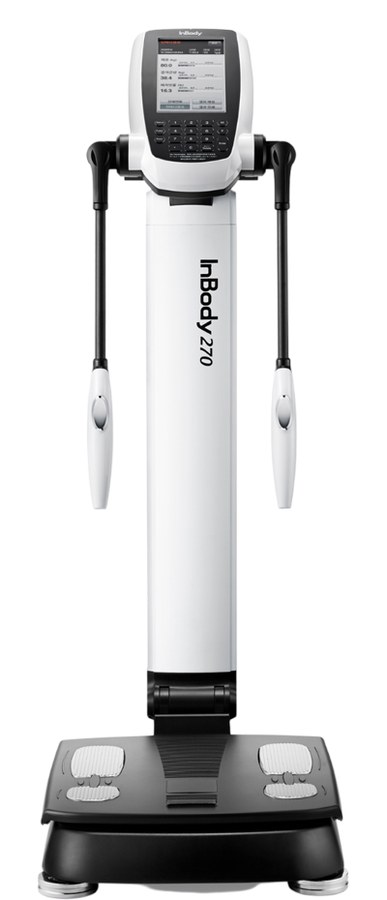
Reading about body composition? Find an InBody test centre near you →
The Postpartum Myth
“Bounce back like celebrity moms!”
Social media shows: Hot mom, 2 weeks postpartum, already hitting the gym, losing weight fast.
Reality: She has trainers, nannies, money for top surgery, and likely didn’t breastfeed.
Real Indian Mom Reality:
- Exhausted from 2am feeding
- C-section/tear recovery (painful)
- Zero support for gym time
- Mother-in-law says “you should lose weight faster”
- Dad says “why are you exercising, shouldn’t you rest?”
- Own guilt about “failing” to lose baby weight
- Added pressure of wedding season / family events
This needs to stop.
Here’s the truth about postpartum body recomposition, grounded in data and realistic timelines for Indian mothers.
What Happens to Your Body After Birth
Immediate (First 2 Weeks)
- Uterus shrinks (4-5kg water loss)
- Lochia (vaginal bleeding, 2-6 weeks)
- Hormonal shift (estrogen crashes, prolactin spikes if breastfeeding)
- Sleep deprivation (survival mode)
Body composition: Minimal change. You look pregnant still (normal).
Weeks 2-6 (Healing Phase)
- If C-section: Incision healing (6-8 weeks full recovery)
- If vaginal birth: Tear recovery (3-4 weeks)
- Pelvic floor: Needs rehab (very important for future training)
- Lochia continues
Clearance from doctor: Usually 6 weeks
What not to do: Heavy lifting, intense cardio, ab exercises. Your core is compromised.
What to do: Walking (20-30 min), pelvic floor exercises, gentle stretching.
Weeks 6-12 (Gradual Return)
- Hormonal stabilization begins (if not breastfeeding)
- If breastfeeding: Prolactin stays high (affects appetite, metabolism)
- Muscle memory: Returns faster than before (you’ve trained before)
- Energy slowly increases
What to do now: Strength training can resume (start light, form-focused)
Weight loss: Usually 0.5-1kg per week (half from water, half from actual fat loss)
Months 3-6 (Body Recomposition Phase)
- Hormones stabilizing (progesterone returns to normal if not pregnant again)
- Metabolism normalizing (though still affected if breastfeeding)
- Muscle adaptation (if training, can rebuild quickly)
What’s realistic: -3-5kg total fat loss (not water), +1-2kg muscle gain
Why “Just Eat Less” Fails Postpartum
The Metabolic Reality
If breastfeeding:
- You need 300-500 extra calories/day (milk production)
- Restricting calories = reduced milk supply
- You can’t “lose weight fast” without compromising baby nutrition
- Crash dieting = inadequate nutrients for recovery
If not breastfeeding:
- You do need a calorie deficit to lose fat
- But extremely low calories = zero energy for baby care
- Crash dieting = muscle loss + slower metabolism (bad for long-term body comp)
The Reality of Baby Care
- You’re on your feet constantly (even sedentary new moms burn 200+ extra calories)
- Sleep deprivation affects metabolism (promotes fat retention)
- Stress hormones are high (cortisol drives visceral fat accumulation)
Eating 1200 calories to “quickly lose weight” = recipe for exhaustion, muscle loss, and metabolic damage.
The Realistic Postpartum Nutrition Plan
If Breastfeeding
Calorie target: 1900-2100 cal/day (depends on milk production)
- Protein: 100-110g (recovery, milk quality, satiety)
- Carbs: 220-260g (energy for feeding + baby care)
- Fat: 60-70g (hormone health, calorie density)
Key principle: Eat enough. Milk production requires calories.
If Not Breastfeeding
Calorie target: 1600-1700 cal/day (small deficit for fat loss)
- Protein: 100-110g (muscle preservation + satiety)
- Carbs: 160-190g (energy + recovery)
- Fat: 55-65g (hormone health)
Sample Day (Breastfeeding, Month 3)
Breakfast (7 AM):
- 3 eggs + 1 whole wheat toast + ½ avocado = 20g protein, 25g carbs, 12g fat
Mid-morning (10 AM):
- Apple + 30g almonds = 3g protein, 35g carbs, 9g fat
Lunch (1 PM):
- 1 cup moong dal + ½ cup rice + ghee + greens = 20g protein, 60g carbs, 10g fat
Afternoon (3 PM):
- Greek yogurt 100g + granola = 10g protein, 25g carbs, 1g fat
Dinner (7 PM):
- 150g paneer + 1 roti + broccoli = 30g protein, 15g carbs, 10g fat
Evening (before bed):
- 1 glass milk + 1 tbsp almond butter = 10g protein, 20g carbs, 10g fat
Total: 103g protein, 215g carbs, 62g fat ≈ 1,950 calories
Training: When, How, What
Timeline for Training Resumption
Weeks 0-6: Only walking + pelvic floor exercises (PC cones, Kegel exercises)
Weeks 6-12:
- Weeks 6-8: Light strength training (bodyweight, no added weight)
- Squats (no extra weight)
- Push-ups (on knees if needed)
- Rows (light bands)
- Planks (modified)
- Weeks 8-12: Moderate strength (add weight gradually)
Months 3+: Normal training (but pelvic floor still needs attention if heavy impact planned)
Why Progressive Return Matters
Too much, too fast = pelvic floor dysfunction (incontinence, pain), muscle damage, burnout
Progressive = faster full recovery, sustainable habits for long-term
Sample Training (Month 3)
Monday: Light Strength
- Bodyweight squats 3×10
- Push-ups (on knees) 3×8
- Dumbbell rows 3×10 (start with 5kg)
- Plank hold 3×20 sec
- 15 min walking
Tuesday: Walking
- 30-45 min moderate walk (baby stroller, baby carrier, whatever works)
Wednesday: Light Strength
- Glute bridges 3×12
- Dumbbell presses 3×8 (5kg)
- Lateral raises 3×10 (2-3kg)
- 15 min walking
Thursday: Rest or Stretching
Friday: Full Body Light
- 5 min warm-up walk
- Squats 3×10, rows 3×10, push-ups 3×8, deadlifts 3×8 (light weight or bodyweight)
- 20 min walking
Saturday: Walk or Rest
Sunday: Rest
Month 6+: Normal Training
- 3-4× strength training per week
- 2× moderate cardio (walking, cycling)
- 1-2× pelvic floor exercises (forever—important for long-term health)
Body Composition Changes (Realistic Timeline)
What to Expect
At 6 weeks postpartum (if had C-section or tear):
- Scale weight: -4 to -6kg (mostly water, some placenta/baby)
- Body composition: Likely similar to pre-pregnancy in terms of %, but absolute numbers different
- Energy: Still low
At 3 months (if started training):
- Scale weight: -6 to -8kg total (half water, half fat)
- Body fat %: Similar to pre-pregnancy or slightly higher
- Lean muscle: Maintained or slightly recovered
- Energy: Much better
At 6 months (if consistent with training + nutrition):
- Scale weight: -8 to -10kg total
- Body fat: 2-4% lower than pre-pregnancy
- Lean muscle: +1-2kg from pre-pregnancy (strength training effect)
- Body composition: Better than pre-pregnancy (if trained properly)
At 12 months (if maintained):
- Scale weight: -8 to -12kg total (depending on calorie deficit if not breastfeeding)
- Body fat: 4-6% lower than pre-pregnancy
- Lean muscle: +2-3kg (strength training effect)
- Overall: Stronger, leaner, healthier than pre-pregnancy
Managing the Pressure (Mental Health Part)
The Guilt Trap
“I should look like I did before pregnancy by now.”
“Other moms are losing weight faster.”
“My husband expects me to be back in shape.”
None of this is your responsibility.
You grew a human. Recovery takes time. Body recomposition takes months, not weeks.
The Actual Timeline
- 6 weeks: Not enough for anything except healing
- 3 months: Early progress, but still recovering
- 6 months: Visible transformation if consistent
- 12 months: Full recovery + improvement possible
Anything faster = unsustainable, often unhealthy
What Actually Helps Mental Health Postpartum
- Strength training (endorphins, sense of control)
- Adequate nutrition (brain fog lifts, mood improves)
- Walking outside (exercise + mental health + vitamin D)
- Support (mom who says “you’re doing great” matters)
- Realistic expectations (your body did something amazing; recovery is appropriate)
Action Plan (Month 2 Postpartum)
- Get doctor clearance (usually week 6)
- Book pelvic floor PT (1-2 sessions to understand your baseline)
- Start walking (20 min daily if comfortable)
- Track calories lightly (don’t restrict; aim for 1900-2100 if breastfeeding)
- Plan return to strength (month 3, not month 2)
Reality Check
Your body didn’t change in 9 months. It won’t change back in 9 weeks.
But in 6-12 months of consistent training + adequate nutrition + realistic expectations, you can be in better shape than pre-pregnancy.
This is not about “bouncing back.” This is about building strength, recovering well, and becoming a stronger version of yourself.
Find Your Nearest InBody Test Centre
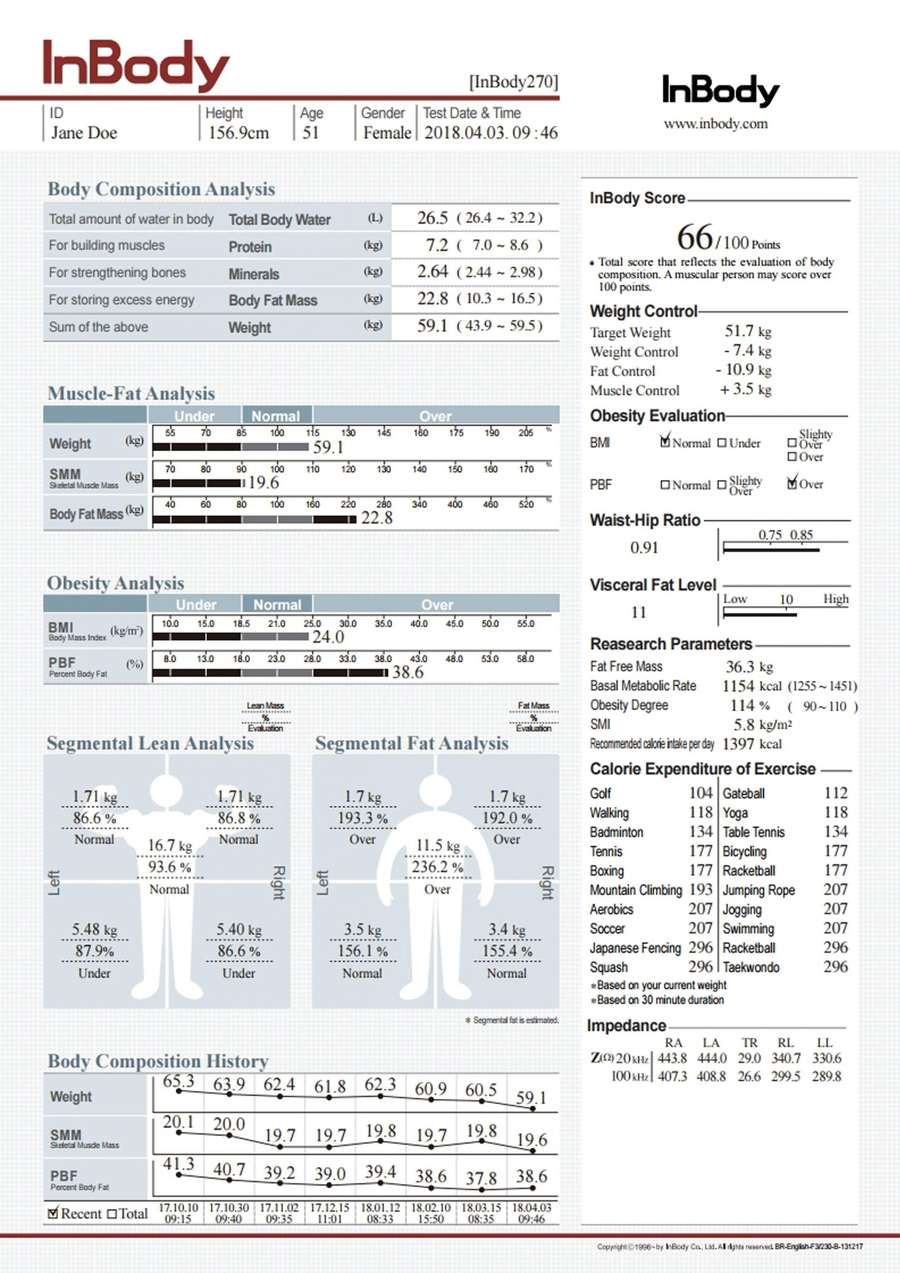
Postpartum body composition tracking helps you see real progress beyond the scale. Get tested at month 3, month 6, and month 12 to visualize your transformation.
Related Reads
- “Pelvic Floor Health: Why It Matters for Postpartum Fitness”
- “Body Composition vs Scale Weight: The Real Story”
- “How Much Protein Do You Need (While Breastfeeding)?”
Frequently Asked Questions
When is it safe to start exercising after a C-section in India?
Most doctors in India clear C-section mothers for light exercise at 6 weeks postpartum, once the incision has healed. Begin with gentle walking and pelvic floor exercises only. Avoid lifting, intense cardio, or core work until at least 8–10 weeks, and only after your gynaecologist confirms the incision has fully closed.
How does breastfeeding affect body composition and fat loss?
Breastfeeding burns an extra 300–500 calories daily, which can support gradual fat loss. However, elevated prolactin suppresses oestrogen, promoting fat retention—especially around the abdomen—as a reserve for milk production. Fat loss during breastfeeding is slower than expected, typically 0.5 kg per week maximum without compromising milk supply.
Is it safe to diet while breastfeeding?
Strict calorie restriction is not safe while breastfeeding. Indian mothers who breastfeed need 1,900–2,100 calories daily to support both recovery and milk production. Dropping below 1,500 calories risks reducing milk supply, depleting maternal nutrients like calcium and iron, and causing fatigue. A small, managed deficit of 200–300 calories is acceptable after 3 months postpartum.
How long does postpartum belly fat typically take to go away?
Most Indian mothers see visible reduction in postpartum belly fat between 3–6 months with consistent strength training and adequate nutrition. Full return to pre-pregnancy abdominal appearance typically takes 9–12 months. Factors like C-section healing, breastfeeding hormones, sleep deprivation, and stress can extend this timeline considerably.
Why does belly fat stay even after losing overall postpartum weight?
Postpartum belly fat persists because of stretched abdominal muscles (diastasis recti), hormonal fat retention driven by cortisol and prolactin, and visceral fat accumulated during pregnancy. Weight loss alone does not address muscle separation or hormonal patterns. Targeted strength training, pelvic floor rehabilitation, and stress reduction are required to reduce the postpartum belly specifically.
