
Fitness 11 min read
Protein Powder in India 2026: What Works, What’s Fake, and How Much You Actually Need
India's protein supplement market is flooded with adulterated products. Which proteins work for Indian body goals, what lab tests reveal, and how body composition tracking shows if your protein is building muscle.
Reading about body composition? Find an InBody test centre near you →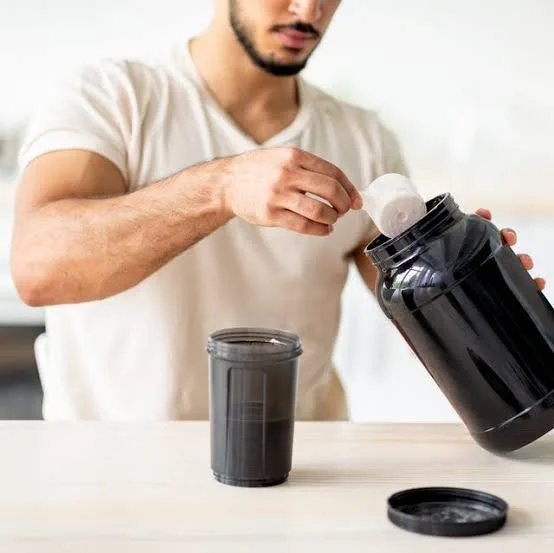
India’s Protein Supplement Market Has a Serious Problem — And Most Buyers Don’t Know It
Walk into any gym in Mumbai, Delhi, Bangalore, or Hyderabad and you will find a protein powder being consumed before, during, or after training. The Indian sports nutrition market was valued at over ₹3,000 crore in 2024 and is growing at 14–17% annually. Protein powders are no longer niche products for bodybuilders — they are mainstream health supplements consumed by office workers, homemakers, and students alongside athletes.
But India’s protein supplement market has a problem that the industry rarely discusses loudly: adulteration is endemic, and the gap between label claims and actual product composition has been documented repeatedly by independent testing.
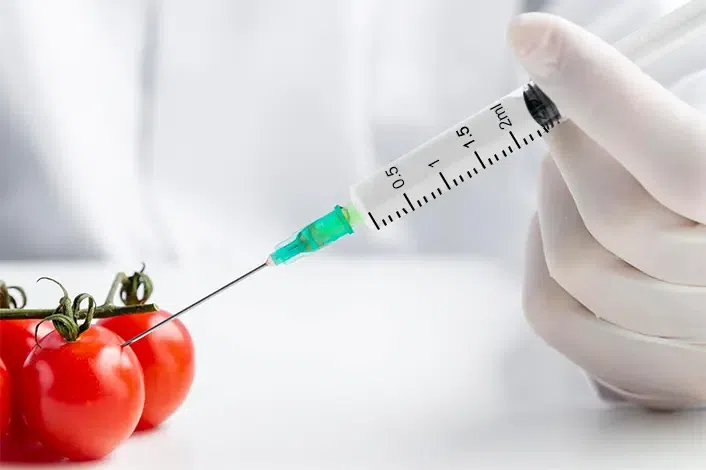
In 2018, the Nutrition Foundation of India tested 36 protein supplement brands available in the Indian market and found that 14 had actual protein content more than 20% below the label claim. A 2023 investigation by the Consumer Guidance Society of India tested 10 popular whey protein brands and found 4 with less than 60% of the stated protein content. International testing organisations, including Labdoor (USA) and NSF International, have repeatedly flagged Indian-market protein products for protein spiking — the practice of adding inexpensive amino acids like taurine, glycine, or creatine to inflate the nitrogen content (and therefore the apparent protein content) on standard assays, without providing the same muscle-building benefit as complete protein.
This is the reality any Indian considering protein supplements must understand before spending a single rupee. But once you understand it, the path to buying genuinely useful supplements — and knowing whether you need them at all — becomes much clearer.
Whey Protein: The Three Types Explained
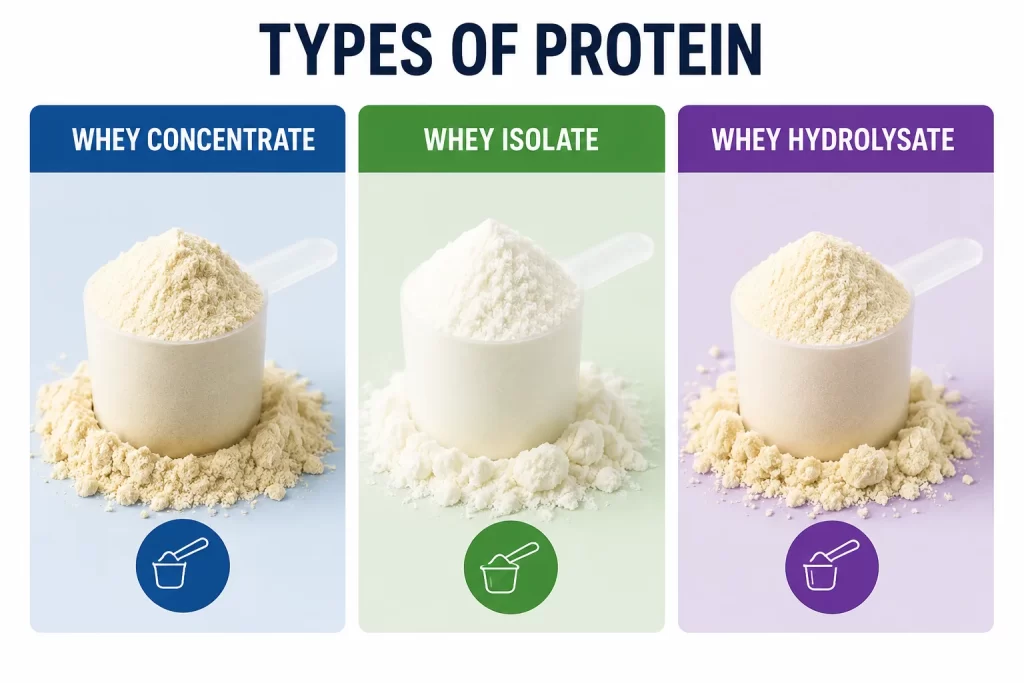
Whey protein is derived from the liquid byproduct of cheese production. It comes in three primary forms that matter for Indian consumers:
Whey Concentrate
Whey concentrate typically contains 60–80% protein by weight, with the remainder being lactose (milk sugar) and some fat. It is the cheapest form of whey and the most common in the Indian market. For most healthy Indians without lactose intolerance, concentrate is perfectly adequate for muscle building. It digests slightly more slowly than isolate and contains small amounts of immune-supporting bioactive compounds like lactoferrin and immunoglobulins.
Who it suits: healthy adults without digestive issues who want cost-effective protein supplementation.
Whey Isolate
Whey isolate is filtered further to remove most of the lactose and fat, resulting in 90–95% protein by weight. It is more expensive than concentrate but digests faster and is significantly better tolerated by the substantial proportion of Indian adults with lactose sensitivity — estimates suggest 60–70% of South Asians have some degree of lactase insufficiency.
Who it suits: individuals with lactose sensitivity, those in a caloric deficit who want maximum protein per calorie, and anyone who finds concentrate causes bloating or digestive discomfort.
Whey Hydrolysate
Hydrolysate is pre-digested whey — enzymes have broken the protein chains into shorter peptides that absorb even faster than isolate. It is the most expensive form and the most research-supported for post-surgery recovery and clinical use. For general fitness purposes, the advantage over isolate is marginal and rarely justifies the significant price premium in the Indian market.
Who it suits: clinical recovery contexts; elite athletes with very specific post-training absorption windows. Most Indian gym-goers do not need hydrolysate.
Plant Protein: The Options for India’s Largely Vegetarian Population
India has the world’s largest vegetarian population. For vegetarians who also avoid dairy, whey protein is not an option. Plant proteins have improved dramatically in both quality and taste over the past five years, and understanding their amino acid profiles helps you choose correctly.
Pea Protein
Currently the most research-supported plant protein option. Pea protein (typically from yellow split peas) has an amino acid profile reasonably close to whey — it is high in the branched-chain amino acids (BCAAs) including leucine, which is the primary trigger for muscle protein synthesis. A 2019 randomised controlled trial published in the Journal of the International Society of Sports Nutrition found pea protein equivalent to whey for muscle thickness gains over 12 weeks in resistance-trained men.
Pea protein alone is low in methionine, but most commercial formulations blend it with rice protein to create a complete amino acid profile.
Rice Protein
Brown rice protein complements pea protein well — it is high in methionine and cysteine (where pea protein is low) but lower in lysine. Most quality plant protein blends in the Indian market combine pea and rice protein in a 70:30 or 80:20 ratio, and this combination provides an amino acid profile comparable to whey for most fitness purposes.
Soy Protein
Soy protein is a complete protein — it contains all nine essential amino acids in reasonable quantities and has the highest PDCAAS (Protein Digestibility Corrected Amino Acid Score) of any plant protein. It is also the cheapest plant protein widely available in India.
The estrogen myth must be addressed directly: A persistent misconception in Indian fitness circles holds that soy protein raises estrogen levels in men, causing feminisation. This is not supported by the scientific evidence. Soy contains phytoestrogens (isoflavones), which are plant compounds that interact weakly with estrogen receptors. Multiple clinical trials — including a meta-analysis of 35 studies published in Fertility and Sterility — have found that soy consumption, even at high levels, does not meaningfully alter serum estrogen or testosterone in men. The volumes of soy protein required to produce hormonal effects would be far beyond what any normal supplement use involves. Indian men can consume soy protein without concern.
How to Identify Genuine Protein Products in India
Given the adulteration problem, the following markers of product legitimacy are essential knowledge for Indian buyers:
- Informed Sport or NSF Certified for Sport certification: These third-party testing certifications require batch-level testing of the product. Brands carrying these certifications on their Indian-market products have a meaningful accountability layer. Look for the certification logo on the label and verify the batch number on the certifying body’s website.
- FSSAI registration: All legitimate supplement brands in India must have FSSAI (Food Safety and Standards Authority of India) registration. Absence of a valid FSSAI number is an immediate red flag.
- Amino acid spiking indicators: Products that list creatine, taurine, glycine, or individual amino acids prominently in the ingredients while advertising high protein content may be inflating their apparent protein figures. Genuine whey protein should list whey protein concentrate or isolate as the first ingredient, with minimal additions.
- Price as a quality indicator: Genuine imported whey protein, accounting for customs duties and distribution costs, cannot be sold legitimately for under ₹1,200–1,500 per kg. Products priced significantly below this threshold should be scrutinised carefully.
- Buy from authorised channels: Official brand websites, authorised distributors, and large established platforms with verified seller requirements significantly reduce the adulteration risk compared to third-party sellers on open marketplaces.
The Food-First Reality: Can You Hit Your Protein from Indian Food?
The honest answer: yes, but it requires deliberate planning, and it is substantially harder for vegetarians.
For a 70 kg non-vegetarian Indian targeting 1.6g/kg (112g daily), the combination of 2 eggs at breakfast, chicken or fish at lunch, dal at dinner, and curd as a snack can get close to target. It requires attention and some dietary restructuring but is achievable without supplements.
For a 60 kg vegetarian Indian targeting 96g protein daily, the same caloric intake that delivers adequate energy (roughly 1800–2000 kcal) from traditional Indian food delivers perhaps 55–65g of protein. The gap to target is 30–40g — roughly what one quality protein supplement serving provides. For vegetarians specifically, a protein supplement often bridges a genuine dietary gap rather than being a luxury.
The food-first approach is always preferred for overall nutritional quality, fibre, micronutrients, and satiety. Supplements fill gaps; they do not replace the foundation.
What Protein Supplementation Actually Does to Your InBody Results
This is the question that body composition science can answer with precision: does taking protein powder actually show up in measurable body composition changes?
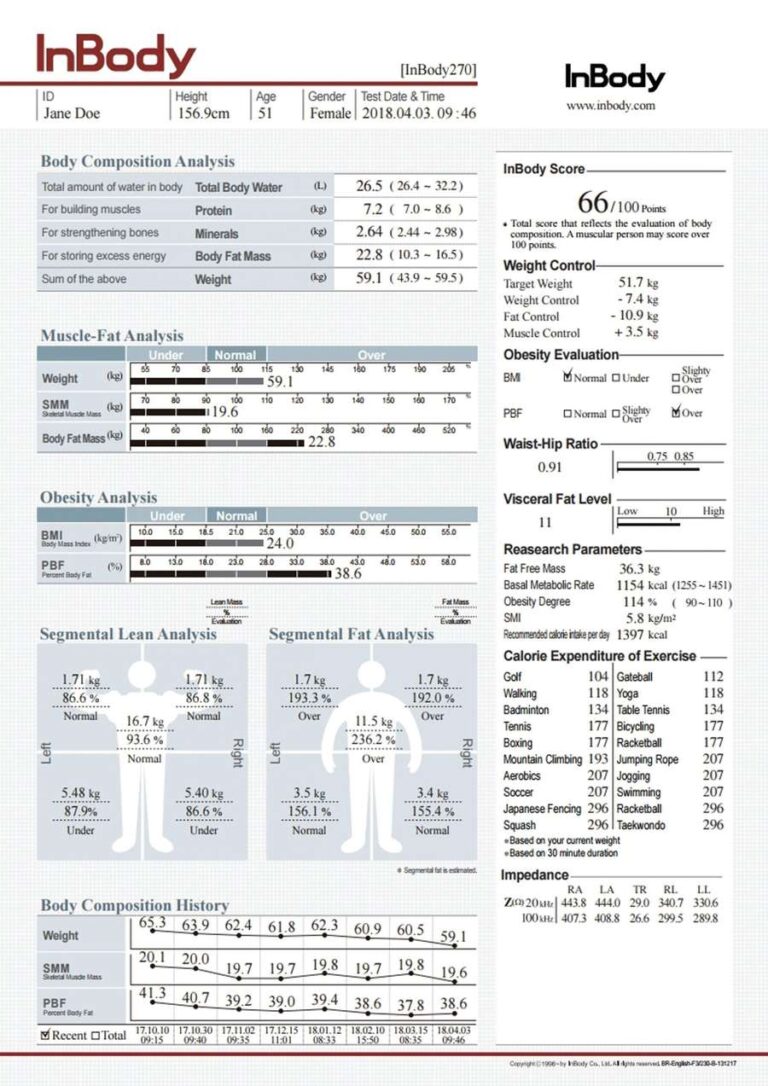
The evidence is clear: protein supplementation, when combined with resistance training and at a level that achieves the research-supported intake target, produces measurable increases in Skeletal Muscle Mass (SMM) that are detectable on InBody testing within 8–12 weeks.
A 2021 meta-analysis in the British Journal of Sports Medicine that pooled 49 randomised controlled trials (1,800+ participants) found that protein supplementation added an average of 0.3 kg of muscle mass over unsupplemented groups at the same training volume — specifically in individuals who were not already meeting protein targets from food. The caveat is critical: in individuals already eating adequate protein, supplementation adds little to nothing.
On InBody metrics, 12 weeks of consistent supplementation combined with progressive resistance training for someone who was previously protein-deficient typically shows:
- SMM increase of 1–2.5 kg (measurable on InBody)
- Parallel reduction in PBF (percentage body fat) if total calories are controlled
- Improvement in InBody Score, often by 5–10 points
- Potential reduction in VFA if the training protocol includes compound movements
If the InBody numbers are not moving after 12 weeks of supplementation and training, the issue is usually training quality (insufficient progressive overload) or total caloric intake — not the supplement itself.
Who Actually Needs Supplements — And Who Is Wasting Money
Be honest with yourself using these criteria:
You likely benefit from protein supplementation if:
- You are vegetarian and consistently falling 30+ g short of your protein target from food
- Your InBody test shows SMM below the normal range for your age and height
- You are doing 3+ resistance training sessions per week and not recovering well
- You are over 50, since older adults have higher protein needs per kg for muscle maintenance (1.6–2.0g/kg)
- You are in a caloric deficit and need to maximise protein per calorie consumed
You are likely wasting money on protein supplements if:
- You are not doing any resistance training — protein without training stimulus does not build muscle
- You are already eating chicken, eggs, fish, or dairy at every meal and hitting your protein targets from food
- Your InBody test shows SMM in the normal-to-high range and your training is stagnant — your limiting factor is training stimulus, not protein
- You are consuming protein shakes as meal replacements — this typically reduces overall food quality without meaningful compositional benefit
Practical Storage and Usage in Indian Conditions
India’s humidity — particularly in coastal cities like Mumbai, Chennai, Kolkata, and coastal Karnataka — is an enemy of protein powder quality. Moisture causes clumping, accelerates rancidity in fat-containing concentrate products, and can promote bacterial growth if containers are not handled hygienically.
Practical storage guidelines for Indian conditions:
- Always use the included desiccant packet or replace it with a fresh silica gel packet
- Store in an airtight container, ideally in an air-conditioned room or pantry rather than near the kitchen stove
- Use a dry, clean scoop every time — a wet scoop introduced into the container is a contamination risk in humid conditions
- Consume open containers within 2–3 months; do not buy in bulk quantities that will take more than 3 months to consume
- If the powder has an unusual smell, significant colour change, or visible clumping that does not break up, discard it
The Kidney Damage Question: Setting the Record Straight
One of the most persistent myths in Indian health conversations — spread by well-meaning but misinformed family members and even some doctors — is that high protein intake or protein supplements damage the kidneys. This requires a direct, evidence-based response.
In individuals with healthy kidneys, high protein intake — including from supplements — does not cause kidney damage. Multiple large-scale studies, including a 2018 meta-analysis in the Journal of Nutrition and Metabolism covering 74 controlled trials, found no adverse effect on kidney function markers in healthy adults consuming protein at levels up to 2.2g/kg per day.
The concern is legitimate only for individuals with pre-existing chronic kidney disease (CKD), in whom high protein intake can accelerate disease progression. If you have diagnosed kidney disease, high protein diets and supplements require medical supervision. For the vast majority of healthy Indian adults with no kidney pathology, evidence does not support the kidney damage concern as a reason to avoid adequate protein.
However, given India’s high prevalence of undiagnosed type 2 diabetes and hypertension — both of which are primary risk factors for CKD — it is prudent for Indians starting a high-protein protocol to have a basic kidney function panel (creatinine, urea, GFR estimate) checked with their annual health check.
Know Your Body Composition Before Choosing Your Protocol
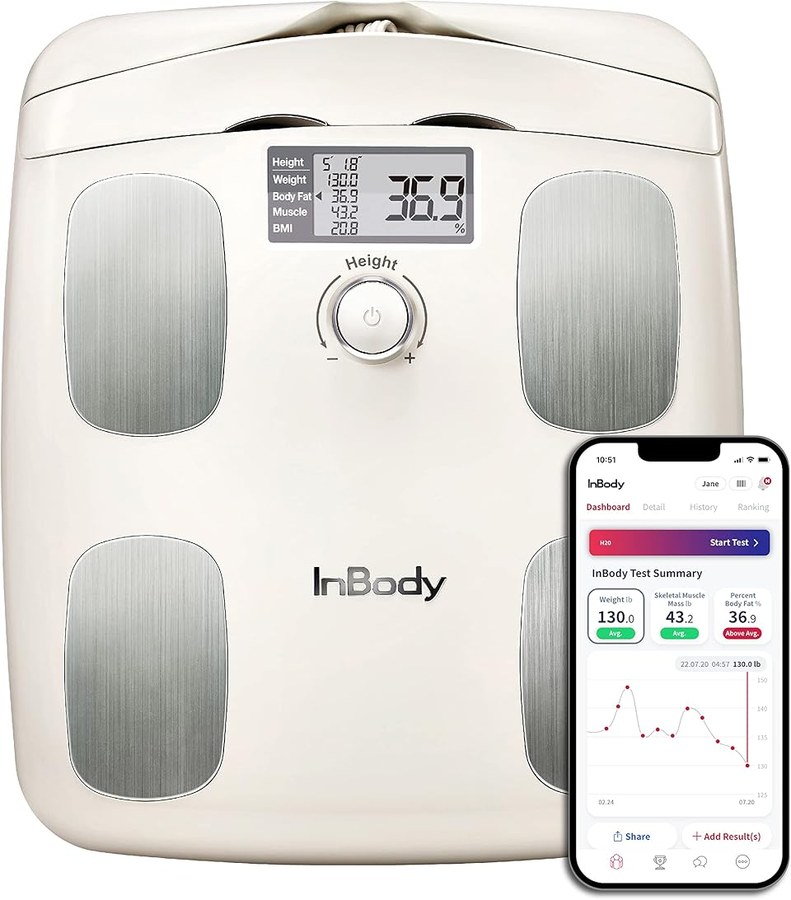
Whether you decide to supplement with protein powder or optimise from food alone, the most useful data point you can have before making that decision is your current body composition. An InBody test tells you your Skeletal Muscle Mass relative to your height and weight, your Percent Body Fat, your Visceral Fat Area, and your InBody Score.
If your SMM is already in a good range and your PBF is trending well, your current approach — whatever it is — is working. If your SMM is below normal and your protein intake is inadequate, you have a clear target: get protein up to 1.6g/kg by any means that works in your life, and retest in 8–12 weeks.
The InBody result removes the guesswork from the supplement decision. You stop buying protein powder because an influencer recommended it and start buying it — or not — because your data shows you need it.
Find your nearest InBody test centre across India at inbody.in/locations. Get your baseline body composition data, make informed decisions about your nutrition and supplementation, and track real progress — not scale weight, not before-and-after photos, but the actual composition of your body.
Frequently Asked Questions
How can I tell if a protein powder is adulterated?
Independent lab testing (some available in India through third-party testing services) is the most reliable method; red flags on labels include vague "protein blend" terms, unusually low pricing versus competitors, and missing FSSAI certification.
Whey or plant protein — which is better for Indians?
Whey protein has a more complete amino acid profile and higher digestibility, but well-combined plant sources (pea + rice protein blends) can be a good option for those avoiding dairy, provided the total protein target is still met.
How do I know if my protein powder is actually working?
Tracking skeletal muscle mass via a body composition test over 8-12 weeks alongside your training program is the clearest way to confirm whether your supplementation is translating into real muscle gain.

Most trending articles

वज़न बढ़ाने के लिए क्या खाएं? सही डाइट प्लान (सिर्फ ज़्यादा खाना नहीं)
सिर्फ ज़्यादा खाने से मांसपेशी नहीं बनती, चर्बी बढ़ सकती है। सही कैलोरी सरप्लस, प्रोटीन और डाइट प्लान जो वज़न को सही तरीके से बढ़ाए — पूरी जानकारी हिंदी में।
भारत में प्रोटीन कितना ज़रूरी है? असली आंकड़े और सही फॉर्मूला
IMRB के एक सर्वे में लगभग 73% भारतीय आहार प्रोटीन-कम पाए गए। सही प्रोटीन टारगेट कैसे निकालें और किन फूड्स से पूरा करें — पूरी जानकारी हिंदी में।
Weight Loss या Fat Loss: असली फर्क क्या है?
वज़न घटना और चर्बी घटना एक चीज़ नहीं है। तेज़ी से वज़न घटाने पर मांसपेशी क्यों चली जाती है, और असली फर्क कैसे पता करें — हिंदी में पूरी जानकारी।