
Body Composition 7 min read
Metabolic Age Explained: What It Reveals About Your Real Health (And How to Lower It)
Metabolic age vs chronological age. What it means, why many Indians in their 30s have the metabolism of a 50-year-old, and 5 evidence-based steps to reverse metabolic aging.
Reading about body composition? Find an InBody test centre near you →
You’re 34. Your Body Is 51.
Not metaphorically. Not as a dramatic way to open an article. Metabolic age is a measurable number — derived from your Basal Metabolic Rate — and for a significant portion of urban Indians in their 30s, that number is 10 to 20 years older than the calendar age on their Aadhaar card.
It means their body, at rest, burns calories at the rate of someone two decades their senior. It means their muscle mass has declined prematurely. It means the biological machinery that should be running at 34 is already functioning like it belongs to someone approaching 50.
The good news: metabolic age is not fixed. It responds to specific, evidence-based interventions faster than almost any other health metric. But first, you need to understand what it actually is and why Indians are particularly susceptible to an inflated metabolic age.
What Metabolic Age Actually Means
Metabolic age is a comparison. It asks: what is the typical Basal Metabolic Rate (BMR) for someone of a given age? Then it asks: what is your BMR? Whichever age group your BMR matches — that is your metabolic age.
Your Basal Metabolic Rate is the number of calories your body burns at complete rest — breathing, circulating blood, maintaining organ function, regulating temperature. It is the energy cost of simply being alive for 24 hours.
BMR is driven primarily by lean body mass — specifically skeletal muscle. Muscle is energetically expensive tissue. More muscle means a higher BMR. Higher BMR means a younger metabolic age. Loss of muscle — through aging, inactivity, or poor nutrition — drives BMR down, which inflates metabolic age.
Why Indians Are Especially Vulnerable
Sarcopenic Obesity
Indians tend to have lower skeletal muscle mass relative to body weight compared to Western populations. Despite normal or near-normal BMI, many Indians have disproportionately low muscle and high body fat. Low muscle = low BMR = older metabolic age, often at an early chronological age.
Desk Job Epidemic
India’s urban workforce is overwhelmingly sedentary. A 2021 Lancet study placed India among the least physically active countries globally, with 34% of the population classified as insufficiently active. Muscle is a “use it or lose it” tissue — sustained inactivity accelerates muscle loss, which directly lowers BMR.
High-Carbohydrate, Low-Protein Diets
The typical Indian diet is carbohydrate-dominant and protein-deficient. Without adequate protein, the body cannot repair and rebuild muscle tissue effectively — even if some physical activity is occurring. The result is slow, progressive muscle loss that accelerates metabolic aging.
Chronically Elevated Cortisol
Urban Indian life is high-stress by almost any measure — long commutes, job insecurity, financial pressure, extended family obligations. Chronic stress means chronically elevated cortisol. Elevated cortisol promotes muscle breakdown (catabolism) and fat storage, simultaneously reducing BMR and increasing fat mass.
Why BMR Matters More Than You Think
Your BMR typically accounts for 60–75% of your Total Daily Energy Expenditure. Physical activity, even for someone who exercises regularly, accounts for only 15–30%.
This means your resting metabolism — driven by your muscle mass — does most of the metabolic heavy lifting. A person with 2 kg more skeletal muscle than someone of the same weight burns approximately 26 additional calories per day at rest. Over a year, that is 9,490 calories — nearly 3 kg of fat — without doing anything extra.
This is why people who lose weight through caloric restriction alone — without preserving muscle — almost always regain the weight, and often regain more fat than they started with.
The 5 Levers That Lower Metabolic Age
Lever 1: Build Skeletal Muscle Through Resistance Training
This is the primary driver. No other intervention raises BMR more directly than building skeletal muscle. Three 45-minute resistance training sessions per week — squats, deadlifts, rows, presses — are sufficient to produce meaningful muscle growth and BMR improvement in most untrained individuals within 12 weeks.
Research consistently shows that previously sedentary individuals who begin resistance training gain 1–2 kg of muscle in the first 12 weeks. Each kg of new muscle raises BMR by approximately 13 calories per day. Over 12 weeks of progressive training, a metabolic age reduction of 3–7 years is measurable and well-documented.
Lever 2: Increase Protein Intake
Muscle is built from protein. Without adequate protein, resistance training cannot produce the muscle growth that lowers metabolic age. Target 1.6–2.0g of protein per kg of lean body mass per day.
Protein also has the highest thermic effect of feeding of any macronutrient: 20–30% of calories from protein are burned in the digestion process itself. Eating more protein modestly raises metabolic rate independent of muscle building.
Lever 3: Prioritise Sleep
Sleep is when muscle protein synthesis peaks. A study in the American Journal of Clinical Nutrition demonstrated that muscle protein synthesis rates are 25% higher during sleep than during waking rest. Insufficient sleep — below 7 hours — suppresses muscle repair, elevates cortisol, disrupts growth hormone secretion, and increases appetite the following day.
Fixing sleep — consistent timing, dark room, no screens for an hour before bed, 7.5–8 hours — is a direct metabolic intervention that accelerates every other lever on this list.
Lever 4: Reduce Visceral Fat
Visceral fat secretes inflammatory cytokines that interfere with insulin signalling and contribute to low-grade systemic inflammation. This impairs muscle protein synthesis and accelerates muscle loss over time. Reducing visceral fat removes this inflammatory brake on metabolism. As visceral fat comes down, metabolic efficiency improves. BMR responds. Metabolic age decreases.
Lever 5: Hydration
Muscle tissue is approximately 76% water. Even mild dehydration (1–2% of body weight) measurably reduces strength, power output, and recovery speed. Impaired workout performance means slower muscle development, which limits the BMR gains from training. Target: urine that is pale yellow through most of the day — approximately 2.5–3.5 litres of fluid per day depending on activity level and climate.
What Realistic Progress Looks Like
- 12 weeks: 1–2 kg of muscle gained; BMR increases by 15–25 calories/day; metabolic age reduces by 2–5 years
- 6 months: 2–4 kg of muscle gained; BMR increases meaningfully; metabolic age reduction of 5–10 years reported in clinical settings
- 12 months: Cumulative changes become significant; individuals who were metabolically “50 at 35” often reach true metabolic alignment with chronological age
These are outcomes from exercise physiology research — achievable by ordinary people with consistent application, not elite athletes. Three sessions per week of resistance training plus adequate protein and sleep produces these results in the general population.
How to Track Your Metabolic Age
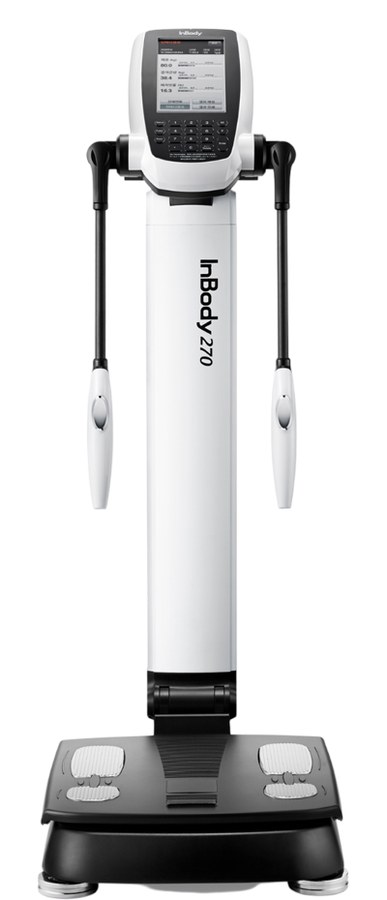
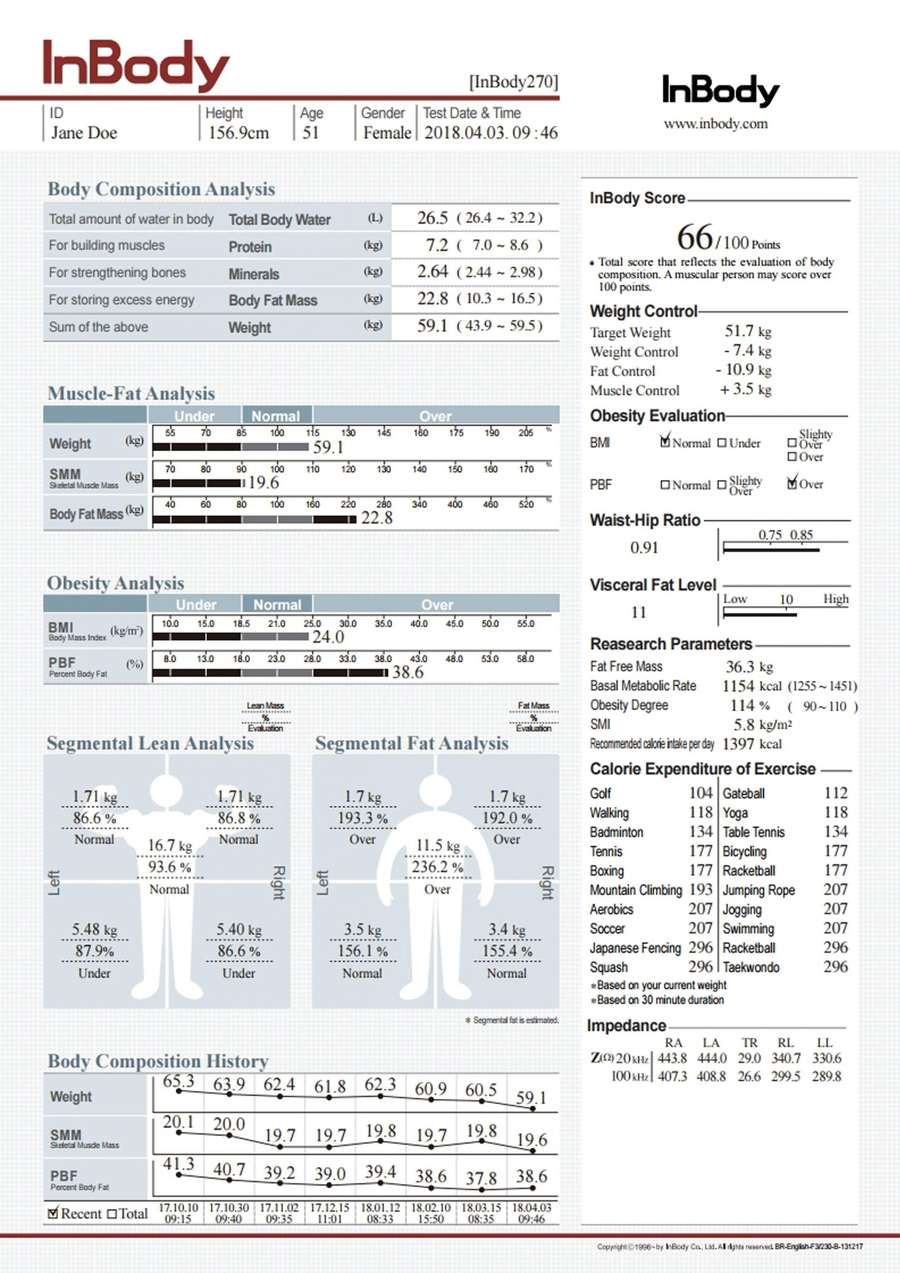
An InBody body composition test measures your Basal Metabolic Rate directly from your body composition data — your skeletal muscle mass, body fat, and total body water. From your BMR, it calculates your metabolic age by comparing your result to population norms for your gender.
More importantly, a repeat test at 3 months and 6 months shows you precisely which levers are working. Is muscle mass increasing? BMR going up? Visceral fat coming down? The data tells you whether your effort is translating into real metabolic change — and what to adjust if it isn’t.
Find Out Your Metabolic Age Today
You cannot lower a number you don’t know. Your metabolic age is one of the most actionable indicators of long-term health available — more predictive than BMI, more specific than scale weight, more honest than how you feel on a given morning.
Six months of consistent resistance training, adequate protein, and proper sleep can make a 35-year-old’s body run like a 28-year-old’s. That is not a marketing claim — it is exercise physiology. The only question is whether you know where you’re starting from.
Find an InBody assessment centre near you. Know your baseline. Then move the number. →
Frequently Asked Questions
What does "metabolic age" mean?
Metabolic age compares your basal metabolic rate (BMR) to the average BMR of your age group. If your metabolism matches that of an older population, your metabolic age is reported as higher than your actual age.
Why do many Indians have a higher metabolic age?
Low muscle mass — often from sedentary lifestyles and inadequate protein intake — lowers BMR, since muscle tissue burns more calories at rest than fat. This is common enough in urban India that a 30-year-old can test with a metabolic age near 50.
How can I lower my metabolic age?
Building muscle through resistance training, eating adequate protein, improving sleep, and reducing visceral fat all raise your resting metabolic rate over time, which directly lowers your calculated metabolic age.

Most trending articles

BCA Test Full Form and Meaning: What It Actually Measures
BCA stands for Body Composition Analysis. What the test measures, how it differs from BMI and DEXA, and why it matters more for Indian bodies.
Corporate Wellness Body Composition Screening in India
BMI-based screening misses the risk in Indian workforces entirely. How to run body composition screening at scale, handle privacy, and use the aggregate data.
Body Composition Testing ROI for Indian Gyms: The Real Case
Members quit because the scale stops moving. Where the return actually comes from, the 5 operational failures that kill it, and how to measure it honestly.