
Body Composition 7 min read
Body Composition Analyser for Physio Clinics: Worth It?
What a body composition analyser adds to a physio or rehab clinic in India: sarcopenia screening, limb trends, progress reports and honest limits.
Reading about body composition? Find an InBody test centre near you →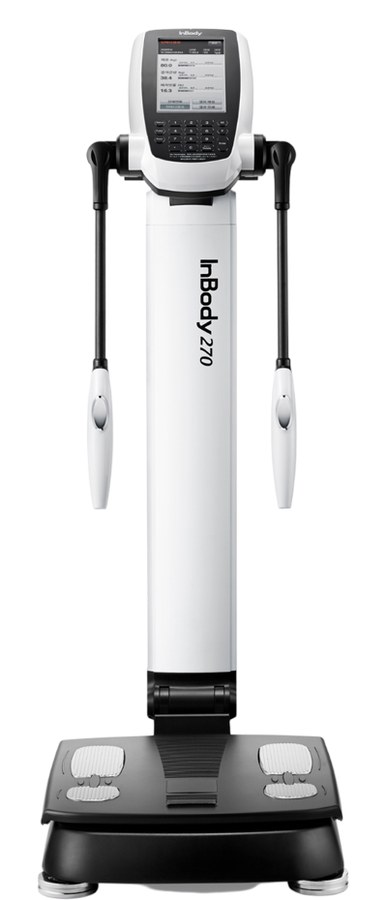
Body Composition Analyser for Physio Clinics: Worth It?
You already measure range of motion, grip strength, gait and pain. A body composition analyser for a physiotherapy clinic adds one more set of numbers: how much lean mass each limb is carrying, how fat and water are distributed, and whether a patient is drifting toward low muscle. The honest question for a clinic owner or head physio is whether those numbers change what you do on Monday morning.
This guide is written for that buyer. It covers four uses that hold up, what the evidence says about sarcopenia screening and limb asymmetry, where bioimpedance is weak (and it is weak in places that matter to physios), how to turn a scan into a progress report, and what to ask a supplier. We have also flagged what the research does not show, because over-promising to patients is how clinics lose trust.
What a Physio Actually Needs From a Scan
Physiotherapy cares about function: can the patient climb stairs, stand from a chair, lift, walk. Body composition is a supporting measurement. It answers different questions:
- Is this patient’s muscle mass low for their age and sex?
- Is lean mass lower in the injured limb than the other side?
- Is swelling masking how much real tissue there is?
- Is the patient making progress that the scale and the mirror cannot show?
Four Uses That Hold Up
1. Sarcopenia screening in older patients
Low muscle mass in older adults is common and under-recognised. A scan gives a quick skeletal muscle index. The AWGS 2019 criteria set bioimpedance cut-offs below 7.0 kg/m² for men and below 5.7 kg/m² for women, and the newer AWGS 2025 consensus requires low muscle mass and low strength for a diagnosis, with physical performance used for monitoring. A scan is a screen. Pair it with grip strength and a chair-stand test. Our post on AWGS 2025 for clinicians sets out the changes, and you should check the primary paper for the exact numeric thresholds before building a protocol. For the wider context, see sarcopenia in India.
2. Segmental lean mass as a trend
Segmental analysis reports lean mass for each arm, each leg and the trunk. For a patient recovering from a long period of immobilisation, a falling or rising lean value in a limb across repeated scans is a useful trend alongside strength and girth measurements.
3. A fluid flag
Extracellular water can inflate lean readings in a swollen limb. InBody’s own guidance notes that swelling after an injury can raise the lean value of the affected segment. Models that report ECW/TBW give you a way to notice this, which is why it is worth reading our ECW ratio guide before interpreting a post-operative limb.
4. A progress report patients keep
This is a practice-building argument rather than a clinical one, and we want to be clear about that: we found no study showing that serial scans improve rehab outcomes or patient retention. What a printout does give a patient is a second marker of progress when pain or strength changes are slow to feel. Whether that helps your clinic is a business judgement for you to make, not a result we can promise.
Where Bioimpedance Is Weak, and Why Physios Should Care
Bioimpedance estimates each limb from electrical measurements. That makes segmental values useful for trends and less useful for fine detail. One comparison of a segmental InBody model against DXA in collegiate female athletes reported limits of agreement of roughly ±0.8 kg for the arms and ±2.6 kg for the legs. In plain terms, a difference of a few hundred grams between your patient’s left and right leg is well inside the error. Another published comparison found that the trunk is the least accurate segment.
The evidence in orthopaedic rehab is mixed. In one small study of patients after anterior cruciate ligament reconstruction, lean mass in the operated and non-operated legs was not significantly different even though strength asymmetry remained on dynamometer testing. The lesson: equal mass does not mean equal strength. Do not claim that bioimpedance detects post-surgical asymmetry reliably, and never use it in place of strength and functional testing.
For tracking change, some evidence is supportive. A study that followed trained adults on a four-week calorie deficit found that a segmental InBody and DXA gave different absolute values but a similar change in body fat percentage. That is a small, short study in trained people, so it supports tracking trends and not generalising to your whole patient base. Our post on DSM-BIA versus single-frequency BIA explains the design.
Test Conditions That Protect Your Numbers
- Same time of day for each repeat scan, ideally morning.
- Similar hydration and recent exercise. Our test preparation guide lists the standard checklist.
- Note swelling, braces and implants in the record, because they affect a segment’s reading.
- Use the same device every time. Different machines are not interchangeable.
Turning a Scan Into a Progress Report
Keep it to a one-page comparison: date, muscle index, segmental lean values, body fat, and the strength tests you already do. Mark the baseline in one colour and the follow-up in another. Add one sentence in plain language about what changed and what comes next. Avoid overinterpreting a small shift between two scans; if a segmental difference is smaller than a kilogram, say it is within the measurement’s error. Our guide to reading the segmental bars helps with explaining the sheet. If a patient has a limb imbalance from training or posture rather than an injury, our muscle imbalance post is a good referral reading.
Which Model Level Fits a Physio Clinic
A portable model suits a small practice that needs flexibility and a quick screen. A clinic that wants segmental water and fluid markers on every patient will look at a higher tier. We do not print prices; request a quote for the specific model after a demo. Our guide to choosing a body composition analyser and the hospital analyser guide compare what each tier adds. We also recommend refreshing your reading on body composition in physical rehabilitation.
What to Ask a Supplier Before Buying
- Which outputs does this exact model report: segmental lean, ECW/TBW, phase angle?
- How long does a scan take, and how much floor space does it need?
- Can reports be stored and compared in software, and exported to your patient records?
- What are the warranty, service and training arrangements in your city?
- Can I see independent validation data, not just a marketing number?
Frequently Asked Questions
Can bioimpedance measure muscle in a swollen or post-operative limb?
Only with caution. Swelling adds extracellular water, which can inflate a segment’s lean value. Use the ECW/TBW ratio and clinical examination to check for oedema, and rely on strength and functional tests rather than the scan alone to judge recovery.
Is a body composition scan enough to diagnose sarcopenia?
No. Current consensus requires low muscle mass and low muscle strength, so a scan should be paired with grip strength and, where relevant, performance tests. The scan screens for low mass; the clinician makes the diagnosis.
How often should I re-scan a rehab patient?
It depends on your protocol and the patient’s goals. We found no evidence-based interval, so choose a consistent rhythm, use the same device and conditions, and document it as clinic practice rather than a guideline.
How accurate is segmental analysis compared with DXA?
Segmental readings track DXA reasonably at group level but have error of the order of hundreds of grams to a couple of kilograms per limb in published comparisons, and the trunk is the least accurate. Treat small left-right differences as within error.
Does it replace a dynamometer or functional tests?
No. Strength and functional tests measure what the patient can do, which is the point of physiotherapy. Body composition adds context on mass, fat and fluid but does not replace them.
Can patients get a scan without buying a machine?
Yes. Patients can visit an InBody test centre; you can send them to the centre locator and ask them to bring the printout to their next session.
See It Before You Decide
If you run a physiotherapy or rehabilitation clinic and want to see how a scan fits your workflow, explore the InBody analyser range or request a demo and quote.
This article is for healthcare professionals and general education. It does not replace clinical assessment or individual medical advice.

Most trending articles
Student Fitness Screening in India: A Guide for Schools
CBSE HPE, Fit India and Khelo India rely on BMI. How schools and colleges can add body composition screening safely, with child caveats and DPDP consent.
Creatine and Your Body Composition Scan: What Changes
Creatine raises body water and lean mass readings within a week on BIA and DXA. What the studies show and how to time your scans to read progress honestly.
Fitness Testing and Body Composition for Sports Academies
A practical fitness testing battery for Indian sports academies: body composition, grip, jumps, sprints, Yo-Yo, Khelo India context and youth maturation.