
Health 13 min read
Can Type 2 Diabetes Be Reversed? India’s Body Composition Answer [2026 Evidence]
Type 2 diabetes is a body composition disease. India has 101 million diabetics. New research shows 50–87% remission rates through fat loss targeting specific thresholds. How body composition testing guides diabetes reversal.
Reading about body composition? Find an InBody test centre near you →![Can Type 2 Diabetes Be Reversed? India’s Body Composition Answer [2026 Evidence]](https://www.inbody.in/blog/wp-content/uploads/2026/07/0-4.webp)
Can Type 2 Diabetes Be Reversed? India’s Body Composition Answer [2026 Evidence]
In 2023, the Indian Council of Medical Research (ICMR) published landmark epidemiological data: India now has 101 million people with Type 2 diabetes — the largest absolute diabetes burden of any nation on earth. Add to that 136 million with pre-diabetes, and over 230 million Indians are on a continuum of metabolic dysfunction that is collectively costing the healthcare system, the economy, and individuals their health and quality of life.
The conventional medical response to Type 2 diabetes is medication management: metformin to start, then additional agents as the disease progresses, eventually insulin. This approach manages blood glucose but does not address the underlying cause. And increasingly, the evidence shows that the underlying cause is not primarily genetic, not inevitable, and critically — it is a body composition problem before it becomes a blood test problem.
The research on Type 2 diabetes reversal through body composition change is now strong enough to shift clinical practice at the highest levels. Landmark trials, Indian-specific data, and a growing global consensus are pointing to the same conclusion: for a significant proportion of Type 2 diabetics, the disease can be reversed — not just managed — through targeted changes in body composition. Here is what the science says, and what it means for 101 million Indian diabetics.
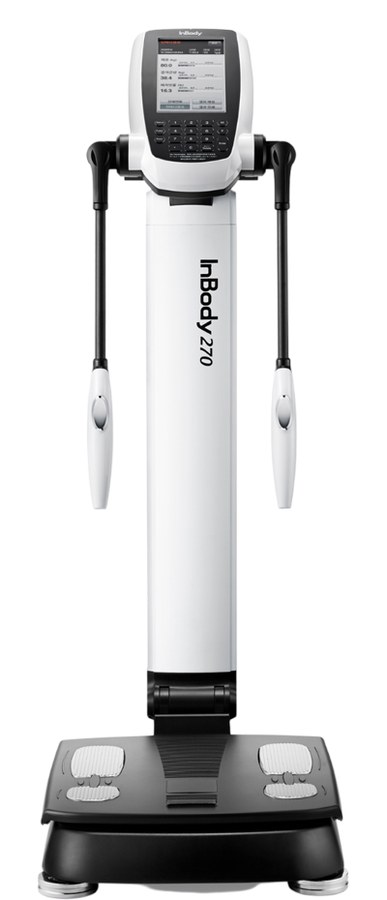
Type 2 Diabetes as a Body Composition Disease
To understand why diabetes reversal through body composition change is possible, you first need to understand what Type 2 diabetes actually is — not at the level of blood glucose, but at the level of fat accumulation in places it should not be.
The pathophysiology begins with ectopic fat: fat deposited in the liver, the pancreas, and within skeletal muscle tissue. The causal chain proceeds as follows:
- Visceral fat accumulation in the abdominal cavity releases free fatty acids into the portal circulation — the blood supply that feeds directly into the liver
- The liver becomes fat-infiltrated (hepatic steatosis), developing insulin resistance and continuing to produce glucose even in the presence of high insulin levels — a process called hepatic gluconeogenesis
- Fat deposits within and around the pancreas directly impair beta cell function — the cells responsible for producing insulin in response to elevated blood glucose
- Skeletal muscle becomes fat-infiltrated (intramyocellular lipid accumulation), dramatically reducing its capacity to take up and dispose of blood glucose
- The pancreas attempts to compensate by producing more insulin, but the progressive impairment of beta cells means it eventually cannot keep up — and chronic hyperglycemia results
This understanding, developed through the groundbreaking work of Professor Roy Taylor at Newcastle University and corroborated by researchers globally including at the Madras Diabetes Research Foundation (MDRF) in Chennai, completely reframes Type 2 diabetes: it is not primarily a disorder of glucose regulation — it is a disorder of ectopic fat exceeding the body’s capacity to safely store and process it. If fat accumulation in the wrong places is the cause, removing that fat is the path to reversal.
The “Personal Fat Threshold” — Why Indians Develop T2DM at Lower Body Weight
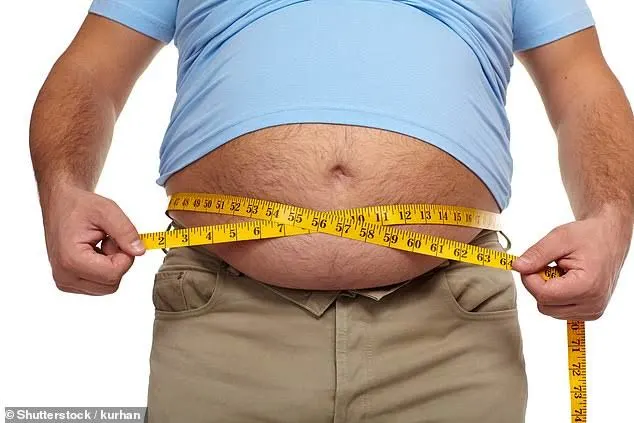
One of the most important concepts for understanding diabetes in India is the personal fat threshold — the individual point at which accumulated fat in the liver and pancreas exceeds that person’s tolerance and begins to impair metabolic function.
This threshold varies dramatically between individuals and between ethnic populations. For most people of European descent, T2DM typically develops at relatively high levels of obesity — BMI above 30 is common at diagnosis. For Indians, the personal fat threshold is often reached at much lower levels of body fat — BMI 23–26, or even lower. This explains several distinctly Indian patterns:
- India has a disproportionately high number of “normal weight diabetics” — people with T2DM at BMI below 25
- Indians develop T2DM on average 10 years younger than Western populations
- Indians with T2DM have higher rates of insulin secretion failure (beta cell dysfunction) relative to insulin resistance, compared to obese Western diabetics
- The ICMR-INDIAB study found that the transition from pre-diabetes to diabetes is faster in Indian populations, suggesting a steeper consequence curve once the personal fat threshold is approached
The implication for reversal is crucial: Indians may achieve T2DM remission with less absolute weight loss than Western populations, because the fat threshold that impaired their beta cells was lower to begin with. Research from the Chennai Diabetes Research Foundation has shown significant metabolic improvement in Indian T2DM patients with 5–10% body weight reduction — substantially less than the 15 kg threshold that drove high remission rates in UK trials. This makes the goal of reversal more attainable for Indian diabetics than the Western literature might suggest.
The Evidence for Reversal: What the Trials Show
The DiRECT Trial (UK)
The landmark Diabetes Remission Clinical Trial (DiRECT), published in The Lancet in 2017 and updated through 2019, provided the highest-quality evidence that T2DM remission through body composition change is achievable at scale. Key findings:
- 46% of participants achieved remission at 12 months (HbA1c below 6.5% without diabetes medication)
- 86% remission rate in those who lost 15 kg or more
- Remission rates correlated directly with degree of fat loss and duration of diabetes — those diagnosed more recently had higher remission probabilities
- At two-year follow-up, 36% remained in remission — demonstrating durability, not just short-term response
- MRI imaging confirmed that liver fat and pancreatic fat reduced in parallel with clinical remission, directly validating the ectopic fat mechanism
Indian-Specific Evidence
The Madras Diabetes Research Foundation and other Indian research groups have been building evidence specific to the Indian T2DM phenotype. Key findings from Indian studies:
- Indian T2DM patients show meaningful beta cell functional recovery with relatively modest fat loss, consistent with the personal fat threshold concept
- Caloric restriction-based intervention in Indian patients with early T2DM achieved remission rates approaching 40–60% in structured programmes
- Bariatric surgery data from Indian cohorts shows remission rates above 80% — with the metabolic improvement preceding significant weight loss, again implicating the fat threshold mechanism
- High-protein dietary interventions specifically designed for Indian dietary patterns (dal, paneer, eggs as protein anchors with significant reduction in rice and refined foods) have shown promising results in Indian clinical settings
VFA: The Body Composition Metric at the Center of Diabetes Reversal
Of all the body composition parameters that InBody measures, Visceral Fat Area (VFA) is the one most directly linked to T2DM — both in terms of causation and reversal. Understanding your VFA is not optional for an Indian diabetic or pre-diabetic; it is central to understanding your disease and tracking its resolution.
Research using InBody and validated against imaging studies has established important VFA thresholds for Indian populations:
- VFA below 80 cm²: Low metabolic risk; insulin sensitivity likely preserved
- VFA 80–100 cm²: Elevated risk zone; early insulin resistance likely present
- VFA above 100 cm²: High risk; strong association with T2DM and impaired beta cell function in Indian populations
- VFA above 130 cm²: Very high risk; associated with significant hepatic fat accumulation and established T2DM
Given that Indians’ personal fat threshold is lower than Western populations, VFA targets for diabetes reversal in Indian patients should also be calibrated at the lower end of these ranges. A target VFA below 85–90 cm² is a reasonable goal for most Indian T2DM patients pursuing reversal.
Tracking VFA reduction over the course of a reversal programme — rather than simply tracking glucose or HbA1c — shows whether the underlying mechanism is being addressed. HbA1c tells you what has happened to your blood glucose over the past 3 months. VFA tells you whether the ectopic fat driving your disease is actually decreasing. Both matter; but for reversal rather than management, VFA is the more informative primary metric.
Skeletal Muscle Mass: The Other Half of the Diabetes Equation
Visceral fat reduction is the primary goal for diabetes reversal. But building skeletal muscle is the equally important and frequently overlooked second pillar. Here’s why:
Skeletal muscle is the body’s largest glucose disposal organ. Under insulin stimulation, muscle takes up and stores glucose as glycogen — accounting for 70–80% of insulin-stimulated glucose disposal in a healthy individual. Low skeletal muscle mass (SMM) means reduced glucose uptake capacity — even if insulin is working perfectly at the receptor level, there is simply less tissue available to absorb blood glucose.
In Indian diabetics, the situation is compounded by the already-lower baseline SMM that characterizes South Asian body composition (the “skinny fat” phenotype discussed in other articles). An Indian T2DM patient with low visceral fat but inadequate skeletal muscle mass remains at elevated metabolic risk — because the glucose disposal mechanism is impaired on two levels: both the fat-driven insulin resistance and the muscle-driven uptake capacity.
The data on muscle and diabetes risk is compelling:
- For every 10% increase in skeletal muscle mass, insulin resistance improves by approximately 11%
- Low muscle mass independently predicts T2DM development, separate from BMI and total fat mass
- Resistance training improves glucose disposal in T2DM patients independent of fat loss — even without significant weight change, building muscle meaningfully improves glycemic control
- Higher muscle mass is associated with lower HbA1c and better long-term diabetes outcomes in Indian T2DM cohorts
This is why an effective Indian diabetes reversal protocol addresses both VFA reduction and SMM building — not one at the expense of the other. A crash diet that strips fat but also degrades muscle (which inevitably happens without adequate protein and resistance training) may improve short-term glucose numbers while worsening the long-term metabolic architecture.
The ECW/TBW Ratio: Tracking the Inflammatory Driver
Chronic low-grade inflammation is an integral part of Type 2 diabetes pathophysiology. Visceral fat secretes inflammatory cytokines (TNF-alpha, IL-6, resistin) that directly worsen insulin resistance, impair beta cell function, and contribute to endothelial dysfunction. The ECW/TBW ratio measured by InBody is a sensitive, validated marker of systemic inflammation.
In T2DM patients, ECW/TBW is often elevated — reflecting the chronic inflammatory state that accompanies ectopic fat accumulation. As a reversal protocol successfully reduces visceral fat, the ECW/TBW ratio should normalize, typically toward values below 0.380. This normalization is a biomarker of improving metabolic environment — confirming that the inflammatory backdrop of the disease is receding alongside the glycemic improvement.
The Body Composition Protocol for Indian T2DM Reversal
Phase 1: Rapid Visceral Fat Reduction (Months 1–3)
The goal of the first phase is to bring liver and pancreatic fat below the personal fat threshold. This requires a meaningful caloric deficit combined with specific dietary composition:
- Caloric target: 500–750 kcal below maintenance, sufficient for 0.5–1 kg of fat loss per week
- Protein priority: 1.6–2.0 g/kg/day to preserve muscle mass during the fat loss phase. For a 70 kg Indian man, this is 112–140g protein daily
- Carbohydrate restructuring: Sharply reduce refined carbohydrates — white rice, maida, packaged snacks, sweetened beverages, fruit juice. These drive the hepatic de novo lipogenesis that fuels visceral fat accumulation. Replace with millets, dal, vegetables, and lower-glycemic whole foods
- Indian-practical meal structure: Dal with vegetables (protein + fiber), small portions of ragi or jowar roti instead of wheat roti, paneer or egg as a protein anchor, curd as a daily staple. Limit rice to one small serving per day maximum in Phase 1
Phase 2: Body Recomposition and Reversal Consolidation (Months 3–12)
Once VFA has dropped meaningfully (target: 15–25% reduction from baseline), the focus shifts to building skeletal muscle while maintaining fat loss momentum:
- Resistance training: 3–4 sessions per week of progressive compound training. Squats, deadlifts, rows, presses. This is the most efficient way to build SMM and independently improve insulin sensitivity
- Aerobic training: 150 minutes per week minimum. Walking, cycling, swimming. Even 10-minute post-meal walks significantly reduce post-prandial glucose spikes — a practical and evidence-based intervention for Indian diabetics
- Caloric adjustment: Shift from aggressive deficit to moderate deficit or maintenance, with continued high protein. Prioritize building muscle without regaining visceral fat
- Medication adjustment: As body composition improves and glucose control improves, work with your physician to reduce medication. This must be done under medical supervision — do not self-adjust diabetes medication
Phase 3: Maintenance and Relapse Prevention (12 months onward)
Remission from T2DM requires active maintenance. The personal fat threshold that caused disease in the first place remains — meaning if visceral fat re-accumulates, hyperglycemia can return. DiRECT trial follow-up data confirmed that those who maintained weight loss maintained remission; those who regained fat lost remission. Quarterly InBody testing during maintenance ensures early warning if VFA trends upward, allowing early intervention before glucose control deteriorates.
Realistic Timelines and Expectations for Indian Diabetics
Based on current clinical evidence and Indian cohort data:
- Pre-diabetics (HbA1c 5.7–6.4%): Reversal to normal glycemia is achievable in 3–6 months with consistent body composition intervention. VFA reduction of 15–20% is typically sufficient
- Early T2DM (HbA1c 6.5–7.5%, diagnosed within 5 years): Remission rates of 40–70% achievable with structured programme over 6–12 months. Higher probability of remission with earlier diagnosis and more aggressive visceral fat reduction
- Established T2DM (HbA1c above 7.5% or duration over 5 years): Complete remission is less likely but partial remission — significant medication reduction, substantially better glucose control, dramatically reduced complication risk — is achievable in most motivated patients
- Long-standing T2DM with beta cell burnout: Full reversal is unlikely, but body composition improvement still delivers meaningful benefits in terms of cardiovascular risk, kidney protection, neuropathy slowing, and quality of life
Why Standard Diabetes Monitoring Misses the Reversal Story
Standard diabetes monitoring — HbA1c every 3 months, fasting glucose, post-prandial glucose — measures the consequence of T2DM, not the cause. A patient who improves their VFA from 140 cm² to 90 cm² over six months of disciplined intervention will see meaningful glucose improvement — but they may also see their glucose numbers improve more slowly than the body composition change would suggest, as the pancreas recovers its function gradually.
Conversely, a patient who improves glucose numbers through medication adjustment but makes no body composition changes is not reversing their disease — they are managing it. The distinction matters for long-term outcomes, medication dependency, and complication risk.
Body composition testing with InBody provides the mechanistic view of what is actually changing in the body: the visceral fat driving hepatic insulin resistance is decreasing, the skeletal muscle driving glucose disposal is increasing, the inflammatory burden reflected in ECW/TBW is normalizing. This is reversal data, not just management data.
India’s Diabetes Reversal Opportunity
India faces a diabetes epidemic of extraordinary scale — but it also has an extraordinary opportunity. Because a significant proportion of Indian T2DM develops at lower fat thresholds, the required body composition change for reversal may be less daunting than Western data suggests. Because India has a cultural tradition of dietary discipline and an increasingly sophisticated awareness of lifestyle medicine, the foundations for large-scale remission-oriented care already exist.
What has been missing is the measurement infrastructure to track body composition — to see whether interventions are actually moving the needle on visceral fat and skeletal muscle, not just on blood glucose numbers that can be influenced by medication alone. InBody provides that infrastructure, at hospitals, clinics, and wellness centers across India, in under five minutes, with clinically validated results.
Start With Your Body Composition Baseline
If you have Type 2 diabetes, pre-diabetes, or a family history that puts you at high risk, a body composition baseline is the most informative single step you can take — more informative, in many ways, than an HbA1c alone. Your Visceral Fat Area tells you how close you are to the ectopic fat threshold driving your disease. Your Skeletal Muscle Mass tells you how much glucose disposal capacity your body has. Together, these numbers give you a precise map of where the problem is and what targeted intervention will address it.
Work with your physician to set VFA and SMM targets. Use InBody testing every 6–8 weeks during active reversal to track progress and calibrate your protocol. Adjust medication under medical supervision as body composition and glucose control improve. And build the habits — the resistance training, the protein intake, the reduction of refined carbohydrates — that will keep you in remission once you achieve it.
Type 2 diabetes reversal is not a miracle. It is not a pharmaceutical innovation waiting to be discovered. It is a body composition project that 101 million Indians deserve to know is possible — and that begins with measuring what actually matters.
Find your nearest InBody test center at inbody.in/locations. Hospitals, metabolic clinics, diabetes care centers, and fitness facilities across India are equipped with InBody analyzers. Take the first step: know your VFA, know your SMM, and begin your reversal with the data that makes the difference.
Frequently Asked Questions
Can Type 2 diabetes actually be reversed?
Research shows meaningful remission is possible for many people, particularly through significant, sustained fat loss — some studies report 50-87% remission rates when specific visceral fat thresholds are crossed.
How much weight loss is needed for diabetes remission?
Studies like the DiRECT trial suggest that losing around 15kg or more, with a focus on reducing visceral and pancreatic fat, produces the highest remission rates, though individual thresholds vary.
Does body composition testing help track diabetes reversal progress?
Yes — tracking visceral fat level alongside blood glucose gives a clearer picture of metabolic improvement than weight alone, since visceral fat reduction is what drives improved insulin sensitivity.

Most trending articles
Hypothyroidism Symptoms in India: Signs Most People Miss
1 in 10 Indian adults has hypothyroidism, and it hides behind ordinary tiredness. The early signs most people blame on stress, age, or a new baby.

वज़न बढ़ाने के लिए क्या खाएं? सही डाइट प्लान (सिर्फ ज़्यादा खाना नहीं)
सिर्फ ज़्यादा खाने से मांसपेशी नहीं बनती, चर्बी बढ़ सकती है। सही कैलोरी सरप्लस, प्रोटीन और डाइट प्लान जो वज़न को सही तरीके से बढ़ाए — पूरी जानकारी हिंदी में।
भारत में प्रोटीन कितना ज़रूरी है? असली आंकड़े और सही फॉर्मूला
IMRB के एक सर्वे में लगभग 73% भारतीय आहार प्रोटीन-कम पाए गए। सही प्रोटीन टारगेट कैसे निकालें और किन फूड्स से पूरा करें — पूरी जानकारी हिंदी में।