
Fitness 28 min read
Steps to Make Your Weight Loss Surgery a Success
Weight loss surgery includes procedures such as sleeve gastrectomy, Roux-en-Y gastric bypass, and adjustable gastric banding. It is one of the most effective medical treatments for severe obesity…
Reading about body composition? Find an InBody test centre near you →
However, surgery alone is not enough for long-term success. Studies show that without proper clinical support, patients may face muscle loss[6] and nutritional deficiencies.[7] Some may also regain weight within three to five years.[8][9] Therefore, long-term success depends on more than just the procedure. It depends on what happens before and after surgery.
| 50–60% Typical excess weight loss after sleeve gastrectomy or gastric bypass[2][3] | About 1 in 3 Of the weight lost after surgery can be fat-free mass (including muscle) rather than fat[10] | About 50% Of gastric bypass patients in a US cohort regained 15% or more of their lowest weight within 5 years of reaching it[8] | 60 sec Time for an InBody body composition scan, the essential tool at every bariatric milestone |
WHO THIS GUIDE IS FOR
This article is written for three clinical audiences: patients preparing for or recovering from bariatric surgery in India; bariatric surgeons, dietitians, and physiotherapists designing structured care programmes; and general practitioners and endocrinologists co-managing patients through the bariatric journey. Recommendations are drawn from published clinical guidelines and peer-reviewed studies (see References) and adapted for the metabolic, dietary, and follow-up challenges that Indian patients may face.
What Does Bariatric Surgery Success Actually Mean?
Before examining the steps to success, it is essential to define what success in bariatric surgery means in clinical terms. The commonly used benchmark of losing more than 50% of excess body weight is a useful starting point.[11] However, it is an incomplete definition. Specifically, it does not address the quality of weight lost: whether it came from fat mass or from lean skeletal muscle tissue. Moreover, it does not confirm whether the patient’s underlying metabolic disease has genuinely resolved, or whether the results are sustainable beyond the initial two-year window.
Furthermore, in the Indian clinical context, the stakes are even higher than in Western populations. In particular, Indian bariatric patients may present with more body fat at a lower BMI,[12] more visceral fat (intra-abdominal fat),[13] pre-existing nutritional deficiencies (vitamin D deficiency, for example, is very common in India),[14] and more significant barriers to sustained follow-up compliance. As a result, a success framework for Indian patients must directly address all of these factors, not simply mirror Western bariatric protocols. Therefore, throughout this guide, true bariatric success is defined as: maximum fat loss with maximum muscle preservation, leading to sustained metabolic disease improvement, durable body composition change, and lasting quality of life.
Phase 1: Pre-Operative Steps, Building the Foundation Before Surgery
Step 1: Get a Baseline Body Composition Scan Before Any Other Assessment
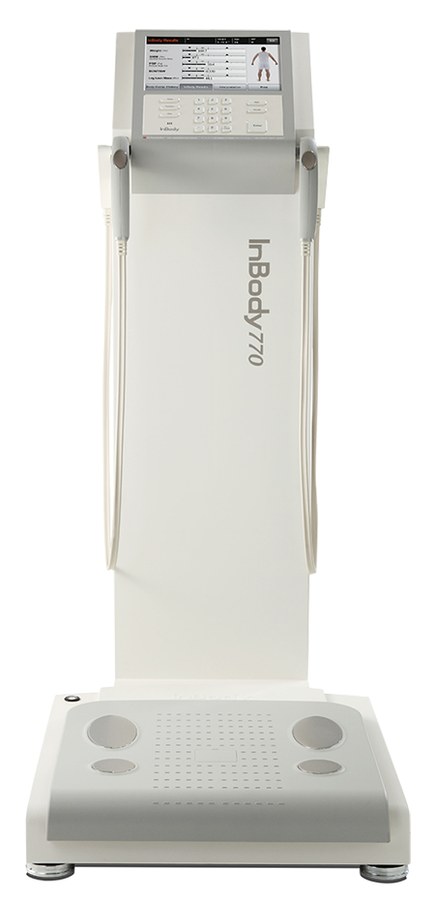
The single most underutilised pre-operative step in Indian bariatric practice is a baseline body composition assessment using InBody technology. Specifically, this 60-second scan identifies the patient’s pre-operative skeletal muscle mass, visceral fat level, body fat percentage, ECW/TBW ratio (an indicator of body-water distribution), and segmental lean analysis. All of these values are critical inputs for surgical risk stratification and for building the individualised post-operative care plan.
Moreover, some bariatric patients arrive at surgical assessment with low skeletal muscle mass, which can reflect protein-poor diets, sedentary lifestyles, and the metabolic effects of long-term obesity. Consequently, patients who begin surgery with already-depleted muscle reserves may be at higher risk of post-surgical sarcopenia: a combination of surgical catabolism, reduced caloric intake, and reduced protein intake and absorption that can cause rapid lean tissue loss in the weeks following the operation, with most fat-free mass loss occurring in the first 3 to 6 months.[6] As a result, every bariatric patient deserves an InBody baseline scan before surgical planning begins, not as an optional extra, but as a foundational clinical step.
PRE-OPERATIVE CLINICAL FLAG
A bariatric patient whose pre-operative InBody scan shows Skeletal Muscle Mass well below the population norm may be at higher risk of post-surgical sarcopenia. Consequently, these patients may benefit from a 4–8 week supervised pre-habilitation programme before the operation: adequate protein intake, individualised by a dietitian, and supervised progressive resistance training about three times per week. This aims to build the muscle reserve that surgery will draw upon during the catabolic post-operative period.
Step 2: Correct Nutritional Deficiencies Before Surgery, Not After
Pre-operative nutritional optimisation is a clinical necessity for Indian bariatric patients. Specifically, many patients already have at least one vitamin or mineral deficiency before surgery,[7] and vitamin D deficiency in particular is very common in India.[14] Such deficiencies are manageable before surgery but can worsen after the reduced absorptive capacity of the post-operative gastrointestinal tract takes effect.[7] Furthermore, uncorrected pre-operative deficiencies can compound post-operative nutritional problems. Therefore, screening for and correcting them before the operation is a sensible clinical strategy.[15]
In addition, the pre-operative period should focus on adequate dietary protein intake, individualised by a dietitian, to build the muscle reserves that surgery depletes (after surgery, guidelines suggest at least 60 g of protein a day and up to 1.5 g/kg of ideal body weight).[15] Moreover, a short, supervised pre-operative very-low-calorie diet can reduce liver size by roughly 5–20% in published studies, although its effect on surgical complications is not yet clear.[16] In practice, a structured pre-operative diet supervised by a bariatric dietitian also sets the nutritional discipline that post-operative success requires.
Step 3: Complete the Full Multidisciplinary Pre-Operative Assessment
Bariatric surgery performed in an accredited Indian centre should be preceded by a comprehensive multidisciplinary pre-operative assessment covering surgical, medical, nutritional, and psychological dimensions, in line with international guidelines.[15] Each component is clinically important. Specifically, the full assessment should include all of the following.
- Bariatric surgeon evaluation: Surgical candidacy review, procedure selection between sleeve gastrectomy and Roux-en-Y gastric bypass, operative risk stratification, and comorbidity assessment including diabetes severity, hypertension status, and obstructive sleep apnoea evaluation.
- Endocrinology or internal medicine review: Optimisation of diabetes management before surgery, thyroid function assessment, cardiovascular risk evaluation, and medication review specifically for drugs requiring dose adjustment after significant weight loss, such as antihypertensives and oral hypoglycaemics.
- Registered dietitian assessment: Full dietary history, macronutrient and micronutrient status evaluation, pre-operative diet prescription, and explicit education on the four-phase post-operative dietary progression protocol.
- Psychological assessment: Evaluation of eating behaviour patterns, including binge eating, emotional eating, and grazing, mental health status, social support system strength, and genuine readiness for permanent lifestyle change. Specifically, psychological and behavioural factors such as emotional eating and binge eating are associated with post-bariatric weight regain,[17] making the pre-operative assessment a valuable moment to identify and begin addressing them.
- InBody baseline body composition scan: Provides the objective body composition data that contextualises all other findings and establishes the reference point for every post-operative measurement.
Step 4: Begin Pre-Habilitation, Especially Resistance Training

Pre-operative exercise training, including resistance training, is a worthwhile and often neglected intervention in bariatric practice. In practice, many bariatric patients are deconditioned before surgery. Furthermore, beginning a supervised exercise programme with a strong resistance training component 4–8 weeks before the operation offers two potential benefits. First, supervised exercise before surgery has been associated with improved body composition and functional capacity in small randomised trials, which may provide a larger reserve to buffer the catabolic lean tissue loss that occurs during surgery and the immediate post-operative period.[18] Second, it improves cardiorespiratory fitness, such as six-minute walk distance and peak oxygen uptake,[19] although evidence that this reduces anaesthetic or surgical risk is still limited.[18]
Moreover, pre-operative exercise establishes the exercise habit and the patient-physiotherapist relationship before surgery, making the critical post-operative exercise progression significantly more achievable for the patient. Specifically, a supervised programme of about three sessions per week, combining bodyweight resistance exercises with regular low-intensity walking, is a practical starting point for most patients.
Phase 2: Post-Operative Steps, the Critical First 12 Weeks
The first 12 weeks after bariatric surgery combine maximum weight-loss momentum with maximum vulnerability to muscle loss, nutritional deficiency, and dehydration. As a result, this phase demands the most disciplined implementation of the programme. In addition, Indian patients face culturally specific challenges in this phase, including carbohydrate-dominant dietary culture, family food expectations, and uneven access to specialist follow-up, which require targeted management strategies.
Step 5: Follow the Dietary Progression Protocol Without Any Deviation
Post-operative dietary progression follows a structured four-phase protocol (exact timings vary between surgeons and centres) that should be followed closely.[15] Specifically, skipping phases or eating the wrong food types can cause dumping syndrome, anastomotic stress, wound complications, and nutritional deficiency. Moreover, deviation from this protocol can lead to avoidable post-operative problems. Consequently, every patient should receive explicit written guidance on this protocol before leaving the hospital, and every follow-up appointment should review compliance in detail.
| Phase[15] | Duration | Permitted Foods | Key Clinical Priority | Typical Daily Protein Target |
|---|---|---|---|---|
| Phase 1: Clear Liquids | Days 1–3 post-op | Water, clear broths, diluted coconut water (no carbonation, no straws) | Hydration minimum 1.5 L fluids/day; sip slowly throughout the day | 20–30 g via prescribed supplements |
| Phase 2: Full Liquids | Days 4–14 | Protein shakes, thinned dal, buttermilk, low-fat curd, blended soups with no solid pieces | Begin protein loading: protein at every meal and snack from day 4 onward | 40–60 g, increasing daily toward a 60 g minimum |
| Phase 3: Soft / Pureed | Weeks 3–6 | Soft-cooked dal, scrambled eggs, soft paneer, mashed fish, curd, yoghurt | Introduce texture gradually; chew thoroughly; stop eating before fullness | 60–80 g; protein is the first food at every meal without exception |
| Phase 4: Regular Foods | Week 7 onward | All soft proteins, cooked vegetables, small complex carbohydrates at the end of the plate | Protein-first eating permanently; eliminate added sugar; avoid all liquid calories | At least 60 g daily and up to 1.5 g/kg of ideal body weight, as set by the dietitian; a lifelong target |
Step 6: Make Protein the Absolute Foundation of Every Single Meal
The most important nutritional principle for long-term bariatric surgery success before and after surgery is protein-first eating. Specifically, because the post-operative stomach accommodates only small volumes, every meal must prioritise protein above carbohydrates and fat. This is not a dietary preference. It is a clinical necessity. Adequate protein intake is associated with better preservation of fat-free mass during rapid post-operative weight loss.[20] Skeletal muscle is a key tissue for insulin sensitivity,[21] and it also contributes to resting metabolic rate, physical function, and the patient’s ability to sustain their results.
Furthermore, the Indian dietary culture creates specific challenges for protein-first eating. In particular, traditional Indian meals are often carbohydrate-dominant, with rice, roti, and bread forming the centrepiece with protein consumed in smaller accompanying portions. As a result, Indian bariatric patients require explicit, personalised dietary counselling on restructuring their entire meal architecture: protein occupies 50% of the plate and is eaten first, vegetables second, and carbohydrates only if any stomach capacity remains. Moreover, the daily protein target (at least 60 g, and up to 1.5 g/kg of ideal body weight, as set by the dietitian[15]) should be tracked and reported at every follow-up because protein intake is one of the main modifiable factors influencing how much weight loss comes from lean tissue.[20]

Step 7: Begin the Lifelong Supplement Protocol Immediately After Surgery
Nutritional supplementation after bariatric surgery is not optional; it is a long-term clinical requirement.[15] Specifically, the reduced stomach volume and altered gastrointestinal anatomy after sleeve gastrectomy and gastric bypass can impair the absorption of multiple critical micronutrients.[7] Consequently, without structured supplementation, bariatric patients can develop deficiencies that may cause anaemia, bone disease, and nerve damage. Moreover, many patients, including many in India, enter surgery already deficient in at least one vitamin or mineral, meaning these deficiencies can worsen in the post-operative period without prompt intervention.

- Multivitamin with minerals and iron: Guidelines recommend two adult multivitamin-plus-mineral supplements daily after sleeve gastrectomy or gastric bypass (each containing iron, folic acid, and thiamine), in chewable form initially.[15] Your bariatric dietitian will advise on the exact product.
- Calcium citrate: 1,200–1,500 mg of elemental calcium daily from diet and supplements together, given in divided doses.[15] Calcium is usually given as citrate after gastric bypass; carbonate, if used, should be taken with meals.
- Vitamin D3: at least 3,000 IU daily, titrated to keep serum 25-OHD above 30 ng/mL; up to 6,000 IU daily may be needed to correct a deficiency.[15] The dose should be guided by regular blood testing.
- Vitamin B12: 350–1,000 mcg daily as an oral, sublingual, or liquid preparation, or 1,000 mcg by intramuscular injection monthly.[15] B12 absorption can be reduced after gastric bypass, so levels are monitored and the route is changed if the oral dose does not keep levels in the normal range.
- Elemental iron: 45–60 mg daily in total (from all vitamin and mineral supplements) for menstruating women and for patients after sleeve gastrectomy or gastric bypass; 18 mg from the multivitamin is the baseline for men and for patients with no history of anaemia.[15] Iron status, including serum ferritin, should be checked regularly (within 3 months of surgery, every 3 to 6 months until 12 months, then yearly), and the dose adjusted based on results.
- Folate: 400–800 mcg daily from the multivitamin, and 800–1,000 mcg daily for women of childbearing age, as folate supplementation reduces the risk of neural tube defects.[15] Women planning a pregnancy after bariatric surgery should review their nutritional status with their team.
Step 8: Begin Resistance Exercise at Week 6, Not When You Feel Ready

Post-operative exercise progression is one of the most clinically important and most poorly managed aspects of bariatric aftercare in India. Specifically, many patients delay resistance training citing fatigue, discomfort, or the belief that the surgery itself is doing the work and exercise can wait. In reality, muscle is lost rapidly after surgery, with most fat-free mass loss occurring within the first 3 to 6 months,[6] so delaying resistance training beyond surgical clearance forgoes time in which it could help. Furthermore, this muscle loss may be particularly harmful in patients who already present with low muscle mass before surgery.
Therefore, a typical post-operative exercise progression is as follows: walking begins on day one post-operatively; 20–30 minutes of daily low-intensity walking from week two; light resistance training using bodyweight exercises and resistance bands from week six with surgeon clearance; progressive resistance training with external load from weeks ten to twelve. Guidelines recommend at least 150 minutes of moderate aerobic activity per week, working towards 300 minutes, plus strength training two to three times a week.[15] Moreover, resistance training should be a core part of the exercise programme, because in a systematic review it consistently prevented loss of strength after bariatric surgery, and in younger patients it also prevented lean mass loss.[22] In one randomised trial, however, resistance training with extra protein improved strength but did not significantly reduce lean mass loss.[23]
Phase 3: Long-Term Success, Month 3 Through Year 5 and Beyond
Long-term bariatric success, sustaining weight loss and metabolic improvement beyond the two-year mark, requires a fundamentally different strategy from the acute post-operative phase. In particular, the rapid weight loss of the first 12–24 months slows and eventually plateaus.[8] As a result, patients who have relied primarily on surgical restriction as their weight-control mechanism must now transition to genuine lifestyle-based maintenance. This transition is the most critical and most frequently missed inflexion point in the entire bariatric journey.
Step 9: Monitor Body Composition, Not Just Weight, at Every Follow-Up
The most common and most consequential error in long-term bariatric monitoring is treating the weighing scale as the primary outcome measure. However, weight alone is clinically misleading after bariatric surgery for one fundamental reason: it cannot distinguish fat loss from muscle loss. As a result, a patient whose scale reading rises from 80 to 85 kg at 18 months may be gaining muscle (a positive outcome) or regaining fat (an urgent clinical signal). Without body composition data, neither the patient nor the clinician can determine which is happening.
Therefore, as described by Dr Raj Palaniappan, Director and Lead Bariatric Surgeon at Apollo Hospital Chennai (in an account published by InBody India), InBody body composition scans can complement the weighing scale as a monitoring tool at follow-up appointments. Small published studies suggest that multi-frequency bioimpedance (including the InBody 230) agrees reasonably well with reference methods in bariatric patients, although it can underestimate visceral fat and may track the percentage change in muscle less reliably.[24][25] Specifically, the markers tracked can include Skeletal Muscle Mass trend vs pre-operative baseline, Visceral Fat Level trajectory, Body Fat Percentage, ECW/TBW ratio, and InBody Score. Furthermore, these are best assessed as trends over serial scans, not as isolated point-in-time values, because it is the direction of change that reveals whether the patient is succeeding or deteriorating.
RECOMMENDED INBODY BARIATRIC MONITORING TIMELINE
Pre-operative baseline: 4–8 weeks before surgery establishes SMM, VFL, ECW/TBW, and BFP baseline
1 month post-op: Quantifies early muscle loss; ECW/TBW monitors post-surgical inflammation
3 months post-op: Evaluates fat vs lean loss ratio; assesses resistance training effect on SMM
6 months post-op: Major body composition review; confirms fat-dominant weight loss pattern
12 months post-op: Full annual assessment; SMM vs pre-operative baseline; InBody Score trend
Every 6 months thereafter: Lifelong monitoring to detect fat regain before it becomes visible on the scale
Step 10: Attend Every Follow-Up Appointment. Guidelines Recommend Regular Monitoring
Clinical guidelines recommend regular post-operative follow-up, with the schedule depending on the procedure and the patient’s comorbidities.[15] The evidence linking attendance to weight-loss outcomes is mixed. Specifically, in a large US registry of 51,081 patients, complete follow-up at 3, 6, and 12 months was independently associated with better 12-month weight loss.[26] However, a Dutch study found no difference in weight loss at 3 to 5 years between patients who attended follow-up and those who did not, although the attending group had more comorbidities and vitamin deficiencies.[27] Moreover, follow-up matters for reasons beyond weight loss, including monitoring of nutritional status and diabetes medication needs.[15]
However, follow-up compliance can be challenging, including in India. Specifically, barriers including travel distance,[28] working hours, family obligations, and private healthcare consultation costs can make regular in-person follow-up difficult for many Indian bariatric patients. As a result, Indian bariatric programmes should consider hybrid follow-up models combining in-person InBody scan appointments with WhatsApp-based check-ins, telehealth consultations, and digital result sheet review to reduce access barriers without reducing clinical quality; guidelines support ongoing support groups, self-monitoring, and mobile technologies.[15]
Step 11: Address the Psychological Dimension: Eating Behaviour Drives Long-Term Outcomes
Weight regain after bariatric surgery is rarely a nutritional failure alone. In fact, a systematic review of mostly cross-sectional studies found that dietary non-adherence, psychological factors (such as depression, anxiety, emotional eating, and binge eating), and lifestyle behaviours such as physical inactivity were associated with weight regain, although causality cannot be inferred.[17] Some of these behaviours, including emotional eating, grazing between meals, and binge eating, may have been present before surgery and not adequately addressed through pre-operative psychological assessment and counselling.
Consequently, ongoing psychological and behavioural support is a clinical component of bariatric aftercare, not an optional wellness add-on: a meta-analysis of randomised trials found greater weight loss with post-operative behavioural management than with usual care, although the studies were small and varied.[29] Specifically, all bariatric patients should have access to a psychologist or counsellor experienced in bariatric care throughout the post-operative period. Furthermore, the Indian psychosocial context adds specific dimensions that require clinical attention, including family meal culture, festival foods, the emotional significance of food in Indian households, and the social pressure to eat generously. As a result, Indian bariatric programmes must address these cultural barriers explicitly in post-operative behavioural counselling, rather than applying generic Western dietary guidance to a distinctly Indian cultural context.
Step 12: Treat Surgery as the Beginning of a Permanent Transformation, Not the Finish Line
The final and most important step is a fundamental shift in perspective, one that must be established before surgery and reinforced continuously throughout the post-operative journey. Specifically, bariatric surgery is a powerful metabolic tool. However, it is a tool, not a cure. In other words, it creates the physiological conditions that make weight loss possible: reduced stomach capacity, altered hunger hormone signalling, and improved insulin sensitivity. Nevertheless, it cannot generate the dietary discipline, exercise habit, psychological resilience, or monitoring commitment that long-term success requires. Those must be built by the patient and sustained for life.
As a result, educating patients on this distinction before surgery is not motivational language; it is a clinically significant intervention. In contrast, patients who view surgery as a cure rather than a beginning may be less likely to sustain the monitoring, nutrition, and exercise habits that long-term success requires, and weight regain and, in some patients, relapse of Type 2 diabetes can occur over the years after surgery.[4][8] Moreover, those who understand it as the starting point of a permanent, monitored lifestyle transformation supported by regular body composition data, structured nutrition, progressive exercise, and sustained clinical engagement achieve and maintain the outcomes that bariatric surgery makes possible.
The Role of InBody Across the Entire Bariatric Journey
As described by Dr Raj Palaniappan at Apollo Hospital Chennai (in an account published by InBody India, not peer-reviewed), InBody body composition analysis is used at his centre to move surgical weight management from a scale-based approach towards a more data-driven one. Furthermore, its role can extend across the steps described in this guide, from pre-operative risk stratification through long-term maintenance monitoring.
| Bariatric Phase | InBody Markers Tracked | Clinical Decision Enabled |
|---|---|---|
| Pre-operative baseline | SMM vs norm, VFL, ECW/TBW, Body Fat % | Identifies sarcopenia risk; establishes the reference point for all post-operative comparisons; guides pre-habilitation targets |
| Surgical risk stratification | VFL, Trunk Fat Mass, ECW/TBW ratio | Elevated VFL and ECW/TBW may signal higher operative complexity; can inform anaesthetic approach and surgical planning |
| 1-month post-operative | SMM change from baseline, ECW/TBW trend | Quantifies early muscle loss; ECW/TBW elevation may reflect fluid shifts or ongoing post-surgical inflammation; triggers protein protocol adjustment |
| 3–6 month monitoring | Fat vs lean mass loss ratio, VFL trajectory | Confirms fat-dominant weight loss; detects excessive muscle loss requiring exercise and protein prescription adjustment |
| 12-month annual review | InBody Score trend, SMM vs pre-op baseline, VFL | Comprehensive metabolic outcome review; detects fat regain before it registers on the weighing scale |
| Long-term maintenance[30] | SMI for sarcopenia screening, ECW/TBW, InBody Score | Lifelong sarcopenia surveillance; chronic inflammation monitoring; long-term metabolic disease risk tracking |
Case Example: From High-Risk Pre-Op to Complete T2DM Remission at 12 Months
A 38-year-old woman from Chennai presented for sleeve gastrectomy with a BMI of 36, Type 2 diabetes managed with metformin and insulin, and hypertension. Her pre-operative InBody 770 scan revealed Skeletal Muscle Mass 4.8 kg below population norm, flagging her as potentially high-risk for post-surgical sarcopenia. Furthermore, her Visceral Fat Level was 17 (severely elevated), and her ECW/TBW ratio was 0.394 (above the usual reference range, which can reflect fluid imbalance or inflammation). This case is as published by InBody India and attributed to the practice of Dr Raj Palaniappan at Apollo Hospital Chennai; it is a single case report and has not been peer reviewed.
In response, a structured 6-week pre-habilitation programme was initiated before surgery: 30 g protein supplementation twice daily, supervised progressive resistance training three times per week, and Vitamin D3 10,000 IU daily with monthly B12 injections. As a result, her 6-week pre-operative InBody scan showed SMM increased by 1.8 kg, ECW/TBW reduced to 0.388, and Vitamin D levels normalised from deficient to optimal. Subsequently, she underwent sleeve gastrectomy with significantly reduced sarcopenic risk. Post-operative quarterly InBody scans guided protein targets and resistance training progression throughout the full 12-month recovery period.
| 92% Of total weight loss came from fat, not lean muscle tissue | VFL 17 → 5 Visceral Fat Level reduced 12 units into the low-risk zone | 100% Follow-up compliance at all four quarterly scan appointments | Complete T2DM remission at 12 months, insulin and metformin both discontinued |
This case illustrates what structured, body composition-monitored bariatric care can look like. Furthermore, it suggests how pre-habilitation and serial InBody monitoring might help limit lean tissue loss, although a single case cannot show that the same patient would have done worse without them, and individual results vary.
Frequently Asked Questions
Both sleeve gastrectomy and Roux-en-Y gastric bypass provide excellent outcomes for appropriately selected patients in India. Sleeve gastrectomy was the most commonly performed procedure in India in national survey data up to 2018[31] and, in one meta-analysis of randomised trials, was associated with fewer post-operative complications and re-operations,[32] while gastric bypass has produced greater weight loss at 1 to 5 years in a larger meta-analysis of randomised trials, with no clear difference in Type 2 diabetes remission,[33] and usually needs closer nutritional monitoring. The best procedure depends on the patient’s BMI, comorbidities, eating patterns, and surgical assessment, and should always be decided through a formal pre-operative evaluation.
During rapid post-operative weight loss, some loss of lean tissue is unavoidable: in pooled trial data, roughly one-third of the weight lost after bariatric surgery was fat-free mass.[10] Adequate protein intake (at least 60 g/day, and up to 1.5 g/kg of ideal body weight[15]) is associated with better preservation of fat-free mass,[20] and resistance training helps preserve strength.[22] Therefore, serial body composition scans such as InBody can help verify whether weight loss is fat-dominant or lean-tissue-dominant, something a regular weighing scale cannot detect.
Weight regain often begins around 18–24 months after bariatric surgery, once the lowest weight has been reached.[34][8] In a US gastric bypass cohort, about half of patients regained 15% or more of their lowest weight within 5 years of reaching it,[8] although regaining all of the lost weight is uncommon (in a veterans cohort, only 3.4% of gastric bypass patients were back within 5% of their starting weight at 10 years).[35] Serial body composition monitoring may help detect rising fat mass earlier, allowing timely diet and exercise interventions to limit regain.
According to InBody India, InBody is used in bariatric and metabolic care at hospitals in India, including Apollo Hospital Chennai, for pre- and post-surgery monitoring of fat, muscle, and metabolic outcomes. According to Raj Palaniappan, InBody helps shift bariatric care from simple weight loss to measurable metabolic health management at every stage.
In India, bariatric surgery eligibility follows Asian clinical guidelines. Indian consensus guidance has recommended surgery for patients with BMI ≥32.5 with obesity-related comorbidities such as Type 2 Diabetes, hypertension, or obstructive sleep apnoea (or BMI ≥37.5 without them),[36] while the 2022 ASMBS/IFSO guidelines state that Asian patients with a BMI above 27.5 should be offered surgery.[37] These lower thresholds reflect evidence that Asian populations, including Indians, have more body fat and higher metabolic risk at a lower BMI than Western populations, so metabolic risk relates more to body composition than BMI alone.[38][12] However, final surgical candidacy must be determined through a comprehensive multidisciplinary pre-operative assessment, as BMI alone is not a reliable decision criterion for Indian patients.
Key Takeaways: 12 Steps to Weight Loss Surgery Success
- True bariatric success means maximum fat loss with maximum muscle preservation, not weight loss alone. A scale cannot show you what is occurring. An InBody body composition scan can.
- Pre-operative preparation is as important as post-operative management: baseline InBody scan, nutritional deficiency correction, full multidisciplinary assessment, and pre-habilitation resistance training all help set patients up for better outcomes.
- The four-phase dietary progression must be followed in sequence; skipping or rushing any phase can cause serious and preventable post-operative complications.
- Protein-first eating (at least 60 g/day, as set by your dietitian) and progressive resistance training from week 6 are two key pillars of muscle preservation during the weight-loss phase and important contributors to long-term metabolic success.
- Lifelong supplementation with B12, calcium citrate, Vitamin D3, iron, folate, and a multivitamin with minerals must begin soon after surgery and continue long term, as directed by the care team.
- Regular follow-up is part of standard bariatric care: guidelines recommend a schedule based on the procedure and comorbidities, and complete early follow-up has been linked to better first-year weight loss.
- Serial InBody scans at every follow-up tracking SMM, VFL, Body Fat %, ECW/TBW, and InBody Score are one objective way to help confirm that bariatric outcomes are on track across every phase of the journey.
Make Every Phase of Your Bariatric Journey Count
Bariatric surgery creates the conditions for transformative, lasting health change. However, the transformation itself (sustained fat loss, preserved muscle mass, metabolic disease remission, and improved quality of life) depends largely on what happens before and after the operation. InBody body composition analysis is the clinical monitoring tool that makes every post-operative decision precise, every intervention targeted, and every outcome measurable.
Find an InBody Scanner Near You
References
- Chang SH, Stoll CR, Song J, Varela JE, Eagon CJ, Colditz GA. The effectiveness and risks of bariatric surgery: an updated systematic review and meta-analysis, 2003-2012. JAMA Surg. 2014;149(3):275-287. PubMed · DOI
- Buchwald H, Avidor Y, Braunwald E, Jensen MD, Pories W, Fahrbach K, et al. Bariatric surgery: a systematic review and meta-analysis. JAMA. 2004;292(14):1724-1737. PubMed · DOI
- Salminen P, Helmiö M, Ovaska J, Juuti A, Leivonen M, Peromaa-Haavisto P, et al. Effect of Laparoscopic Sleeve Gastrectomy vs Laparoscopic Roux-en-Y Gastric Bypass on Weight Loss at 5 Years Among Patients With Morbid Obesity: The SLEEVEPASS Randomized Clinical Trial. JAMA. 2018;319(3):241-254. PubMed · DOI
- Mingrone G, Panunzi S, De Gaetano A, Guidone C, Iaconelli A, Capristo E, et al. Metabolic surgery versus conventional medical therapy in patients with type 2 diabetes: 10-year follow-up of an open-label, single-centre, randomised controlled trial. Lancet. 2021;397(10271):293-304. PubMed · DOI
- Schauer PR, Bhatt DL, Kirwan JP, Wolski K, Aminian A, Brethauer SA, et al. Bariatric Surgery versus Intensive Medical Therapy for Diabetes – 5-Year Outcomes. N Engl J Med. 2017;376(7):641-651. PubMed · DOI
- Nuijten MAH, Monpellier VM, Eijsvogels TMH, Janssen IMC, Hazebroek EJ, Hopman MTE. Rate and Determinants of Excessive Fat-Free Mass Loss After Bariatric Surgery. Obes Surg. 2020;30(8):3119-3126. PubMed · DOI
- Parrott J, Frank L, Rabena R, Craggs-Dino L, Isom KA, Greiman L. American Society for Metabolic and Bariatric Surgery Integrated Health Nutritional Guidelines for the Surgical Weight Loss Patient 2016 Update: Micronutrients. Surg Obes Relat Dis. 2017;13(5):727-741. PubMed · DOI
- King WC, Hinerman AS, Belle SH, Wahed AS, Courcoulas AP. Comparison of the Performance of Common Measures of Weight Regain After Bariatric Surgery for Association With Clinical Outcomes. JAMA. 2018;320(15):1560-1569. PubMed · DOI
- Courcoulas AP, King WC, Belle SH, Berk P, Flum DR, Garcia L, et al. Seven-Year Weight Trajectories and Health Outcomes in the Longitudinal Assessment of Bariatric Surgery (LABS) Study. JAMA Surg. 2018;153(5):427-434. PubMed · DOI
- Busk-Cirera L, Carlsen IØ, Madsen LB, Sandsdal RM, Jensen E, Jensen SBK, et al. Effects of Incretin-Based Therapies, Diet and Exercise Interventions, and Bariatric Surgery on Fat-Free Mass in Adults With Overweight or Obesity: A Systematic Review and Meta-Analysis. Diabetes Obes Metab. 2026;28(9):7737-7751. PubMed · DOI
- van de Laar AW, van Rijswijk AS, Kakar H, Bruin SC. Sensitivity and Specificity of 50% Excess Weight Loss (50%EWL) and Twelve Other Bariatric Criteria for Weight Loss Success. Obes Surg. 2018;28(8):2297-2304. PubMed · DOI
- Deurenberg P, Deurenberg-Yap M, Guricci S. Asians are different from Caucasians and from each other in their body mass index/body fat per cent relationship. Obes Rev. 2002;3(3):141-146. PubMed · DOI
- Misra A, Chowbey P, Makkar BM, Vikram NK, Wasir JS, Chadha D, et al. Consensus statement for diagnosis of obesity, abdominal obesity and the metabolic syndrome for Asian Indians and recommendations for physical activity, medical and surgical management. J Assoc Physicians India. 2009;57:163-170. PubMed
- G R, Gupta A. Vitamin D deficiency in India: prevalence, causalities and interventions. Nutrients. 2014;6(2):729-775. PubMed · DOI
- Mechanick JI, Apovian C, Brethauer S, Garvey WT, Joffe AM, Kim J, et al. Clinical practice guidelines for the perioperative nutrition, metabolic, and nonsurgical support of patients undergoing bariatric procedures – 2019 update: cosponsored by American Association of Clinical Endocrinologists/American College of Endocrinology, The Obesity Society, American Society for Metabolic & Bariatric Surgery, Obesity Medicine Association, and American Society of Anesthesiologists. Surg Obes Relat Dis. 2020;16(2):175-247. PubMed · DOI
- Holderbaum M, Casagrande DS, Sussenbach S, Buss C. Effects of very low calorie diets on liver size and weight loss in the preoperative period of bariatric surgery: a systematic review. Surg Obes Relat Dis. 2018;14(2):237-244. PubMed · DOI
- Althumiri NA, Bindhim NF, Al-Rayes SA, Alumran A. A Systematic Review Exploring Dietary Behaviors, Psychological Determinants and Lifestyle Factors Associated with Weight Regain After Bariatric Surgery. Healthcare (Basel). 2024;12(22):2243. PubMed · DOI
- Herrera-Santelices A, Argüello-Florencio G, Westphal G, Nardo Junior N, Zamunér AR. Effects of Supervised Physical Exercise as Prehabilitation on Body Composition, Functional Capacity and Quality of Life in Bariatric Surgery Candidates: A Systematic Review and Meta-Analysis. J Clin Med. 2022;11(17):5091. PubMed · DOI
- Simancas-Racines D, Parise-Vasco JM, Angamarca-Iguago J, Cuzco-Macias AC, Soria C, Tramontano S, et al. Effects of Preoperative Exercise Interventions in Patients Undergoing Metabolic and Bariatric Surgery: A Systematic Review and Meta-Analysis. J Clin Med. 2025;14(17):6170. PubMed · DOI
- Abiri B, Valizadeh M, Seifi Z, Amini S, Haidari F. The role of nutritional factors in fat-free mass preservation and body composition changes after bariatric surgery: a systematic review of the available evidence. Eat Weight Disord. 2025;30(1):51. PubMed · DOI
- DeFronzo RA, Tripathy D. Skeletal muscle insulin resistance is the primary defect in type 2 diabetes. Diabetes Care. 2009;32 Suppl 2:S157-63. PubMed · DOI
- Morales-Marroquin E, Kohl HW, Knell G, de la Cruz-Muñoz N, Messiah SE. Resistance Training in Post-Metabolic and Bariatric Surgery Patients: a Systematic Review. Obes Surg. 2020;30(10):4071-4080. PubMed · DOI
- Oppert JM, Bellicha A, Roda C, Bouillot JL, Torcivia A, Clement K, et al. Resistance Training and Protein Supplementation Increase Strength After Bariatric Surgery: A Randomized Controlled Trial. Obesity (Silver Spring). 2018;26(11):1709-1720. PubMed · DOI
- Beato GC, Ravelli MN, Crisp AH, de Oliveira MRM. Agreement Between Body Composition Assessed by Bioelectrical Impedance Analysis and Doubly Labeled Water in Obese Women Submitted to Bariatric Surgery: Body Composition, BIA, and DLW. Obes Surg. 2019;29(1):183-189. PubMed · DOI
- Lee JK, Park YS, Kim K, Oh TJ, Chang W. Comparison of Bioelectrical Impedance Analysis and Computed Tomography on Body Composition Changes Including Visceral Fat After Bariatric Surgery in Asian Patients with Obesity. Obes Surg. 2021;31(10):4243-4250. PubMed · DOI
- Spaniolas K, Kasten KR, Celio A, Burruss MB, Pories WJ. Postoperative Follow-up After Bariatric Surgery: Effect on Weight Loss. Obes Surg. 2016;26(4):900-903. PubMed · DOI
- Reiber BMM, Leemeyer AR, Bremer MJM, de Brauw M, Bruin SC. Weight Loss Results and Compliance with Follow-up after Bariatric Surgery. Obes Surg. 2021;31(8):3606-3614. PubMed · DOI
- Monfared S, Martin A, Selzer D, Butler A. Travel distance reduces follow-up compliance but has no effect on long-term weight loss success in bariatric patients. Surg Endosc. 2021;35(4):1579-1583. PubMed · DOI
- Rudolph A, Hilbert A. Post-operative behavioural management in bariatric surgery: a systematic review and meta-analysis of randomized controlled trials. Obes Rev. 2013;14(4):292-302. PubMed · DOI
- Chen LK, Woo J, Assantachai P, Auyeung TW, Chou MY, Iijima K, et al. Asian Working Group for Sarcopenia: 2019 Consensus Update on Sarcopenia Diagnosis and Treatment. J Am Med Dir Assoc. 2020;21(3):300-307.e2. PubMed · DOI
- Bhasker AG, Prasad A, Raj PP, Wadhawan R, Khaitan M, Agrawal AJ, et al. Trends and progress of bariatric and metabolic surgery in India. Updates Surg. 2020;72(3):743-749. PubMed · DOI
- Zhao H, Jiao L. Comparative analysis for the effect of Roux-en-Y gastric bypass vs sleeve gastrectomy in patients with morbid obesity: Evidence from 11 randomized clinical trials (meta-analysis). Int J Surg. 2019;72:216-223. PubMed · DOI
- Uhe I, Douissard J, Podetta M, Chevallay M, Toso C, Jung MK, et al. Roux-en-Y gastric bypass, sleeve gastrectomy, or one-anastomosis gastric bypass? A systematic review and meta-analysis of randomized-controlled trials. Obesity (Silver Spring). 2022;30(3):614-627. PubMed · DOI
- Magro DO, Geloneze B, Delfini R, Pareja BC, Callejas F, Pareja JC. Long-term weight regain after gastric bypass: a 5-year prospective study. Obes Surg. 2008;18(6):648-651. PubMed · DOI
- Maciejewski ML, Arterburn DE, Van Scoyoc L, Smith VA, Yancy WS, Weidenbacher HJ, et al. Bariatric Surgery and Long-term Durability of Weight Loss. JAMA Surg. 2016;151(11):1046-1055. PubMed · DOI
- Behl S, Misra A. Management of obesity in adult Asian Indians. Indian Heart J. 2017;69(4):539-544. PubMed · DOI
- Eisenberg D, Shikora SA, Aarts E, Aminian A, Angrisani L, Cohen RV, et al. 2022 American Society of Metabolic and Bariatric Surgery (ASMBS) and International Federation for the Surgery of Obesity and Metabolic Disorders (IFSO) Indications for Metabolic and Bariatric Surgery. Obes Surg. 2023;33(1):3-14. PubMed · DOI
- WHO Expert Consultation. Appropriate body-mass index for Asian populations and its implications for policy and intervention strategies. Lancet. 2004;363(9403):157-163. PubMed · DOI

Most trending articles
Creatine and Your Body Composition Scan: What Changes
Creatine raises body water and lean mass readings within a week on BIA and DXA. What the studies show and how to time your scans to read progress honestly.
Fitness Testing and Body Composition for Sports Academies
A practical fitness testing battery for Indian sports academies: body composition, grip, jumps, sprints, Yo-Yo, Khelo India context and youth maturation.
Skeletal Muscle Mass (SMM): Normal Range on InBody
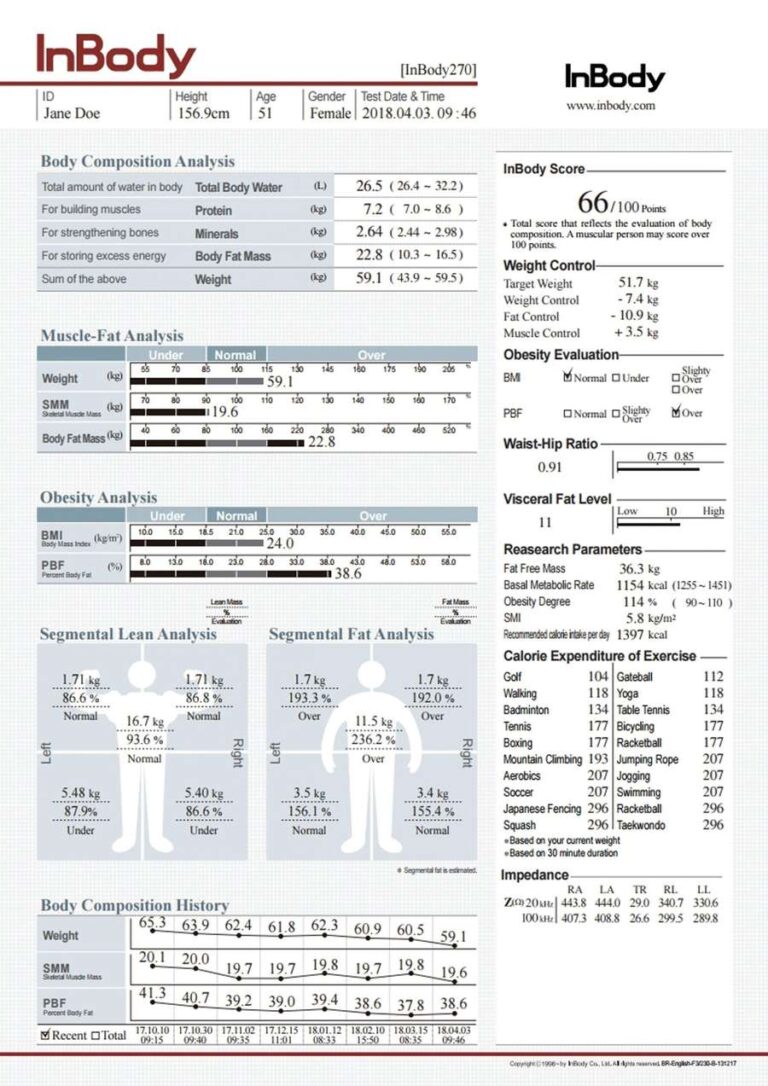
What SMM means on your InBody report, how the 90-110% normal bar works, why SMM is not SMI, and the AWGS cut-offs used to screen for low muscle.