
Body Composition 20 min read
Slow-Growing Kidney Disease: The Silent Killer With No Early Symptoms
Your kidneys can lose a large share of their function before you notice a single symptom.[1] No pain, no swelling and no change in urine. Just silent, progressive…
Reading about body composition? Find an InBody test centre near you →
Your kidneys can lose a large share of their function before you notice a single symptom.[1] No pain, no swelling and no change in urine. Just silent, progressive damage accumulating year after year until a blood test, a cardiac event, or a hospitalisation finally reveals a disease that has been advancing for years. This is why chronic kidney disease (CKD) is one of the most dangerous conditions in medicine and one of the least discussed in India.
The numbers are alarming. The SEEK-India multi-centre screening study found a CKD prevalence of 17.2% among the 5,588 people analysed.[2] That is a screened sample rather than a national estimate; a 2025 meta-analysis of community-based studies pooled a prevalence of 13.2%.[3] A population-based study in Bhopal estimated the age-adjusted incidence of end-stage renal disease (ESRD) at 232 per million population.[4] Between 2001–03 and 2010–13, the share of deaths at ages 15–69 attributed to kidney failure in India rose from 2.1% to 2.9%, a relative increase of about 38%.[5] In this article, we examine the 7 most dangerous clinical reasons kidney disease kills silently and the evidence-based actions that actually stop it.
| 17.2% CKD prevalence among people screened in the SEEK-India multi-centre study (a screened sample, not a national estimate)[2] | 38% Relative rise in the share of deaths at ages 15–69 attributed to renal failure in India, 2001–03 to 2010–13 (Million Death Study)[5] | 7.9% Share of SEEK-India participants with CKD who knew they had it[2] | 232 pmp Age-adjusted ESRD incidence per million population in a Bhopal population-based study (2002–05)[4] |
Why Kidney Disease Earns the ‘Silent Killer’ Label
The kidneys have extraordinary compensatory capacity. A healthy adult has roughly 1 million nephrons per kidney (about 2 million in total, with wide individual variation), the functional filtering units of the kidney.[6] When nephrons are damaged and lost, the remaining ones hypertrophy and work harder. This compensation can be so effective that a large share of kidney function may be lost before eGFR drops below 60 mL/min/1.73m², the threshold for Stage 3 CKD.[1] And early CKD, including Stage 3, often produces few or no symptoms.
For some patients, the first sign that something is wrong with the kidneys is not fatigue, oedema, or a change in urine output. It is a cardiovascular event, such as a heart attack, stroke, or hospitalisation for heart failure, after years of undetected CKD that may have contributed to hypertension, dyslipidaemia, anaemia, and fluid overload. By the time the diagnosis is made, the window for meaningful disease modification may have narrowed.
THE INDIAN CKD PARADOX
India’s CKD burden may be compounded by a structural gap: people often seek medical attention when they are symptomatic, but CKD tends to cause few symptoms until its later stages. A 2025 meta-analysis of community-based studies found wide regional variation in CKD prevalence, with a higher pooled prevalence in rural (15.34%) than in urban (10.65%) areas.[3] In the Indian CKD Registry of 52,273 adults, about 48% of patients presented in Stage 5, and patients from lower-income groups presented with more advanced CKD.[7] CKD in India is often a disease of late presentation, underdiagnosis, and missed prevention windows. All three are addressable with the right clinical tools.

Reason 1: No Symptoms Until Serious Damage Is Already Done
The absence of symptoms is the defining clinical feature of CKD in its early stages. Fatigue, nausea, loss of appetite, oedema, and reduced urine output, the classic symptoms most patients associate with kidney disease, tend to become more common and more severe as CKD advances towards Stage 4 and Stage 5 (eGFR below 30 mL/min/1.73m²).[1] At this stage the risk of needing renal replacement therapy rises sharply: in one large US cohort, 19.9% of Stage 4 patients started dialysis or received a transplant within five years, compared with 1.3% at Stage 3.[8]
The ICKD (Indian Chronic Kidney Disease) Study enrolled 4,056 patients with mild-to-moderate CKD, and 67.2% of them were male.[9] The study does not explain this imbalance. It may partly reflect who reaches specialist care rather than a true difference in CKD risk, which would mean that some women with CKD remain undiagnosed.
CLINICAL IMPLICATION
Do not wait for symptoms to screen for CKD. The KDIGO 2024 guideline advises testing people at risk with both urine albumin and GFR, names hypertension, diabetes and cardiovascular disease as the highest-priority conditions for detection, and recommends annual screening of people with diabetes (starting at diagnosis in type 2 diabetes).[1] Early CKD is largely a laboratory diagnosis, not a clinical one. A urine albumin-to-creatinine ratio (uACR) of 30 mg/g or above that persists for more than 3 months indicates CKD by the KDIGO definition, irrespective of eGFR.[1]
Reason 2: Diabetes and Hypertension Are Silently Damaging the Kidneys of Many Indians
In the SEEK-India screening cohort, hypertension was present in 43.1% of all participants and diabetes in 18.8%; among those with CKD the figures were 64.5% and 31.6%.[2] These are not coincidences. In the Indian CKD Registry, diabetic nephropathy was the commonest cause of CKD (31%), and hypertensive nephrosclerosis accounted for a further 13%.[7] Both can damage the kidneys through a shared pathway: glomerular hypertension leading to progressive proteinuria, fibrosis, and nephron loss.
The ICMR-INDIAB national survey of 113,043 adults aged 20 and above estimated a diabetes prevalence of 11.4% and a hypertension prevalence of 35.5%.[10] A proportion of these people already have CKD, and most do not know it: in SEEK-India, only 7.9% of those with CKD were aware of it.[2] The CURES study (Chennai Urban Rural Epidemiology Study) found that among 1,716 urban South Indians with type 2 diabetes, 26.9% had microalbuminuria and 2.2% had overt diabetic nephropathy.[11] Many of these patients are likely to be seen by general practitioners and diabetologists for glucose management, where kidney function may not be monitored serially.
KEY INSIGHT
For every patient you see with T2DM or hypertension, kidney damage may already be progressing. KDIGO and the American Diabetes Association recommend annual eGFR + uACR screening for people with diabetes, starting at diagnosis in T2DM, and KDIGO lists hypertension among the highest-priority conditions for CKD detection.[1] KDIGO 2024 recommends starting RAAS blockade (ACE inhibitor or ARB) in people with diabetes and moderately-to-severely increased albuminuria. In the RENAAL and IDNT trials of patients with type 2 diabetes and overt nephropathy, losartan and irbesartan lowered the risk of a composite of doubling of serum creatinine, end-stage renal disease, or death by 16% and 20% versus placebo.[12][13] These benefits depend on identifying kidney damage in time.

Reason 3: Cardiovascular Disease and CKD Are Locked in a Deadly Feedback Loop
CKD is not merely a kidney problem. It is an independent risk factor for cardiovascular disease: in a cohort of more than 1.1 million US adults, the adjusted hazard ratio for cardiovascular events rose from 1.4 at an eGFR of 45–59 to 3.4 at an eGFR below 15 mL/min/1.73m², compared with an eGFR of 60 or above.[14] The mechanism is multi-pathway: CKD drives uraemic cardiomyopathy, endothelial dysfunction, vascular calcification, accelerated atherosclerosis, anaemia-related cardiac strain, and fluid overload-driven left ventricular hypertrophy simultaneously.
In the ICKD baseline cohort, 22% of patients already had cardiovascular disease and about 87% were hypertensive.[9] In the Million Death Study, cardiovascular disease was significantly associated with renal-failure deaths.[5] In a large US cohort, death was far more common than dialysis or transplantation at every CKD stage over five years (Stage 3: 24.3% died versus 1.3% needing renal replacement therapy), and coronary artery disease and heart failure were more prevalent in those who died.[8] Treating CKD as purely a renal disease and failing to manage its cardiovascular consequences therefore understates the clinical urgency of early intervention.
THE BODY COMPOSITION LINK
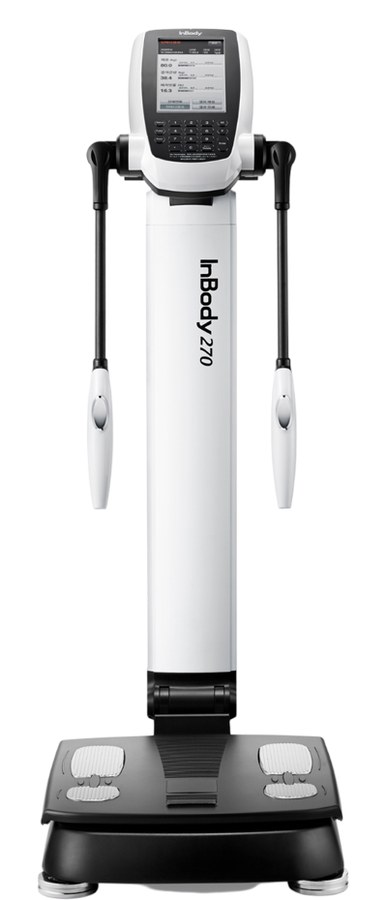
Fluid overload linked to impaired ECW regulation as eGFR declines is associated with worse outcomes in CKD. In a cohort of 338 patients with Stage 3–5 CKD, bioimpedance-defined volume overload (measured with a Fresenius Body Composition Monitor) was associated with a higher risk of kidney failure or eGFR decline and of cardiovascular morbidity and mortality.[15] A rising ECW/TBW ratio, which BIA devices such as InBody can track at clinic visits, may therefore be a useful marker of deteriorating fluid regulation, although the published outcome data come mainly from other bioimpedance devices and from Stage 3–5 and dialysis cohorts.
Reason 4: Proteinuria: The Warning Sign That Is Almost Always Missed
Proteinuria, the presence of excess protein in the urine, is often one of the earliest detectable markers of kidney damage. It often appears before eGFR declines in diabetic and hypertensive kidney disease. A urine albumin-to-creatinine ratio (uACR) of 30 mg/g or above that persists for at least three months indicates albuminuria and defines CKD even in patients with a normal eGFR.[1]
A population-based survey of adults in Delhi and Chennai (the CARRS study) found a CKD prevalence of 8.7%, and 80% of participants with CKD had albuminuria alone, meaning Stage 1 or Stage 2 disease.[16] These patients represent an important early intervention opportunity in nephrology. Yet uACR may not be routinely measured in primary care, and semiquantitative point-of-care urine tests, a category that includes dipsticks, do not always reach the recommended 95% sensitivity for detecting albuminuria.[1]
CLINICAL IMPLICATION
Consider a spot urine albumin-to-creatinine ratio (uACR) rather than dipstick urinalysis for high-risk patients. A uACR between 30–300 mg/g defines microalbuminuria (moderately increased albuminuria, Stage A2). A uACR above 300 mg/g defines macroalbuminuria (severely increased, Stage A3).[1] People with diabetes should have a uACR and eGFR at least annually, and KDIGO also prioritises people with hypertension or cardiovascular disease for CKD detection. This single test can identify CKD before eGFR declines.
Reason 5: Sarcopenia Is Silently Accelerating in Many CKD Patients
Chronic kidney disease is a recognised driver of skeletal muscle loss. Complications of CKD such as metabolic acidosis, chronic inflammation, defective insulin signalling and raised angiotensin II levels activate catabolic pathways, including the ubiquitin-proteasome system, that accelerate muscle protein breakdown.[17] Reduced physical activity and restricted dietary protein may further accelerate the process. Sarcopenia is common in CKD: a 2024 meta-analysis of 140 studies (42,041 patients) pooled a prevalence of 24.5%, with no significant difference between CKD stages.[18]
The clinical consequences are profound. In a UK Biobank study of people with CKD, sarcopenia was associated with a 33% higher hazard of death and about twice the hazard of end-stage renal disease.[19] Muscle loss also creates a diagnostic trap: as skeletal muscle mass declines, serum creatinine, which is used in creatinine-based eGFR equations, falls. A patient whose creatinine drops from 1.2 to 0.9 mg/dL may appear to be improving. But if this drop reflects muscle loss rather than improved filtration, eGFR may be overestimated, and the true rate of CKD progression missed. KDIGO 2024 notes that creatinine-based eGFR is affected by muscle mass and suggests considering cystatin C-based eGFR where low muscle mass reduces creatinine generation.[1]
THE CREATININE TRAP IN CKD
Serum creatinine is a product of muscle metabolism. In sarcopenic CKD patients, falling creatinine may reflect muscle loss rather than improved kidney function. InBody BIA estimates skeletal muscle mass in kilograms from bioimpedance, independent of creatinine or eGFR. Serial InBody assessment in CKD patients can track muscle and fluid status together, providing data that serum creatinine alone cannot deliver. KDOQI 2020 suggests bioimpedance for body-composition assessment in adults on maintenance haemodialysis, but found insufficient evidence to recommend it in non-dialysis CKD.[20] The Indian Consensus on Sarcopenia (2025) recommends screening all patients with comorbidities, including CKD, for sarcopenia and lists BIA among the tools that may be used, while noting that BIA prediction equations still need validating for specific populations.[21]

Reason 6: Fluid Overload Is Building Long Before Dialysis Begins
Fluid overload is not exclusively a dialysis problem. As eGFR declines from Stage 3 onwards, the kidneys’ ability to regulate sodium and water balance progressively deteriorates. The extracellular fluid compartment expands. The ECW/TBW ratio rises. Blood pressure climbs. The left ventricle enlarges. All of this occurs in pre-dialysis CKD patients who may have no visible oedema, no measurable weight gain from day to day, and no clinical flags to alert their physician.
Fluid overload is thought to contribute to cardiovascular events in CKD, including before dialysis begins.[15] A rising ECW/TBW ratio in a CKD Stage 3 patient, detectable with BIA at a routine nephrology appointment, may represent an early stage of the same process. In one small study of 60 haemodialysis patients (Fresenius Body Composition Monitor), 69.6% (16 of 23) of those with a post-dialysis ECW/TBW above 0.5023 died during a median follow-up of 30.5 months, compared with 32.4% (12 of 37) of those below that value.[22] The window to intervene is now, not when dialysis begins.
WHAT InBody S10 DETECTS IN PRE-DIALYSIS CKD
ECW/TBW ratio trend: rising values may indicate progressive volume overload before clinical symptoms
Overhydration index (OH in litres): quantifies the absolute fluid burden above euvolaemia
Skeletal muscle mass trend: identifies sarcopenic progression concurrent with fluid assessment
Fat tissue index: tracks body composition change as dietary protein restriction is introduced
These four parameters together provide additional information on CKD progression that serum creatinine, eGFR, and body weight alone cannot deliver.
Reason 7: Late Presentation Means Most Indian CKD Patients Miss Their Best Treatment Window
The Million Death Study, a nationally representative mortality survey, found that age-standardised renal-failure death rates in India were highest in the southern and eastern states, particularly among adults aged 45–69.[5] This represents working-age adults at the peak of their economic productivity. Yet Indian data suggest that many patients are diagnosed late: in SEEK-India only 7.9% of people with CKD knew they had it,[2] and in the Indian CKD Registry about 48% presented in Stage 5.[7] By then, treatment options may be more limited than for early-detected CKD.
The 2025 meta-analysis of community-based studies reported a rising pooled prevalence, from 11.12% in 2011–2017 to 16.38% in 2018–2023, and called for more regional research to detect and manage CKD early.[3] Late presentation is not a patient education problem alone; it may also be a healthcare system problem. Primary care physicians who manage much of India’s diabetic and hypertensive population are the frontline of CKD detection. The tools for early detection, eGFR and uACR, are simple and widely available. The practice gap is the barrier.
WHAT ‘STOPPING IT’ ACTUALLY REQUIRES
Interventions with strong guideline or trial support for slowing CKD progression include: blood pressure control (KDIGO 2024 suggests a systolic target below 120 mmHg when tolerated, using standardised office measurement),[1] RAAS blockade in people with albuminuria, SGLT-2 inhibitors (which lowered the risk of kidney failure, sustained eGFR decline or death in the CREDENCE, DAPA-CKD and EMPA-KIDNEY trials, with benefit seen in people with and without diabetes in DAPA-CKD and EMPA-KIDNEY),[23][24][25] dietary protein management, smoking cessation, and anaemia management. To implement these interventions at the right time, you need to detect CKD early. And to detect it early, you need to measure more than creatinine.

How to Actually Stop It: The Evidence-Based Action Plan
Stopping kidney disease requires action at three levels simultaneously: detecting it early, treating the upstream causes aggressively, and monitoring both kidney function and body composition to confirm that intervention is working. Here is the evidence-based framework:
| Action | What to Do | Evidence Base |
|---|---|---|
| Screen High-Risk Patients Annually | eGFR + uACR at least annually in people with diabetes (from diagnosis in T2DM), and testing in people with hypertension or cardiovascular disease, rather than waiting for symptoms | KDIGO 2024 CKD Guideline;[1] SEEK-India;[2] CURES Study[11] |
| Start RAAS Blockade Early | ACE inhibitor or ARB in people with diabetes and albuminuria (uACR above 30 mg/g), per KDIGO. KDIGO suggests a systolic BP target below 120 mmHg when tolerated | KDIGO 2024; RENAAL and IDNT: 16% and 20% lower risk of the composite kidney outcome versus placebo in T2DM with overt nephropathy[1][12][13] |
| Add SGLT-2 Inhibitor | KDIGO 2024 recommends an SGLT2 inhibitor for adults with T2DM, CKD and eGFR of 20 or above, and for adults with CKD and eGFR of 20 or above with uACR of 200 mg/g or higher or heart failure, with or without diabetes | CREDENCE (canagliflozin, HR 0.70),[23] DAPA-CKD (dapagliflozin, HR 0.61),[24] EMPA-KIDNEY (empagliflozin, HR 0.72)[25] for the primary composite outcome |
| Monitor Body Composition | Consider serial InBody BIA at nephrology visits to track ECW/TBW ratio, SMM, overhydration index, FTI. | KDOQI 2020 suggests bioimpedance in maintenance haemodialysis but found insufficient evidence for non-dialysis CKD;[20] Indian Consensus on Sarcopenia 2025 (sarcopenia screening in comorbidity)[21] |
| Manage Protein Intake | KDIGO 2024 suggests 0.8 g/kg/day in CKD G3–G5 and avoiding more than 1.3 g/kg/day. KDOQI 2020: 0.55–0.60 g/kg/day under close supervision (0.6–0.8 with diabetes), and 1.0–1.2 g/kg/day on maintenance dialysis. Track with InBody SMM | KDIGO 2024;[1] KDOQI 2020 Nutrition Guideline[20] |
| Correct Anaemia Early | Individualise anaemia treatment. KDIGO 2012 suggests that erythropoiesis-stimulating agents not be used to maintain Hb above 11.5 g/dL in adults with CKD, and not to intentionally raise Hb above 13 g/dL | KDIGO Clinical Practice Guideline for Anemia in CKD, 2012[26] |
Case Example: The Patient Whose Kidney Disease Was ‘Hidden’ in a Normal Creatinine
This case is unpublished and is shown for illustration only. A 54-year-old woman with a 12-year history of T2DM and hypertension attended a corporate health check in Mumbai. Her serum creatinine was 0.85 mg/dL, well within the normal reference range. Her treating physician had reviewed her blood results 3 months earlier and noted no concerns. She had no symptoms.
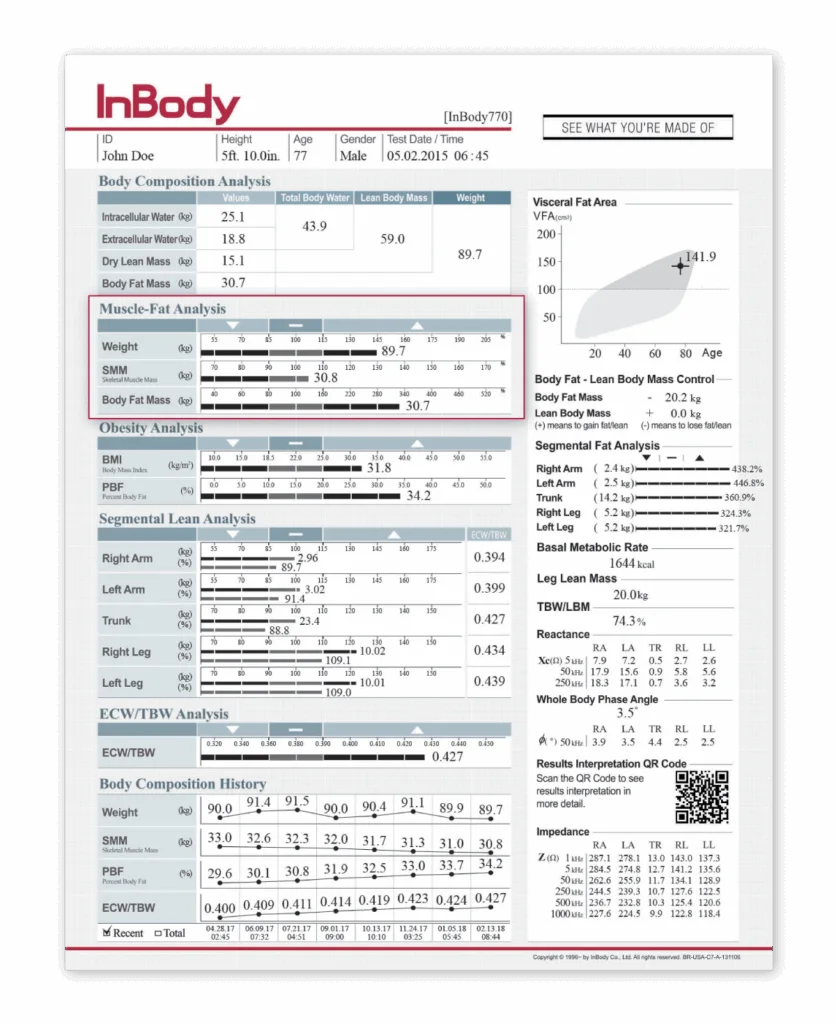
Her InBody scan at the health check revealed Skeletal Muscle Mass 2.4 kg below the population norm for her age and height. Her referring physician, alerted by the below-normal muscle mass, subsequently checked a urine albumin-to-creatinine ratio, which had never been tested in her 12 years of diabetes management. The result was 68 mg/g, Stage A2 albuminuria. A formal eGFR using CKD-EPI was calculated at 54 mL/min/1.73m², consistent with Stage 3a CKD. Her creatinine appeared normal because her low muscle mass was producing less creatinine than expected for her actual kidney function.
She began RAAS blockade, SGLT-2 inhibitor therapy, and protein-adjusted dietary management. At her 6-month review, her uACR had reduced from 68 to 31 mg/g, a 54% reduction, confirming treatment response. Her eGFR had stabilised. The InBody scan showed:
| ↓54% uACR reduction (68 → 31 mg/g) at 6 months | Stable eGFR, no further decline during treatment period | ↓0.018 ECW/TBW ratio improvement at 6 months | +1.1 kg Skeletal Muscle Mass gained with protein management |
Her creatinine had remained within the normal range throughout. Without the InBody-prompted uACR test, her CKD would have gone undetected for years, progressing silently toward dialysis-dependent ESRD while appearing normal on every standard blood panel.
Frequently Asked Questions
Q. How common is kidney disease in India?
The SEEK-India multi-centre screening study found a CKD prevalence of 17.2% among the people it screened, which is not a national estimate.[2] A 2025 meta-analysis of community-based studies pooled a prevalence of 13.2%, with wide regional variation and a higher prevalence in rural than urban populations.[3] A population-based study in Bhopal estimated the age-adjusted incidence of ESRD at 232 per million population.[4] The share of deaths at ages 15–69 attributed to renal failure rose from 2.1% to 2.9% between 2001–03 and 2010–13, a relative increase of about 38%.[5]
Q. What are the earliest detectable signs of kidney disease?
The earliest detectable signs before symptoms develop are albuminuria (uACR of 30 mg/g or above), a declining eGFR trend across serial measurements, and rising blood pressure.[1] Body composition changes may also appear before symptoms: declining skeletal muscle mass, rising ECW/TBW ratio, and falling intracellular water, all of which BIA can estimate, may indicate metabolic deterioration in CKD patients, although the evidence for using them to detect early CKD is limited. The creatinine trap is particularly important: falling creatinine in a sarcopenic CKD patient may reflect muscle loss rather than improving kidney function, causing overestimation of true eGFR.
Q. What is the connection between kidney disease and body composition?
CKD can promote sarcopenia through muscle protein catabolism driven by metabolic acidosis, chronic inflammation and other complications of CKD.[17] It can also lead to fluid overload through impaired ECW regulation as eGFR declines. Both are associated with worse outcomes: sarcopenia is associated with higher mortality and progression to end-stage renal disease in CKD,[19] and volume overload is associated with kidney and cardiovascular events.[15] InBody BIA estimates skeletal muscle mass, ECW/TBW ratio, and overhydration index, so clinicians can track both trajectories at each visit, although KDOQI 2020 found insufficient evidence to recommend bioimpedance for body-composition assessment in non-dialysis CKD.[20]
Key Takeaways
- 17.2% of people screened in SEEK-India had CKD, and only 7.9% of them knew it,[2] so the disease is often found late, when treatment options may be more limited.
- The 7 dangerous reasons CKD kills silently (no symptoms, diabetes and hypertension as silent drivers, the cardiovascular feedback loop, missed proteinuria, silent sarcopenia, pre-dialysis fluid overload, and late presentation) all have one common solution: earlier, more comprehensive screening that goes beyond serum creatinine alone.
- 80% of participants with CKD in the Delhi-Chennai CARRS survey had albuminuria alone, meaning Stage 1–2 disease.[16] These patients are an important early intervention opportunity in nephrology, and they may be missed if only dipstick urinalysis is used.
- Falling creatinine does not always mean improving kidney function in sarcopenic CKD patients; it may reflect muscle loss. InBody BIA estimates skeletal muscle mass, which can help flag this diagnostic trap and adds information that creatinine alone cannot deliver.
- In large trials, SGLT-2 inhibitors lowered the risk of the primary composite kidney and cardiovascular outcome by about 28–39% versus placebo in selected patients with CKD (CREDENCE, DAPA-CKD, EMPA-KIDNEY), and RAAS blockade and blood pressure control also slow progression. These interventions can only be used if CKD is detected.
- InBody BIA simultaneously estimates ECW/TBW ratio, overhydration index, and skeletal muscle mass at nephrology visits, tracking both the fluid overload and sarcopenia trajectories that serum markers cannot capture, from CKD Stage 3 through to dialysis.
Detect What Creatinine Cannot. Track What eGFR Cannot.
InBody body composition assessment provides the fluid, muscle, and nutritional data that CKD management requires beyond standard blood panels in under 5 minutes at the bedside, at every visit. Used in nephrology units, dialysis centres, and metabolic clinics across India.
Find an InBody Scanner Near You
References
- Kidney Disease: Improving Global Outcomes (KDIGO) CKD Work Group. KDIGO 2024 Clinical Practice Guideline for the Evaluation and Management of Chronic Kidney Disease. Kidney Int. 2024;105(4S):S117-S314. PubMed · DOI
- Singh AK, Farag YM, Mittal BV, et al. Epidemiology and risk factors of chronic kidney disease in India – results from the SEEK (Screening and Early Evaluation of Kidney Disease) study. BMC Nephrol. 2013;14:114. PubMed · DOI
- Talukdar R, Ajayan R, Gupta S, et al. Chronic Kidney Disease Prevalence in India: A Systematic Review and Meta-Analysis From Community-Based Representative Evidence Between 2011 to 2023. Nephrology (Carlton). 2025;e14420. PubMed · DOI
- Modi GK, Jha V. The incidence of end-stage renal disease in India: a population-based study. Kidney Int. 2006;70(12):2131-2133. PubMed · DOI
- Dare AJ, Fu SH, Patra J, Rodriguez PS, Thakur JS, Jha P; Million Death Study Collaborators. Renal failure deaths and their risk factors in India 2001-13: nationally representative estimates from the Million Death Study. Lancet Glob Health. 2017;5:e89-e95. PubMed · DOI
- Bertram JF, Douglas-Denton RN, Diouf B, Hughson MD, Hoy WE. Human nephron number: implications for health and disease. Pediatr Nephrol. 2011;26:1529-1533. PubMed · DOI
- Rajapurkar MM, John GT, Kirpalani AL, et al. What do we know about chronic kidney disease in India: first report of the Indian CKD registry. BMC Nephrol. 2012;13:10. PubMed · DOI
- Keith DS, Nichols GA, Gullion CM, Brown JB, Smith DH. Longitudinal follow-up and outcomes among a population with chronic kidney disease in a large managed care organization. Arch Intern Med. 2004;164(6):659-663. PubMed · DOI
- Kumar V, Yadav AK, Sethi J, et al. The Indian Chronic Kidney Disease (ICKD) study: baseline characteristics. Clin Kidney J. 2022;15(1):60-69. PubMed · DOI
- Anjana RM, Unnikrishnan R, Deepa M, et al. Metabolic non-communicable disease health report of India: the ICMR-INDIAB national cross-sectional study (ICMR-INDIAB-17). Lancet Diabetes Endocrinol. 2023;11(7):474-489. PubMed · DOI
- Unnikrishnan RI, Rema M, Pradeepa R, et al. Prevalence and risk factors of diabetic nephropathy in an urban South Indian population: the Chennai Urban Rural Epidemiology Study (CURES 45). Diabetes Care. 2007;30(8):2019-2024. PubMed · DOI
- Brenner BM, Cooper ME, de Zeeuw D, et al. Effects of losartan on renal and cardiovascular outcomes in patients with type 2 diabetes and nephropathy (RENAAL). N Engl J Med. 2001;345(12):861-869. PubMed · DOI
- Lewis EJ, Hunsicker LG, Clarke WR, et al. Renoprotective effect of the angiotensin-receptor antagonist irbesartan in patients with nephropathy due to type 2 diabetes (IDNT). N Engl J Med. 2001;345(12):851-860. PubMed · DOI
- Go AS, Chertow GM, Fan D, McCulloch CE, Hsu CY. Chronic kidney disease and the risks of death, cardiovascular events, and hospitalization. N Engl J Med. 2004;351(13):1296-1305. PubMed · DOI
- Hung SC, Lai YS, Kuo KL, Tarng DC. Volume overload and adverse outcomes in chronic kidney disease: clinical observational and animal studies. J Am Heart Assoc. 2015;4(5):e001918. PubMed · DOI
- Anand S, Shivashankar R, Ali MK, et al. Prevalence of chronic kidney disease in two major Indian cities and projections for associated cardiovascular disease. Kidney Int. 2015;88(1):178-185. PubMed · DOI
- Wang XH, Mitch WE. Mechanisms of muscle wasting in chronic kidney disease. Nat Rev Nephrol. 2014;10(9):504-516. PubMed · DOI
- Duarte MP, Almeida LS, Neri SGR, et al. Prevalence of sarcopenia in patients with chronic kidney disease: a global systematic review and meta-analysis. J Cachexia Sarcopenia Muscle. 2024;15(2):501-512. PubMed · DOI
- Wilkinson TJ, Miksza J, Yates T, et al. Association of sarcopenia with mortality and end-stage renal disease in those with chronic kidney disease: a UK Biobank study. J Cachexia Sarcopenia Muscle. 2021;12(3):586-598. PubMed · DOI
- Ikizler TA, Burrowes JD, Byham-Gray LD, et al. KDOQI Clinical Practice Guideline for Nutrition in CKD: 2020 Update. Am J Kidney Dis. 2020;76(3 Suppl 1):S1-S107. PubMed · DOI
- Kalra S, Shaikh IA, Shende S, et al. An Indian Consensus on Sarcopenia: Epidemiology, Etiology, Clinical Impact, Screening, and Therapeutic Approaches. Int J Gen Med. 2025;18:1731-1745. PubMed · DOI
- Pérez-Morales R, Donate-Correa J, Martín-Núñez E, et al. Extracellular water/total body water ratio as predictor of mortality in hemodialysis patients. Ren Fail. 2021;43(1):821-829. PubMed · DOI
- Perkovic V, Jardine MJ, Neal B, et al. Canagliflozin and renal outcomes in type 2 diabetes and nephropathy (CREDENCE). N Engl J Med. 2019;380(24):2295-2306. PubMed · DOI
- Heerspink HJL, Stefánsson BV, Correa-Rotter R, et al. Dapagliflozin in patients with chronic kidney disease (DAPA-CKD). N Engl J Med. 2020;383(15):1436-1446. PubMed · DOI
- The EMPA-KIDNEY Collaborative Group; Herrington WG, Staplin N, Wanner C, et al. Empagliflozin in patients with chronic kidney disease. N Engl J Med. 2023;388(2):117-127. PubMed · DOI
- Kidney Disease: Improving Global Outcomes (KDIGO) Anemia Work Group. KDIGO Clinical Practice Guideline for Anemia in Chronic Kidney Disease. Kidney Int Suppl. 2012;2(4):279-335. KDIGO guideline PDF (kdigo.org)

Most trending articles
Student Fitness Screening in India: A Guide for Schools
CBSE HPE, Fit India and Khelo India rely on BMI. How schools and colleges can add body composition screening safely, with child caveats and DPDP consent.
Creatine and Your Body Composition Scan: What Changes
Creatine raises body water and lean mass readings within a week on BIA and DXA. What the studies show and how to time your scans to read progress honestly.
Fitness Testing and Body Composition for Sports Academies
A practical fitness testing battery for Indian sports academies: body composition, grip, jumps, sprints, Yo-Yo, Khelo India context and youth maturation.