

Beyond the Scale: How Body Composition Redefines True Health
We often measure our health by a single number on a weighing scale. But what if that number is lying? In our latest InBody Charcha, we explored this very idea, looking beyond diets and numbers to understand the heart of transformation.
We were joined by Dr. Mahendra Narwaria, a pioneer of bariatric and metabolic surgery in India and the founder of Asian Bariatrics. He shared insights that challenge our entire perception of weight, starting with a fascinating, real-world example.
📈 The Saboo–Narwaria Paradox: When BMI Misleads
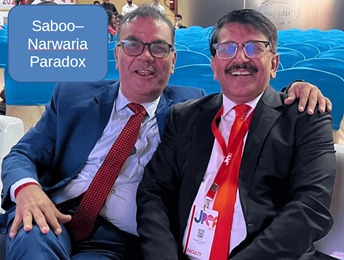
Dr. Narwaria shared a story that perfectly illustrates how numbers can deceive—the Saboo–Narwaria Paradox.
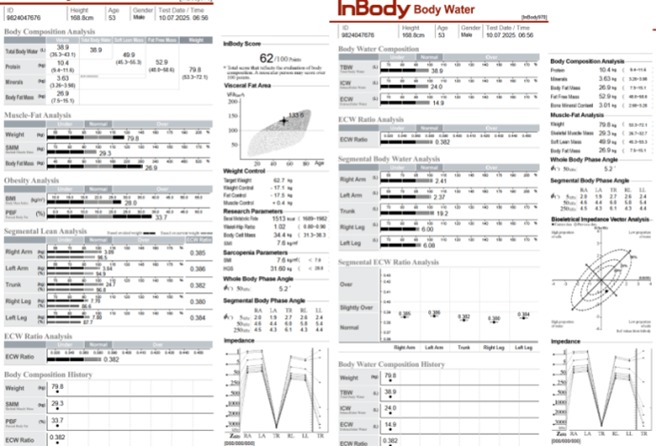
It began with his close friend, Dr. Bansi Saboo, who is slimmer and has a lower BMI than Dr. Narwaria. Before a conference, they both took an InBody test. The results were shocking.
Despite having a "perfect" BMI, Dr. Saboo's results showed lower muscle mass and poorer cellular health. Dr. Narwaria, despite his higher BMI, had greater muscle mass and better metabolic health.
This discovery became the paradox: someone can appear fit on the outside but be metabolically unhealthy on the inside. It was a powerful reminder that BMI can't define health—what truly matters is your body composition.
The Data: Saboo vs. Narwaria
| Parameter | Bansi Saboo | Mahendra Narwaria |
|---|---|---|
| Height | 168.8 cm | 168.0 cm |
| Weight | 79.8 kg | 88.5 kg |
| BMI (kg/m²) | 28.0 | 31.4 |
| Body Fat % (PBF) | 33.7% | 32.8% |
| Visceral Fat Area | 133.6 cm² | 128.4 cm² |
| Waist-Hip Ratio | 1.02 (above normal) | 0.98 (above normal) |
| Skeletal Muscle Mass | 29.3 kg | 33.8 kg |
| Phase Angle (Cell Health) | 5.2 | 6.7 |
| Metabolic Implication | Higher visceral adiposity, lower muscle mass = ↑ risk of insulin resistance | Greater muscle mass, better phase angle = relatively preserved metabolic health |
🩺 From Personal Mission to Lifesaving Data
Dr. Narwaria's journey into bariatric surgery was personal. "I was one of the most obese children growing up," he shared. This connection fueled a lifelong mission that began with an M.S. essay on obesity surgery, a concept almost unknown in India at the time.
After training in France, he returned to India, but faced immense challenges. Patients were scared, doctors were doubtful, and he even had to borrow equipment for his first case. "Starting from scratch in a country where no one believed in it was difficult," he recalled, "but every first matters".
This belief in "firsts" led him to champion body composition analysis as a critical tool.
A Case That Redefined Hope
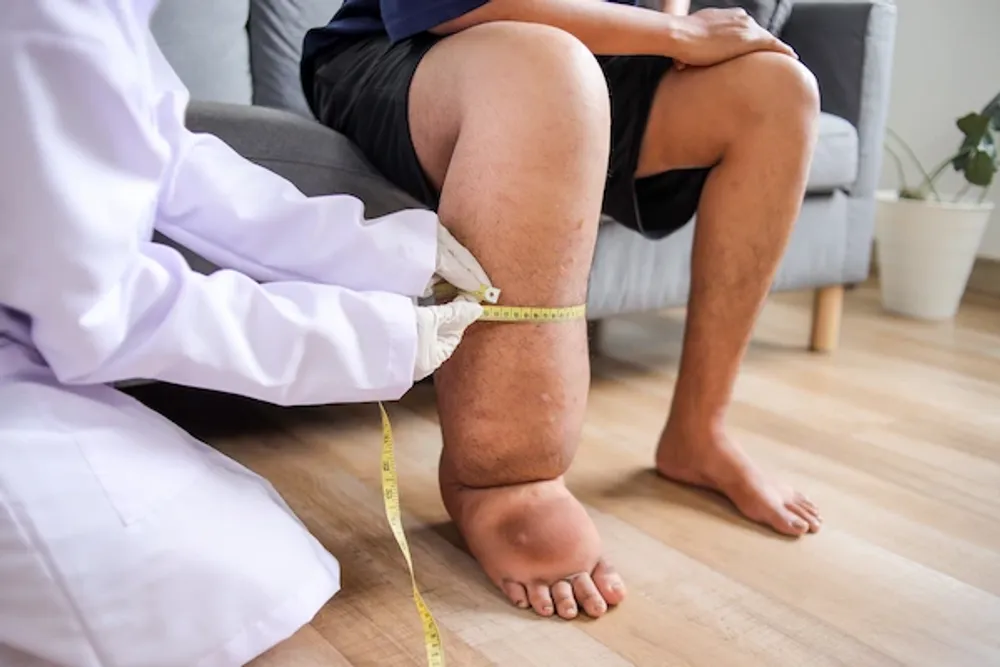
Dr. Narwaria shared a powerful story about a 26-year-old woman who came to him in critical condition. Her oxygen level was only 70%, and she was not fit for surgery.
An InBody analysis revealed her extracellular water was extremely high; her body was swollen with fluid. Instead of rushing to surgery, the team focused on stabilizing her, correcting her water balance, and improving her nutrition, all while closely monitoring her InBody data.
Result: In just three weeks, she lost 20 kg of excess water—not fat, but fluid.
Outcome: Her health stabilized, allowing the team to perform the surgery successfully.
"Saving her life meant everything," Dr. Narwaria said. "That's when I truly realized how powerful body composition data can be in guiding life-saving decisions".
💪 Surgery Is Just a Tool: The Philosophy of Sustained Wellness
For Dr. Narwaria and his wellness ecosystem, AB Plus Hospital, surgery is not the end goal—it's just a tool. He believes obesity is a lifelong condition that requires a complete, sustainable approach.
"Sustained wellness comes from what follows," he explained. "Nutrition, exercise, and regular tracking".
The Post-Surgery Focus: Lose Fat, Preserve Strength

After surgery, Dr. Narwaria's primary focus is on muscle mass and protein intake. "Most people assume losing weight means success," he said, "but if you lose muscle along with fat, that's not healthy".
The team tracks body composition regularly. If a patient's muscle mass drops, the nutrition team adjusts their diet to increase protein. The goal is clear: lose fat while preserving strength.
Nutritionists: The Unsung Heroes
In this long-term journey, Dr. Narwaria calls nutritionists "the backbone of long-term success". His centers have six dedicated dietitians who stay in constant contact with every patient. They monitor food logs, check protein intake, and even share high-protein recipes to ensure patients don't just lose weight, but truly gain health.
✈️ A Wellness First: India's First Airport Health Lounge
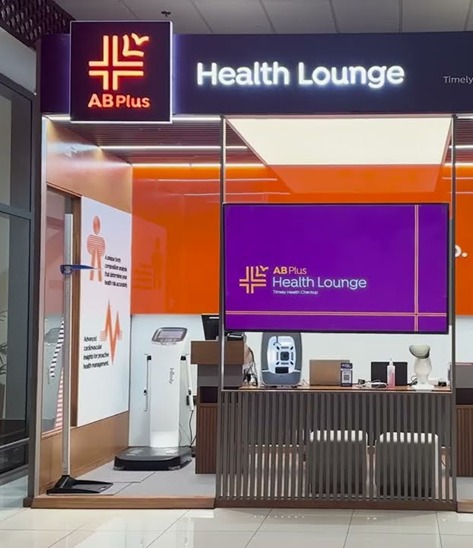
Dr. Narwaria's innovative spirit also led to the creation of India's first health lounge at Ahmedabad Airport.
"People wait at airports snacking on junk food," he said. "Why not use that time to check their health?".
Now, travelers can walk in for a quick InBody scan, hair and skin test, or cardiac assessment and receive instant feedback. For many, it's their first wake-up call about hidden fat, muscle loss, or metabolic risk.
💡 The Takeaway: Gaining Awareness
True health is not about losing weight; it's about gaining awareness.
Dr. Narwaria's work, from life-saving surgeries to innovative airport lounges, is all focused on one goal: helping people understand their bodies better. This philosophy of turning awareness into action is the very heart of InBody Charcha.
Until next time—know your body, beyond the scale.