

Landmark Conference Brings Together India's Healthcare Leaders
NutriBodyCon was a landmark two-day national conference that united experts, clinicians, and healthcare professionals to explore the growing role of body composition in modern medicine. Held at Tata Memorial Hospital's RD Choksi Auditorium, the event drew over 100 faculty members and 200+ delegates from across India.
Renowned doctors including Dr. Sanjay Agarwal, Dr. Manoj Chawla, Dr. Neeta Deshpande, Dr. Shivshankar T., Dr. Eileen Canday, and others led insightful sessions on body composition's clinical relevance in diabetes, women's health, oncology, critical care, nephrology, and bariatric science.
Key Conference Highlights
A) Featured Presentation by Ms. Sakshi Mhatre
Clinical Dietitian & InBody Level 2 Specialist
Ms. Mhatre delivered a comprehensive session explaining the science behind InBody Body Composition Analysis and its significance in health assessment and personalized care planning, providing attendees with practical insights into advanced body composition technology.
B) Expert Spotlight: Dr. Sanjay Agarwal
Director and Head, Department of Diabetes, Obesity & Metabolic Diseases
Ruby Hall Clinic & Sahyadri Hospitals
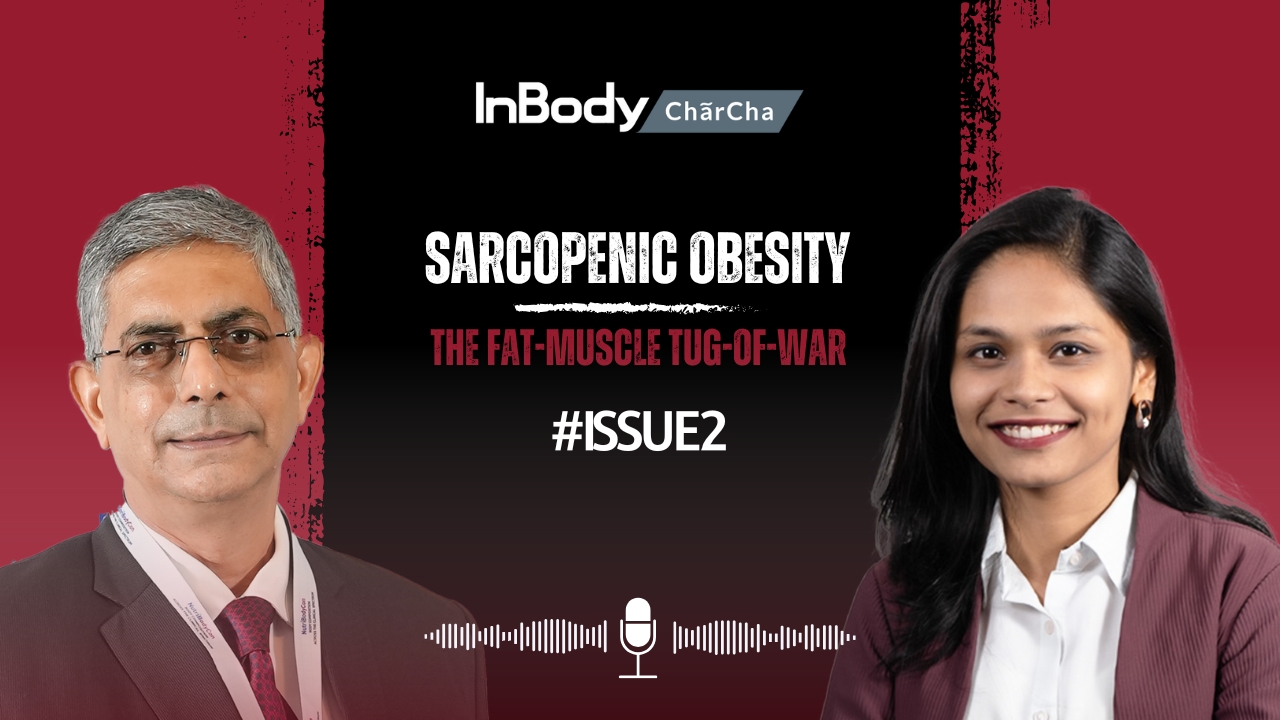
In a compelling lecture featured during the conference, Dr. Agarwal delved into the critical role of body composition in identifying and managing sarcopenic obesity.

Director and Head, Dept. of Diabetes, Obesity & Metabolic Diseases
Ruby Hall Clinic & Sahyadri Hospitals
"When we look at body composition, we realize that although some individuals may appear lean, they actually have a very high fat content. I believe the best tool to assess such patients is body composition analysis. When we conduct this analysis, we determine the percentage of body fat an individual has, the amount of visceral fat, and their muscle mass. All of this provides us with a clear intervention point—how we should approach a patient and what personalized advice we should offer to help correct these abnormalities. Ultimately, this helps us reduce their risk of cardiovascular disease and other metabolic complications."
Understanding Sarcopenic Obesity: When Muscle Wastes Away and Fat Takes Over
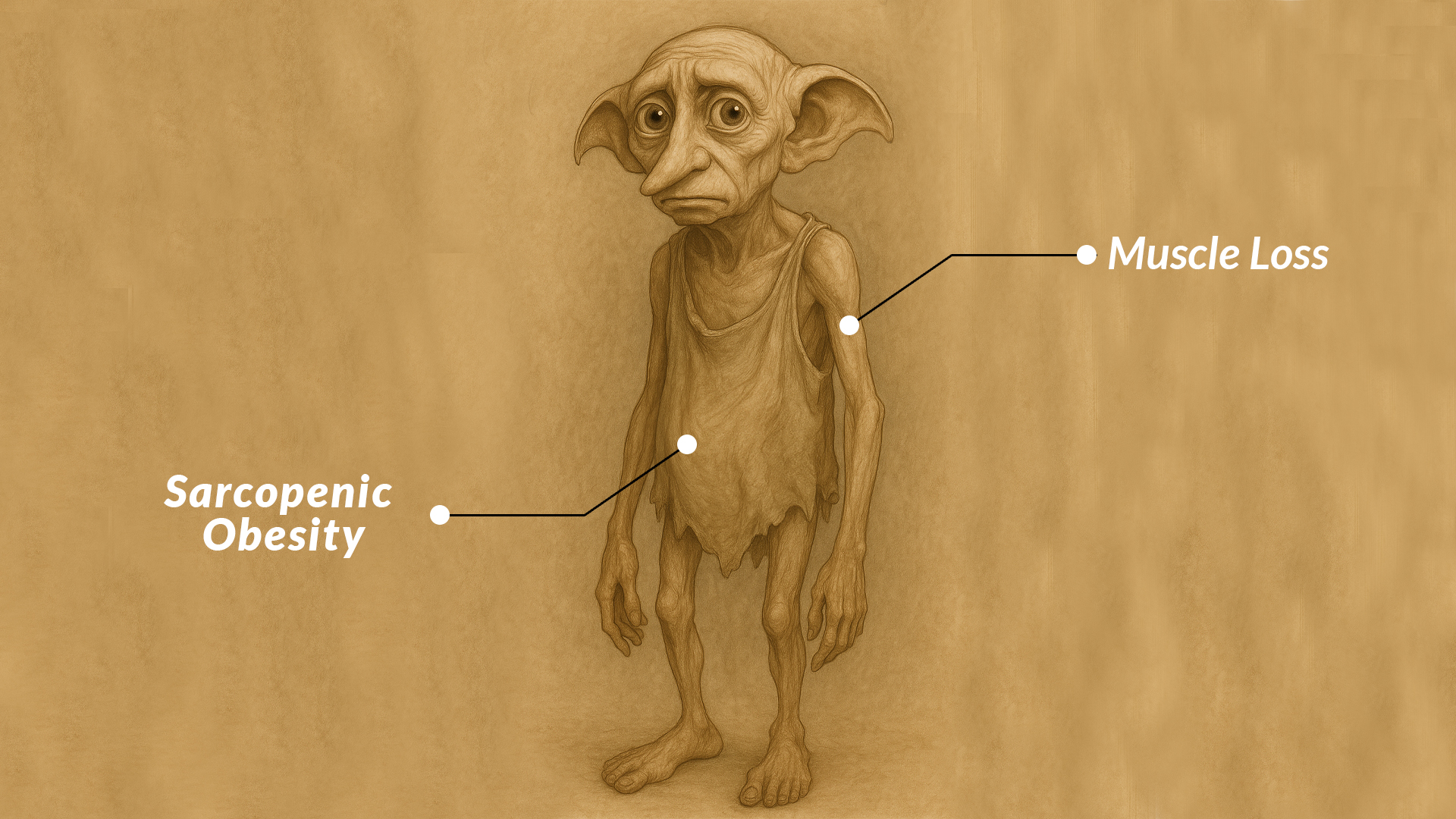
As we age, our bodies change—some transformations are subtle, but others can be serious. Imagine Dobby from Harry Potter, once nimble and strong, but later frail and weakened. This mirrors a hidden but growing threat in millions of adults: sarcopenic obesity (SO), the risky mix of too much body fat and too little muscle mass and strength.
Why Should We Be Concerned?
Sarcopenic obesity affects 4–20% of older adults, depending on how it's defined, and its prevalence rises sharply with age. According to data from the NHANES III study:
Sarcopenia affects: 35% of women and 75% of men
Sarcopenic obesity impacts: 18% of women and a staggering 43% of men
The Vicious Cycle
Increased fat, especially around and inside muscles, releases inflammatory molecules that break down muscle and block its regeneration. This creates a vicious cycle, leading to insulin resistance and raising risk of disease and mortality.
While obesity raises metabolic risks, sarcopenia worsens mobility, strength, and independence. Together, they amplify frailty, falls, and disability, posing a severe threat to quality of life in older age.
The Power of SMI: Beyond Traditional Assessment
Despite these alarming statistics, sarcopenic obesity often flies under the radar because traditional tools like BMI, handgrip strength, or gait speed don't tell the full story. Many individuals appear "healthy" based on weight alone, while their body composition tells a different tale.
In detecting and managing sarcopenic obesity, Skeletal Muscle Index (SMI) is a pivotal tool.
What is Skeletal Muscle Index (SMI)?

SMI Formula:
This metric offers a reliable gauge of muscle health with recommended SMI cutoffs of:
• < 7.0 kg/m² in men
• < 5.7 kg/m² in women
(Source: Asian Working Group for Sarcopenia)
Advanced Segmental Analysis Benefits:
• Provides detailed insights into lean mass distribution across limbs and trunk
• Detects early muscle wasting, especially in the legs
• Tracks muscle and fat changes over time to monitor interventions
• Identifies visceral fat even in normal-weight individuals
InBody Technology:
InBody devices use segmental bioelectrical impedance analysis (BIA) to calculate ASM by summing lean mass in all four limbs. This makes SMI not just accessible but also precise in diagnosing low muscle mass, a defining trait of sarcopenia and sarcopenic obesity.
Managing Sarcopenic Obesity: A Dual Approach
Exercise Protocol:
• Resistance training improves muscle strength and mass
• Aerobic exercise enhances cardiovascular and metabolic health
• Combined approach prevents further muscle loss during weight reduction
Nutritional Strategy:
• High-protein diets (1–1.6 g/kg body weight/day) support muscle retention and fat loss
• Calorie restriction must be cautious—too much can worsen muscle loss
• Supplementation with leucine, essential amino acids, and vitamin D improves muscle mass even without exercise
Personalized Approach:
The most effective long-term approach is personalized based on an individual's age, physical condition, and nutritional status. Monitoring progress with tools like InBody allows for real-time feedback, ensuring that both fat loss and muscle gain are on track.
Key Takeaway: The Future of Personalized Healthcare
The NutriBodyCon conference successfully demonstrated that understanding body composition goes far beyond traditional weight measurements. By utilizing advanced assessment tools like InBody's segmental analysis and focusing on metrics such as SMI, healthcare professionals can provide more targeted, effective interventions for conditions like sarcopenic obesity.
This comprehensive approach to body composition analysis represents a significant step forward in personalized medicine, offering hope for better outcomes in managing the complex interplay between muscle mass, fat distribution, and overall health outcomes.
For more information about advanced body composition analysis and sarcopenic obesity management, consult with qualified healthcare providers about comprehensive assessment options.
NutriBodyCon
is landing in Kolar! After an overwhelming response in Mumbai, join us to delve into Body Composition Across the Clinical Spectrum in an exceptional gathering of expertise and innovation.
★ Event Highlights
This event is proudly initiated by
SDU Academy in collaboration with InBody
Don't Miss Out!
Expand your professional expertise and network with industry leaders
Stay Tuned for Registration Details