
Body Composition 7 min read
New-Year Joiners: A Baseline-Scan Playbook for Gym Owners
A baseline-scan workflow for gym owners ahead of January: what to measure, how to set honest goals, and a 30-60-90 day re-scan rhythm.
Reading about body composition? Find an InBody test centre near you →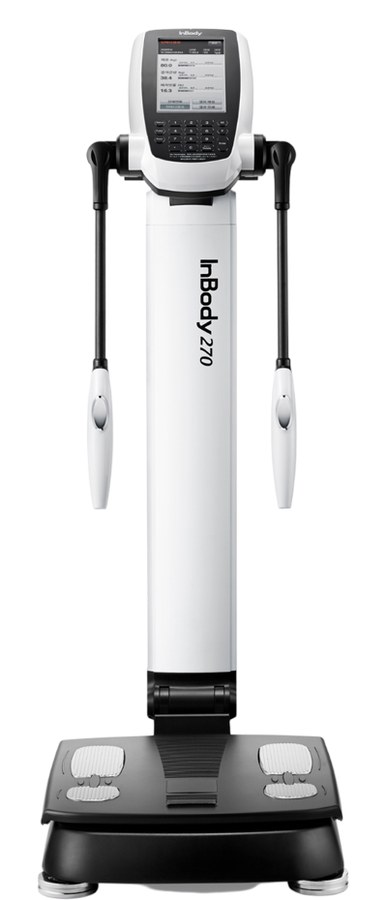
New-Year Joiners: A Baseline-Scan Playbook for Gym Owners
Every gym owner in India knows the pattern. January arrives, the floor fills with new faces, and by March half of them have stopped coming. You cannot control motivation, but you can control the first week. A structured new member baseline scan, a body composition reading taken at enrolment, gives every joiner a starting point, gives your trainers something concrete to build a plan around, and gives the member a reason to come back for the next reading.
This playbook is for gym and studio owners who have, or are considering, a body composition analyser. It covers when to start, the workflow for the first week, which numbers to put in front of a new member, how to set honest expectations, the re-scan rhythm, and what to avoid. We have kept claims modest on purpose. We do not have reliable India-wide figures on January sign-ups or on how a scan changes renewal rates, so we do not quote any. If you want to see what the scan is worth for your gym, our post on body composition testing ROI for gyms is the place to start.
Plan Around Your Own Join Data, Not a Headline
Gym owners commonly describe a January surge. Pull your own join dates from the last two or three years and look at the week-by-week curve. That tells you how many baseline scans to expect per day, how many time slots you need to hold open, and whether your January peak starts in the last week of December. Plan your capacity from that, not from a general statistic.
A practical timeline for a gym that wants to be ready:
- Early December: decide who runs scans, set up the member app or software, print a short instruction card.
- Mid December: train trainers on reading the sheet; run a dry run on staff.
- Last week of December: open pre-booking for baseline scans so the first week of January does not become a queue.
The First-Week Workflow
- Book the scan at enrolment. Treat it as part of joining, not an optional extra. A member who leaves the desk with a slot already booked is more likely to turn up.
- Run it under consistent conditions. Same time window each day if possible, no heavy exercise beforehand, and an empty bladder. Share our test preparation guide in the booking message. Note that your device’s own manual sets the official rules; follow that.
- Check eligibility first. Ask about pacemakers and other implanted devices, and about pregnancy, and follow your device manual’s guidance on who should not be tested.
- Scan. It takes about a minute on a professional model.
- Hand over the result with three numbers highlighted: skeletal muscle mass, percent body fat and visceral fat. Not thirty.
- Set one goal together. One measurable target for the next scan is better than five vague ones.
- Book the next scan before they leave.
Which Numbers to Show a New Member
Most new members only need to understand three things.
- Skeletal muscle mass: the number that tells them whether training is working, even when weight does not move.
- Percent body fat: a better target than the scale for many members. Our body fat chart for India gives age-wise ranges you can share.
- Visceral fat: the fat around organs that BMI and the mirror both miss.
The overall InBody score is a handy single figure for motivation. See what the InBody score means before you explain it to members. Resist the urge to explain every output. Trainers who want more depth can use our guide to reading the results sheet.
Setting Honest Expectations
This is where gyms either build trust or lose it. Over-promising in week one guarantees disappointment in week eight.
- Muscle gain is slow. Beginners can realistically gain roughly 0.5 to 1 kg of lean muscle per month with consistent training and enough protein. Many will gain less.
- Fat loss is gradual. A sustainable rate is roughly 0.5 to 1% of body weight per month. Faster is possible but usually costs muscle.
- The scale and the scan will not always agree. A member can stay at the same weight while gaining muscle and losing fat. Show them that on a two-scan comparison.
- One reading is not a verdict. Hydration, meals and exercise move the numbers. Our gym myths post is a good handout for members who arrive with strong beliefs.
Re-Scan Rhythm: 30, 60 and 90 Days
There is no universal rule. InBody’s US guidance suggests testing every two to four weeks under the same conditions, and many gyms start with a 30-day cycle. A simple structure:
| When | Purpose |
|---|---|
| Day 0 (enrolment) | Baseline and one agreed goal |
| Around day 30 | First check: is the plan being followed and is direction right? |
| Around day 60 | Adjust training and nutrition based on the trend |
| Around day 90 | Milestone review and renewal conversation |
Use the same device and a similar time of day for every scan. If you track members digitally, store reports securely and ask for their consent, since body measurements are personal data. For the member-side routine that follows a scan, our 90-day playbook can be shared as a handout.
What to Avoid
- Do not make medical claims. A gym scan is a fitness measurement. Refer members with symptoms or health conditions to a doctor.
- Do not shame. A number is information. Frame it as a starting point.
- Do not promise results. “Your muscle should go up if you train and eat enough protein” is honest. “You will lose 8 kg in 30 days” is not.
- Do not quote a statistic you cannot source. Some marketing lines about renewal rates circulate in the industry. Without a source, leave them out.
- Do not swap devices mid-programme. Different machines give different absolute values.
Choosing the Right Machine for a Gym
Gyms usually choose between a compact, portable model for a lean setup and a higher-tier unit for a larger studio or a personal-training business. Our guide on the BMI machine for gym buyers explains why the name on the machine matters, and the InBody for gyms page lists models. We do not print prices here; request a quote for the model you shortlist.
Frequently Asked Questions
When should a gym start preparing for the January rush?
Early December. Decide who runs the scans, set up the software, train the trainers and open pre-booking in the last week of December. Use your own last two or three years of join dates to estimate daily volume.
Should the baseline scan be free or paid?
That is a business decision for each gym. Many include it as part of joining so that every member gets a starting point. Whichever you choose, keep it consistent and explain what the member receives.
How many numbers should I show a new member?
Three: skeletal muscle mass, percent body fat and visceral fat. Add the overall InBody score for motivation. More than that tends to overwhelm a beginner. Keep the full sheet available for those who ask.
How often should I re-scan members?
InBody’s US guidance suggests every two to four weeks under the same conditions, and many gyms scan at roughly 30, 60 and 90 days. Pick a rhythm, document it, and use the same device and conditions each time.
Do body composition scans improve membership renewals?
We have not found reliable India-specific evidence that they do, so we do not claim it. What a scan gives you is a concrete conversation about progress. Track your own renewal rates for scanned versus unscanned members to see what it does for your gym.
Is the scan safe for everyone?
Not necessarily. Follow your device manual’s guidance on pacemakers, implanted devices and pregnancy, and refer members with health concerns to a doctor before testing.
Get Your Gym Ready Before January
If you run a gym or studio and want to see how baseline scans would work on your floor, explore InBody for gyms or request a quote for the model that fits your space.
Related reading: body composition testing ROI for gyms.

Most trending articles
Student Fitness Screening in India: A Guide for Schools
CBSE HPE, Fit India and Khelo India rely on BMI. How schools and colleges can add body composition screening safely, with child caveats and DPDP consent.
Creatine and Your Body Composition Scan: What Changes
Creatine raises body water and lean mass readings within a week on BIA and DXA. What the studies show and how to time your scans to read progress honestly.
Fitness Testing and Body Composition for Sports Academies
A practical fitness testing battery for Indian sports academies: body composition, grip, jumps, sprints, Yo-Yo, Khelo India context and youth maturation.