
Health 8 min read
Adding a Body Composition Test to a Pharmacy Health Corner
How Indian pharmacies and diagnostic centres can add a body composition test to a health corner: space, staff role, what not to say, referrals, DPDP.
Reading about body composition? Find an InBody test centre near you →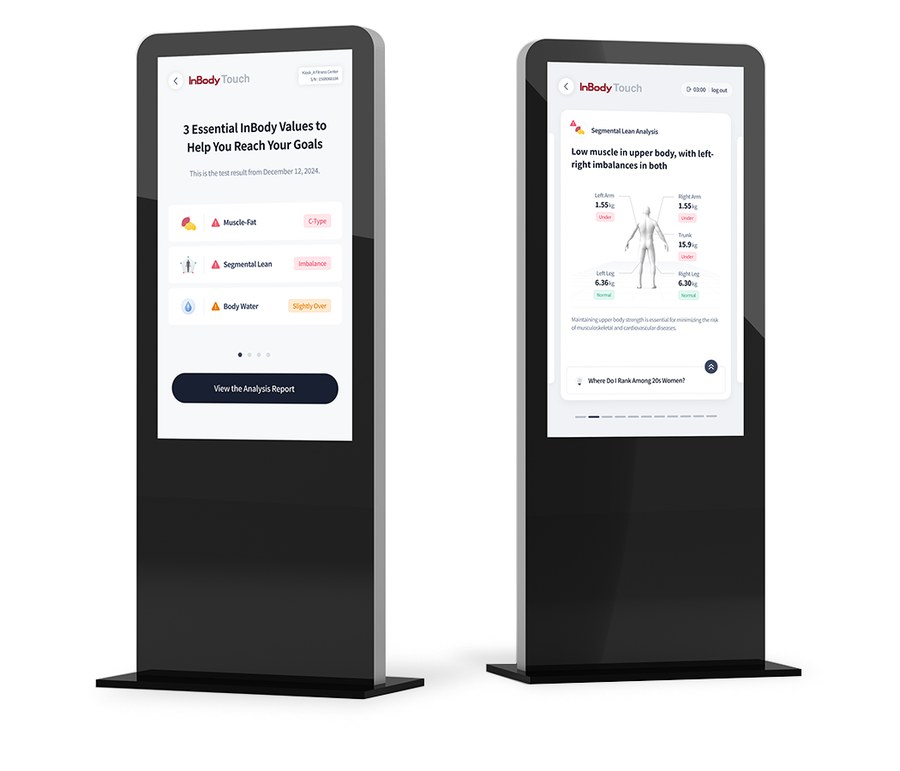
Adding a Body Composition Test to a Pharmacy Health Corner
Many Indian pharmacies and diagnostic collection centres already check blood pressure or blood sugar at the counter. Adding a body composition test to a pharmacy health corner extends that idea: a customer stands on an analyser and gets a printout of body fat, muscle and body water instead of just a weight and a BMI. Done well, it gives your team a reason to talk to customers about health and to point the right people to a doctor. Done badly, it turns a pharmacy counter into a place where people are told things a scan cannot know.
This guide is for pharmacy owners, chain operations managers and diagnostic lab managers. It covers what a health corner can offer, how to think about footfall without made-up numbers, space, power and hygiene, the staff role, what never to say to a customer, when to refer, privacy under India’s data protection law, and how to choose equipment.
What a Health Corner Can Offer
A health corner works best as a small set of quick, non-invasive checks with a clear next step for each. Body composition sits naturally next to the checks you may already run:
| Check | What the customer gets | Typical next step |
|---|---|---|
| Weight and BMI | A basic weight-for-height figure | General advice; BMI alone does not show fat or muscle |
| Body composition | Body fat, muscle mass, body water and, on models that report it, a visceral fat indicator | Lifestyle conversation; doctor referral if markers are high |
| Blood pressure | A single reading | Repeat readings and a doctor visit if high |
| Handgrip strength (optional) | A simple strength figure, useful for older customers | Doctor or physiotherapist if low |
Each of these is a screen, not a diagnosis. Our post on blood pressure monitoring in India covers why repeat readings matter, and our guide to hand grip strength normal values explains the grip test.
Footfall and Engagement: How to Think About It Honestly
You will hear confident claims that a health kiosk raises footfall or basket size by a set percentage. We could not find independent, published Indian data to support any such figure, so we will not quote one. What a health corner plausibly gives you is a reason for a customer to stay a few minutes, a conversation your pharmacist can start, and a reason to come back for a repeat check.
Whether that pays off in your store is something you can measure for yourself. Track simple numbers from the first month:
- Scans per day and per week, and the busiest hours.
- How many customers come back for a repeat scan.
- How many customers you refer to a doctor or dietitian.
- Staff time spent per scan, including explaining the result.
Space, Power and Hygiene
- Floor space: a standing analyser needs a level, stable floor and enough room to step on and off safely. Check the exact footprint and weight on the product page for your model.
- Power: a dedicated socket nearby, out of the walking path, so there is no trailing cable.
- Privacy: a screen or quiet corner. Customers remove shoes and socks, and many will not want others seeing their weight or body fat.
- Hygiene: clean the hand and foot electrodes between customers as the device manual directs, and offer a hand sanitiser station.
- Accessibility: a chair nearby, and a staff member ready to help older customers step on and off. Customers who cannot stand still unaided should not be tested on a standing unit.
The Staff Role
Even a self-service unit needs a person. One trained staff member per shift should be responsible for the corner. Their job:
- Screen before every first test. People with a pacemaker or other implanted electronic device, and pregnant women, are commonly excluded by testing sites. Our guide on who should not take an InBody test lists the usual exclusions; follow your device manual.
- Prepare the customer. Empty pockets, remove heavy jewellery, stand still in the correct position. Results are less reliable straight after a meal or exercise; our test preparation guide can be printed for the counter.
- Explain, do not diagnose. Point to two or three numbers and what they mean in plain words.
- Refer when needed, using an agreed list of triggers (below).
If a pharmacist runs the corner, it fits naturally with medicine counselling. Make sure staff do not recommend supplements, weight-loss products or changes to prescribed medicines on the basis of a scan.
What Not to Say to Customers
The fastest way to lose trust is to over-read a printout. Give staff a simple script:
| Avoid saying | Say instead |
|---|---|
| “You are obese” or “You have diabetes risk” | “Your body fat reading is above the usual range. A doctor can tell you what it means for you.” |
| “Your muscle is too low, you have sarcopenia” | “Your muscle reading is on the low side for your height. It is worth asking your doctor about a strength check.” |
| “This machine is as accurate as a hospital scan” | “This is a screening estimate. It is most useful for tracking change over time on the same machine.” |
| “Take this product to fix it” | “Your doctor or a dietitian can suggest what to change.” |
| “Your water is high, you have a kidney problem” | “Body water readings can change with food, salt and exercise. If you have swelling or other symptoms, see a doctor.” |
When to Refer to a Doctor
Agree referral triggers with a local physician or your chain’s medical adviser, write them down, and keep them simple. Common examples:
- A high blood pressure reading, especially if repeated.
- A high visceral fat indicator, on models that report it, alongside a high body fat reading.
- Low muscle mass in an older customer, especially with weak grip. Clinicians use criteria such as the AWGS 2025 sarcopenia consensus to diagnose; a pharmacy scan only flags the need to ask.
- Any customer with swelling, breathlessness, unexplained weight change or other symptoms, regardless of the scan.
Give referred customers their printout to take to the appointment. Some may want a fuller test; you can point them to an InBody test centre or their own doctor.
Privacy and India’s Data Protection Law
A body composition result is personal data, and many customers will see it as health information. India’s Digital Personal Data Protection Act, 2023 applies to personal data collected digitally, and to data collected on paper that is later digitised. According to PRS Legislative Research’s summary, it requires a notice describing the data and its purpose before consent is sought, allows consent to be withdrawn at any time, gives people rights to correction and erasure, requires consent from a parent or guardian for anyone under 18, and imposes penalties for failing to take security safeguards. The Act does not create a separate category for health data, but that is not a reason to handle it loosely.
The DPDP Rules, 2025 were notified on 13 November 2025, with most obligations on businesses applying from 13 May 2027. In practice, for a health corner:
- Collect only what you need. A scan does not require a customer’s full address.
- Give a short written notice at the corner explaining what you store, why and for how long.
- Ask before storing results or sending them by SMS or WhatsApp, and do not use them for marketing without separate consent.
- Limit who can see stored results, and clear printouts left at the counter.
This is general information, not legal advice. Take advice from a lawyer on your consent wording, retention and any software you use to store results.
Choosing Equipment
Pharmacies need a unit that is fast, simple to operate and easy to clean. InBody’s India range page positions the InBody 260S for “schools, pharmacies, and smaller clinics”, offering essential body composition metrics. A self-service, kiosk-style unit suits busy stores where customers start the test themselves, though staff should still screen and explain. Before buying, ask the supplier:
- Which outputs does this model report, and is visceral fat among them?
- What are the footprint, weight and power needs?
- How are results printed, stored or sent, and can storage be switched off?
- What training, cleaning guidance and service support come with it?
Our analyser buying guide compares tiers. We do not print prices; request a quote.
Frequently Asked Questions
Can a pharmacy offer body composition testing?
Many pharmacies and diagnostic centres offer it as a screening service. Present it as an estimate of body fat, muscle and water, not a diagnosis, train staff to screen and explain, and agree referral triggers with a doctor. Check any local licensing or professional rules that apply to your premises.
Will a health corner increase footfall?
We could not find independent Indian data showing a set increase, so we do not claim one. Track scans, repeat visits and referrals in your own store for a few months to judge whether it works for you.
Who should not use the body composition analyser?
People with a pacemaker or other implanted electronic device, and pregnant women, are commonly excluded. Customers who cannot stand still unaided should not use a standing unit. Follow the device manual and ask anyone unsure to check with their doctor.
Do we need consent to store customers’ results?
India’s DPDP Act requires notice and consent for processing personal data, including paper records that are later digitised, and parental consent for under-18s. Most obligations apply from May 2027 under the 2025 Rules. Take legal advice on your consent form.
Can staff recommend products based on the scan?
They should not. A scan cannot tell you what a customer needs to take. Staff should explain the numbers and refer to a doctor or dietitian for advice on diet, supplements or medicines.
How accurate is a pharmacy body composition test?
It is an estimate. Results change with food, fluid and recent exercise, and different machines give different values. It is most useful for tracking change on the same device under similar conditions.
Plan Your Health Corner
If you run a pharmacy, pharmacy chain or diagnostic centre and want to see how a body composition station fits your counter, request a demo and quote or explore the InBody analyser range.
This article is general information for pharmacy and diagnostic centre operators. It is not medical or legal advice. Customers should consult a doctor about their results and never self-adjust medication.

Most trending articles
Student Fitness Screening in India: A Guide for Schools
CBSE HPE, Fit India and Khelo India rely on BMI. How schools and colleges can add body composition screening safely, with child caveats and DPDP consent.
Creatine and Your Body Composition Scan: What Changes
Creatine raises body water and lean mass readings within a week on BIA and DXA. What the studies show and how to time your scans to read progress honestly.
Fitness Testing and Body Composition for Sports Academies
A practical fitness testing battery for Indian sports academies: body composition, grip, jumps, sprints, Yo-Yo, Khelo India context and youth maturation.