
Body Composition 9 min read
Who Should Not Take an InBody Test? Safety & Cautions
Pacemaker, pregnancy, metal implants, periods, children: what InBody's own manuals say about who should not be tested and whose results need care.
Reading about body composition? Find an InBody test centre near you →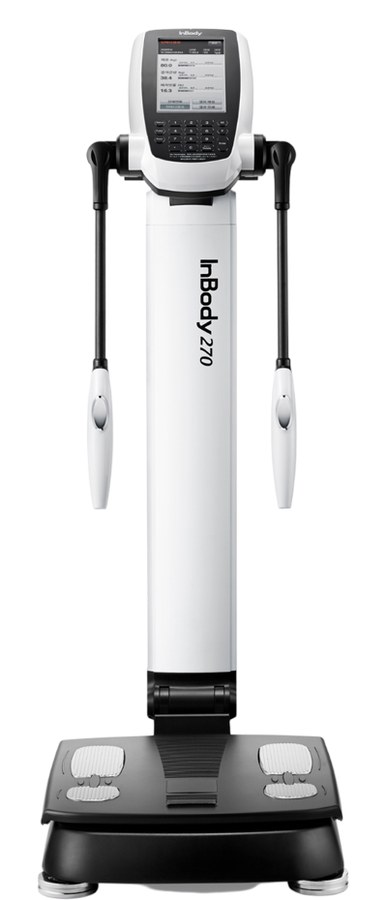
Who Should Not Take an InBody Test? Safety and Cautions
Most adults can step on an InBody analyser without a second thought. A small group should not, and a larger group can test but needs the result read with care. So who should not take an InBody test? InBody’s own user manuals are clear on one point: anyone with an implanted electronic medical device such as a pacemaker, or anyone connected to an essential support device such as a patient monitor, must not be tested.
Everything else on the list is about accuracy rather than danger. That covers pregnancy, metal implants, amputation, swelling, dialysis, periods and young children. This guide explains each one, using the manufacturer’s manuals as the starting point, so you know before you book whether to test, wait, or speak to your doctor first.
The Short Answer, Situation by Situation
| Situation | What InBody’s manuals say | What it means for you |
|---|---|---|
| Pacemaker, ICD or other implanted electronic medical device | Must not use the equipment | Do not test. Ask your cardiologist about other options |
| Connected to an essential support device (for example a patient monitor) | Must not use the equipment | Do not test |
| Pregnancy | The current does not harm the body, but consult your doctor or specialist | Ask your doctor first. Standard ranges are not built for pregnancy |
| Metal implants (plates, rods, joint replacements) | May skew results | You can usually test. Tell the operator and compare only with your own past scans |
| Amputation or limited mobility | May have trouble testing if electrodes cannot be held or stood on | Ask the centre. Some models are set up for these cases |
| Children | Should be supervised or assisted | Check the device’s age range and use child reference ranges |
| Known allergy to stainless steel | Shall not use (stated in InBody’s BWA 2.0 manual) | Tell the operator before testing |
Pacemakers, ICDs and Implanted Electronic Devices
This is the one firm exclusion. The InBody 270 user’s manual states that individuals with medical implant devices such as pacemakers, or essential support devices such as patient monitoring systems, must not use the equipment. Its reason: the safe, low-level current that flows during the test may cause the device to malfunction. The InBody BWA 2.0 manual repeats the same contraindication.
You may come across research suggesting the risk is small. A 2025 systematic review in Heart Rhythm O2 pooled six cohort studies covering 531 patients with pacemakers, defibrillators and resynchronisation devices. None reported clinically significant interference or device malfunction. But the authors rated most of the studies only “fair” in quality and asked for more research. They also warned against extending the findings to consumer wearables.
That research does not override the manufacturer’s instruction, and a test centre should not treat it as permission. If you have a pacemaker or an ICD, do not take the test. If your doctor needs body composition data, they can choose a method that suits your device.
If you have another implanted or body-worn electronic device and are not sure whether it counts, tell the operator before you step on and check with the doctor who manages the device.
Pregnancy: Not Harmful, but Ask First
InBody’s BWA 2.0 manual says the BIA method does not harm the human body because it uses a micro alternating current. In the same paragraph it adds that if you are pregnant, you should consult your doctor or specialist. The InBody 270 manual’s list of who should not test does not mention pregnancy at all.
So the honest summary is that pregnancy is a caution, not a safety ban in the manuals. The practical problem is interpretation. Body water rises during pregnancy, and the healthy ranges printed on a standard result sheet were not built for pregnant women. Our BIA explainer makes the same point: there are no validated reference ranges for pregnancy. Many test centres simply decline pregnant clients for that reason.
If your obstetrician wants body composition tracked, follow their advice. If you are hoping to track postpartum change, it is more useful to start after delivery. Our guide to post-pregnancy weight loss covers that stage.
Metal Implants, Joint Replacements and Cosmetic Implants
Metal in the body is not a safety exclusion in InBody’s manuals. It is an accuracy note. The InBody 270 manual says people with metallic implants may have skewed results because the metal conducts electricity differently. InBody USA’s test guidance is more specific: metal implants may skew fat-free mass results, and cosmetic implants may skew fat mass and percent body fat.
In practice, people with a knee replacement or a plate in the forearm usually test without problems. Two habits make the numbers useful:
- Tell the operator so the implant is noted against your record.
- Compare only with your own earlier scans on the same device. The implant stays constant, so the trend is still meaningful even if one segment reads oddly.
Amputation, Limited Mobility, Children and Older Adults
Standing analysers need you to hold the hand electrodes and stand still on the foot electrodes for the length of the test. The InBody 270 manual notes that children, amputees and older adults may have trouble testing if they cannot do this. It asks that children and people with limited mobility be supervised or assisted.
- Amputation: some InBody models let the operator record amputation status and attach electrodes to the end of the limb. A centre with a standard standing model may not be able to test you accurately. Ask before you go.
- Bed-bound or cannot stand: the manual says testing is impossible if contact with the electrodes cannot be maintained. The manual adds that InBody makes products that test in a lying position, so patients can stay in bed.
- Children: the InBody 270 manual lists a testing age range of 3 to 99 years, a height range of 95 to 220 cm and a weight range of 10 to 250 kg. Other models differ, so check the specific device. Children’s results should be read against child reference ranges, not adult ones. Some models print a separate result sheet for children. Our post on children’s body composition covers why.
Swelling, Dialysis, Lymphoedema and Illness
Bioimpedance estimates body composition from body water, so anything that shifts fluid shifts the result. These readings need clinical context.
- Swelling (oedema): extra fluid outside the cells inflates lean mass. Your ECW ratio is the number to read first. Sudden or one-sided swelling needs a doctor, not a scan.
- Dialysis: results change sharply depending on when the scan is taken relative to a session. Clinicians standardise the timing. See our post on body composition in dialysis care.
- Lymphoedema: segmental water readings can help compare one limb with the other, but interpretation belongs with the treating team.
- Infections and open cuts: InBody’s BWA 2.0 manual says not to touch or use the device with an infectious disease or open cut. Wait until you have recovered, or tell the operator so they can clean the electrodes.
Periods: You Can Test, but Be Consistent
Many gyms ask women not to test during their period. The research is more reassuring than that rule suggests. In a 2017 study of 39 women tested on DXA, air displacement and three BIA devices (two of them InBody models), body fat percentage and total body water did not differ significantly between menstruation and the pre-ovulation phase. Extracellular water was higher during menses in women not using hormonal contraception, and both groups reported feeling more bloated.
So a scan during your period is unlikely to be wildly off, but small fluid shifts are real. If you are tracking month to month, test at the same point in your cycle each time. That matters more than avoiding any particular week.
Meals, Exercise and Sauna: Timing, Not Eligibility
These affect comparability, not eligibility. InBody’s guidance varies slightly by source:
- The InBody 270 manual says not to eat before testing and, if you have eaten, to wait at least two hours. InBody India follows the same two-hour guidance.
- Both say not to exercise beforehand. The manual notes that even light exercise changes body composition temporarily. InBody USA says to test only after you have fully recovered.
- Use the toilet first, test in the morning if you can, and stand for about five minutes before stepping on.
- The BWA 2.0 manual adds: avoid a sauna or bath before testing, and test at room temperature.
When sources differ, follow the protocol of the centre and device you use, and keep it the same every time. The full checklist is in our test preparation guide.
A Screening Checklist for Test Centres
If you run a gym, clinic or pharmacy with an analyser, ask every new client these questions before the first scan and record the answers:
- Do you have a pacemaker, defibrillator or any other implanted electronic medical device? (If yes, do not test.)
- Are you pregnant or could you be? (If yes, ask them to check with their doctor first.)
- Do you have metal implants, joint replacements or cosmetic implants? (Note it on the record.)
- Do you have an amputation, or difficulty standing still for a minute?
- Any swelling, a recent illness, an open cut on the hands or feet, or a known allergy to stainless steel?
- Have you eaten, exercised or had a sauna in the last few hours?
Keep your device’s own user manual at the desk. It is the document that sets the rules for that model.
Frequently Asked Questions
Can I do an InBody scan while pregnant?
InBody’s BWA 2.0 manual says the current does not harm the body but advises pregnant women to consult their doctor or specialist first. The bigger issue is that standard result-sheet ranges are not designed for pregnancy, so readings are hard to interpret. Most centres will ask you to check with your obstetrician.
Is the InBody test safe with a pacemaker?
No. InBody’s manuals state that people with implanted medical devices such as pacemakers must not use the equipment, because the test current may cause the device to malfunction. Some small studies have found no interference, but the manufacturer’s contraindication still applies. Speak to your cardiologist.
Can I take an InBody test if I have a knee replacement or metal plate?
Usually yes. Metal implants are an accuracy caution, not a safety exclusion, in InBody’s guidance. They may skew fat-free mass readings, so tell the operator and compare future results only with your own earlier scans on the same device.
Can I take an InBody test during my period?
Yes. A 2017 study found no significant difference in body fat percentage or total body water between menstruation and pre-ovulation, though extracellular water was slightly higher in some women. For tracking, test at the same point in your cycle each month.
From what age can children take an InBody test?
It depends on the model. The InBody 270 manual lists a testing age range of 3 to 99 years, with a minimum height of 95 cm. Children should be supervised, and their results should be read against child reference ranges rather than adult ones.
Book a Test the Right Way
If none of the exclusions apply to you, find an InBody test centre near you and tell the operator about any implants or conditions before you step on. You can also read what an InBody test involves before you go.
This article is for general education and is not a substitute for medical advice. If you have an implanted device, are pregnant, or have a medical condition, talk to your doctor before taking a body composition test.
Related reading: how to read the InBody results sheet, how BMR is measured, and how creatine changes your scan.

Most trending articles
Student Fitness Screening in India: A Guide for Schools
CBSE HPE, Fit India and Khelo India rely on BMI. How schools and colleges can add body composition screening safely, with child caveats and DPDP consent.
Creatine and Your Body Composition Scan: What Changes
Creatine raises body water and lean mass readings within a week on BIA and DXA. What the studies show and how to time your scans to read progress honestly.
Fitness Testing and Body Composition for Sports Academies
A practical fitness testing battery for Indian sports academies: body composition, grip, jumps, sprints, Yo-Yo, Khelo India context and youth maturation.