
Body Composition 7 min read
Prehabilitation: Body Composition Before Surgery
Why low muscle mass and grip strength predict surgical complications, what prehabilitation trials show, and where BIA fits in an Indian pre-op clinic.
Reading about body composition? Find an InBody test centre near you →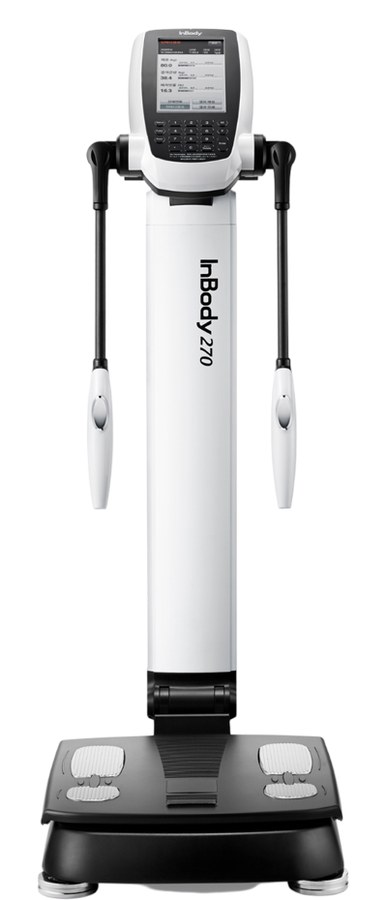
Prehabilitation and Body Composition Before Surgery: A Guide for Indian Hospitals
Low muscle mass and strength before major surgery predict worse outcomes. In a 2023 meta-analysis of elective abdominal surgery, patients with consensus-defined sarcopenia had higher adjusted odds of complications and markedly higher early mortality. Prehabilitation, meaning structured exercise, nutrition and psychological preparation in the weeks before an operation, has reduced complications in trials. A body composition scan and a grip test are quick ways to find the patients who need it most.
This guide is for surgeons, anaesthetists, physicians and hospital administrators. It covers the evidence on muscle as a surgical risk factor, what prehabilitation programmes have shown, where bioimpedance and grip strength fit in a pre-operative clinic, and what they cannot do.
Muscle as a Surgical Risk Factor
Much of the surgical sarcopenia research measures muscle on CT, often at the third lumbar vertebra, because many cancer patients already have a staging scan. Newer work adds strength to the definition. The direction of the findings is consistent:
| Study | Population | Key finding |
|---|---|---|
| Park et al., BJS Open 2023 | 20 studies, 5,421 elective abdominal surgery patients; EWGSOP-defined sarcopenia (mass and strength) | Adjusted OR 1.56 for complications; OR 3.84 for 30-day and 3.73 for 90-day mortality; adjusted HR 1.28 for poorer overall survival |
| Hajibandeh et al., Surgeon 2019 | Emergency (4 studies) and elective (16 studies) abdominal surgery | Sarcopenia linked to about double the 30-day mortality risk (RR 2.15) in both settings |
| Jiang et al., Support Care Cancer 2022 | 8 studies, 2,291 gastrointestinal tumour patients | Low pre-op grip strength: OR 2.23 for total complications, 5.16 for pneumonia |
Indian data are smaller but point the same way. A 2026 prospective study from Bhubaneswar of 53 patients having hepatopancreatobiliary cancer surgery found sarcopenia in 41.5%, with higher rates of total and infective complications in the sarcopenic group. It is a small single-centre study that measured muscle on CT, so treat it as a local signal rather than a precise estimate.
Muscle also falls after surgery. A 2026 meta-analysis of perioperative muscle wasting found significant loss of muscle mass within two weeks and at three to six weeks after major abdominal surgery, with grip strength also declining. Patients who start low have less reserve to lose.
What Prehabilitation Has Shown
Prehabilitation usually combines three elements: supervised exercise (aerobic and resistance), nutritional optimisation with adequate protein, and psychological support, sometimes with smoking cessation.
- The PREHAB trial. In this international randomised trial of 251 colorectal cancer patients, a four-week supervised programme of high-intensity exercise three times a week, nutrition, psychological support and smoking cessation cut severe complications from 29.7% to 17.1% (odds ratio 0.47). Medical complications such as respiratory events also fell. The trial was stopped early because of the COVID-19 pandemic.
- Frail and high-risk patients. A 2024 Clinical Nutrition meta-analysis of 16 studies (3,339 patients, median age 74) found prehabilitation shortened hospital stay by about one day and was associated with up to 44% fewer severe complications (odds ratio 0.56).
- Nutrition with or without exercise. A 2018 Gastroenterology meta-analysis of nine colorectal surgery studies found nutritional prehabilitation, alone or with exercise, reduced hospital stay by about two days. Four of its studies were observational with high risk of bias.
- Exercise and respiratory training. A 2019 World Journal of Surgery meta-analysis of 15 randomised trials before abdominal surgery found lower overall and pulmonary morbidity.
The ESPEN practical guideline on clinical nutrition in surgery frames nutrition as part of Enhanced Recovery After Surgery (ERAS): avoid long pre-operative fasting, restart oral feeding early, start nutritional therapy as soon as risk is identified, and mobilise early to support protein synthesis and muscle function.
Where Body Composition and Grip Fit in the Pre-op Clinic
A CT-based muscle index is only available when a scan has been done for another reason, and it needs time to analyse. Most orthopaedic and general surgical patients will not have one. Bioimpedance and grip give a quick bedside picture:
| Tool | Time | What it adds |
|---|---|---|
| Handgrip dynamometer | About a minute | Muscle strength against AWGS cut-offs (under 28 kg men, under 18 kg women) |
| Bioimpedance scan | About a minute | Skeletal muscle mass, appendicular muscle index, fat percentage and, on models that report it, fluid balance |
| Chair-stand or gait speed | A few minutes | Physical performance and a baseline for recovery |
Low strength together with low muscle mass meets the AWGS definition of sarcopenia. Our guides to grip strength normal values and skeletal muscle mass ranges set out the thresholds. For patients with high BMI, also screen for sarcopenic obesity, where a normal-looking weight hides low muscle for body size.
Malnutrition screening belongs alongside. Under the GLIM framework, reduced muscle mass is a phenotypic criterion for malnutrition; see our post on GLIM criteria.
A Practical Pathway for Elective Surgery
- Identify the window. Prehabilitation needs time. PREHAB used four weeks; the Gastroenterology review required at least seven days of nutrition. Start at the decision to operate, not the day before admission.
- Screen at the first surgical or anaesthesia visit: grip, a body composition scan and a nutrition screen for patients over 65, those with cancer, recent weight loss, diabetes or obesity.
- Triage. Patients with low strength, low muscle or nutritional risk go to a prehabilitation pathway: physiotherapy-led exercise, dietitian review of protein and energy intake, and smoking cessation where needed.
- Re-test before admission on the same device, and again during recovery.
- Feed the result to the team. Surgeons and anaesthetists can factor a documented muscle and strength deficit into consent discussions and post-operative planning.
For hospitals planning equipment, our guide to body composition analysers for hospitals compares model tiers.
Joint Replacement and Older Patients
The same logic applies outside abdominal surgery. In a 2026 study of 205 patients having total knee replacement for severe osteoarthritis, muscle mass was measured before surgery with multi-frequency bioimpedance. Low muscle relative to body size (an ASM/BMI index from the AWGS 2025 update) flagged 32.7% of patients, against 8.8% using the usual height-adjusted index. The patients flagged only by the body-size index had weaker grip and slower walking before surgery, and poorer walking, stair-climbing and quadriceps strength at 12 months.
In the study, the mismatch was more common at BMI 25 or above (41.0% vs 12.0% below 25). A height-adjusted muscle number can look reassuring in a heavier patient whose muscle is low for the load it carries. The study was retrospective and single-country, so it supports screening, not a fixed threshold.
Age matters too. The frail and high-risk patients in the 2024 Clinical Nutrition meta-analysis had a median age of 74, and in that group prehabilitation was linked to shorter stays and fewer severe complications.
What Bioimpedance Cannot Do Before Surgery
- Much of the outcome evidence uses CT, not BIA. A 2017 World Journal of Surgery meta-analysis, for example, pooled radiologically determined sarcopenia. We found less outcome evidence for BIA-defined sarcopenia in surgery. Use BIA to screen and track, not to predict an individual’s complication risk.
- Fluid shifts distort readings. Ascites, oedema, dehydration from bowel preparation and IV fluids all affect bioimpedance. ESPEN’s 2004 guidance found BIA valid in stable hydration but advised caution at extremes of BMI and hydration (ESPEN BIA guideline, part II). Scan before bowel preparation and note any fluid abnormality; the ECW ratio can flag it on models that report it.
- Implanted devices. Check manufacturer guidance for patients with pacemakers or other implanted electronic devices before scanning.
- It does not replace a frailty or anaesthetic assessment. It adds one objective input to the existing pre-operative work-up.
Frequently Asked Questions
Does sarcopenia increase surgical complications?
Meta-analyses link sarcopenia to more complications and higher short-term mortality after abdominal surgery. In one 2023 analysis using a mass-and-strength definition, the adjusted odds of complications were about 1.56 times higher. These are associations from observational studies.
What is prehabilitation?
A programme in the weeks before surgery that combines exercise, nutritional optimisation and psychological support, aimed at improving a patient’s physical reserve so they recover faster and with fewer complications.
How long should prehabilitation last?
There is no single standard. The PREHAB randomised trial used a four-week supervised programme, and studies in one meta-analysis required at least seven days of nutritional prehabilitation. The available time usually depends on how urgent the surgery is.
Can bioimpedance replace CT for pre-operative sarcopenia assessment?
Not for research-grade risk prediction, because most outcome studies used CT. BIA is a practical bedside screen for patients without a recent CT, best combined with grip strength and repeated on the same device.
Which patients should be screened before surgery?
Hospitals usually prioritise older adults, people having cancer or major abdominal surgery, and those with recent weight loss, diabetes, obesity or reduced mobility. Set the criteria in your own protocol.
Does prehabilitation reduce hospital stay?
In pooled analyses, yes: by about one day in frail high-risk abdominal surgery patients and by about two days with nutritional prehabilitation before colorectal surgery, though study quality varies.
Bring Muscle Into Your Pre-operative Assessment
If your hospital is building a prehabilitation or ERAS pathway, explore InBody for hospitals to add body composition to the pre-anaesthesia clinic, pair it with the InGrip handgrip dynamometer, or request a demo and quote.
This article is for healthcare professionals and general education. It is not a substitute for clinical judgement, anaesthetic assessment or individual medical advice.
Related reading: clinical obesity and India’s 2025 definition and body composition after bariatric surgery.

Most trending articles
Student Fitness Screening in India: A Guide for Schools
CBSE HPE, Fit India and Khelo India rely on BMI. How schools and colleges can add body composition screening safely, with child caveats and DPDP consent.
Creatine and Your Body Composition Scan: What Changes
Creatine raises body water and lean mass readings within a week on BIA and DXA. What the studies show and how to time your scans to read progress honestly.
Fitness Testing and Body Composition for Sports Academies
A practical fitness testing battery for Indian sports academies: body composition, grip, jumps, sprints, Yo-Yo, Khelo India context and youth maturation.