
Health 10 min read
Bariatric Surgery in India: Why Up to a Quarter of Your Weight Loss Could Be Muscle, Not Fat [2026 Evidence]
India logged 20,242 bariatric surgeries in 2018 alone, an 86.7% jump in four years. Here's why body composition, not just the scale, should guide recovery.
Reading about body composition? Find an InBody test centre near you →![Bariatric Surgery in India: Why Up to a Quarter of Your Weight Loss Could Be Muscle, Not Fat [2026 Evidence]](https://www.inbody.in/blog/wp-content/uploads/2026/08/bariatric-surgery-body-composition-tracking-india.jpg)
The Scale Says Success. Your Muscles May Tell a Different Story
Six months after bariatric surgery, a patient steps onto the clinic scale and sees a number that would have seemed impossible a year ago — 30, 40, sometimes 50 kilos gone. The family celebrates; the surgeon is pleased with the trajectory. In most cases, that celebration is entirely earned: bariatric surgery remains one of the most effective interventions available for severe obesity and its complications. But the scale that delivered the good news cannot answer a second, equally important question — how much of what was lost was fat, and how much was muscle?
This is not a hypothetical concern. Research on bariatric surgery recovery has repeatedly found that a meaningful share of “weight lost” in the months after surgery is lean tissue, not fat. Left unmanaged, that pattern can leave a patient technically thinner but functionally weaker, with a lower metabolic rate and a harder road back to strength. Body composition tracking — not just the scale — is how a bariatric care team can actually see this happening and respond to it, and it’s standard territory in bariatric nutrition science. Here’s what the research shows, and how it applies to India’s fast-growing bariatric surgery population.
Why Rapid Weight Loss After Bariatric Surgery Puts Muscle at Risk
Bariatric surgery — whether sleeve gastrectomy, gastric bypass, or another restrictive or malabsorptive procedure — works by sharply reducing how much a patient can eat, and in some procedures, how much of what they eat is absorbed. The resulting caloric deficit is far larger and more sudden than almost any voluntary diet. That is precisely what makes it effective for severe obesity, and precisely what makes it a period of real risk for lean tissue: when the body faces a severe, sustained deficit, it does not draw exclusively from fat. Especially when protein intake is inadequate, the body breaks down muscle protein to help meet its energy and amino acid needs.
A systematic review and meta-analysis published in Obesity Reviews in 2022, pooling data from 59 studies, found that bariatric surgery patients lost an average of 8.13 kg of lean body mass in the first 12 months after surgery — including 3.18 kg of skeletal muscle mass specifically. Critically, roughly 55% of that entire year’s lean mass loss happened in just the first three months, with a more gradual decline afterward. That early window is when the risk is highest, and when close monitoring matters most.
A separate study of gastric bypass patients, published in Metabolic Syndrome and Related Disorders, found that the rate of weight loss itself mattered: patients who lost weight fastest lost lean and fat tissue in a ratio closer to 1:3 (close to a quarter of everything lost was lean mass), versus roughly 1:4 in slower losers. Only 3 of 32 patients in that study — about 9.4% — maintained or gained lean mass over follow-up, despite most reporting regular exercise. Exercise alone, without adequate protein, wasn’t enough to protect muscle for most patients.
This matters beyond appearance. Skeletal muscle is metabolically active tissue and a major driver of resting metabolic rate, so excessive muscle loss can quietly lower the calories a body burns at rest, working against long-term weight maintenance. Muscle also underpins the strength to climb stairs, carry groceries, and recover from illness. Preserving it during rapid weight loss is a functional and metabolic goal, which is why bariatric nutrition guidelines treat protein intake and lean mass preservation as core post-surgical care, not an afterthought.
Bariatric Surgery Is Growing Fast in India — Here’s Who’s Getting It
India’s bariatric and metabolic surgery landscape has expanded quickly. According to data collected by the Obesity and Metabolic Surgery Society of India (OSSI) and published in the journal Updates in Surgery, 20,242 bariatric and metabolic surgical procedures were performed in India in 2018 — an 86.7% increase from 2014. The mix has also shifted: laparoscopic sleeve gastrectomy’s share fell from 68% to 48% of all procedures over that period, while one-anastomosis gastric bypass grew from 14% to 34%, and Roux-en-Y gastric bypass held steady at 15–16% — a growing, diversifying field treating more patients every year.
Who qualifies matters too, and it echoes something this blog has covered before: Indians tend to develop obesity-related health risks at lower BMI levels than Western populations. OSSI’s clinical guidelines, aligned with IFSO-Asia Pacific Chapter criteria, recommend surgery for patients with a BMI of 35 kg/m² or higher, a BMI of 30 kg/m² or higher with obesity-related comorbidities, or — notably — a BMI as low as 27.5 kg/m² for patients with uncontrolled type 2 diabetes not responding to medical therapy. These thresholds sit deliberately lower than a purely weight-based standard would suggest, reflecting the well-documented tendency of Indians to accumulate visceral fat and develop metabolic disease at a lower body weight than other populations.
Access has improved too. In 2019, India’s insurance regulator, the IRDAI, directed insurers to cover bariatric and metabolic surgery when specific medical criteria are met — though surgeons surveyed by OSSI report real-world implementation, including claim approvals, remains inconsistent. Even so, expanding indications and improving access point toward a bariatric surgery population in India that will keep growing — making post-surgical recovery monitoring a large-scale question, not a niche one.
Why the Scale Alone Can’t Tell Your Bariatric Team What They Need to Know
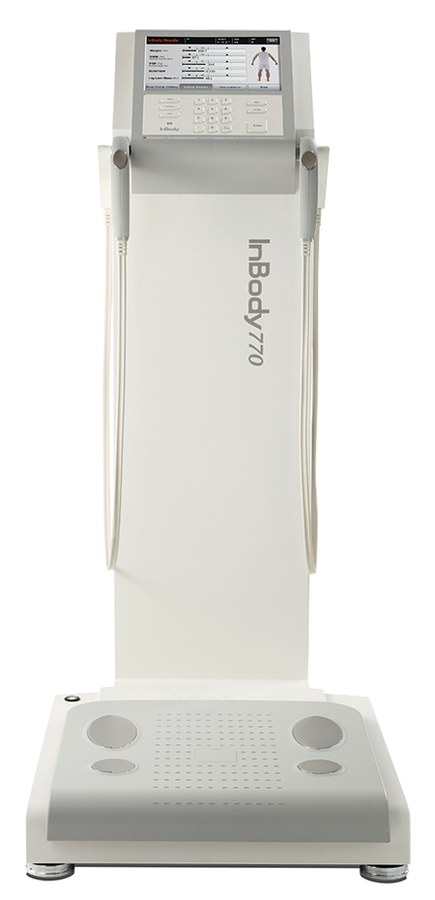
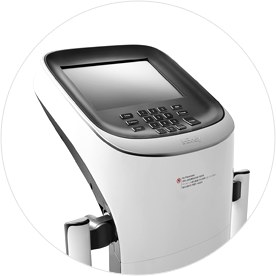
A bathroom scale, or a BMI calculation derived from it, measures total mass. It cannot distinguish a kilogram of fat loss from a kilogram of muscle loss from a kilogram of fluid shift — and all three change substantially after bariatric surgery, sometimes in opposite directions at once. This is exactly why the research cited above relied on tools like bioelectrical impedance analysis (BIA, the technology behind InBody testing) or DXA scanning rather than scale weight alone: researchers needed to separate fat loss from muscle loss to understand what was actually happening inside the body, because the scale could not tell them.
The same logic applies in a clinical recovery setting. A body composition assessment gives a bariatric care team distinct readings for Skeletal Muscle Mass, Percent Body Fat, and body water distribution (via the ECW/TBW ratio), rather than one blended number. Tracked through recovery — a pre-operative baseline, then follow-up scans in the months after surgery — this shows the actual ratio of fat loss to muscle loss a specific patient is experiencing, not an assumption based on the scale trend. If muscle loss is running ahead of what’s expected, that’s a concrete signal the team can act on: adjusting protein targets, referring for physiotherapy once medically cleared, or investigating a possible nutritional deficiency.
To be clear about what this is and isn’t: body composition tracking complements a bariatric team’s existing monitoring protocol — the blood work, vitamin panels, dietitian consultations, and surgical follow-up that already form the backbone of safe bariatric aftercare. It does not replace any of that, and nothing here substitutes for guidance from your own bariatric surgeon, dietitian, and physiotherapist. What it adds is one specific, otherwise invisible piece of information: whether the weight coming off is the weight you actually want to lose.
What to Discuss With Your Bariatric Team During Recovery
None of the following is intended as standalone medical instruction. Each point is something to raise directly with your bariatric surgical team, dietitian, or physiotherapist, who can tailor it to your specific procedure, timeline, and health status.
| Population | Typical protein guidance | Source |
|---|---|---|
| Healthy, sedentary Indian adult | Roughly 0.8–1.0 g protein per kg body weight per day | ICMR-NIN 2020 Dietary Guidelines |
| Post-bariatric surgery patient | Minimum 60g/day; up to 1.5 g per kg ideal body weight per day, individualized up to 2.1 g/kg under dietitian guidance | AACE/TOS/ASMBS/OMA/ASA 2019 Clinical Practice Guidelines |
- Confirm your individual protein target, and revisit it as recovery progresses. Guidelines set a minimum of 60g of protein per day post-surgery, with individualized targets running considerably higher. Your dietitian sets the number that fits your procedure and recovery stage.
- Prioritize protein at each small meal, not just once a day. Because bariatric procedures reduce stomach capacity substantially, spreading protein across several small meals — rather than one or two large ones — tends to be more realistic and better tolerated.
- Ask when and how to reintroduce movement, including resistance work. Early recovery typically centers on walking, with structured resistance training added later once your surgical team clears you. The exact timeline should come from your own care team, not a general guideline.
- Ask your team about a body composition testing schedule. Since a large share of a typical year’s lean mass loss happens in the first three months after surgery, a pre-surgery baseline and early follow-up scans can be especially informative — ask whether this fits your specific follow-up plan.
- Know the warning signs worth flagging early. Unusual weakness, fatigue out of proportion to your weight loss, new difficulty with everyday tasks like climbing stairs, or slow wound healing are worth raising with your team promptly, not waiting for a scheduled visit.
- Keep up with the vitamin and mineral panels your team already orders. Deficiencies in iron, vitamin D, and B12 are common after bariatric procedures and can independently affect muscle strength. Body composition tracking complements these labs — it does not replace them.
Frequently Asked Questions
Does bariatric surgery cause muscle loss?
Yes, to some degree, in most patients — it’s a well-documented part of recovery. A 2022 meta-analysis of 59 studies found bariatric surgery patients lost an average of 8.13 kg of lean body mass in the first 12 months, with roughly 55% of that loss happening in just the first three months. This isn’t a reason to avoid surgery — it’s a reason to protect muscle deliberately, guided by your bariatric team.
How much of the weight I lose after bariatric surgery will be muscle instead of fat?
It varies by individual, procedure, and how well protein and activity targets are met. A gastric bypass study found patients losing weight fastest lost lean and fat tissue in roughly a 1:3 ratio — close to a quarter of total weight lost was lean mass — versus roughly 1:4 in slower losers. Only about 9.4% of patients in that study maintained or gained lean mass, despite most reporting regular exercise.
How much protein should I eat after bariatric surgery?
Clinical guidelines (AACE/TOS/ASMBS/OMA/ASA, 2019) recommend a minimum of 60g of protein per day after bariatric surgery, rising to as much as 1.5g per kg of ideal body weight per day, individualized up to 2.1g/kg for some patients — notably higher than the general adult RDA of roughly 0.8–1g/kg. Confirm your specific target with your bariatric dietitian.
When can I start strength training after bariatric surgery?
This should be decided with your surgical team, not started independently. Early recovery centers on walking, with structured resistance training added later as healing progresses. General guidance points toward eventually building up to 150–300 minutes of moderate activity weekly plus strength training two to three times a week — but your specific timeline should come from your surgeon and physiotherapist.
What are warning signs of excessive muscle loss after bariatric surgery?
Signs worth flagging include unusual or worsening weakness, fatigue disproportionate to your weight loss, new difficulty with everyday tasks like climbing stairs, prolonged dizziness, or slow wound healing. These can reflect inadequate protein intake, a nutritional deficiency, or excessive lean mass loss — exactly what your team’s follow-up labs and assessments exist to catch early.
Is body composition testing a replacement for my bariatric team’s follow-up appointments?
No. Body composition testing complements — but does not replace — the monitoring protocol set by your bariatric surgical team, including blood work, vitamin panels, and clinical follow-up. It adds one specific, otherwise-invisible data point: whether your weight loss is coming from fat, muscle, or water. Always share results with your team so they can interpret them alongside the rest of your care.
Why doesn’t the bathroom scale show whether I’m losing muscle after bariatric surgery?
A scale measures total mass, not composition — it can’t distinguish a kilogram of fat from a kilogram of muscle from a kilogram of water, all of which shift substantially after bariatric surgery. Body composition testing separates these into distinct readings — skeletal muscle mass, body fat percentage, water balance — giving your care team information a scale simply can’t provide.
Ask Your Bariatric Team About Body Composition Tracking
Bariatric surgery is changing tens of thousands of lives in India every year, and that number keeps growing. Nothing here argues against surgery — it argues for recovering from it with full information, not just a shrinking number on a scale. Whether the weight you’re losing is fat, or muscle you’ll need for the rest of your life, is worth answering together with the surgical team already managing your care.
If you work in a hospital or clinical setting supporting bariatric patients, learn more about body composition analysis in hospital care pathways at inbody.in/inbody-for-hospitals.php. For more on protecting muscle through major weight change, see our guides to sarcopenia and age-related muscle loss in India, how body composition drives Type 2 diabetes reversal — relevant for bariatric patients managing diabetes too — and our protein powder guide for India for meeting elevated post-surgical protein targets.

Most trending articles
Hypothyroidism Symptoms in India: Signs Most People Miss
1 in 10 Indian adults has hypothyroidism, and it hides behind ordinary tiredness. The early signs most people blame on stress, age, or a new baby.
वज़न बढ़ाने के लिए क्या खाएं? सही डाइट प्लान (सिर्फ ज़्यादा खाना नहीं)
सिर्फ ज़्यादा खाने से मांसपेशी नहीं बनती, चर्बी बढ़ सकती है। सही कैलोरी सरप्लस, प्रोटीन और डाइट प्लान जो वज़न को सही तरीके से बढ़ाए — पूरी जानकारी हिंदी में।
भारत में प्रोटीन कितना ज़रूरी है? असली आंकड़े और सही फॉर्मूला
IMRB के एक सर्वे में लगभग 73% भारतीय आहार प्रोटीन-कम पाए गए। सही प्रोटीन टारगेट कैसे निकालें और किन फूड्स से पूरा करें — पूरी जानकारी हिंदी में।