
Body Composition 11 min read
India’s Marathon Boom Has a Blind Spot: Nearly Half of Endurance Athletes Are Running on Empty
India's runner base has grown 2.5x since 2019. Research shows 44.7% of endurance athletes run low on fuel, risking RED-S. Here is how to catch it early.
Reading about body composition? Find an InBody test centre near you →
Ten Weeks Into Marathon Training, the Scale Looks Like a Win. Your Muscle Might Disagree.
Across Bangalore, Mumbai, Delhi and a dozen other Indian cities, a familiar story plays out every training season: someone signs up for their first half or full marathon, weekly mileage climbs, the scale drops, and the compliments start — “you look so lean now.” What almost nobody checks is whether that lighter number is fat loss, or the earliest visible sign of Relative Energy Deficiency in Sport (RED-S) — a real, IOC-documented syndrome caused by under-fuelling relative to training load, not a fad diagnosis, and one that a growing body of sports-science research suggests is common among ordinary amateur runners, not just professionals.
This matters more in 2026 than it ever has, because India is mid-way through a genuine running boom. The 18th TCS World 10K Bengaluru drew over 36,000 runners this year; the Tata Mumbai Marathon crossed a record 69,100 confirmed participants, up from roughly 22,000 at its 2004 founding; and the Vedanta Delhi Half Marathon closed registrations early after crossing 39,500 runners the previous edition. Strava data shows running-club activity in India grew 59% year-on-year — one of the fastest rates anywhere in the world. Millions of first-time and repeat marathoners are training harder than they ever have. The question body composition science raises is simple: are they eating like it?
What RED-S Actually Is — And Why It Is Not the Same as “Eating Less”
RED-S is not a synonym for being in a calorie deficit. It is a specific, measurable state called low energy availability (LEA) — the energy left over for the body to run its basic functions (hormones, bone remodelling, immune defence, reproduction) once the cost of training is subtracted from what you eat. Sports scientists calculate it as (energy intake − exercise energy expenditure) ÷ fat-free mass, expressed in kcal per kilogram of fat-free mass per day.
Research has established rough zones: above roughly 45 kcal/kg of fat-free mass per day supports normal hormonal function; 30-45 kcal/kg/day is a suboptimal, at-risk zone; and below 30 kcal/kg/day is the threshold sports medicine classifies as low energy availability — the trigger for RED-S. Crucially, you can cross this threshold while eating what looks, on paper, like a completely normal diet. The problem is rarely the food in isolation; it is the food relative to a training volume that has quietly doubled or tripled since marathon training began.
The International Olympic Committee first defined this syndrome in 2014, broadening it from the older “Female Athlete Triad” (disordered eating, amenorrhea, and low bone density) to recognise that low energy availability damages far more systems, in both men and women. Its most recent update — the 2023 IOC consensus statement on RED-S, published in the British Journal of Sports Medicine — details how sustained LEA disrupts a wide range of physiology: reduced resting metabolic rate, suppressed reproductive hormones, impaired bone formation, weakened immune function, and, critically for anyone reading a body composition report, the direct loss of skeletal muscle mass as the body breaks down lean tissue for fuel once fat mobilisation cannot keep pace with demand.
How common is this, really? A 2024 systematic review and meta-analysis in the journal Sports Medicine, pooling 46 studies and over 6,100 athletes, found that 44.7% had low energy availability — 44.2% of women and 49.4% of men. A separate study of competitively trained, non-elite male endurance athletes found 47.2% at risk of LEA, with roughly 80% showing at least some degree of risk. Among 1,899 trail runners in another study, 43% were at risk of low energy availability and 43% were at risk of disordered eating. These are not elite-only figures — they describe recreational and sub-elite athletes, the exact population now flooding into Indian marathon training plans.
The consequences compound across a training cycle. Classic research on runners (Sanborn et al.) found amenorrhea prevalence rose from roughly 3% at 10 km of weekly training to around 60% once weekly volume passed 100 km — a relationship later research has repeatedly traced back to the same energy-availability pathway. LEA is also a major driver of bone stress injuries, which occur 1.8 to 2.3 times more often in female runners than male runners. None of this requires a diagnosed eating disorder — it only requires training load rising faster than fuelling, for long enough.
Why India’s Running Boom Is a Perfect Setup for Under-Fuelling
The scale of India’s running boom is not exaggeration. The country’s registered running population has grown roughly 2.5 times in five years — from an estimated 1 million runners in 2019 to around 2.5 million today — and India now hosts more than 1,500 organised running events annually. The NMDC Hyderabad Marathon alone grew from 1,250 runners at its 2011 debut to 28,300 in 2025. At the 2026 TCS World 10K Bengaluru, the 25-29 age group was the single largest cohort for the first time — a sign this boom is driven substantially by young, working professionals training around full-time jobs, not lifelong athletes with sports-science support.
That combination — high ambition, rising mileage, and little formal guidance — is precisely the setup RED-S research warns about. Three factors make it worse in the Indian context specifically:
- Calorie-phobia is the default fitness culture. Most popular Indian fitness messaging is built around eating less and watching the scale go down, not fuelling for output. A first-time half marathoner is far more likely to hear “cut carbs, eat clean” than “you need more food now that you’re running 40 km a week.”
- “Thin” is still read as “fit.” Running culture has been documented internationally to normalise chasing an “optimal race weight” and treating leanness as a proxy for fitness. In India, where looking leaner after starting a running habit is almost always celebrated rather than questioned, that message lands even harder.
- Sports-nutrition guidance rarely reaches amateur runners. Registered sports dietitians remain concentrated around professional and academy-level athletes; recreational runners training for city marathons largely self-direct their nutrition, often leaning on generic “weight loss” advice never designed for someone running 50-plus km a week.
This is not a hypothetical risk for India. A 2024 case series published in the Journal of Orthopaedic Case Reports documented young Indian female runners and endurance athletes presenting with stress fractures, whose calculated energy availability came out dramatically below the clinical LEA threshold of 30 kcal/kg of fat-free mass per day — in one case alongside severely deficient vitamin D (11 nmol/L) — after diets that had cut fats and carbohydrates specifically to manage weight during training. One case was formally diagnosed as Relative Energy Deficiency Syndrome. These were not elite athletes with sports-science teams; they were the same profile of committed amateur runner now training across Indian cities in record numbers.
Why Your Body Composition Report Tells a Truer Story Than the Scale
The core problem with judging marathon training progress by weight or mirror alone is that both can send exactly the wrong signal. Weight can fall while body fat percentage rises and skeletal muscle mass falls in parallel — because water weight, glycogen stores, and lean tissue can all drop under sustained under-fuelling, and a shrinking scale number reads as success regardless of which tissue actually disappeared. A runner can look leaner in photos while their body composition tells the opposite story of what they believe is happening.
This is where a body composition test earns its place inside a training plan, and two numbers matter more than any other for a runner specifically:
Skeletal Muscle Mass (SMM) Trend
A single SMM reading is a snapshot. The trend across a training block — tested every 8-12 weeks through a marathon build — is the real signal. Muscle mass holding steady or building slightly alongside a training-appropriate rise in food intake suggests fuelling is keeping pace. Muscle mass sliding downward while training volume climbs is one of the clearest early warnings available for low energy availability, often showing up weeks or months before a stress fracture, a missed period, or a performance plateau forces the issue into the open.
Phase Angle
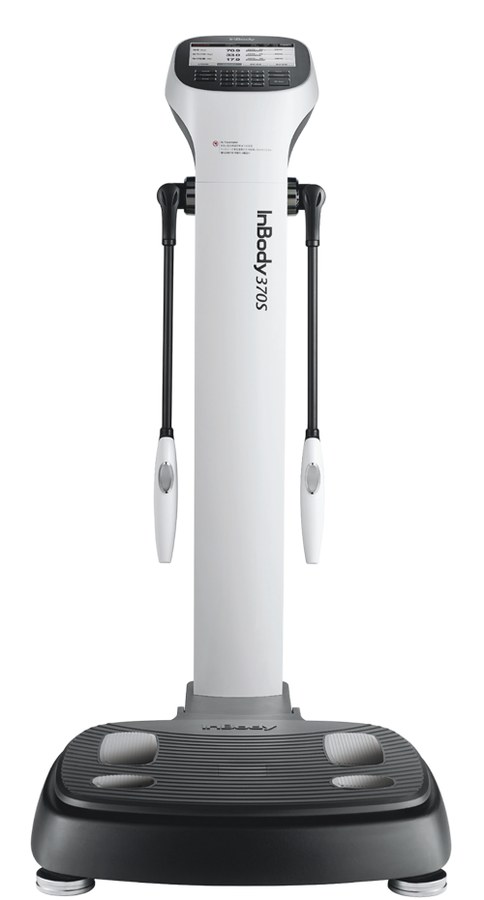
Phase angle is a raw measurement generated directly from a bioelectrical impedance test. Sports-science research describes it as a marker of cell membrane integrity and cellular health — one that correlates with muscle quality and physical performance in athletes, and that researchers have used to track fatigue and recovery status across a training cycle. Because phase angle reflects cell health rather than simply mass, it can pick up strain that a weight or fat-percentage number alone would miss.
Together, a falling SMM trend and a drifting-down phase angle during a heavy training block are a legitimate, data-backed reason to have a conversation about fuelling — well before RED-S becomes a clinical diagnosis or an injury forces a break from training altogether.
Six Practical Steps for Runners Training Through India’s Race Season
- Increase food intake as mileage increases — deliberately, not by feel. If your weekly volume has gone from 20 km to 50 km, your energy needs have gone up meaningfully too. Treat a training block as a time to eat more, not less, especially carbohydrate.
- Fuel around key sessions, not just around meals. Long runs and speed sessions need carbohydrate before and after — within roughly 30-60 minutes post-run — to support glycogen refilling and muscle repair. Training fasted for long runs, a popular shortcut for “extra fat burn,” works directly against this.
- Prioritise protein through the training block, not just after it. Endurance training increases protein turnover, and runners also trying to manage weight are at the highest risk of under-eating protein — the nutrient most protective of muscle mass under training stress.
- Know the red flags and take them seriously. Missed or irregular periods, recurring niggles or stress fractures, unusually slow recovery between sessions, constantly feeling cold or fatigued, and a performance plateau or decline despite more training are not things to push through — they are the classic RED-S warning signs sports medicine watches for.
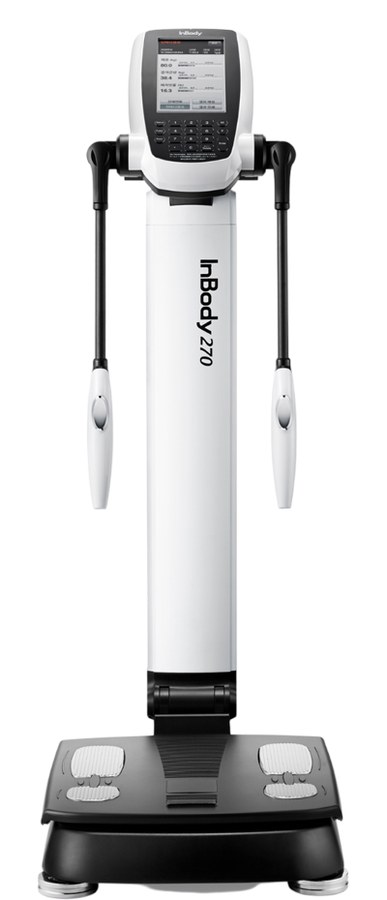
- Test body composition on a schedule, not just before race day. A baseline before your training block begins, then a recheck every 8-12 weeks, lets you see your SMM and phase angle trend while there is still time to correct course.
- Bring in a sports nutritionist if red flags appear — or before they do. Access to sports dietitians is limited at the grassroots level in India, but even a single consultation to calculate your energy needs against your training plan is far cheaper than a stress fracture six weeks before race day.
Frequently Asked Questions
What is RED-S (Relative Energy Deficiency in Sport)?
RED-S is a syndrome caused by low energy availability — eating too little relative to training load, not simply eating “too little” in absolute terms. First defined by the IOC in 2014 and updated in its 2023 consensus statement, it disrupts hormones, bone health, immune function, metabolism, and muscle mass, and can affect any athlete, amateur or elite, male or female.
Can marathon training cause muscle loss even if I feel like I’m eating normally?
Yes. RED-S is defined relative to training load, not by how much you eat in absolute terms. A diet that looks completely reasonable at 20 km of weekly running can become a significant energy deficit once weekly mileage climbs past 40-50 km, because energy needs rise with training volume even if intake stays the same.
Is RED-S only a risk for elite or professional athletes?
No — if anything, amateur and recreational endurance athletes may face similar or higher risk, since they rarely have access to sports dietitians. Studies of non-elite endurance athletes and trail runners have found low-energy-availability risk in roughly 4 out of 10 participants, comparable to rates seen in more competitive athletes.
What are the warning signs that a runner might be under-fuelling?
Missed or irregular periods in women, recurring stress fractures or slow-healing niggles, unusually poor recovery between sessions, persistent fatigue or feeling cold, low libido, and a performance plateau or decline despite increased training are the classic red flags sports medicine associates with low energy availability and RED-S.
Is losing weight while marathon training always a bad sign?
Not necessarily — but it needs context. Weight loss driven by fat loss while muscle mass holds steady or improves is a normal, healthy response to training. Weight loss accompanied by falling skeletal muscle mass, a declining phase angle, or any RED-S red flags is a signal to increase fuelling, not a result to celebrate.
What body composition numbers should runners track during training?
Skeletal Muscle Mass (SMM) trend and phase angle are the two most useful markers for catching under-fuelling early, alongside percent body fat. Testing every 8-12 weeks through a training block — rather than only before a race — is what turns these into a trend you can act on, instead of a single number you can misread.
Train Hard. Fuel Like It. Know Your Numbers.
India’s running boom is a genuinely good thing — more people moving, training toward a goal, and building a habit that can pay off for decades. The risk is not running itself; it is running harder while quietly eating like you are trying to lose weight, instead of trying to finish 21 or 42 kilometres strong. RED-S is real, well-documented, and avoidable — but only if you can see it coming.
A body composition test gives you that visibility: your Skeletal Muscle Mass trend, your phase angle, your Percent Body Fat, and your InBody Score, tracked across a training block rather than guessed at from a mirror or a race-day weigh-in. Find your nearest InBody test centre and get tested before your next training block begins at inbody.in/inbody-test.
Related reading: Running vs Weight Training for Fat Loss in India, Protein Powder in India 2026, and InBody vs DEXA vs Skinfold Calipers for more on fuelling and tracking your training.
