
Health 9 min read
Hypothyroidism Symptoms in India: Signs Most People Miss
1 in 10 Indian adults has hypothyroidism, and it hides behind ordinary tiredness. The early signs most people blame on stress, age, or a new baby.
Reading about body composition? Find an InBody test centre near you →
Hypothyroidism Symptoms in India: Signs Most People Miss
You are tired in a way sleep does not fix. You have gained 2–3 kg without eating any differently. You are cold when everyone else in the room is fine. Most people run through a mental checklist before they think of their thyroid — stress, age, a new baby, “just how life is now.” That is exactly the problem. Hypothyroidism symptoms look so much like ordinary tiredness that the condition hides in plain sight for years.
A landmark eight-city study published in the Indian Journal of Endocrinology and Metabolism found that roughly 1 in 10 Indian adults has hypothyroidism — and women are affected far more often than men. Most of them are not walking around with a dramatic symptom. They are walking around with fatigue, a stubborn 2–5 kg, and a normal-looking annual checkup, because the one test that would catch it — TSH — is rarely ordered unless someone asks.
This is not the article about managing body composition after a thyroid diagnosis — we have already covered that in detail. This is the article for before that: the signs worth noticing, why they get missed, and what to actually ask your doctor for.
Why Hypothyroidism Symptoms Are So Easy to Miss in India
Three things conspire against early diagnosis. First, the symptoms overlap almost completely with normal life in a demanding job market — fatigue, low mood, and weight gain are what a stressful year in urban India looks like anyway. Second, hypothyroidism symptoms overlap heavily with other common conditions: PCOS, iron-deficiency anemia, perimenopause, and ordinary postpartum exhaustion all share the same short list of complaints. Third, routine annual health checks in India frequently skip TSH testing unless a doctor is specifically asked, since it is not part of every standard package.
The result is a diagnostic gap. Women are 5–8 times more likely to develop hypothyroidism than men, and the condition is frequently autoimmune (Hashimoto’s thyroiditis) rather than iodine-related, which means it can develop gradually over years before crossing into a range a standard blood report flags as abnormal. Subclinical hypothyroidism — a mildly elevated TSH with a still-normal T4 — affects an additional 8–10% of the population and often produces real symptoms that get dismissed because the report says “borderline.”
The Early Signs of Hypothyroidism
Per the U.S. National Institute of Diabetes and Digestive and Kidney Diseases, no single symptom on this list confirms hypothyroidism on its own — several have other causes. But if you recognise four or more of these in yourself, especially the constellation of fatigue, weight change, and cold intolerance together, it is worth asking for a TSH test rather than waiting for the next annual checkup.
- Fatigue that sleep does not fix. Not “sleepy,” but a heaviness that eight hours of rest does not resolve — because a slowed thyroid lowers cellular energy production, not just alertness.
- Weight gain of 2–5 kg without a diet or activity change. A slower Basal Metabolic Rate means the same food intake that once maintained your weight now adds to it.
- Feeling cold when others are comfortable. Thyroid hormone regulates thermogenesis; low levels leave you reaching for a shawl in a room everyone else finds fine.
- Dry skin and brittle nails. Reduced thyroid hormone slows skin cell turnover and sweat gland activity.
- Hair thinning, including the outer third of the eyebrows. A classic but underrecognised sign — hair follicles are highly sensitive to thyroid hormone levels.
- New or worsening constipation. Thyroid hormone speeds gut motility; when it drops, digestion slows down with it.
- Puffiness around the eyes or face. Fluid retention from hypothyroidism (myxedema) shows up first in soft tissue around the face.
- Heavier, longer, or irregular periods. Thyroid hormone interacts directly with the menstrual cycle; irregular or heavy bleeding is one of the more common but least-connected symptoms.
- Muscle aches, stiffness, or cramping that is not explained by a new workout or injury.
- A slower resting heart rate or low-normal blood pressure that shows up on a fitness tracker or a routine vitals check.
- Brain fog, forgetfulness, or a flat mood that feels unlike your normal baseline.
- A hoarse voice or a sense of fullness in the neck — worth mentioning to a doctor immediately, as it can indicate a goiter.
Symptoms That Show Up Differently — Postpartum and Midlife
Postpartum Thyroiditis
Thyroid inflammation in the months after delivery is common enough that it has its own name — postpartum thyroiditis — and it is one of the most frequently missed diagnoses in Indian new mothers, because every symptom it produces already has an obvious explanation: a newborn.
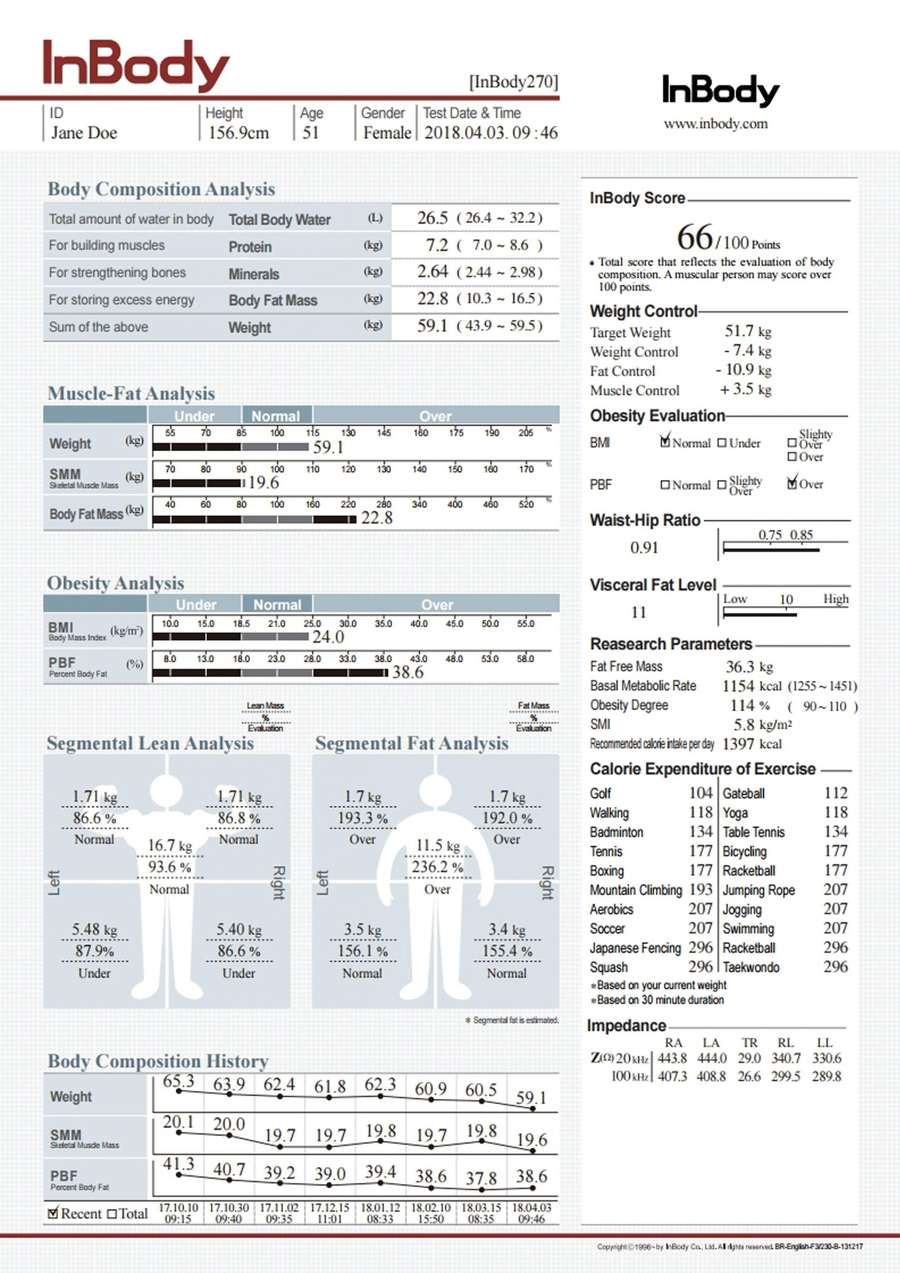
Illustrative example — composite based on typical patient profiles. A 34-year-old in Mumbai, eight months post-delivery and breastfeeding, is told by the scale that she is 4 kg above her pre-pregnancy weight. She assumes it is simply “baby weight” that has not shifted yet. What is actually happening is more specific: she has lost roughly 3 kg of muscle to post-pregnancy and sleep-deprivation-related atrophy, gained 5 kg of fat, and is carrying 2 kg of water retention consistent with an underactive thyroid phase. The fix is not “lose 4 kg.” It is rebuild the muscle, address the fat, and get the thyroid checked — three different problems that the bathroom scale reports as one number.
A population-based cohort study of pregnant women in North India found meaningful rates of undertreated and untreated hypothyroidism through pregnancy and the postpartum period, with real consequences for both mother and child when it goes unaddressed. If fatigue, mood changes, or stalled weight loss persist for months after delivery — well past the point “newborn exhaustion” should be easing — a TSH test is a five-minute way to rule the thyroid in or out.
Perimenopause Overlap
Hypothyroidism risk rises with age, and its symptoms — fatigue, weight gain, mood changes, irregular cycles — overlap almost exactly with perimenopause. Many women in their 40s and early 50s are told their symptoms are “just menopause” without a TSH test ever being ordered to rule out a second, treatable contributor running alongside it.
When “Eat Less, Move More” Advice Is the Wrong Answer
The bathroom scale is the worst tool available for figuring out why your weight has changed, and hypothyroidism is one of the clearest examples of why. A scale cannot distinguish between fat gained from a slower metabolism, muscle lost to reduced protein synthesis, and water retained from fluid imbalance — it reports one number and lets you draw the wrong conclusion from it.
This matters because the standard advice for unexplained weight gain — eat less, exercise more — assumes a calorie-balance problem. For someone with untreated or undertreated hypothyroidism, it is at least partly a hormone problem, and calorie restriction alone on top of an already-slowed metabolism can leave a person exhausted, still gaining, and blaming themselves for a lack of discipline that was never the actual issue. Getting the thyroid evaluated — and, once treated, tracking what actually changed in muscle, fat, and water rather than relying on the scale’s single number — gives a far more honest picture of what is happening and what to do about it.
Getting Tested: What to Actually Ask For
- Ask for a TSH test specifically. It is often not included by default in routine annual panels — you may need to request it by name.
- If TSH is borderline, ask for Free T4 and anti-TPO antibodies. These distinguish subclinical hypothyroidism from autoimmune Hashimoto’s thyroiditis, which changes how it is monitored.
- Track symptoms, not just the lab report. A TSH result in the “normal” range does not rule out symptoms if you are on the wider edge of that range — describe what you are experiencing clearly rather than accepting “your report is fine” at face value.
- If postpartum or perimenopausal, say so explicitly. These are the two windows most likely to have thyroid symptoms attributed to something else by default — naming the possibility gets it tested rather than assumed.
- If already diagnosed, do not stop at a normal TSH. Muscle mass and visceral fat can remain affected even after medication normalises your bloodwork — see our detailed guide on thyroid and body composition recovery for what to track next.
Frequently Asked Questions
What are the first signs of hypothyroidism?
The earliest and most common signs are fatigue that does not improve with rest, unexplained weight gain of 2–5 kg, feeling cold more than those around you, dry skin, and constipation. These often appear gradually over months, which is exactly why they get attributed to stress or a busy schedule rather than investigated as a group of related symptoms.
Can hypothyroidism cause weight gain without eating more?
Yes. An underactive thyroid lowers your Basal Metabolic Rate — in clinical hypothyroidism it can fall by 30–40% — so the same food intake that previously maintained your weight can start adding to it. Some of the early weight change is also fluid retention rather than fat, which is one reason the scale alone is a poor way to interpret it.
How is hypothyroidism diagnosed in India?
Diagnosis starts with a TSH (thyroid-stimulating hormone) blood test. If TSH is elevated or borderline, doctors typically add a Free T4 test and, where autoimmune disease is suspected, an anti-TPO antibody test to check for Hashimoto’s thyroiditis. TSH is not always included in default annual health check packages in India, so it is worth requesting by name if you have symptoms.
Can hypothyroidism symptoms be mistaken for something else?
Frequently. Fatigue, weight gain, mood changes, and irregular periods overlap with PCOS, iron-deficiency anemia, perimenopause, and ordinary postpartum recovery. This overlap is a major reason hypothyroidism in India often goes undiagnosed for extended periods — the symptoms rarely stand out as unusual on their own.
Does postpartum thyroid inflammation go away on its own?
Postpartum thyroiditis often resolves within 12–18 months, but it can pass through both underactive and overactive phases, and a subset of women go on to develop permanent hypothyroidism afterward. It should still be diagnosed and monitored by a doctor rather than assumed to be temporary “new mother” fatigue.
Is hypothyroidism curable or only manageable?
Most hypothyroidism in adults, particularly Hashimoto’s-related cases, is a lifelong condition managed with daily levothyroxine rather than cured. With consistent treatment and monitoring, symptoms are typically well controlled, though body composition changes that occurred before diagnosis often need active nutrition and resistance training to fully reverse.
Don’t Wait for the Symptoms to Add Up on Their Own
Hypothyroidism is common, treatable, and routinely missed — not because it is rare or mysterious, but because its symptoms look exactly like an ordinary hard year. If you recognise several of the signs above, the next step is a simple TSH blood test, not another round of “eat less, move more.”
If you are already diagnosed and treated but the scale still is not telling you the full story, body composition testing shows what medication alone does not: how much muscle you have rebuilt, whether visceral fat has actually come down, and whether your body’s water balance has normalised.
Book an InBody body composition test at inbody.in/inbody-test.php, or find an InBody-equipped centre near you to get a clear, measured starting point — whatever stage of the thyroid journey you’re at.
Related reading: thyroid disorders and body composition recovery, PCOS and body composition in Indian women, and postpartum body recomposition for Indian mothers.

Most trending articles
वज़न बढ़ाने के लिए क्या खाएं? सही डाइट प्लान (सिर्फ ज़्यादा खाना नहीं)
सिर्फ ज़्यादा खाने से मांसपेशी नहीं बनती, चर्बी बढ़ सकती है। सही कैलोरी सरप्लस, प्रोटीन और डाइट प्लान जो वज़न को सही तरीके से बढ़ाए — पूरी जानकारी हिंदी में।
भारत में प्रोटीन कितना ज़रूरी है? असली आंकड़े और सही फॉर्मूला
IMRB के एक सर्वे में लगभग 73% भारतीय आहार प्रोटीन-कम पाए गए। सही प्रोटीन टारगेट कैसे निकालें और किन फूड्स से पूरा करें — पूरी जानकारी हिंदी में।
Metabolic Age क्या होती है? आपकी उम्र से ज़्यादा है या कम?
आपकी असली उम्र 34 है पर शरीर 50 साल जैसा व्यवहार कर सकता है। Metabolic age क्या है, मांसपेशी घटने के जोखिम क्या हैं और इसे कैसे घटाएं — पूरी जानकारी।