
Body Composition 8 min read
Body Composition Analysis for Aesthetic Clinics in India
What body composition analysis can and cannot show for fat freezing and liposuction clients, and how aesthetic clinics in India use it in consults.
Reading about body composition? Find an InBody test centre near you →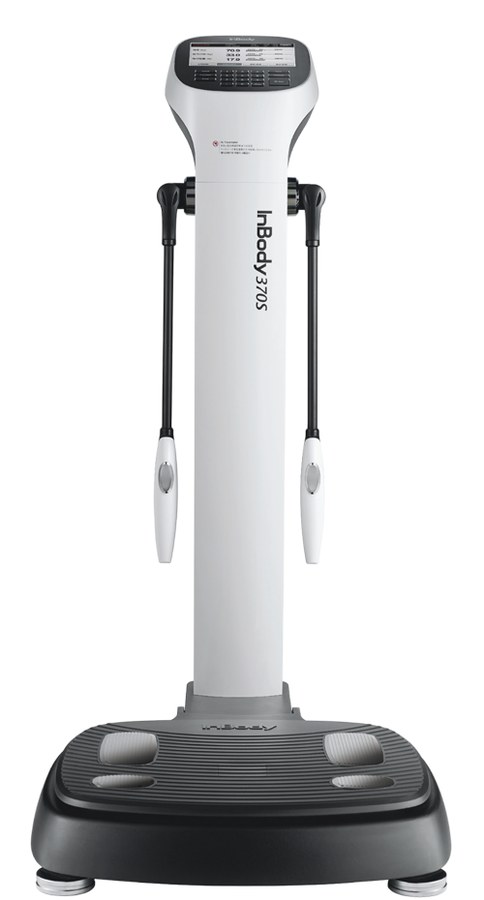
Body Composition Analysis for Aesthetic Clinics in India
Clients come to an aesthetic or dermatology clinic asking about fat freezing, injection lipolysis or liposuction, and many of them really want to lose weight. Body composition analysis in an aesthetic clinic helps you tell those two goals apart at the first consult: it shows whole-body fat, muscle and water, flags visceral fat, and gives a baseline for any weight-management package you offer alongside contouring. What it does not do is measure the fat pad you are treating. Getting that distinction right protects both the client and your clinic.
This guide is for dermatologists, cosmetic surgeons and aesthetic clinic managers weighing up an analyser. It covers what the scan can and cannot show for local fat treatments, where it fits in a consult, how Indian regulators view slimming claims, post-procedure caveats, and what to ask a supplier.
What Body Composition Analysis Measures, and What It Does Not
A bioimpedance analyser passes a small current through the body and estimates fat mass, lean mass and body water from how the current travels. Segmental models report these values for each arm, each leg and the trunk. That is useful, but the segments are large. The “trunk” value covers the whole torso, from shoulders to hips.
| Question a client asks | Can the scan answer it? | Better tool |
|---|---|---|
| How much body fat do I carry overall? | Yes, as an estimate | Scan is suitable for tracking |
| Is my weight fat or muscle? | Yes | Scan |
| Do I have a lot of visceral fat? | An estimate, on models that report it | Scan, with medical imaging if clinically needed |
| Did my lower belly bulge shrink after treatment? | No | Standardised photos, calipers or ultrasound at the treated site |
| Is one thigh fatter than the other? | Only roughly; segmental values are estimates for the whole limb | Circumference, photos, ultrasound |
Be explicit with clients that the segmental fat figures describe whole limbs and the whole trunk, not a single fat pocket. Our explainer on segmental fat analysis shows how to read those bars without overreading them.
Why Local Fat Treatment Results Do Not Show Up Clearly
Non-surgical fat reduction works on a small, defined area. A systematic review of 19 cryolipolysis studies (Plastic and Reconstructive Surgery, 2015) reported average fat-layer reductions of about 14.7 to 28.5% by calipers and 10.3 to 25.5% by ultrasound, measured at the treated site. The authors describe it as a technique for localised fat reduction, best suited to modestly sized fat deposits.
A reduction in the thickness of one fat layer is a meaningful contouring result, but it is a small amount of tissue compared with a client’s total fat mass, and normal day-to-day changes in body water and food in the gut can move a whole-body reading more than that. So a scan before and after a single contouring session may show no clear change, or a change in the wrong direction. That is not evidence the treatment failed; it is the wrong instrument for the question. Measure local results at the site.
Liposuction removes far more fat, but the lesson about metabolism is similar. In a small study published in the New England Journal of Medicine in 2004, large-volume abdominal liposuction in 15 women with obesity removed about a fifth of their body fat mass, yet no changes were found in insulin sensitivity, blood lipids, blood pressure or inflammatory markers 10 to 12 weeks later. Removing fat surgically is not the same as losing weight through diet and activity. A body composition baseline helps you have that conversation honestly.
Where the Scan Does Earn Its Place
1. Screening at the first consult
A client with high overall body fat or high visceral fat is often better served by a weight-management plan first and contouring later, if at all. The scan gives you an objective starting point for that advice, and a reason to refer to a physician when visceral fat or other risk markers are high.
2. Weight-management packages
Many aesthetic clinics already run diet and lifestyle programmes. Here the scan works the same way it does in a slimming centre: tracking fat mass against muscle so you can show that weight lost is mostly fat. Our guide for weight-loss clinics sets out a consult workflow, and body composition for dietitians covers targets and plateaus.
3. A stable baseline around procedures
A whole-body baseline before a procedure, and a repeat once recovery is complete, lets you check that the client’s overall body fat has not crept up after treatment. Weight regain is a common worry after contouring, and a trend on the same device makes it visible.
4. Clients on weight-loss medicines
Clients losing weight on prescribed medicines sometimes seek skin-tightening or contouring. Muscle loss during rapid weight loss is a concern; coordinate with the prescribing doctor and never suggest changing a medicine based on a scan.
Post-Procedure Caveats: Swelling and Fluid
Bioimpedance relies on body water, so anything that changes fluid distribution changes the reading. Swelling after liposuction or other procedures adds extracellular water to the treated segment and can make lean or fat values for that segment misleading. On models that report the ECW/TBW ratio, a raised value is a flag that fluid is distorting the picture; our ECW ratio guide explains the numbers.
The ESPEN guideline on bioimpedance (Kyle et al., 2004) supports its use in people with stable hydration and advises against routine use when hydration is abnormal. Practical rule: do not use a scan taken while post-operative swelling is present as a progress result. Wait until the treating surgeon is satisfied that swelling has settled, record that in the notes, and compare like with like. Compression garments, dressings and any metal implants should also be noted, and clients with a pacemaker or other implanted electronic device should not be tested; see who should not take an InBody test.
What Indian Regulators Expect From Slimming and Contouring Claims
This is where a scan can get a clinic into trouble if it is used as marketing proof. In one batch of rulings, the ASCI Consumer Complaints Council found claims such as “instant inch loss through non-surgical liposuction” and centimetres lost within an hour to be unsubstantiated and misleading by exaggeration, and faulted exaggerated “after the treatment” images.
More recently, according to a 2025 legal analysis, the Central Consumer Protection Authority penalised a beauty and slimming chain over fat-freezing ads that promised weight and centimetre loss in one session. The directions reported include stating that the treatment is for localised fat reduction only and not overall weight loss, and stating that it applies only to people with a BMI of 30 or less. Other clinics using the technology were warned to follow the same approach.
For your clinic, that means:
- Never present a body composition printout as proof that a contouring treatment worked.
- Do not imply that a local fat treatment causes weight loss.
- Do not use client reports in ads without written consent, and never as “typical results”.
- Keep consult notes that show you discussed what the scan can and cannot measure.
Choosing a Model for an Aesthetic Practice
Match the outputs to the questions above. For most aesthetic clinics, the useful outputs are body fat percentage, fat mass, skeletal muscle mass, a visceral fat indicator and segmental values. If you run post-surgical programmes, models that report ECW/TBW give you the fluid flag discussed above. Outputs vary by model, so confirm each one on the product page before you buy. A compact standing unit such as the InBody 370S fits a consult room; our analyser buying guide compares tiers.
Questions to ask a supplier:
- Which outputs does this exact model report, including visceral fat and ECW/TBW?
- How are results stored, compared across visits and exported?
- What consent and data-handling support is available? Under India’s DPDP Act, 2023, processing personal data needs notice and consent; take legal advice on your forms.
- What training, service and warranty cover is available in your city?
We do not print prices; request a quote for the model you shortlist.
Frequently Asked Questions
Can a body composition analyser measure the result of fat freezing?
Not reliably. Fat freezing reduces the thickness of a local fat layer, which is a small amount of tissue relative to whole-body fat and smaller than normal day-to-day variation in a whole-body reading. Measure local results with standardised photos, calipers or ultrasound at the treated site.
Does segmental fat analysis show belly fat or thigh fat?
Segmental analysis estimates fat for the whole trunk and each whole limb. It cannot isolate a lower-belly bulge, love handles or inner-thigh fat. Use it as a broad picture, not a spot measurement.
Should we scan clients after liposuction?
Not while swelling is present, because extra fluid distorts the reading. Take a baseline before the procedure and a repeat once the surgeon is satisfied swelling has settled, and note any compression garments or dressings.
Why scan aesthetic clients at all?
To separate clients who want contouring from those who need weight management, to flag high visceral fat for medical referral, and to track overall fat and muscle in diet programmes or after procedures.
Can we use scan results in our advertising?
Be cautious. Indian regulators have acted against slimming and fat-reduction ads that promised instant or guaranteed results. Do not present a printout as proof that a treatment worked, and never use a client’s report without written consent.
Is the scan safe for every client?
People with a pacemaker or other implanted electronic device, and pregnant women, are commonly excluded. Check the device manual and ask the client’s doctor if unsure.
See How It Fits Your Consult Room
If you run a dermatology, aesthetic or body-contouring clinic and want to see a scan in a real consult, book a demo and quote or explore the InBody analyser range.
This article is for clinic owners and health professionals. It is general education, not medical advice, and does not assess any specific treatment for any individual.

Most trending articles
Student Fitness Screening in India: A Guide for Schools
CBSE HPE, Fit India and Khelo India rely on BMI. How schools and colleges can add body composition screening safely, with child caveats and DPDP consent.
Creatine and Your Body Composition Scan: What Changes
Creatine raises body water and lean mass readings within a week on BIA and DXA. What the studies show and how to time your scans to read progress honestly.
Fitness Testing and Body Composition for Sports Academies
A practical fitness testing battery for Indian sports academies: body composition, grip, jumps, sprints, Yo-Yo, Khelo India context and youth maturation.